 WhatsApp Us (24/7)
 +91 926 888 0303 (24/7)


To Book an Appointment
Call us+91 926 888 0303To Book an Appointment
Call us+91 926 888 0303Recent Articles
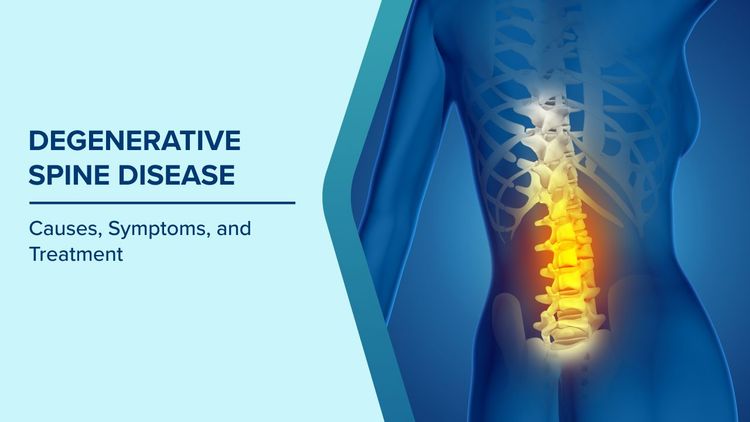
What is Degenerative Spine Disease: Causes, Symptoms & Treatment
Degenerative spine disease is a progressive condition characterised by age-related wear and tear of the intervertebral discs, facet joints, and supporting structures of the spine. As we age, the discs that cushion our vertebrae gradually lose water content and become less flexible, while the surrounding ligaments and joints develop arthritis-like changes. This natural degeneration is incredibly common, affecting millions of people worldwide, and in many cases, symptoms are minimal and manageable with conservative treatment. While the term "disease" may sound alarming, spinal degeneration is more accurately described as a normal part of ageing rather than a serious illness. The good news is that most people with degenerative spine disease can lead active, pain-free lives with appropriate management strategies, lifestyle modifications, and targeted therapies.
Dr. Paresh Bang In Spine Surgery
Mar 18 , 2026
Revolution in Spine Surgery Safety: Technology & Monitoring
Spine surgery is often associated with fear. The spine protects the spinal cord, supports movement, and carries vital nerve signals throughout the body. Any procedure involving this area naturally raises concerns about safety, paralysis, complications, or long-term impact.
Dr. Paresh Bang In Spine Surgery
Mar 10 , 2026
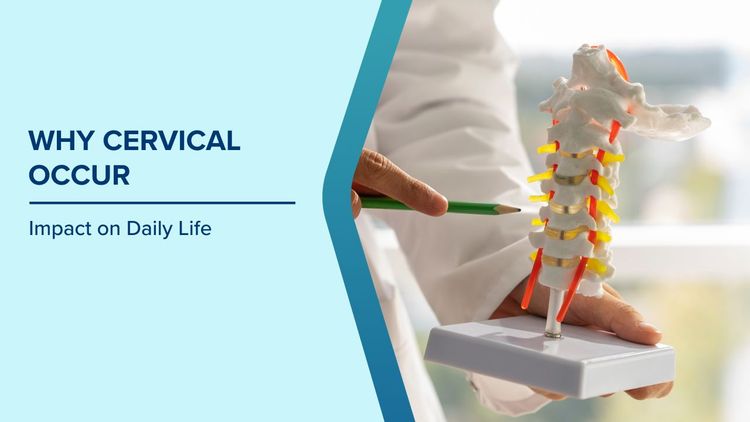
Why Cervical and Lumbar Degeneration Occur: Impact on Daily Life
Degenerative changes in the spine are commonly discussed as isolated problems, either in the neck or in the lower back. However, many patients are surprised to learn that structural wear and tear can occur in more than one region at the same time. When both the cervical spine and the lumbar spine show degenerative changes, the condition is often described as multi-level spine degeneration.
Dr. Paresh Bang In Spine Surgery
Mar 10 , 2026
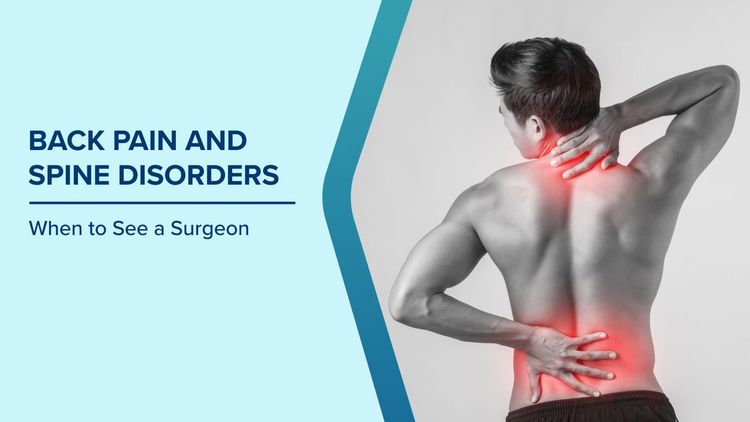
Back Pain and Spine Disorders: When to See a Surgeon
Spine-related ailments are becoming increasingly common due to modern lifestyle changes. Prolonged sitting, excessive mobile and computer use, poor posture, lack of exercise, obesity, and increasing life expectancy are major contributors.
Dr Jitesh Manghwani In Spine Surgery
Mar 02 , 2026
Most read blogs

Loose motions or Diarrhea is one of the most common ailments across every age group – from infants and mothers to the elderly. Diarrhea is the frequent passage of watery or loose stools across irregular intervals. There are many possible causes of Diarrhea. These include allergies, food poisoning, infections, and stress. As such, Diarrhea is merely a symptom of one of many possible causes. Most of the time, loose motions is not a serious problem and can be treated at home. Below, we've outlined 3 simple h
Max Team In Internal Medicine
Feb 22 , 2018

To make sure that what you eat helps your body and also helps you stay interested, spread out your food through the day by following different food ideas. You can mix and match the following depending on how much you can eat and whether you are vegetarian or non vegetarian.
Max Team In Obstetrics And Gynaecology Nutrition And Dietetics
Nov 07 , 2020
When you have loose motions, the most effective way to return to full health is by changing your diet. There are many foods which can help you to soothe your stomach, but there are some foods that can irritate your stomach. We'll proceed by listing out some of the things that you should and shouldn't do when you have loose motions.
Max Team In Internal Medicine
Mar 21 , 2018

Many people think that squint is a permanent condition and cannot be corrected. But the truth is that eyes can be straightened at any age. Commonly known as “Strabismus”, where the eyes are not aligned in the same direction, this can be present only part of the time, in one or alternating between two eyes. The squinting may turn in (converge), turn out (diverge) or sometimes turn up or down.
Max Team In Ophthalmology Eye Care / Ophthalmology
Nov 13 , 2020
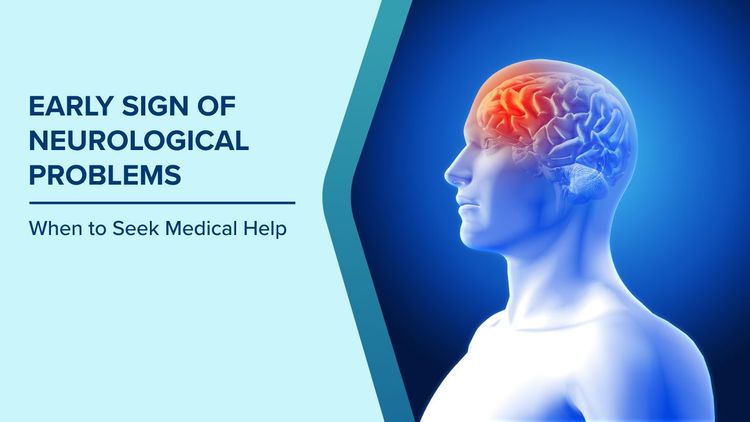
Early Sign of Neurological Problems: When to Seek Medical Help
The brain and nervous system control everything we do, from movement and memory to emotions and vital body functions. Even minor disruptions can affect daily life in ways that are often attributed to stress, fatigue, or ageing. However, many neurological conditions begin subtly. Recognising early warning signs can make a critical difference in diagnosis, treatment outcomes, and long-term quality of life.
Dr. Amitabh Goel In Neurosurgery Neurosciences Spine Surgery
Feb 23 , 2026
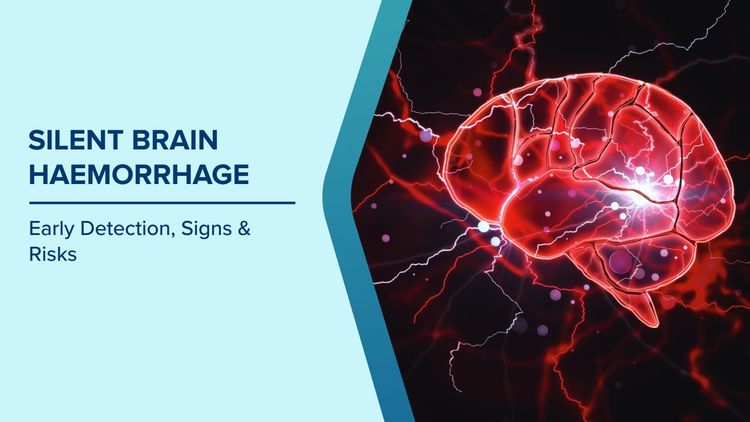
Silent Brain Haemorrhage: Early Detection, Signs & Risks
Brain haemorrhage is often imagined as a sudden, life-threatening medical emergency marked by severe headache, collapse, or loss of consciousness. While this is true in many cases, but there is a very common lesser known entity. A brain haemorrhage can sometimes develop quietly, without obvious warning signs, and remain unnoticed until serious damage has already occurred.
Dr. Mukesh Bisht In Neurosurgery Neurosciences Spine Surgery
Feb 17 , 2026
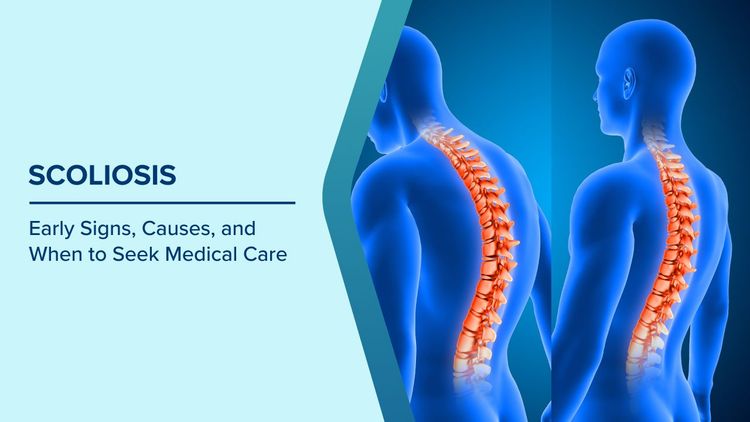
Early Signs of Scoliosis: Causes & When to Seek Care
Scoliosis is often misunderstood as just a posture issue, but in reality, it is a spinal condition that can quietly progress if left unnoticed. Many people live with scoliosis for years without realising it, especially in the early stages when discomfort is minimal or absent. By the time visible changes or pain appear, the curve may have already advanced. Recognising scoliosis early can make a meaningful difference in long-term spinal health.
Dr. Mohammed Faizan In Spine Surgery
Feb 12 , 2026
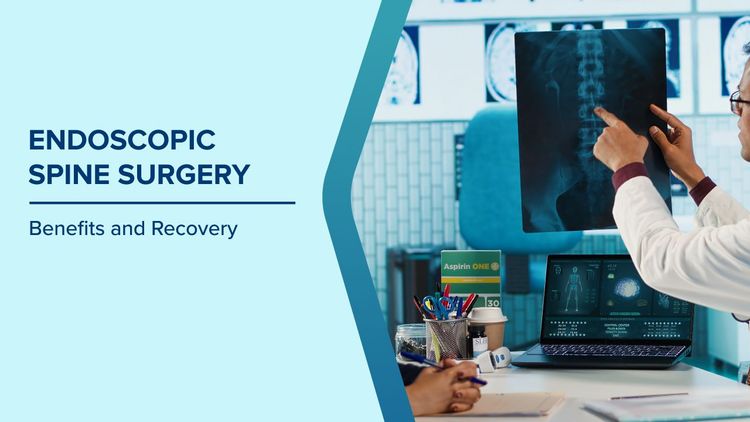
How Endoscopic Spine Surgery Performed: Benefits and Recovery
Back and spine problems can quietly interfere with daily life, making simple movements painful and limiting independence. For many people, conservative treatments such as medicines, physiotherapy, or lifestyle changes provide relief. However, when symptoms persist or worsen, surgery may be advised. Over the years, spine surgery has evolved significantly, and endoscopic spine surgery has emerged as a minimally invasive option that focuses on precision, faster recovery, and reduced tissue damage.
Dr. Mohammed Faizan In Spine Surgery
Feb 12 , 2026
By Specialities
- Aesthetic And Reconstructive Surgery
- Allergy
- Anaesthesia
- Arthroscopic Surgery
- Arthroscopy & Sports Injury
- Audiology
- Ayurveda Medicine
- Bariatric Surgery / Metabolic
- Bone Marrow Transplant
- Breast Cancer
- Cancer Care / Oncology
- Cardiac Anesthesia
- Cardiac Electrophysiology-Pacemaker
- Cardiac Sciences
- Cardiac Surgery
- Cardiac Surgery (CTVS)
- Cardiology
- Child Development Clinic
- Clinical Psychology
- Critical Care
- Dental Care
- Department of General Surgery and Robotics
- Dermatology
- Diabesity Clinic
- Diabetes Educator
- Dietetics
- Emergency & Trauma
- Emergency Medicine
- Endocrinology & Diabetes
- Endodontist & Cosmetic Dentist
- ENT
- ENT(Ear Nose Throat)
- Eye Care / Ophthalmology
- Foetal Medicine
- Gastro Intestinal & Hepatopancreatobiliary Surgical Oncology
- Gastroenterology, Hepatology & Endoscopy
- Gastrointestinal & Hepatobiliary Oncology
- Gastrointestinal Surgery
- General Surgery
- Gynaecologic Laparoscopy
- Gynecologic Oncology
- Haematology
- Hair Transplant
- Hand & Limb Reconstruction
- Head & Neck Oncology
- Health And Wellness
- Hematology
- Hematology Oncology
- Infertility & IVF
- Institute of Laparoscopic, Endoscopic & Bariatric Surgery
- Internal Medicine
- Interventional Cardiology
- Interventional Neurology
- Interventional Radiology
- Kidney Transplant
- Laboratory Medicine / Pathology
- Laparoscopic / Minimal Access Surgery
- Liver Transplant and Biliary Sciences
- Lung Transplant
- Maternity
- Maxillofacial Surgery and Implantology
- Medical & Surgical Gastroenterology
- Medical Oncology
- Mental Health And Behavioural Sciences
- Metabolic And Bariatric Surgery
- Molecular Oncology & Cancer Genetics
- Musculoskeletal Oncology
- Musculoskeletal Surgical Oncology
- Neonatology
- Nephrology
- Neuro Oncology
- Neurology
- Neurosciences
- Neurosurgery
- Nuclear Medicine
- Nutrition And Dietetics
- Obstetrics And Gynaecology
- Oncology Reconstructive Surgery
- Ophthalmology
- Orthopaedics & Joint Replacement
- Paediatric (Ped) Cardiac Surgery
- Paediatric (Ped) Cardiology
- Paediatric (Ped) Endocrinology
- Paediatric (Ped) Gastroenterology
- Paediatric (Ped) Hematology
- Paediatric (Ped) Intensive Care
- Paediatric (Ped) Nephrology
- Paediatric (Ped) Neurology
- Paediatric (Ped) Neurosurgery
- Paediatric (Ped) Oncology
- Paediatric (Ped) Pulmonology
- Paediatric (Ped)/Medical Oncology
- Paediatric Haematology
- Paediatrics (Ped)
- Pain Management
- Palliative Care
- Periodontology
- Physiotherapy & Rehabilitation Medicine
- Psychiatry
- Pulmonology
- Radiation Oncology
- Radiology
- Rheumatology
- Robotic Joint Replacement
- Robotic Surgery
- Spine Surgery
- Surgical Oncology
- Thoracic Oncology
- Thoracic Oncology Surgery
- Thoracic Surgery
- Transfusion Medicine
- Uro-Oncology
- Urology
- Vascular Surgery