WhatsApp Us (24/7)
 +91 926 888 0303 (24/7)


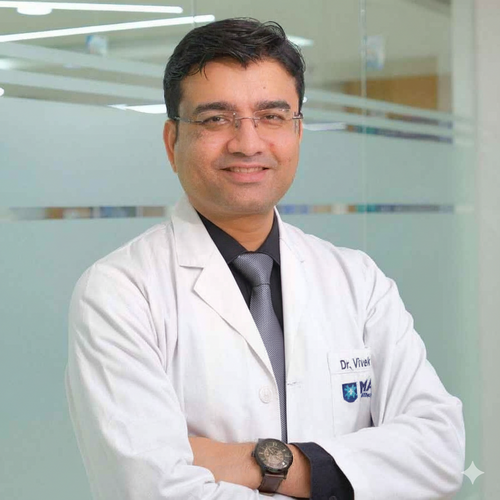
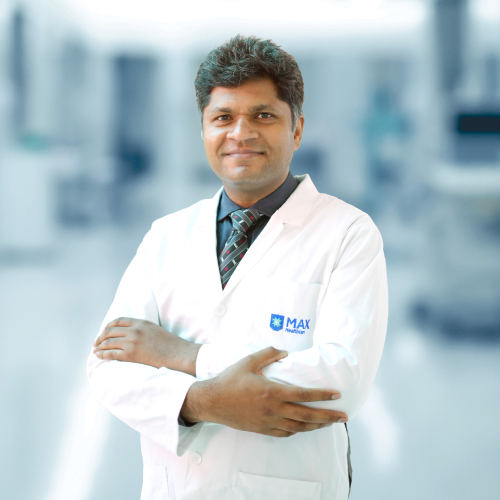
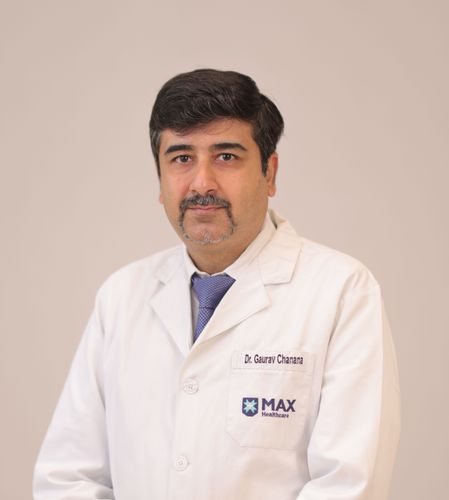
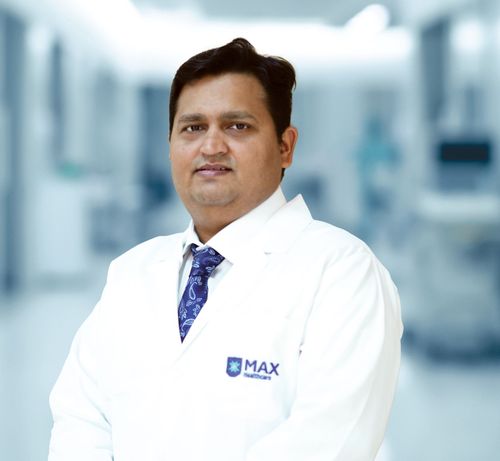
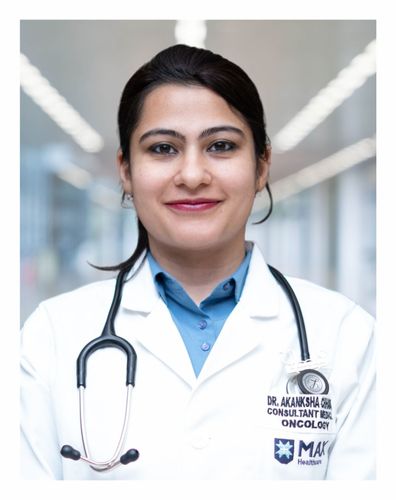
Our Medical Experts
Max Healthcare is home to 5000 eminent doctors in the world, most of whom are pioneers in their respective fields. Additionally, they are renowned for developing innovative and revolutionary clinical procedures.
Find a DoctorDelhi/NCR:
Mohali:
Dehradun:
Bathinda:
Mumbai:
Nagpur:
Lucknow:
BRAIN ATTACK:

To Book an Appointment
Call Us+91 926 888 0303Born out of a vision to provide the best cancer treatment in India, Max Institute of Cancer combines unparalleled human expertise, leading-edge diagnostic technology, and compassionate care, to deliver a complete gamut of cancer diagnostic and treatment service. Placed among most trusted names for patients seeking world-class cancer treatment in India, Max Institute of Cancer Care offers a holistic and integrated treatment by consolidating views of experts in Surgical Oncology, Radiation Oncology, and Medical Oncology. We have a team of some of the best cancer doctors in India, specialising in treating cancers affecting breast, head and neck, lung, gastrointestinal tract, and other critical organs, ensuring every patient receives precise, personalised, and effective cancer care.
Equipped to treat various types of cancer with chemotherapy, radiation therapy, surgery, and targeted therapy, we are the first facility in northern India to acquire Novalis Tx for IMRT/IGRT, Radiosurgery, HIPEC and SRS/SRT, which partially explains why we are regarded the best cancer hospital in India. Additionally, we are equipped with an advanced Da Vinci XI Robotic System for treating complex conditions like cancers of prostate, cervix, colon/rectum, as well as heart tumours. The procedure is the next frontier for minimally invasive surgery.
At Max Hospitals in Delhi, India, we have dedicated teams of specialists equipped to diagnose and treat a wide spectrum of cancers, from the most common to the most complex. Every cancer type is managed through a multidisciplinary approach, ensuring each patient receives care that is precise, personalised, and comprehensive from the very first consultation. Here are some of the many cancer types we treat:
One of the most commonly diagnosed cancers in women, breast cancer at Max Hospitals is managed through a full continuum of care, from early detection and genetic counselling to surgery, chemotherapy, targeted therapy, and reconstruction. Both early-stage and advanced breast cancer are treated with equal focus and expertise.
Cancers of the mouth, throat, larynx, salivary glands, thyroid, and nasal cavity demand highly specialised surgical and oncological expertise. Max Hospitals offers advanced treatment options including organ-preserving surgery, robotic-assisted procedures, and precision radiation therapy, aimed at achieving the best oncological outcomes while preserving function and quality of life.
Leukaemia, lymphoma, and multiple myeloma are among the most complex cancers to manage. Max Hospitals' dedicated haematology and blood cancer programme offers comprehensive care including chemotherapy, immunotherapy, targeted therapy, and bone marrow transplantation, supported by a specialised transplant unit and experienced haematologists.
Brain tumours, whether primary or metastatic, require precision at every step. Max Hospitals offers neuro-oncology care that integrates advanced neurosurgery, stereotactic radiosurgery, and systemic treatments, delivered by a multidisciplinary team of neurosurgeons, radiation oncologists, and medical oncologists
Cancers of the oesophagus, stomach, liver, pancreas, gallbladder, colon, and rectum are managed through a specialised gastrointestinal oncology programme. Treatment options span minimally invasive surgery, laparoscopic and robotic procedures, chemotherapy, targeted therapy, and hepatobiliary interventions for liver-related cancers.
Lung cancer, pleural mesothelioma, and other thoracic malignancies are treated through a dedicated thoracic oncology programme at Max Hospitals. From video-assisted thoracoscopic surgery (VATS) to advanced radiation techniques and immunotherapy, the focus remains on delivering effective treatment with minimal impact on respiratory function.
Cancers of the cervix, ovaries, uterus, vulva, and fallopian tubes are managed by experienced gynaecologic oncologists. Max Hospitals offers fertility-sparing surgical options wherever possible, alongside chemotherapy, radiation, and targeted therapy, all delivered with a deep understanding of the unique physical and emotional needs of women through their treatment journey.
Cancers of the prostate, kidney, bladder, and testes are treated through a comprehensive uro-oncology programme. Treatment options include robotic-assisted surgery, laparoscopic procedures, targeted therapy, immunotherapy, and brachytherapy, with a focus on preserving urological function and quality of life wherever clinically possible.
Bone and soft tissue sarcomas are rare but require highly specialised care. Max Hospitals offers expert management of musculoskeletal cancers including osteosarcoma, Ewing's sarcoma, and soft tissue sarcomas, with limb-salvage surgery as a priority wherever feasible, supported by chemotherapy and radiation therapy.
Childhood cancers require a treatment approach that is as compassionate as it is clinical. Max Hospitals' paediatric oncology team specialises in managing leukaemia, brain tumours, neuroblastoma, retinoblastoma, Wilms tumour, and other childhood malignancies, within a nurturing environment designed to support the child and family at every step.
Melanoma and non-melanoma skin cancers, including basal cell carcinoma and squamous cell carcinoma, are diagnosed and treated by a specialised team at Max Hospitals. Treatment options range from surgical excision and Mohs surgery to immunotherapy and targeted therapy for advanced cases.
Neuroendocrine tumours, which can arise in the pancreas, lungs, or gastrointestinal tract, are managed through a dedicated programme at Max Hospitals. Treatment includes surgical resection, somatostatin analogues, targeted therapy, and advanced theranostic treatments such as Lutetium-177 DOTATATE therapy.
Thyroid cancer, including papillary, follicular, medullary, and anaplastic types, is managed through a multidisciplinary thyroid oncology programme. Treatment options include surgery, radioiodine therapy, targeted therapy, and external beam radiation, tailored to the specific type and stage of the disease.
Cancer treatment at Max Hospitals in Delhi is guided by tumour type, stage, molecular characteristics, and overall health status. In many cases, a combination of therapies is recommended to achieve optimal disease control while preserving quality of life.
Surgical treatment focuses on removing the tumour along with appropriate surrounding tissue to achieve complete disease clearance where possible. Depending on the cancer type and stage, procedures may be performed using open, laparoscopic, or robotic-assisted techniques. Surgical planning prioritises precision, functional preservation, and structured post-operative recovery.
Chemotherapy uses specialised anti-cancer drugs to destroy rapidly dividing cancer cells or prevent their growth. It may be administered before surgery (neoadjuvant), after surgery (adjuvant), or as a primary treatment in advanced stages. Treatment schedules are carefully designed to balance effectiveness with tolerability.
Immunotherapy works by enhancing the body’s immune response against cancer cells. By targeting immune checkpoints or activating immune pathways, this treatment option can be effective in specific cancer types where the immune system can be mobilised to fight the disease.
Targeted therapy focuses on specific genetic mutations or molecular markers that drive cancer growth. Through precision diagnostics and biomarker testing, treatment can be directed toward these specific pathways, allowing for a more individualised and mechanism-based approach.
Hormone therapy is used in cancers that depend on hormones for growth, such as certain breast and prostate cancers. These treatments work by blocking hormone production or preventing hormones from stimulating cancer cells.
Radiation therapy uses high-energy beams to destroy cancer cells while preserving surrounding healthy tissue. Advanced planning systems and image-guided techniques enhance precision, making radiation an important component in both curative and palliative treatment strategies.
For selected blood cancers and haematological disorders, stem cell transplantation may be recommended. This procedure replaces diseased bone marrow with healthy stem cells following high-dose therapy, allowing restoration of normal blood cell production.
In certain cases, image-guided techniques such as tumour ablation or embolisation may be used either as primary treatment or as supportive intervention. These approaches are typically less invasive and may support disease control in carefully selected situations.
Each treatment plan is reviewed through multidisciplinary discussions to ensure that therapies are appropriately sequenced or combined according to established oncology guidelines.
At Max Hospitals in Delhi NCR we offer a comprehensive range of oncology services, bringing together specialised expertise across every dimension of cancer care. Each service is delivered by dedicated specialists working in close coordination, ensuring that every patient receives focused, evidence-based treatment tailored to their specific condition and needs.
Accurate diagnosis is the foundation of effective cancer treatment. Max Hospitals is equipped with advanced diagnostic capabilities including high-resolution imaging, PET-CT scans, MRI, endoscopic procedures, and image-guided biopsies. Molecular profiling and genomic testing further enable precise cancer characterisation, ensuring the right treatment is identified from the very start.
Medical oncology at Max Hospitals encompasses the full spectrum of systemic cancer treatments, including chemotherapy, targeted therapy, immunotherapy, and hormone therapy. Each treatment protocol is designed and monitored by experienced medical oncologists, with regular assessments to track response and manage side effects effectively.
Max Hospitals offers advanced surgical intervention for a wide range of cancers, including breast, colorectal, gastrointestinal, head and neck, gynaecological, and urological cancers. Procedures are performed by highly skilled surgical oncologists, with minimally invasive and robotic-assisted options available where clinically appropriate, aimed at achieving optimal outcomes with faster recovery.
Radiation therapy at Max Hospitals is delivered through state-of-the-art technology including Linear Accelerators (LINAC), Stereotactic Body Radiation Therapy (SBRT), Intensity-Modulated Radiation Therapy (IMRT), and Image-Guided Radiation Therapy (IGRT). These techniques allow for highly precise targeting of tumours while minimising exposure to surrounding healthy tissue.
Max Hospitals has a dedicated haematology unit specialising in blood cancers such as leukaemia, lymphoma, and myeloma. The programme includes autologous and allogeneic bone marrow transplants, supported by a specialised transplant team and infrastructure designed to manage complex haematological conditions with the highest standard of care.
Cancer in children requires a distinctly different approach — medically, emotionally, and psychologically. Max Hospitals' paediatric oncology team is experienced in managing childhood cancers including leukaemia, brain tumours, neuroblastoma, and Wilms tumour, within a supportive environment designed to care for both the child and the family through every stage of treatment.
Palliative care, cancer pain management and end of life care including home care for managing advanced cancers
Recovery does not end at the conclusion of treatment. Max Hospitals offers structured rehabilitation and survivorship programmes that help patients regain strength, manage long-term side effects, and transition back to everyday life with confidence — supported by physiotherapists, psychologists, and follow-up care teams.
A cancer diagnosis can be overwhelming for patients and families alike. At Max Institute of Cancer Care, treatment pathways are structured not only around the disease but also around the individual, ensuring coordinated medical expertise and compassionate support throughout the journey.
At the heart of Max Hospitals is a multidisciplinary team of highly experienced oncologists, surgeons, radiologists, and pathologists who collaborate closely on every case. Each treatment plan is tailored to the individual, informed by the latest evidence, shaped by years of expertise, and guided by a shared commitment to the best possible outcome.
Max Hospitals is equipped with cutting-edge diagnostic and treatment technology, including robotic surgery systems, linear accelerators for precision radiation therapy, and next-generation genomic profiling tools. This ensures that every patient has access to the most accurate diagnosis and the most effective, targeted treatment available today.
From early detection and diagnosis to treatment, rehabilitation, and survivorship support, Max Hospitals offers a full continuum of cancer care under one roof. Patients do not have to navigate multiple facilities or specialists, everything needed for a complete treatment journey is available in one place.
A cancer journey is as emotional as it is medical. Max Hospitals recognises this deeply, which is why dedicated patient counsellors, nutritionists, palliative care specialists, and support groups are an integral part of the care model. Every patient is treated with dignity, empathy, and the assurance that they are never alone in their journey.
Max Hospitals actively participates in national and international clinical trials, giving eligible patients access to breakthrough therapies and investigational treatments that may not yet be widely available. This commitment to research ensures that the care delivered today is always informed by the medicine of tomorrow.
With decades of experience, thousands of successfully treated patients, and a reputation built on outcomes and trust, Max Hospitals stands as one of Delhi's most reputable hospitals for oncology care, where world-class medicine meets genuine human compassion.
Yes, Max Hospitals in Delhi, India, have dedicated paediatric oncology teams for treating cancer in children. Treatment approaches are designed to be age-appropriate, with close monitoring and supportive care for both young patients and their families.
Cancer care at Max Hospitals in Delhi includes integrated support such as pain management, nutritional counselling, psychological support, and rehabilitation services. These are provided alongside active treatment to address physical recovery and emotional well-being.
Appointments can be booked through the hospital’s helpline or online booking platform. Based on the diagnosis or symptoms, patients are guided toward the appropriate oncology specialist.
Max Hospitals in Delhi offers a comprehensive range of cancer treatments, including tumour removal surgery, chemotherapy, radiation therapy, immunotherapy, targeted therapy, and hormone-based treatments where appropriate. Care is delivered through coordinated planning to ensure therapies are sequenced or combined according to the specific diagnosis and stage of disease.
Immunotherapy can be effective in certain advanced cancers where tumour biology makes the disease responsive to immune checkpoint inhibitors or other immune-based treatments. Eligibility depends on biomarker testing and clinical evaluation.
In some cases, advanced cancers can show significant response to treatment and remain stable for extended periods. The outcome depends on tumour biology, response to therapy, and individual clinical factors.
Treatment costs vary based on cancer type, stage, treatment modality, and duration of therapy. After diagnostic evaluation and treatment planning, an estimated cost outline is discussed transparently to help families plan appropriately.
Yes, Max Hospitals is empanelled with most leading insurance providers. Our TPA team assists with pre-authorisations, cashless approvals, and documentation support throughout the claims process.
Cancer treatment at Max Hospitals follows structured clinical safety protocols across surgery, chemotherapy, and radiation therapy. Chemotherapy drugs are prepared in controlled environments and administered under specialist supervision with continuous monitoring for adverse reactions. Radiation therapy plans undergo verification checks before treatment delivery to ensure accuracy.
Strict infection-prevention measures are implemented across inpatient and outpatient oncology areas, including sterilisation protocols, protective isolation where required, and regular monitoring of treatment environments. These safeguards are designed to minimise treatment-related risks and ensure safe care delivery.
No. Most cancers are not inherited. While certain gene mutations can increase the risk of specific cancers within families, the majority of cancers develop due to a combination of age-related changes, environmental exposures, and lifestyle factors.
In cases where there is a strong family history or early onset of disease, genetic evaluation and counselling may be recommended to assess inherited risk and guide screening or preventive strategies.
Cancer can present with a wide range of symptoms, many of which may initially appear mild or non-specific. A medical evaluation is advisable if certain changes persist for several weeks, progressively worsen, or do not have an obvious explanation. These may include a new lump or swelling, unexplained weight loss, prolonged fatigue, persistent cough, difficulty swallowing, abnormal bleeding, non-healing sores, or noticeable changes in bowel or bladder habits.
Although these symptoms are often linked to non-cancerous conditions, timely assessment helps rule out serious causes and supports early diagnosis when necessary.
Yes, Max Hospitals in Delhi provide dedicated Daycare Chemotherapy Units for treatments that do not require overnight hospitalisation. These units are designed for the safe administration of infusions and other short-duration therapies in a monitored clinical setting, allowing patients to return home the same day once treatment is completed and observations are stable.
Max Cancer Care is available at several key locations across the city:
You can use the "Hospital Locator" on our website or app to find the one closest to you.
A tumour board brings together specialists from medical oncology, surgical oncology, radiation oncology, radiology, and pathology to review complex cancer cases collectively. This collaborative discussion ensures that diagnosis, staging, and treatment options are evaluated from multiple clinical perspectives before a treatment plan is finalised.
By consolidating expert input, the tumour board approach supports more comprehensive decision-making, helps identify appropriate combinations or sequencing of therapies, and reduces the likelihood of oversight in complex cases.
You can browse our specialist profiles on the Max Healthcare website, where we list their expertise, years of experience, and clinical interests (e.g., breast cancer, blood cancer). You can also filter by location to find a top specialist at the hospital nearest to you.
Absolutely. We encourage second opinions to give you peace of mind. You can book a ‘Second Opinion Consultation’ at any of our Delhi NCR locations. Just bring your existing reports and scans so our oncologists can provide a thorough review of your options.
The cost of cancer treatment at Max Hospitals in Delhi depends on several clinical factors, including the type of cancer, stage of disease, treatment approach, and duration of therapy. Because treatment plans are individualised, overall expenses may vary from one case to another.
Following a detailed medical evaluation and review of diagnostic findings, a structured treatment plan is discussed along with an estimated cost range. This allows patients and families to understand the anticipated expenses in advance and plan accordingly. Insurance assistance is available to support pre-authorisation and claims processing where applicable.
Reviewed by Dr. SVS Deo, Chairman – Surgical Oncology, Cancer Care / Oncology, on 25 February 2026.
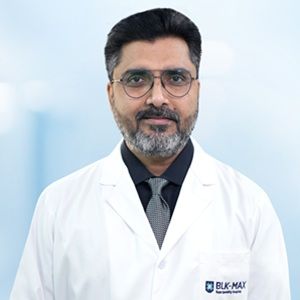
Dr. (Prof) SVS Deo Chairman – Surgical Oncology
Max Healthcare is home to 5000 eminent doctors in the world, most of whom are pioneers in their respective fields. Additionally, they are renowned for developing innovative and revolutionary clinical procedures.
Max Healthcare is home to 5000 eminent doctors in the world, most of whom are pioneers in their respective fields. Additionally, they are renowned for developing innovative and revolutionary clinical procedures.
Find a DoctorAt Max Institute of Cancer Care (MICC), we understand that each cancer and cancer patient is different from the other. A team of experts from surgical oncology, radiation oncology, medical oncology, pathology, imaging and related disciplines come together in the Tumor Board meetings to discuss each and every case and form a customized/ joint decision and a treatment plan.


Overcoming Wilm’s Tumour (Kidney Cancer)
Treated by Dr Anadi Pachaury, Max Super Speciality Hospital, Shalimar Bagh
country: India | Mar 3, 2026
Treated by Dr. Alok Gupta, Max Super Speciality Hospital, Lucknow
country: India | Dec 4, 2025
Successful Recovery from Triple Negative Breast Cancer
Treated by Dr. Devavrat Arya, Max Super Speciality Hospital, Saket
Jun 18, 2025
Robotic Radical Hemicolectomy for Colon Carcinoma
Treated by Dr. Harit Chaturvedi, Max Super Speciality Hospital, Saket
country: India | Jun 9, 2025
Chemo and Radiation Therapy for Rhabdomyosarcoma
Treated by Dr. Rajender Kumar, Max Super Speciality Hospital, Shalimar Bagh
Jun 26, 2024
Treated by Dr. Nikhil Agrawal, Max Hospital, Gurgaon
country: Ethiopia | Jun 25, 2024
Laparoscopic Surgery for Endometrial Cancer
Treated by Dr. Saurabh Tiwari, Max Super Speciality Hospital, Dehradun
country: India | May 27, 2024
Oncoplastic Breast-Conserving Surgery for Breast Cancer
Treated by Dr. Rajinder Kaur Saggu, Max Super Speciality Hospital, Vaishali
country: Iraq | May 27, 2024
Overcoming Wilm’s Tumour (Kidney Cancer)
Treated by Dr Anadi Pachaury , Max Super Speciality Hospital, Shalimar Bagh
country: India | Mar 3, 2026