WhatsApp Us (24/7)
 +91 926 888 0303 (24/7)


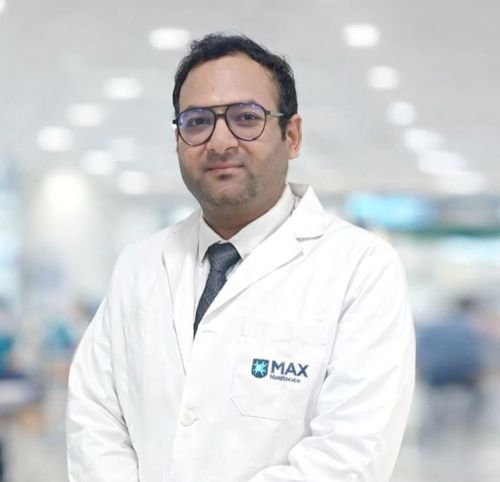
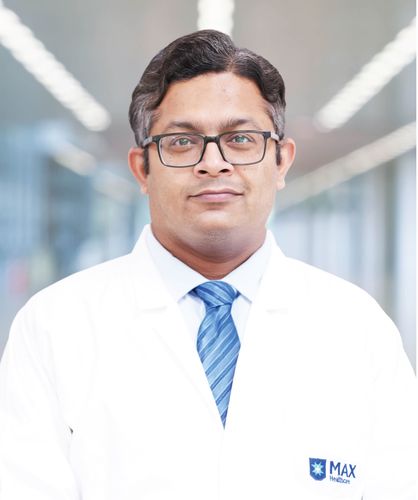
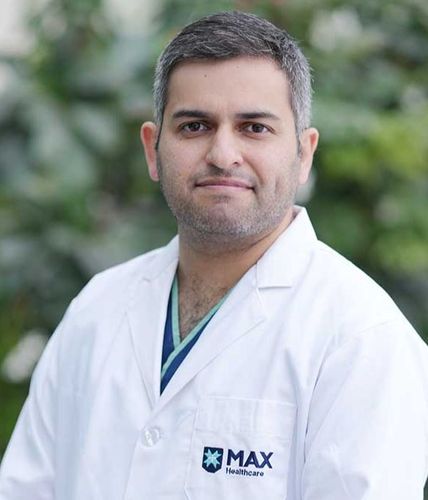
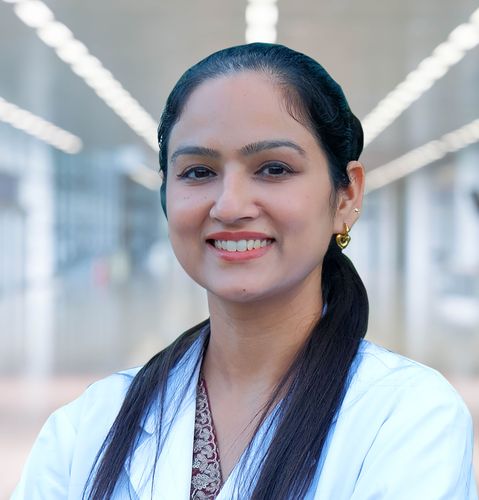
Our Medical Experts
Max Healthcare is home to eminent doctors in the world, most of whom are pioneers in their respective fields. Additionally, they are renowned for developing innovative and revolutionary clinical procedures.
Find a DoctorDelhi/NCR:
MOHALI:
Dehradun:
BATHINDA:
Mumbai:
NAGPUR:
LUCKNOW:
BHUBANESWAR:

To Book an Appointment
Call us+91 926 888 0303Urological conditions, whether minor or complex, can significantly affect one’s daily life. Addressing these concerns requires not just medical expertise but also advanced technology and compassionate care. At Max Hospitals, our Urology Department brings together highly experienced urologists, state-of-the-art diagnostics, and minimally invasive treatment options to provide comprehensive solutions. From simple conditions to complex disorders, we provide complete urological care with a focus on faster recovery and improved quality of life.
Our urology department specialises in diagnosing and treating a wide range of urological conditions, including but not limited to:
At Max Hospitals, we are equipped with advanced diagnostic tools and technology to ensure accurate assessment and timely diagnosis of various urological conditions.
At Max Hospitals, we provide a comprehensive range of treatments to address all urological conditions. Our offerings include:
As one of India’s premier hospitals, at Max Hospitals our goal is to provide cutting-edge treatment options that are both effective and tailored to the individual needs of each patient, ensuring the highest standards of care and the best possible outcomes.
Choosing the right facility for a urological condition is crucial for achieving the best outcomes and ensuring a smooth recovery. Here is what makes Max Hospitals’ Urology Department stand out:
Our team consists of highly experienced and renowned urologists, uro-oncologists, and kidney transplant specialists. Many of the doctors are pioneers in their fields, with extensive experience in treating a wide range of urological conditions. From common issues like kidney stones and urinary tract infections to complex cases of urological cancers and kidney failure, the experts are equipped to provide accurate diagnoses and effective treatment plans.
The department believes in using the latest technology to ensure the best possible outcomes for patients. The department is a leader in robotic surgery, offering this advanced, minimally invasive option for complex procedures like robotic prostatectomy and kidney transplants. These cutting-edge techniques can lead to reduced pain, faster recovery times, and less scarring compared to traditional surgery. The hospital also utilizes state-of-the-art equipment for procedures such as lithotripsy for kidney stones and laser prostatectomy.
Urological conditions often require a team-based approach. At Max Hospitals, our urology experts work closely with specialists from other departments, including nephrology, oncology, and transplant medicine. This collaborative model ensures that every patient receives a holistic and personalized treatment plan, considering all aspects of their health for a more effective and coordinated recovery.
A hospital stay can be a challenging experience. That's why the hospital focuses on providing compassionate, patient-centered care. From the initial consultation to recovery and follow-up appointments, the entire team is dedicated to making the experience as comfortable and stress-free as possible. The hospital prioritizes clear communication, ensuring patients and their families are well-informed and involved in every decision about their health.
With a proven track record of handling a high volume of complex cases, including numerous successful kidney transplants and robotic surgeries, Max Hospitals has established itself as a trusted name in healthcare. The commitment to maintaining stringent infection control protocols and accreditation by bodies like the National Accreditation Board for Hospitals & Healthcare Providers (NABH) and National Accreditation Board for Laboratories (NABL) reflect a dedication to providing care of the highest quality.
You should consult a urologist if you experience symptoms such as difficulty urinating, persistent pain in the lower abdomen or back, blood in urine, frequent urinary tract infections, or problems related to fertility or sexual health.
During the first visit, your doctor will review your medical history, discuss your symptoms, and may recommend initial tests such as urine analysis, blood tests, or imaging studies.
Please bring any relevant medical records, a list of your current medications and dosages, any recent test results, and your health insurance information. If applicable, also bring a list of questions you may have for the doctor.
No, not all surgeries are major. Many urological conditions can be treated with minimally invasive or day-care procedures, allowing patients to recover faster with minimal discomfort.
These advanced techniques typically result in smaller incisions, less pain, shorter hospital stays, quicker recovery, and better precision in complex surgeries.
Yes. While some conditions such as prostate disorders affect men, many urological conditions — like kidney stones, urinary tract infections, and bladder control issues — affect both men and women.
Yes, we have specialised services for children with conditions such as congenital urinary tract abnormalities, vesicoureteral reflux, and paediatric kidney or bladder issues.
Simple measures such as staying hydrated, maintaining a healthy diet, practicing safe sex, managing chronic conditions like diabetes, and regular health check-ups can help reduce the risk of urological problems.
Yes, Max Hospitals has a dedicated international patient care team to assist with travel, accommodation, appointments, and personalised treatment planning.
We provide structured follow-up appointments, rehabilitation programmes (such as pelvic floor therapy), and ongoing support to ensure long-term health and recovery.
Recovery time varies significantly depending on the specific procedure and the individual's overall health. Minimally invasive procedures like robotic surgery often lead to shorter hospital stays and faster recovery compared to traditional open surgery. Your doctor will provide you with a detailed recovery plan tailored to your condition.
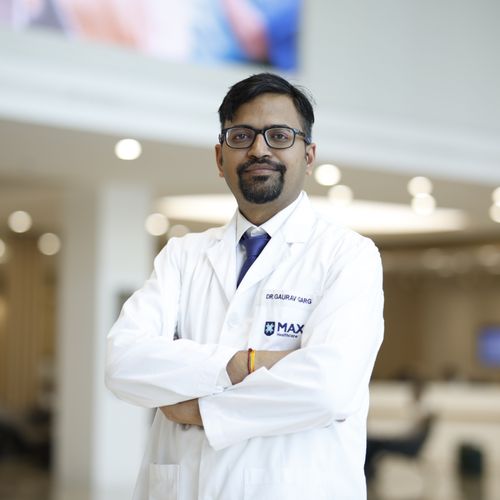
Reviewed by Dr. Gaurav Garg, Senior Consultant - Urology/Andrology, Robotic Surgery, on 27 August 2025.
Chairman - Urology Renal Transplant and Robotics of Max Saket Complex and Uro-Oncology of MSSH Saket
Max Healthcare is home to eminent doctors in the world, most of whom are pioneers in their respective fields. Additionally, they are renowned for developing innovative and revolutionary clinical procedures.
Max Healthcare is home to eminent doctors in the world, most of whom are pioneers in their respective fields. Additionally, they are renowned for developing innovative and revolutionary clinical procedures.
Find a DoctorMr Makunguwaji’s Successful Kidney Obstruction Treatment
Treated by Dr. Muninder Singh Randhawa, Max Super Speciality Hospital, Mohali
Country : Tanzania
Mrs Dilobar's Successful Combined Liver and Kidney Transplant
Treated by Dr. Abhideep Chaudhary, BLK-Max Super Speciality Hospital
Kidney Transplant Journey: From Dialysis to New Life
Treated by Dr. Mrinal Pahwa, Max Super Speciality Hospital, Dwarka
Country : Cameroon
Successful Recovery from Enlarged Prostate (BPH)
Treated by Dr. Tushar Aditya Narain, Max Smart Super Speciality Hospital, Saket
Country : India
Recovery After Robotic Surgery for a Cell Tumour
Treated by Anant Kumar, Max Super Speciality Hospital, Saket
Mrs Netsy Muteso’s HIV-Positive Robotic Kidney Transplant Success Story
Treated by Anant Kumar, Max Super Speciality Hospital, Saket
Country : Zimbabwe
A World-First Robotic Splenorenal Bypass That Transformed Mrs Lata Saxena’s Health
Treated by Anant Kumar, Max Super Speciality Hospital, Saket
Journey to Recovery After Kidney Transplant
Treated by Dr (Prof) P. P. Singh, Max Smart Super Speciality Hospital, Saket
Country : Tanzania
Mr. Suraj's Successful Recovery From Bladder Cancer
Treated by Dr. Amit Goel, Max Hospital, Gurgaon
Country : India
Mr Makunguwaji’s Successful Kidney Obstruction Treatment
Treated by Dr. Muninder Singh Randhawa , Max Super Speciality Hospital, Mohali
Country : Tanzania