 WhatsApp Us (24/7)
 +91 926 888 0303 (24/7)


To Book an Appointment
Call Us+91 926 888 0303How Endoscopic Spine Surgery Performed: Benefits and Recovery
By Dr. Mohammed Faizan in Spine Surgery
Feb 12 , 2026

Back and spine problems can quietly interfere with daily life, making simple movements painful and limiting independence. For many people, conservative treatments such as medicines, physiotherapy, or lifestyle changes provide relief. However, when symptoms persist or worsen, surgery may be advised. Over the years, spine surgery has evolved significantly, and endoscopic spine surgery has emerged as a minimally invasive option that focuses on precision, faster recovery, and reduced tissue damage.
What Makes Endoscopic Spine Surgery Different
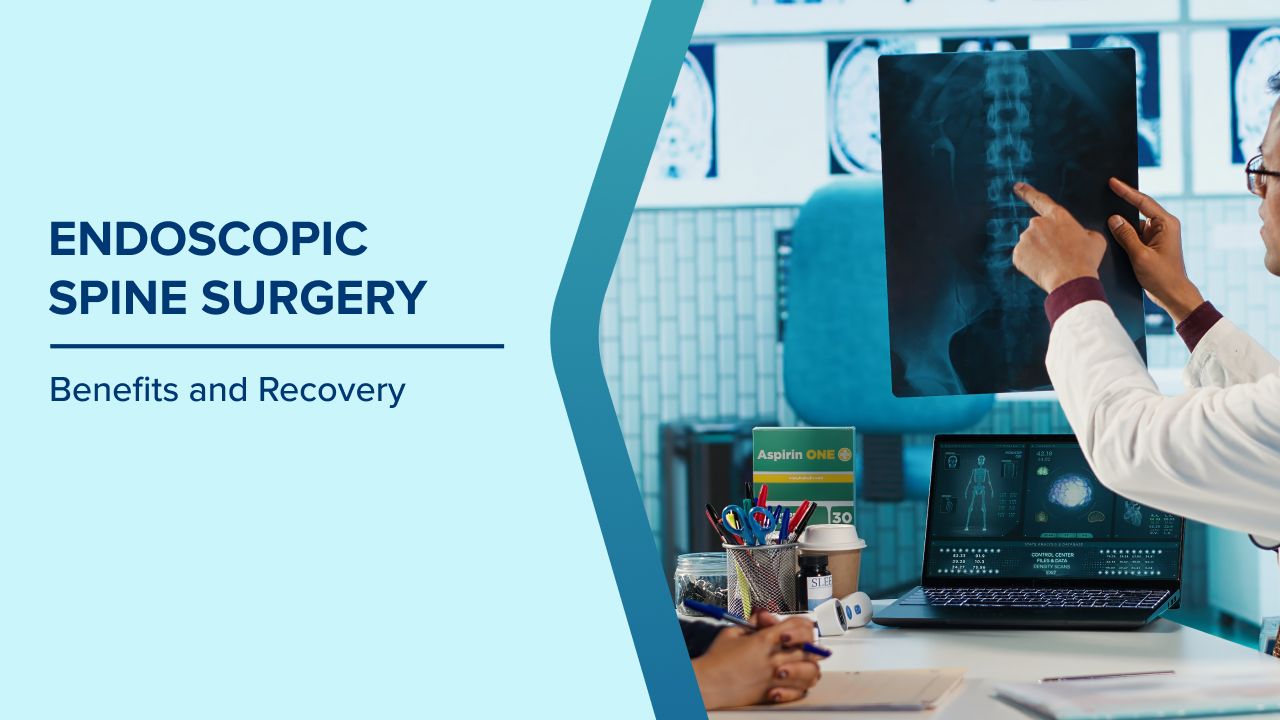
Endoscopic spine surgery uses a thin tube fitted with a small camera and specialised instruments. This endoscope allows the surgeon to view the spine on a screen and treat the affected area through a very small incision.
Unlike traditional spine surgery, which involves cutting through muscles and tissues to reach the spine, the endoscopic approach works through natural tissue planes. This helps preserve surrounding muscles and structures while directly addressing the source of pain or nerve compression.
The goal is not only to relieve symptoms but also to maintain spinal stability and function.
Common Spine Problems Treated With This Technique
Endoscopic spine surgery is not meant for every spinal condition, but it is effective for many commonly encountered problems, especially those causing nerve compression.
Conditions often managed using this approach include:
- Slipped or herniated discs causing leg or arm pain
- Spinal canal narrowing leading to walking difficulty or numbness
- Nerve root compression resulting in tingling or weakness
- Certain cases of chronic back pain linked to disc-related issues
Each case is evaluated individually. Imaging studies, symptom patterns, and overall health play a role in determining whether this technique is suitable.
How the Procedure Is Performed
The surgery is usually performed under anaesthesia, depending on the condition and patient comfort. A small incision is made near the affected spinal level. Through this opening, the endoscope and surgical instruments are inserted.
The camera provides a magnified view of the spine, allowing the surgeon to identify and remove disc fragments, relieve nerve pressure, or clean inflamed tissue with high accuracy.
Because the incision is small and muscle disruption is minimal, blood loss is usually low, and surrounding structures remain largely intact.
Benefits That Matter to Patients
One of the reasons endoscopic spine surgery is gaining attention is because of its patient-centred benefits.
Key advantages include:
- Smaller incision and minimal scarring
- Reduced muscle injury compared to open surgery
- Lower postoperative pain in many cases
- Shorter hospital stay
- Faster return to daily activities
For working professionals, older adults, and those seeking quicker functional recovery, these benefits can make a meaningful difference.
Recovery and Rehabilitation Experience
Recovery after endoscopic spine surgery is generally smoother when compared to conventional approaches. Many patients are able to sit, stand, and walk within a short period after surgery, normally the next day.
The recovery plan typically includes:
- Early gentle movement as advised by the care team
- Gradual increase in activity over days to weeks
- Physiotherapy, if recommended
- Pain management with minimal medication
Most patients can return to light work and routine activities sooner, although heavy lifting and strenuous exercise may need to be avoided for a specified period.
Safety and Precision in Skilled Hands
Like any surgical procedure, endoscopic spine surgery requires expertise and careful patient selection.
When performed by experienced spine surgeons, the procedure is considered safe and effective for appropriate cases.
Who May Be a Suitable Candidate
Not everyone with back pain requires surgery, and not all surgical cases are suitable for an endoscopic approach.
Patients who may be considered include those who:
- Have persistent symptoms despite non-surgical treatment
- Experience nerve-related pain affecting daily function
- Have imaging findings that match their symptoms
- Are medically fit for surgery
A thorough consultation helps determine whether this option aligns with the individual’s condition and expectations.
Comparing Endoscopic Surgery With Conventional Methods
Traditional spine surgery often involves larger incisions and longer recovery periods.
The focus of endoscopic surgery is targeted treatment with minimal disruption.
Life After Endoscopic Spine Surgery
For many patients, the improvement in pain and mobility after surgery leads to a better quality of life.
Long-term success depends on:
- Following activity guidelines
- Maintaining good posture and spine care habits
- Engaging in recommended exercises
- Attending follow-up appointments
The surgery addresses the current problem, while lifestyle and ergonomic habits help protect the spine in the future.
Addressing Common Concerns and Expectations
It is natural for patients to have questions about outcomes, recovery time, and limitations.
Conclusion
Endoscopic spine surgery represents a thoughtful shift in the treatment of certain spine conditions.
An informed discussion with a spine specialist is the first step toward deciding whether it is the right path forward.
Frequently Asked Questions
1. Can endoscopic spine surgery be repeated if symptoms return?
In some cases, repeat procedures may be possible, depending on the cause of symptoms and overall spine health.
2. Does this surgery affect spinal flexibility in the long term?
The technique aims to preserve natural structures, so spinal movement is usually maintained rather than restricted.
3. Is a hospital stay always required after the procedure?
Some patients may be discharged soon, while others may require brief observation based on their individual recovery.
4. Can older adults safely undergo endoscopic spine surgery?
Age alone is not a limiting factor. Overall health and fitness are more important in determining suitability.
5. Will lifestyle changes still be needed after surgery?
Yes, surgery treats the existing problem, but posture care, exercise, and spine-friendly habits help prevent future issues.
Written and Verified by:

Related Blogs

Prof. (Dr). V.K.Jain In Neurosciences , Spine Surgery
Nov 07 , 2020 | 5 min read
Dr. Amit Gupta In Spine Surgery , Neurology
Nov 07 , 2020 | 2 min read
Blogs by Doctor
Most read Blogs


Related Blogs
Prof. (Dr). V.K.Jain In Neurosciences , Spine Surgery
Nov 07 , 2020 | 5 min read
Dr. Amit Gupta In Spine Surgery , Neurology
Nov 07 , 2020 | 2 min read
Blogs by Doctor
Most read Blogs