 WhatsApp Us (24/7)
 +91 926 888 0303 (24/7)


To Book an Appointment
Call Us+91 926 888 0303Understanding Flat Feet: Non-Surgical Care, Surgery, and Recovery
By Dr. Neeraj Godara in Orthopaedics & Joint Replacement , Hand & Limb Reconstruction
Jan 05 , 2026 | 4 min read

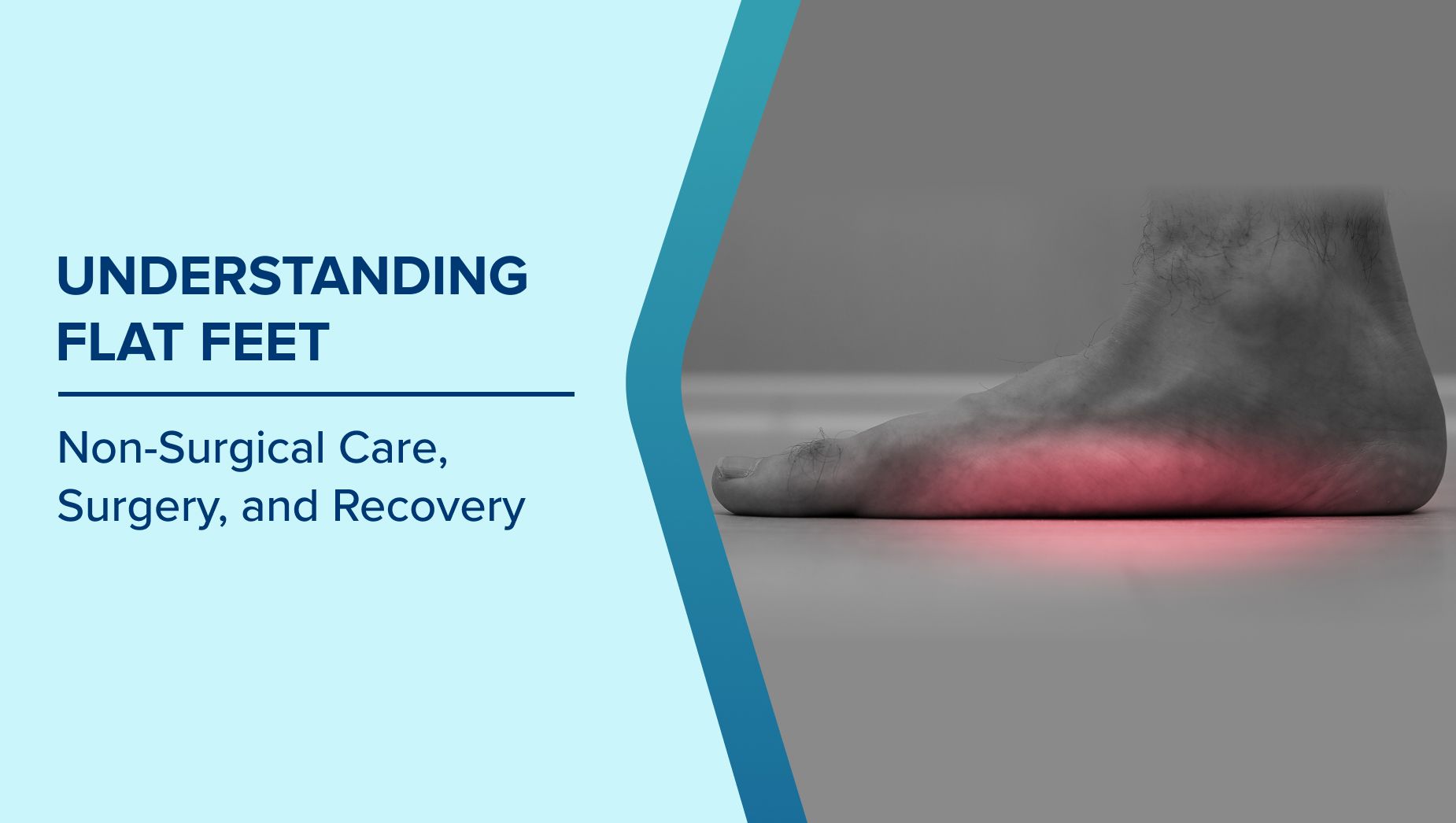
Flat feet are more common than many people realise. For some, they cause no discomfort at all, while for others, they can lead to pain, stiffness, and difficulties with walking or exercise. If you have been struggling with flat feet symptoms, you may be wondering: Do I need surgery for flat feet, or are there other options available?
The good news is that surgery is not always the first step. Several effective non-surgical treatments can help reduce pain and improve mobility. At the same time, surgery may be recommended for certain cases where conservative care does not provide relief.
Understanding Flat Feet
Flat feet can develop for different reasons. In some people, the condition is inherited and present from childhood when the arch never forms properly. Others may develop it later in life due to problems with the posterior tibial tendon, which is responsible for supporting the arch.
Ageing, obesity, and medical conditions such as rheumatoid arthritis or diabetes can also weaken the ligaments and tendons, leading to arch collapse. In rare cases, structural issues like tarsal coalition, where foot bones are abnormally joined, can result in rigid flat feet.
Types of Flat Feet
- Flexible flat feet: The arch is visible when not standing, but disappears when weight is applied.
- Rigid flat feet: The arch is absent regardless of whether you are standing or sitting.
Flat feet can sometimes be painless, but in many cases, they cause discomfort in the ankles, knees, hips, or lower back. Recognising when symptoms begin to interfere with your daily life is key to seeking the best treatment for flat feet.
Non-Surgical Treatments
In most cases, doctors recommend non-surgical treatment for flat feet before considering surgery. These methods aim to alleviate pain, enhance foot function, and prevent the condition from worsening.
Orthotics for Flat Feet
Custom-made orthotic insoles can support the arch and redistribute pressure evenly across the foot. They are often used alongside supportive footwear designed to reduce strain.
Physiotherapy and Exercises
Targeted exercises help strengthen the muscles that support the arch. Stretching can also reduce tension in the Achilles tendon, which often contributes to flat feet symptoms.
Lifestyle Adjustments
Maintaining a healthy weight reduces pressure on the feet. Low-impact activities like swimming and cycling can also help keep you active without aggravating symptoms.
When Surgery is Needed
While most people benefit from conservative measures, there are situations where flat foot surgery becomes necessary.
You may need surgery if:
- Pain is severe and persistent despite non-surgical treatment
- The deformity is worsening and affecting daily mobility
- Arthritis or tendon damage is contributing to the problem
- Other treatments have failed to restore normal function
Surgery is typically considered a last option, but it can provide lasting relief in cases where flat foot correction surgery is the only viable option.
Types of Surgery and Recovery
Flat feet surgery varies depending on the underlying cause and severity of the condition. Common procedures include:
- Tendon repair or transfer: Strengthens or replaces damaged tendons.
- Osteotomy: Realigns bones in the foot to create a proper arch.
- Arthrodesis (fusion): Fuses joints to stabilise the foot and relieve pain.
Recovery Journey
Recovery after flat foot correction surgery takes time. Patients usually need to wear a cast or boot for several weeks, followed by physiotherapy to restore strength and flexibility. Most people gradually return to normal activities within six to twelve months.
How to Decide the Right Treatment
Deciding on non-surgical treatment for flat feet and surgery depends on the severity of your symptoms, lifestyle, and response to conservative methods. Consulting a foot and ankle specialist is the best way to understand your options. They can recommend the most suitable approach, whether that is orthotics for flat feet, exercises, or surgical correction.
Conclusion
Flat feet do not always require surgery, but ignoring painful symptoms can affect your quality of life. Many people find relief with orthotics, physiotherapy, and supportive footwear. Surgery may be necessary when these options fail, especially if the deformity worsens or daily mobility is severely affected.
The best treatment for flat feet varies from person to person, so speaking with a specialist will help you make an informed decision about your care.
Frequently Asked Questions
Can flat feet affect posture or balance?
Yes, flat feet can alter body alignment and sometimes cause issues with posture and balance, especially if left untreated.
Are children with flat feet likely to need treatment?
Most children with flat feet do not need treatment, as the arches often develop naturally with age. Treatment is only considered if pain or walking difficulties occur.
Can flat feet cause problems in athletes?
Athletes with flat feet may experience more strain on muscles and joints, which can increase the risk of injuries. Supportive footwear and orthotics often help.
Is flat foot surgery permanent?
Surgical correction is usually permanent, although it may not completely restore a natural arch. The goal is to alleviate pain and improve function.
Are there risks of leaving flat feet untreated?
Yes, untreated flat feet, especially if they hinder daily activities, can lead to chronic pain, tendon damage, or arthritis in the feet and ankles over time.
Written and Verified by:

Related Blogs


Dr. Ashish Jain In Orthopaedics & Joint Replacement
Nov 07 , 2020 | 1 min read
Blogs by Doctor

What is Wrist Surgery: Types, Procedures & Recovery Tips
Dr. Neeraj Godara In Orthopaedics & Joint Replacement , Hand & Limb Reconstruction
Jan 29 , 2025 | 6 min read
Most read Blogs


Related Blogs
Dr. Ashish Jain In Orthopaedics & Joint Replacement
Nov 07 , 2020 | 1 min read
Blogs by Doctor
What is Wrist Surgery: Types, Procedures & Recovery Tips
Dr. Neeraj Godara In Orthopaedics & Joint Replacement , Hand & Limb Reconstruction
Jan 29 , 2025 | 6 min read
Most read Blogs