 WhatsApp Us (24/7)
 +91 926 888 0303 (24/7)


To Book an Appointment
Call Us+91 926 888 0303Early Sign of Neurological Problems: When to Seek Medical Help
By Dr. Amitabh Goel in Neurosurgery , Neurosciences , Spine Surgery
Feb 23 , 2026

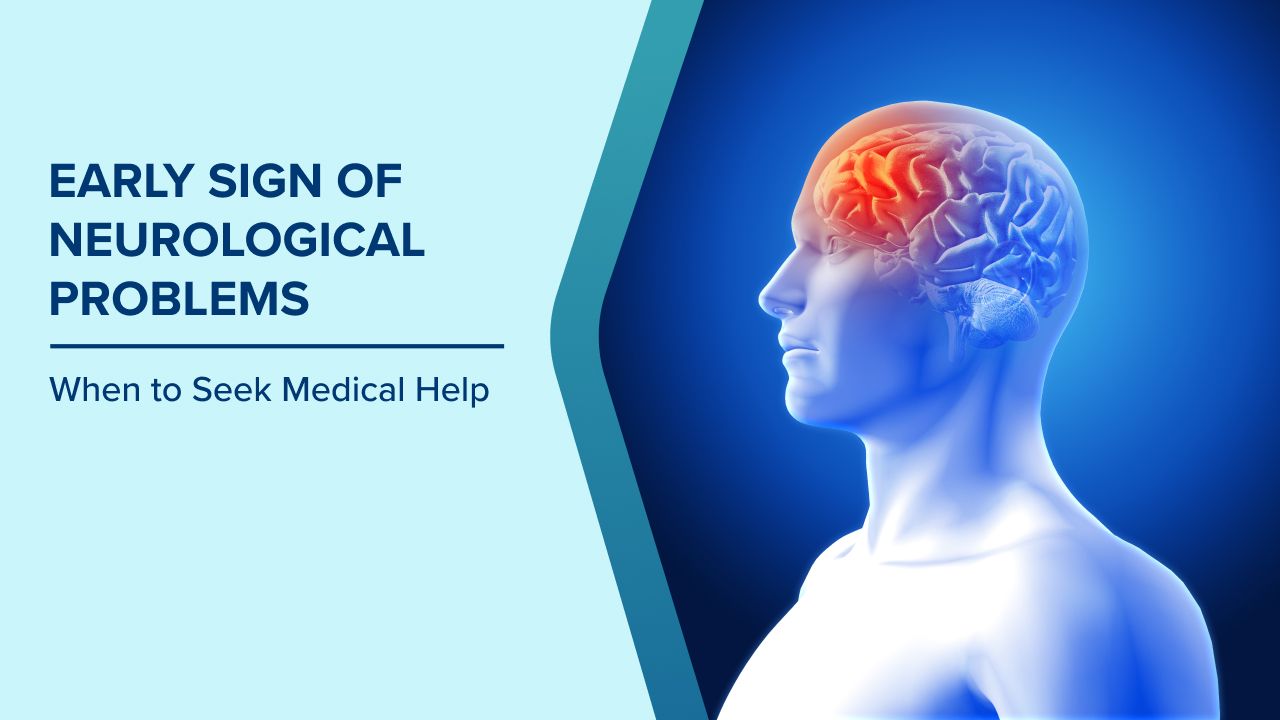
The brain and nervous system control everything we do, from movement and memory to emotions and vital body functions. Even minor disruptions can affect daily life in ways that are often attributed to stress, fatigue, or ageing. However, many neurological conditions begin subtly. Recognising early warning signs can make a critical difference in diagnosis, treatment outcomes, and long-term quality of life.
Understanding the Brain and Nervous System
The nervous system has two primary components. The central nervous system comprises the brain and spinal cord, whereas the peripheral nervous system consists of nerves that carry signals between the brain and spinal cord and the rest of the body.
Working together, these systems control movement, sensation, speech, vision, thinking, balance, and the functioning of internal organs. When nerve communication is disrupted by injury, compression, inflammation, or gradual degeneration, symptoms typically develop. They may begin subtly but can worsen over time if left unaddressed.
Persistent Headaches That Feel Different
Headaches are common, but not all headaches are harmless. Certain patterns should raise concern.
Warning signs include:
- Headaches that are new or worsening over time
- Pain that feels unusually intense or persistent
- Headaches accompanied by nausea, vomiting, or vision changes
- Pain that is worse in the morning or wakes you from sleep
Such headaches may point to increased pressure inside the skull, inflammation, or other neurological causes rather than routine tension headaches.
Numbness, Tingling, or Loss of Sensation
Occasional tingling after sitting awkwardly is normal. However, frequent or unexplained numbness is not.
Red flags include:
- Persistent tingling in hands or feet
- Loss of sensation on one side of the body
- A pins and needles feeling without clear cause
- Numbness spreading gradually
These symptoms may indicate nerve compression, peripheral neuropathy, or issues affecting the brain or spinal cord.
Muscle Weakness or Loss of Coordination
Weakness that does not improve with rest deserves attention.
Early signs include:
- Difficulty lifting objects
- Frequent dropping of items
- Trouble climbing stairs
- Loss of grip strength
Problems with coordination, such as clumsiness, unsteady walking, or frequent falls, may reflect damage to nerves, the spinal cord, or areas of the brain responsible for balance and movement.
Sudden Changes in Speech or Vision
Speech and vision are controlled by specific areas of the brain. Any sudden change should be treated as urgent.
Warning signs include:
- Slurred or slow speech
- Difficulty finding words
- Blurred or double vision
- Sudden loss of vision in one or both eyes
These symptoms can signal reduced blood flow, nerve damage, or pressure on brain structures and require immediate evaluation.
Memory Issues Beyond Normal Forgetfulness
Everyone forgets things occasionally, but certain memory changes are not normal.
Concerning signs include:
- Repeatedly asking the same questions
- Getting lost in familiar places
- Difficulty following conversations
- Trouble performing routine tasks
Early memory problems can be linked to neurological conditions, metabolic issues, or structural brain changes.
Unexplained Dizziness or Balance Problems
Feeling dizzy once in a while is common, but ongoing balance problems are not.
Watch for:
- Frequent episodes of dizziness
- A spinning sensation
- Difficulty standing or walking straight
- Feeling pulled to one side
These symptoms may involve the inner ear, brainstem, or nerves responsible for balance.
Chronic Pain With No Clear Cause
Nerve-related pain often feels different from muscle or joint pain.
Typical features include:
- Burning or shooting pain
- Pain that follows a nerve path
- Sensitivity to touch
- Pain without visible injury
Such discomfort may suggest nerve inflammation, compression, or damage.
Changes in Mood, Behaviour, or Personality
The brain also regulates emotions and behaviour. Subtle changes are sometimes noticed by family members before the individual realises them.
Signs to watch for:
- Sudden mood swings
- Irritability or apathy
- Anxiety or low mood without a clear reason
- Changes in sleep patterns
These symptoms may be linked to neurological conditions rather than purely emotional causes.
Seizures or Episodes of Loss of Awareness
Any seizure, even a single episode, should never be ignored.
Possible warning signs include:
- Sudden staring spells
- Brief loss of awareness
- Involuntary jerking movements
- Confusion after an episode
Seizures can arise from abnormal electrical activity in the brain and require proper evaluation.
Bladder or Bowel Control Issues
Unexpected changes in bladder or bowel control can indicate nerve involvement.
Concerning symptoms include:
- Sudden urgency or inability to hold urine
- Difficulty starting urination
- Loss of bowel control
- Reduced sensation during elimination
These signs may indicate spinal cord or nerve pathway pathology.
Why Early Diagnosis Matters
Many brain and nerve disorders are progressive. Early diagnosis allows timely treatment, slows disease progression, and helps preserve function.
Ignoring early signs can lead to:
- Permanent nerve damage
- Reduced mobility
- Cognitive decline
- Lower quality of life
Prompt medical attention improves outcomes and expands treatment options.
When You Should See a Doctor Immediately
Seek medical care without delay if you experience:
- Sudden weakness on one side of the body
- Difficulty speaking or understanding speech
- Severe headache with vomiting or confusion
- Sudden vision loss
- Seizures
These symptoms may indicate a neurological emergency.
Conclusion
The body often gives early warnings when something is wrong with the brain or nervous system. Paying attention to these signals and seeking timely medical advice can prevent long-term complications and protect overall well-being.
If symptoms feel unusual, persistent, or progressive, it is always safer to get them evaluated rather than ignore them. Early action can make all the difference.
FAQs
Are brain and nerve problems always serious?
Not always. Some symptoms may be caused by temporary or treatable conditions, but evaluation is important to rule out serious causes.
Can stress cause neurological symptoms?
Stress can worsen symptoms, but persistent neurological signs should not be attributed to stress alone without proper assessment.
Do nerve problems always cause pain?
No, some nerve conditions cause numbness, weakness, or loss of sensation without pain.
Are neurological conditions only seen in older adults?
No, brain and nerve disorders can affect people of all ages, including young adults and children.
Can lifestyle habits affect nerve health?
Yes, factors like poor nutrition, lack of sleep, and uncontrolled medical conditions can impact nerve function over time.
Written and Verified by:

Related Blogs

Dr. Sanjeev Kumar Gupta In Neurosurgery , Neurosciences
Jun 30 , 2016 | 2 min read

Dr. Sonal Gupta In Neurosurgery , Neurosciences
Jul 20 , 2016 | 2 min read
Blogs by Doctor


Head Injury: Symptoms, Causes & When to Call for Emergency Help
Dr. Amitabh Goel In Neurosurgery , Neurosciences
Jan 27 , 2025 | 7 min read
Most read Blogs


Related Blogs
Dr. Sanjeev Kumar Gupta In Neurosurgery , Neurosciences
Jun 30 , 2016 | 2 min read
Dr. Sonal Gupta In Neurosurgery , Neurosciences
Jul 20 , 2016 | 2 min read
Blogs by Doctor
Head Injury: Symptoms, Causes & When to Call for Emergency Help
Dr. Amitabh Goel In Neurosurgery , Neurosciences
Jan 27 , 2025 | 7 min read
Most read Blogs