 WhatsApp Us (24/7)
 +91 926 888 0303 (24/7)


To Book an Appointment
Call us+91 926 888 0303To Book an Appointment
Call us+91 926 888 0303Recent Articles
Sarcoma: Symptoms, Types, and When to See a Doctor
When it comes to rare cancers, sarcoma often goes unnoticed until it becomes advanced. Yet recognising its types and early symptoms can make all the difference in seeking timely care and improving outcomes. Whether it’s a soft tissue sarcoma or a bone sarcoma like osteosarcoma or Ewing’s sarcoma, early awareness is key.
Dr. S. M. Shuaib Zaidi In Surgical Oncology Cancer Care / Oncology Gynecologic Oncology Head & Neck Oncology Robotic Surgery
Jan 02 , 2026 | 4 min read
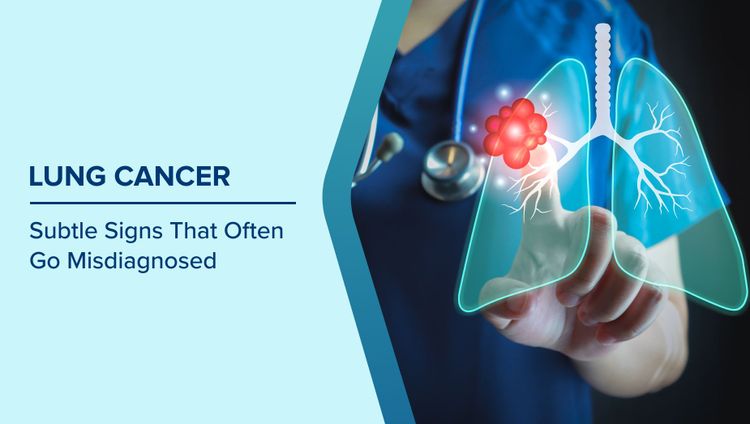
Lung Cancer: Subtle Signs That Often Go Misdiagnosed
Lung cancer is often described as a silent disease, not because it lacks symptoms, but because its earliest signs are often dismissed as ordinary health issues. Many people ignore the early clues, mistaking them for allergies, a lingering cold, or the natural effects of ageing.
Dr. Nitin Leekha In Surgical Oncology Cancer Care / Oncology Breast Cancer Thoracic Oncology Head & Neck Oncology
Nov 26 , 2025 | 6 min read
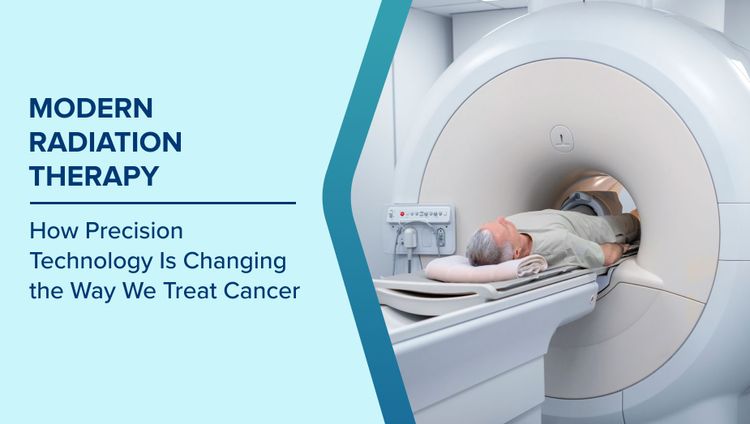
Modern Radiation Therapy: How Precision Technology Is Changing the Way We Treat Cancer
When people hear the words “radiation therapy,” many imagine an intense treatment that harms healthy tissue along with cancer. But today’s reality is very different. Modern radiation oncology has become highly focused, gentle on healthy organs, and remarkably accurate. With advanced imaging and sophisticated planning, radiation therapy now works like a skilled marksman, delivering treatment exactly where it’s needed while keeping surrounding areas safe.
Dr Manish Bhushan Pandey In Radiation Oncology Urology Cancer Care / Oncology Head & Neck Oncology Neuro Oncology
Nov 25 , 2025 | 2 min read
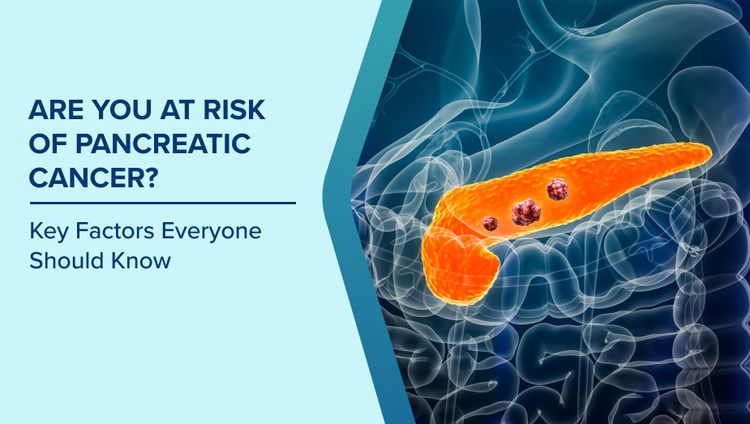
Are You at Risk of Pancreatic Cancer? Key Factors Everyone Should Know
Pancreatic cancer is among the most difficult types of cancer to identify in its early stages. It develops deep inside the abdomen and often shows no clear signs until it has progressed significantly. Therefore, understanding the risk factors is essential for prevention and timely diagnosis. Knowing what increases your risk allows you to take steps that could make a real difference to your long-term health.
Dr. Sameer Khatri In Medical Oncology Cancer Care / Oncology Head & Neck Oncology Gastrointestinal & Hepatobiliary Oncology
Nov 14 , 2025 | 2 min read
Most read blogs

Loose motions or Diarrhea is one of the most common ailments across every age group – from infants and mothers to the elderly. Diarrhea is the frequent passage of watery or loose stools across irregular intervals. There are many possible causes of Diarrhea. These include allergies, food poisoning, infections, and stress. As such, Diarrhea is merely a symptom of one of many possible causes. Most of the time, loose motions is not a serious problem and can be treated at home. Below, we've outlined 3 simple h
Max Team In Internal Medicine
Feb 22 , 2018 | 2 min read

To make sure that what you eat helps your body and also helps you stay interested, spread out your food through the day by following different food ideas. You can mix and match the following depending on how much you can eat and whether you are vegetarian or non vegetarian.
Max Team In Obstetrics And Gynaecology Nutrition And Dietetics
Nov 07 , 2020 | 2 min read
When you have loose motions, the most effective way to return to full health is by changing your diet. There are many foods which can help you to soothe your stomach, but there are some foods that can irritate your stomach. We'll proceed by listing out some of the things that you should and shouldn't do when you have loose motions.
Max Team In Internal Medicine
Mar 21 , 2018 | 2 min read

Many people think that squint is a permanent condition and cannot be corrected. But the truth is that eyes can be straightened at any age. Commonly known as “Strabismus”, where the eyes are not aligned in the same direction, this can be present only part of the time, in one or alternating between two eyes. The squinting may turn in (converge), turn out (diverge) or sometimes turn up or down.
Max Team In Ophthalmology Eye Care / Ophthalmology
Nov 13 , 2020 | 2 min read
Breast Cancer Risk: How Much Is in Your Genes and How Much Is in Your Lifestyle
When it comes to breast cancer, one question often stands out, how much of your risk comes from your genes, and how much from your daily choices? The truth is, both genetics and lifestyle play important roles, but understanding how they interact can help you make smarter decisions about your health.
Dr Anadi Pachaury In Surgical Oncology Cancer Care / Oncology Breast Cancer Head & Neck Oncology Gastro Intestinal & Hepatopancreatobiliary Surgical Oncology Robotic Surgery
Nov 06 , 2025 | 4 min read
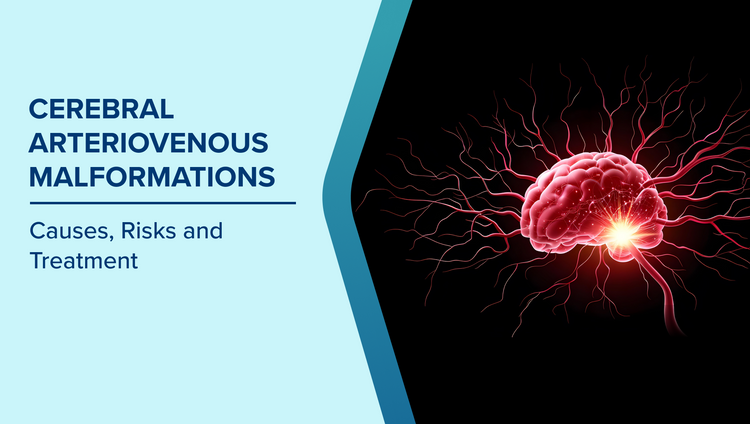
Cerebral Arteriovenous Malformations: Causes, Risks and Treatment
Cerebral Arteriovenous Malformations (AVM) are rare vascular entities with devastating consequences. They are a congenital collection of improperly formed irregular vessels forming a nidus, mainly in the brain that shunts arterial blood at high pressure directly to the venous drainage system leading to life threatening risk of hemorrhage, neurological deficits or seizures. The nidus is defined as the convergence of feeding arteries from which enlarged draining veins emerge.
Dr. Rajender Kumar In Radiation Oncology Cancer Care / Oncology Head & Neck Oncology
Aug 28 , 2025 | 7 min read
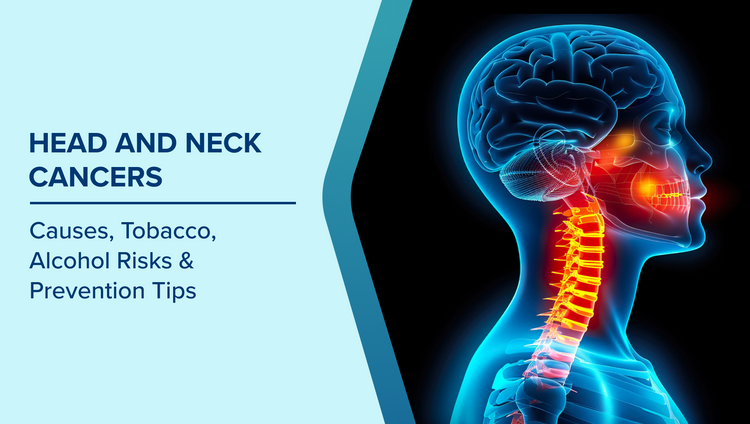
Head and Neck Cancers: Causes, Tobacco & Alcohol Risks & Prevention Tips
Head and neck cancers are among the most common cancers worldwide, and their cases continue to increase. These cancers can affect areas such as the mouth, throat, voice box, nasal cavity, and sinuses. A major share of these cases is connected to lifestyle choices, especially tobacco and alcohol use. While many people are aware of the harmful effects of these habits, the specific link between them and head and neck cancers is not always well understood. Gaining clarity on this connection is important, as it can help people take steps to prevent largely avoidable cancers.
Dr. Shilpi Sharma In Surgical Oncology Cancer Care / Oncology Head & Neck Oncology
Aug 25 , 2025 | 3 min read
What is Scarless Thyroidectomy: Purpose, Complications & Advantages
Thyroid-related diseases are common worldwide. Most of these conditions are benign and not dangerous. However, about 5% of thyroid disorders can be malignant and require surgical treatment. Non-cancerous or benign thyroid swellings are typically monitored unless they become cosmetically bothersome or compress the food pipe or windpipe. Surgery for such benign swellings is considered under these circumstances.
Dr. Akshat Malik In Surgical Oncology Cancer Care / Oncology Head & Neck Oncology Robotic Surgery
Jun 19 , 2025 | 2 min read
By Specialities
- Aesthetic And Reconstructive Surgery
- Allergy
- Anaesthesia
- Arthroscopic Surgery
- Arthroscopy & Sports Injury
- Audiology
- Ayurveda Medicine
- Bariatric Surgery / Metabolic
- Bone Marrow Transplant
- Breast Cancer
- Cancer Care / Oncology
- Cardiac Anesthesia
- Cardiac Electrophysiology-Pacemaker
- Cardiac Sciences
- Cardiac Surgery
- Cardiac Surgery (CTVS)
- Cardiology
- Child Development Clinic
- Clinical Psychology
- Critical Care
- Dental Care
- Department of General Surgery and Robotics
- Dermatology
- Diabesity Clinic
- Diabetes Educator
- Dietetics
- Emergency & Trauma
- Emergency Medicine
- Endocrinology & Diabetes
- Endodontist & Cosmetic Dentist
- ENT
- ENT(Ear Nose Throat)
- Eye Care / Ophthalmology
- Foetal Medicine
- Gastro Intestinal & Hepatopancreatobiliary Surgical Oncology
- Gastroenterology, Hepatology & Endoscopy
- Gastrointestinal & Hepatobiliary Oncology
- Gastrointestinal Surgery
- General Surgery
- Gynaecologic Laparoscopy
- Gynecologic Oncology
- Haematology
- Hair Transplant
- Hand & Limb Reconstruction
- Head & Neck Oncology
- Health And Wellness
- Hematology
- Hematology Oncology
- Infertility & IVF
- Institute of Laparoscopic, Endoscopic & Bariatric Surgery
- Internal Medicine
- Interventional Cardiology
- Interventional Neurology
- Interventional Radiology
- Kidney Transplant
- Laboratory Medicine / Pathology
- Laparoscopic / Minimal Access Surgery
- Liver Transplant and Biliary Sciences
- Lung Transplant
- Maternity
- Maxillofacial Surgery and Implantology
- Medical & Surgical Gastroenterology
- Medical Oncology
- Mental Health And Behavioural Sciences
- Metabolic And Bariatric Surgery
- Molecular Oncology & Cancer Genetics
- Musculoskeletal Oncology
- Musculoskeletal Surgical Oncology
- Neonatology
- Nephrology
- Neuro Oncology
- Neurology
- Neurosciences
- Neurosurgery
- Nuclear Medicine
- Nutrition And Dietetics
- Obstetrics And Gynaecology
- Oncology Reconstructive Surgery
- Ophthalmology
- Orthopaedics & Joint Replacement
- Paediatric (Ped) Cardiac Surgery
- Paediatric (Ped) Cardiology
- Paediatric (Ped) Endocrinology
- Paediatric (Ped) Gastroenterology
- Paediatric (Ped) Hematology
- Paediatric (Ped) Intensive Care
- Paediatric (Ped) Nephrology
- Paediatric (Ped) Neurology
- Paediatric (Ped) Neurosurgery
- Paediatric (Ped) Oncology
- Paediatric (Ped) Pulmonology
- Paediatric (Ped)/Medical Oncology
- Paediatric Haematology
- Paediatrics (Ped)
- Pain Management
- Palliative Care
- Periodontology
- Physiotherapy & Rehabilitation Medicine
- Psychiatry
- Pulmonology
- Radiation Oncology
- Radiology
- Rheumatology
- Robotic Joint Replacement
- Robotic Surgery
- Spine Surgery
- Surgical Oncology
- Thoracic Oncology
- Thoracic Oncology Surgery
- Thoracic Surgery
- Transfusion Medicine
- Uro-Oncology
- Urology
- Vascular Surgery