 WhatsApp Us (24/7)
 +91 926 888 0303 (24/7)


To Book an Appointment
Call Us+91 926 888 0303Head and Neck Cancers: Causes, Tobacco & Alcohol Risks & Prevention Tips
By Dr. Shilpi Sharma in Surgical Oncology , Cancer Care / Oncology , Head & Neck Oncology
Aug 25 , 2025 | 3 min read

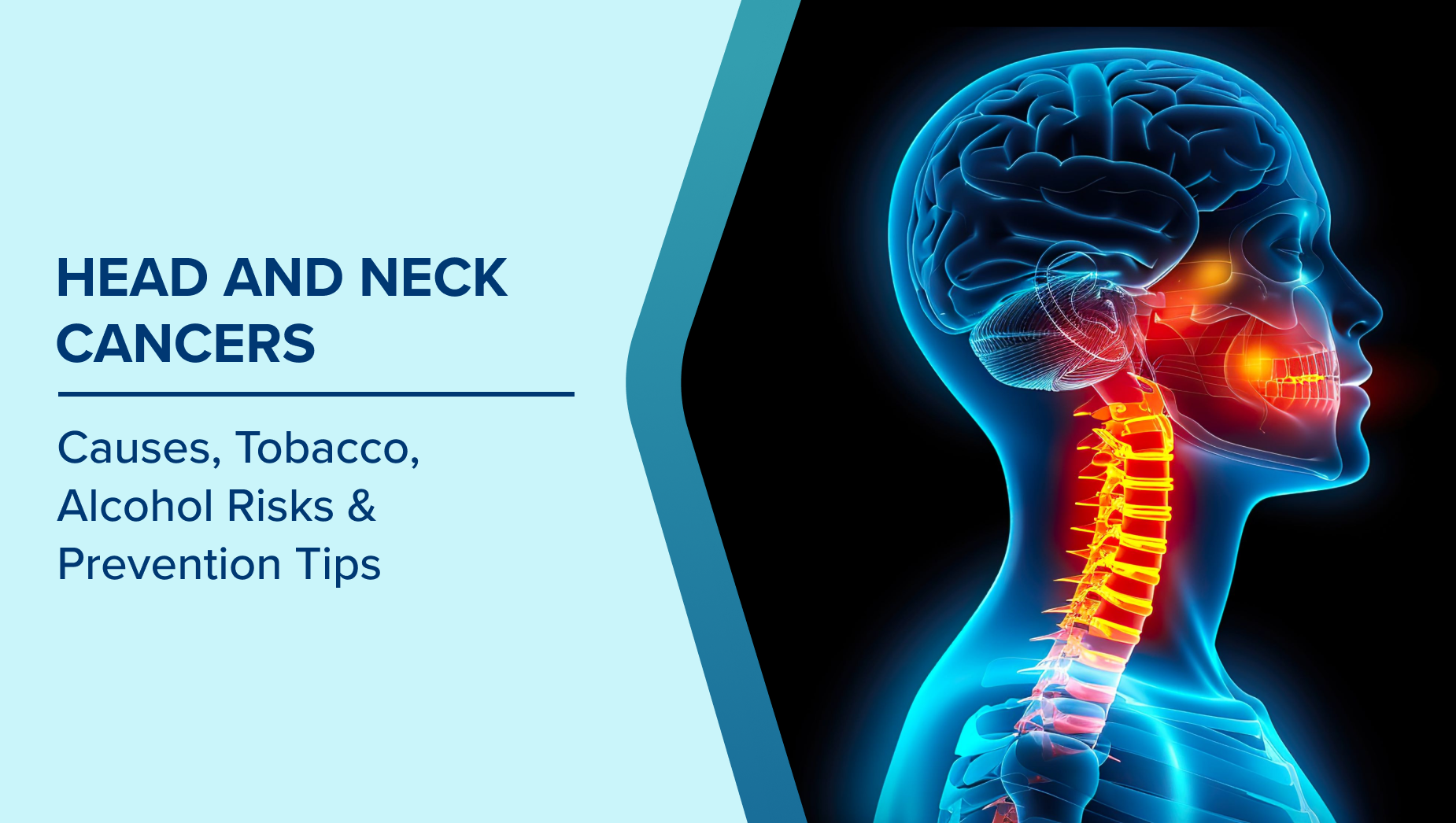
Head and neck cancers are among the most common cancers worldwide, and their cases continue to increase. These cancers can affect areas such as the mouth, throat, voice box, nasal cavity, and sinuses. A major share of these cases is connected to lifestyle choices, especially tobacco and alcohol use. While many people are aware of the harmful effects of these habits, the specific link between them and head and neck cancers is not always well understood. Gaining clarity on this connection is important, as it can help people take steps to prevent largely avoidable cancers.
What Are Head and Neck Cancers?
Head and neck cancers include a group of cancers that often begin in the cells lining the mouth, throat, or nasal passages. The most common forms are cancers of the oral cavity, pharynx, larynx, and nasal region. Symptoms may include a sore throat that does not go away, difficulty swallowing, hoarseness in the voice, or unexplained lumps in the neck. Recognising risk factors is the first step in reducing the chances of these cancers.
Tobacco and Its Role in Head and Neck Cancer Causes
Tobacco use is the leading cause of head and neck cancers. Whether it is smoking in the form of cigarettes, cigars, or hookah, or smokeless use such as chewing tobacco, gutka, or paan, all forms contain harmful chemicals that damage cells in the mouth and throat. Over time, this damage can lead to uncontrolled cell growth and eventually cancer.
Smokeless tobacco is often thought of as a safer alternative, but it carries the same dangers. People who consume it regularly are at a much higher risk of developing oral cancers and gum disease.
Alcohol Consumption and Cancer Risk
Alcohol is another major contributor to head and neck cancers. Regular drinking irritates the delicate tissues of the mouth and throat, making them more prone to damage. The more often alcohol is consumed, the greater the risk.
Alcohol also plays a role in helping harmful chemicals from tobacco penetrate more deeply into tissues, causing even more damage. Even on its own, alcohol increases the likelihood of cancers of the mouth, throat, and voice box.
Combined Effect of Tobacco and Alcohol
When tobacco and alcohol are used together, the risks multiply. People who both drink and smoke are far more likely to develop head and neck cancers compared to those who use only one of these substances. This is because alcohol increases the absorption of tobacco toxins, while tobacco worsens the cell damage caused by alcohol. Together, they create conditions that make the development of cancer much more likely.
Prevention, Awareness and Lifestyle Changes
The encouraging news is that many cases of head and neck cancers can be prevented. Simple lifestyle changes go a long way in lowering risk:
- Quit tobacco completely: No form of tobacco is safe. Stopping its use at any point reduces future risk.
- Reduce or avoid alcohol: Cutting back on alcohol or giving it up lowers the chances of cancers in the mouth and throat.
- Follow a healthy diet: A balanced diet rich in fruits, vegetables, and whole grains supports immunity and overall health.
- Go for regular check-ups: Persistent mouth sores, throat irritation, or changes in the voice should not be ignored. Early medical advice can save lives.
- Support awareness: Health education and awareness in the community help more people understand the dangers of tobacco and alcohol.
Conclusion
The link between tobacco, alcohol, and head and neck cancers is clear. Both habits increase the risk on their own, and when combined, they raise the danger many times more. The positive side is that most of these cancers are preventable with timely lifestyle changes. By giving up tobacco, limiting alcohol, and choosing healthier habits, individuals can significantly lower their risk and protect their long-term health.
Frequently Asked Questions
Can head and neck cancers develop without tobacco or alcohol use?
Yes, while tobacco and alcohol are the most significant causes, other factors such as viral infections, poor oral hygiene, or inherited risks can also contribute.
Are vaping and e-cigarettes safe alternatives?
Vaping and e-cigarettes still contain harmful substances that can irritate the mouth and throat. Their long-term effects are not fully known, but they are not risk-free.
How can family members help someone quit tobacco or alcohol?
Support from family makes a big difference. Encouraging healthier choices, being patient, and suggesting professional help or support groups can be very effective.
Do herbal or natural remedies help prevent these cancers?
Some natural remedies may promote general health, but they cannot replace proven preventive measures. Quitting tobacco and reducing alcohol remain the most effective steps.
Can these cancers be detected early?
Yes, regular visits to head and neck cancer specialists can often identify early signs before the disease becomes advanced. Early detection leads to better treatment outcomes.
Written and Verified by:

Related Blogs

Dr. S. VEDA PADMA PRIYA In Surgical Oncology , Cancer Care / Oncology
May 16 , 2016 | 2 min read

Dr. Kanika Batra Modi In Surgical Oncology , Cancer Care / Oncology
May 26 , 2016 | 4 min read
Blogs by Doctor

Tobacco's Impact on Health: Hidden Effects on Body and Mind
Dr. Shilpi Sharma In Surgical Oncology , Cancer Care / Oncology , Head & Neck Oncology
Jun 03 , 2025 | 4 min read
Most read Blogs


Related Blogs
Dr. S. VEDA PADMA PRIYA In Surgical Oncology , Cancer Care / Oncology
May 16 , 2016 | 2 min read
Dr. Kanika Batra Modi In Surgical Oncology , Cancer Care / Oncology
May 26 , 2016 | 4 min read
Blogs by Doctor
Tobacco's Impact on Health: Hidden Effects on Body and Mind
Dr. Shilpi Sharma In Surgical Oncology , Cancer Care / Oncology , Head & Neck Oncology
Jun 03 , 2025 | 4 min read
Most read Blogs