 WhatsApp Us (24/7)
 +91 926 888 0303 (24/7)


To Book an Appointment
Call Us+91 926 888 0303Lump or Swelling: Signs, Risk, Cause & Treatment
By Dr Rajeev Mohan Seth in General Surgery
Apr 15 , 2026 | 7 min read
8

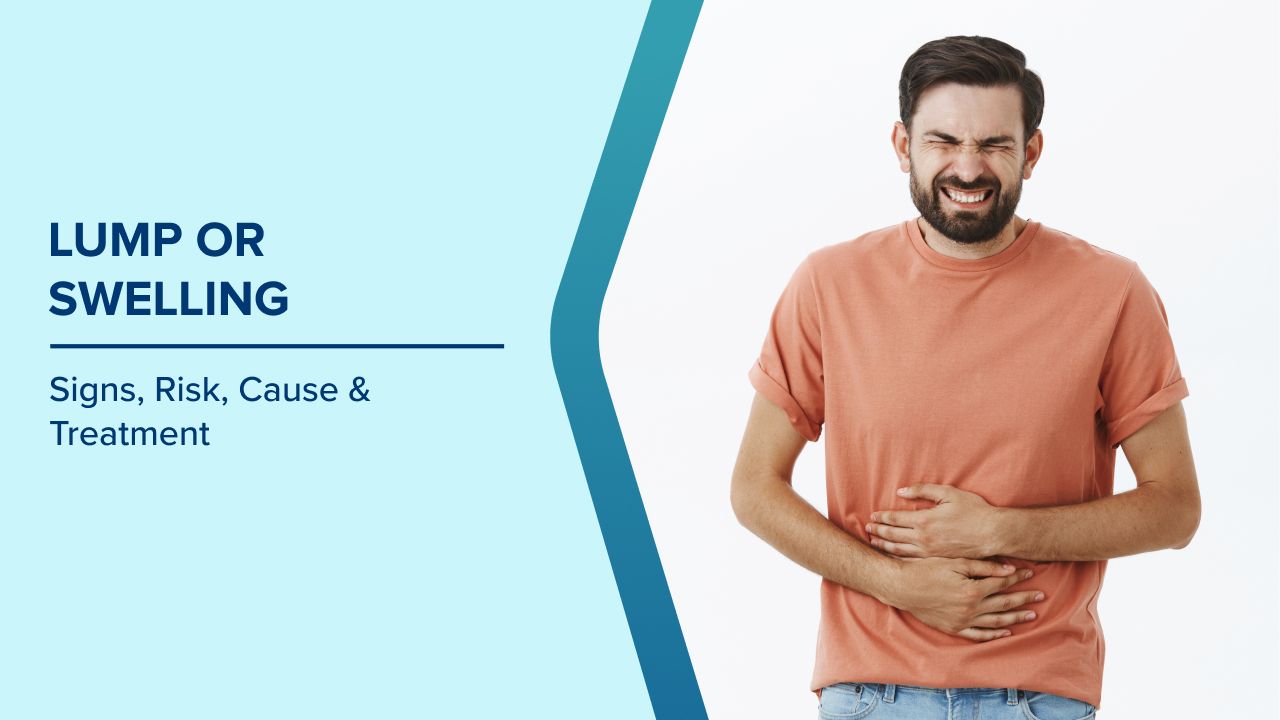
A sudden lump or swelling in the abdomen or groin can be alarming. While many people ignore it, thinking it is temporary, such a swelling may indicate a hernia, a common medical condition that requires timely evaluation and treatment. At Max Hospital, Gurugram, specialists frequently diagnose and treat hernias using advanced surgical techniques, helping patients recover quickly and return to their normal lives.
Understanding the signs and risks of a hernia can help you seek medical care at the right time.
What Is a Hernia?
A hernia occurs when an internal organ or fatty tissue pushes through a weak spot in the surrounding muscle or connective tissue. This often leads to a visible lump or swelling, most commonly in the abdomen or groin area.
Hernias do not usually heal on their own and may gradually enlarge if left untreated. In some cases, they can lead to complications that require urgent medical attention.
Common Types of Hernias
Several types of hernias can cause a noticeable lump or swelling. The most common include:
- Inguinal Hernia: This occurs in the groin area when tissue pushes through a weak spot in the abdominal muscles. It is the most common type and occurs more frequently in men.
- Umbilical Hernia: This appears near the belly button and is often seen in infants, but it can also affect adults, especially those who are overweight or have had multiple pregnancies.
- Incisional Hernia: This type develops through a scar from a previous abdominal surgery, where the muscle wall has weakened.
- Hiatal Hernia: In this case, part of the stomach pushes up through the diaphragm into the chest cavity.
Signs and Symptoms to Watch For
A hernia often presents with clear physical symptoms. Some common warning signs include:
- A visible lump or swelling in the abdomen or groin
- Pain or discomfort, especially when lifting heavy objects, coughing, or bending
- A feeling of pressure or heaviness in the affected area
- Burning or aching sensation around the lump
- Swelling that disappears when lying down
In some cases, hernias may not cause severe pain initially, which is why they can go unnoticed for a long time.
When Is a Hernia an Emergency?
While many hernias develop gradually, certain symptoms require immediate medical attention. Seek urgent care if you experience:
- Suddenly, severe pain in the lump area
- A lump that becomes hard, tender, or cannot be pushed back in
- Nausea, vomiting, or fever
- Redness or discolouration around the swelling
These symptoms may indicate a strangulated hernia, a serious condition where blood supply to the trapped tissue is cut off.
Causes and Risk Factors
Hernias often result from a combination of muscle weakness and strain. Several factors can increase the risk, including:
- Heavy lifting
- Chronic coughing
- Obesity
- Pregnancy
- Previous abdominal surgery
- Persistent constipation and straining
- Ageing and muscle weakening
Understanding these risk factors can help in prevention and early detection.
How Hernias Are Diagnosed
Doctors at Max Hospital, Gurugram, typically diagnose hernias through:
- Physical examination
- Ultrasound or CT scans, if needed
- Evaluation of symptoms and medical history
Early diagnosis helps determine the best treatment plan and prevents complications.
Treatment Options for Hernia
Unlike many minor swellings, hernias do not resolve on their own. Surgery is usually recommended to repair the weakened muscle wall. Treatment options may include:
- Open Hernia Repair: The surgeon makes an incision to push the tissue back into place and strengthens the muscle wall with stitches or mesh.
- Laparoscopic Hernia Surgery: A minimally invasive procedure using small incisions and a camera. This approach often results in less pain, smaller scars, and faster recovery.
At Max Hospital, Gurugram, surgeons use advanced surgical techniques to ensure safe and effective hernia repair.
When Should You See a Doctor?
If you notice a persistent lump, swelling, or discomfort in your abdomen or groin, it is important to consult a specialist. Early medical evaluation can prevent complications and simplify treatment.
Ignoring a hernia may allow it to grow larger and increase the risk of serious conditions.
Expert Hernia Care at Max Hospital, Gurugram
Max Hospital, Gurugram, offers comprehensive diagnosis and advanced surgical care for hernias. With experienced surgeons, modern technology, and patient-focused care, the hospital provides effective treatment tailored to each patient’s needs.
If you notice an unusual lump or swelling, seeking timely consultation can make all the difference.
Conclusion
A lump or swelling in the abdomen or groin should never be ignored. While it may seem minor at first, it could be a sign of a hernia that requires medical attention. Early diagnosis and treatment can prevent complications and ensure a smoother recovery.
If you are experiencing symptoms, consulting the experts at Max Hospital, Gurugram can help you receive the right diagnosis and care at the right time.
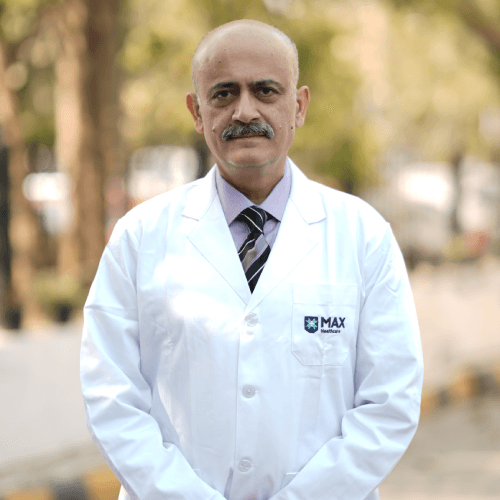
Written and Verified by:
Related Blogs

Medical Expert Team
Oct 20 , 2015 | 1 min read
Dr. Vishwas Sharma In General Surgery
Apr 23 , 2015 | 1 min read
Blogs by Doctor

Most read Blogs


Related Blogs
Medical Expert Team
Oct 20 , 2015 | 1 min read
Dr. Vishwas Sharma In General Surgery
Apr 23 , 2015 | 1 min read
Blogs by Doctor
Most read Blogs