 WhatsApp Us (24/7)
 +91 926 888 0303 (24/7)


To Book an Appointment
Call Us+91 926 888 0303Are You at Risk of Pancreatic Cancer? Key Factors Everyone Should Know
By Dr. Sameer Khatri in Medical Oncology , Cancer Care / Oncology , Head & Neck Oncology , Gastrointestinal & Hepatobiliary Oncology
Nov 14 , 2025 | 2 min read

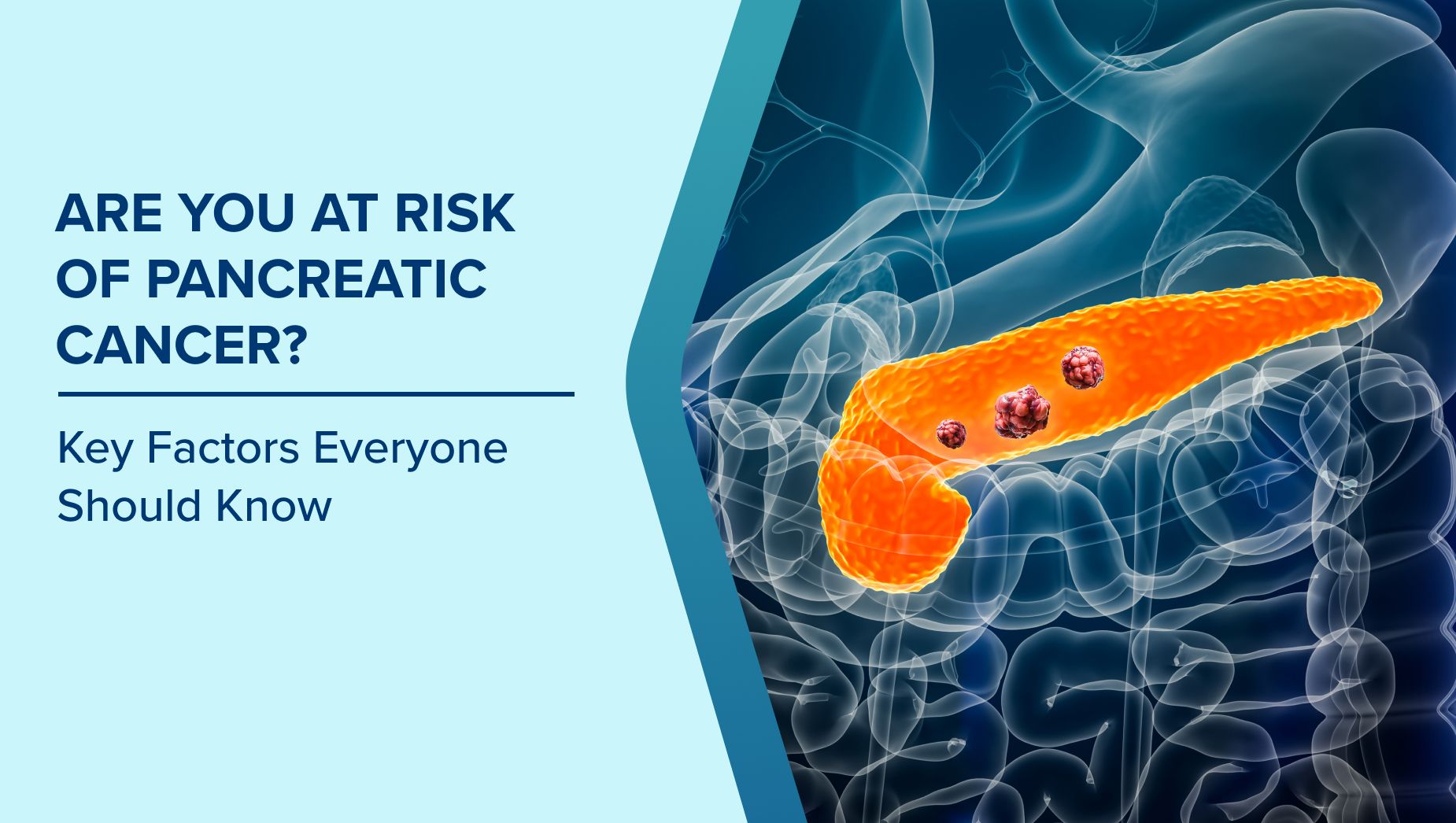
Pancreatic cancer is among the most difficult types of cancer to identify in its early stages. It develops deep inside the abdomen and often shows no clear signs until it has progressed significantly. Therefore, understanding the risk factors is essential for prevention and timely diagnosis.
While some risk factors are beyond your control, such as age or family history, many others relate to lifestyle and can be modified.
The Role of the Pancreas and Why Cancer Here Is Complex
The pancreas is a small but essential organ located behind the stomach. It produces digestive enzymes and releases hormones such as insulin that control blood sugar levels.
Pancreatic cancer tends to grow quietly, making awareness of risk factors important. Detecting it early offers the best chance of successful treatment.
Who Is at Risk? Key Factors to Know
Pancreatic cancer can develop in anyone, but some people are at a greater risk than others.
Genetic Predisposition and Family History
A family history of pancreatic cancer significantly raises the risk. Certain inherited genetic changes can also make individuals more susceptible.
Lifestyle-Related Risks
Smoking remains a leading contributor. Unhealthy diets high in processed foods and red meat can also increase risk. A balanced diet rich in fruits and vegetables supports pancreatic health.
Being overweight, insulin resistance, and long-term alcohol use also increase risk.
Medical Conditions That Increase Risk
People with long-standing diabetes have a slightly higher risk. Chronic pancreatitis is another significant factor.
Age and Gender Factors
Pancreatic cancer is more common in people over 60. Men have a slightly higher risk.
Occupational and Environmental Exposure
Exposure to chemicals such as pesticides and petroleum compounds can increase cancer risk.
How Lifestyle and Everyday Choices Influence Risk
- Quit smoking: Stopping tobacco use significantly lowers risk.
- Maintain a healthy weight: Helps reduce inflammation and improve insulin sensitivity.
- Eat wisely: Choose whole foods, fruits, vegetables, and whole grains.
- Limit alcohol: Helps prevent pancreatitis.
- Stay hydrated: Supports digestion and pancreatic function.
The Importance of Regular Health Monitoring
Routine check-ups help identify potential issues early. People with known risk factors may benefit from periodic imaging scans or blood tests.
If you notice symptoms such as persistent abdominal pain, jaundice, loss of appetite, or sudden weight loss, seek medical attention promptly.
Building Awareness and Reducing Fear
Awareness empowers individuals to act confidently. Discussing symptoms, family history, and lifestyle habits with a doctor can make a significant difference.
Conclusion
Understanding risk factors for pancreatic cancer helps with prevention. Many are manageable through lifestyle choices such as healthy eating, quitting smoking, staying active, and regular check-ups.
Frequently Asked Questions
1. Can pancreatic cancer occur without any known risk factors?
Yes, pancreatic cancer can sometimes occur without identifiable risks.
2. Does having diabetes always mean I will get pancreatic cancer?
No. But long-term, poorly controlled diabetes increases risk.
3. Are there early warning signs I should watch for?
Watch for abdominal pain, yellowing of skin/eyes, unexplained weight loss, or appetite changes.
4. Can diet really lower my risk of pancreatic cancer?
Yes. A balanced diet rich in fruits, vegetables, and whole grains supports digestive health.
5. Who should consider genetic testing for pancreatic cancer risk?
People with multiple family members who had pancreatic or related cancers should discuss genetic counselling.
Written and Verified by:

Related Blogs


Dr. Meenu Walia In Medical Oncology , Cancer Care / Oncology
Aug 02 , 2016 | 4 min read
Blogs by Doctor

Tobacco and Cancer: Understanding the Link and Taking Action
Dr. Sameer Khatri In Cancer Care / Oncology
Mar 03 , 2024 | 2 min read

Most read Blogs


Related Blogs
Dr. Meenu Walia In Medical Oncology , Cancer Care / Oncology
Aug 02 , 2016 | 4 min read
Blogs by Doctor
Tobacco and Cancer: Understanding the Link and Taking Action
Dr. Sameer Khatri In Cancer Care / Oncology
Mar 03 , 2024 | 2 min read
Most read Blogs