 WhatsApp Us (24/7)
 +91 926 888 0303 (24/7)


To Book an Appointment
Call us+91 926 888 0303To Book an Appointment
Call us+91 926 888 0303Recent Articles
Cancer Screening & Awareness: Importance & Early Detection
Cancer can have a major impact on individuals and families. However, early detection and timely treatment can make a major difference in outcomes. Cancer screening is a simple but important step that helps detect cancer at an early stage or even in a precancerous stage.
Dr Raghuram K In Surgical Oncology
Apr 08 , 2026
Breast Fibroids vs Breast Cancer: Symptoms, Causes, and Key Differences Explained
A lump in the breast can be worrying and is often the first sign that prompts many women to think about breast cancer. In several cases, however, the lump may turn out to be a breast fibroid, also known as a fibroadenoma, which is a non-cancerous growth in the breast tissue. Since both conditions can appear as a lump, it can be difficult to tell the difference without proper medical evaluation. Knowing how these two conditions differ can help women recognise warning signs and seek timely medical advice. This blog explains what breast Fibroadenomas and breast cancer are, their common symptoms, possible causes, and the key differences between them.
Dr Kanika Sharma In Surgical Oncology
Mar 26 , 2026
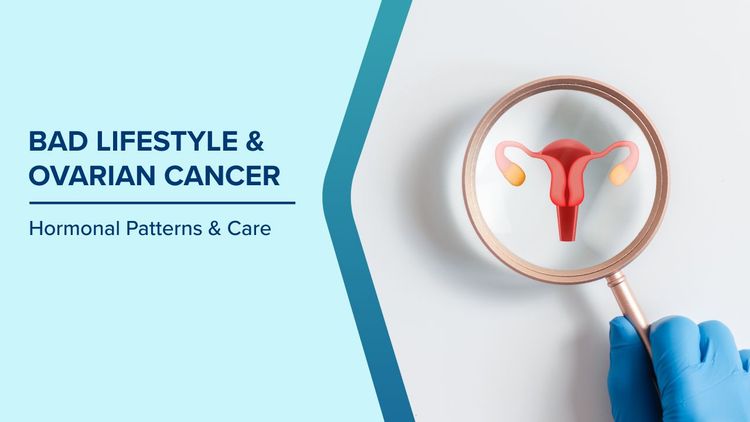
How Lifestyle Influences Ovarian Cancer: Hormonal Patterns & Care
Ovarian health is an important part of women’s wellbeing, yet conversations around ovarian cancer often focus only on symptoms or treatment. An equally important aspect is understanding which women may have a higher likelihood of developing the condition over time. Risk is rarely determined by a single factor. Instead, it is shaped by a combination of health patterns, reproductive history, lifestyle influences, and long-term changes within the body.
Dr Monisha Gupta In Surgical Oncology Cancer Care / Oncology Gynecologic Oncology Robotic Surgery
Mar 25 , 2026
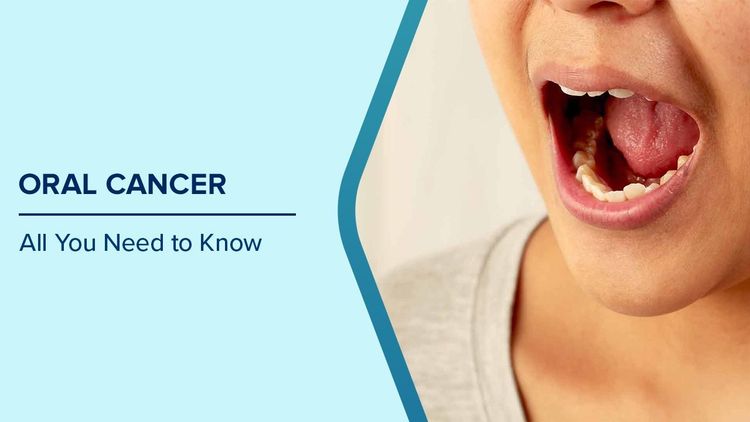
Oral Cancer: All You Need to Know
Oral Cancer mostly affects people above the age of 40 years but Dr. Sowrabh Kumar Arora , Principal Consultant, Surgical Oncology, Max Super Speciality Hospital, Vaishali , says, we have now come across several patients of younger age group also. Oral cancer is a type of head and neck cancer that can develop anywhere in the mouth. Oral cancer includes cancer of the tongue, gums, and lips, floor of the mouth, cheek and palate. If not detected and treated well in time, it can be fatal. The risk of oral cancer
Dr. Akshat Malik In Surgical Oncology Cancer Care / Oncology Head & Neck Oncology
Mar 24 , 2026 | 10 min read
Most read blogs

Loose motions or Diarrhea is one of the most common ailments across every age group – from infants and mothers to the elderly. Diarrhea is the frequent passage of watery or loose stools across irregular intervals. There are many possible causes of Diarrhea. These include allergies, food poisoning, infections, and stress. As such, Diarrhea is merely a symptom of one of many possible causes. Most of the time, loose motions is not a serious problem and can be treated at home. Below, we've outlined 3 simple h
Max Team In Internal Medicine
Feb 22 , 2018 | 10 min read

To make sure that what you eat helps your body and also helps you stay interested, spread out your food through the day by following different food ideas. You can mix and match the following depending on how much you can eat and whether you are vegetarian or non vegetarian.
Max Team In Obstetrics And Gynaecology Nutrition And Dietetics
Nov 07 , 2020 | 10 min read
When you have loose motions, the most effective way to return to full health is by changing your diet. There are many foods which can help you to soothe your stomach, but there are some foods that can irritate your stomach. We'll proceed by listing out some of the things that you should and shouldn't do when you have loose motions.
Max Team In Internal Medicine
Mar 21 , 2018 | 10 min read

Many people think that squint is a permanent condition and cannot be corrected. But the truth is that eyes can be straightened at any age. Commonly known as “Strabismus”, where the eyes are not aligned in the same direction, this can be present only part of the time, in one or alternating between two eyes. The squinting may turn in (converge), turn out (diverge) or sometimes turn up or down.
Max Team In Ophthalmology Eye Care / Ophthalmology
Nov 13 , 2020 | 10 min read
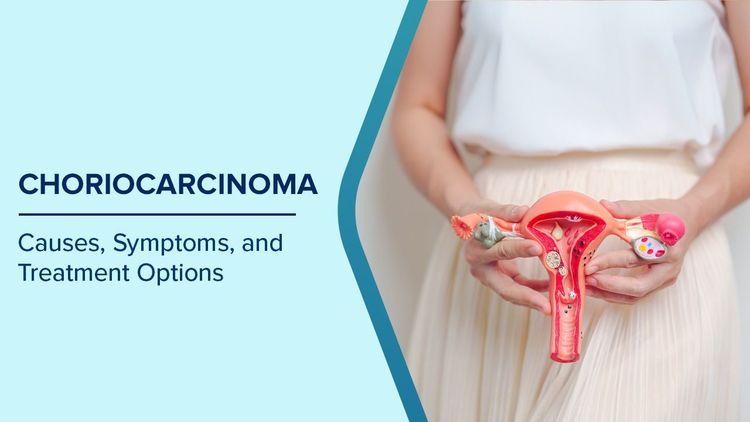
Choriocarcinoma: Causes, Symptoms, and Treatment Options
Choriocarcinoma is a rare cancer that most commonly develops from cells associated with pregnancy. In extremely rare cases, it can also arise from germ cells in the ovaries or testes. Receiving such a diagnosis during a time that often represents hope or new beginnings can be deeply unsettling. The reassuring aspect, however, is that choriocarcinoma is also one of the most curable cancers. Even when it has spread to other organs, treatment is highly effective and many individuals recover completely.
Dr. Kanika Batra Modi In Surgical Oncology
Mar 24 , 2026
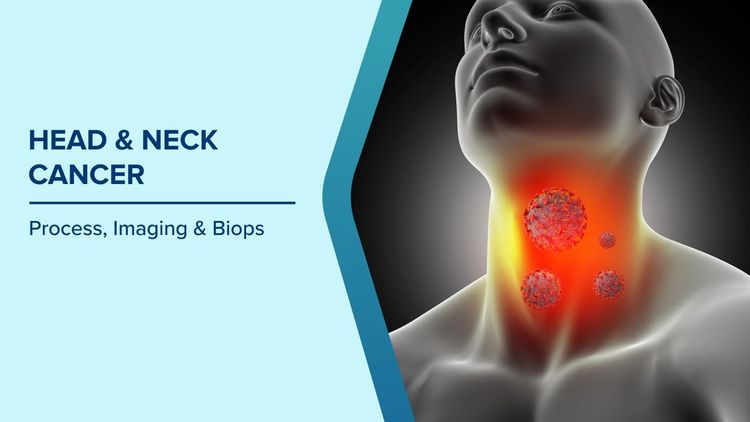
How Is Head & Neck Cancer Diagnosed: Process, Imaging & Biopsy
Receiving a cancer diagnosis is never easy. For many people, the most overwhelming part is not treatment but the uncertainty that comes before it. When symptoms persist, or something feels unusual in the head and neck region, the next question naturally becomes how doctors confirm whether it is cancer.
Dr Praveen Kumar Garg In Surgical Oncology
Mar 23 , 2026
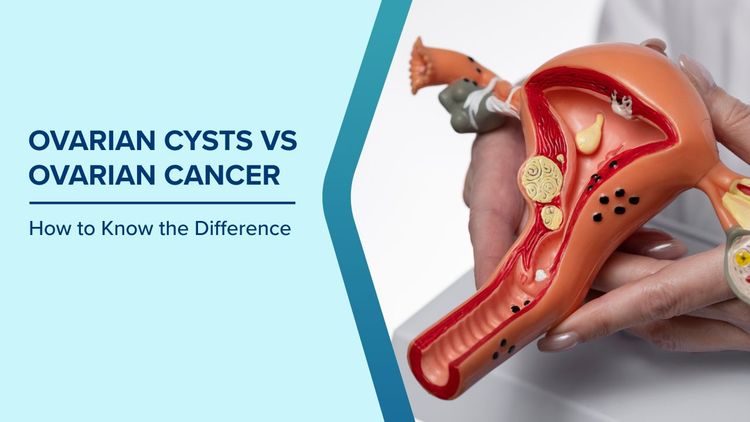
Ovarian Cyst vs Ovarian Cancer: Key Differences, Symptoms & Diagnosis
Ovarian health is essential for overall well-being, but hearing the terms “ovarian cyst” or “ovarian cancer” can be worrying. Most ovarian cysts are harmless and resolve on their own, while ovarian cancer is rare but serious. Understanding the difference between cysts and cancer, recognising symptoms, knowing risk factors, and learning about diagnostic tools can empower women to make informed decisions.
Dr. Sarita Kumari In Surgical Oncology Gynecologic Oncology
Mar 18 , 2026
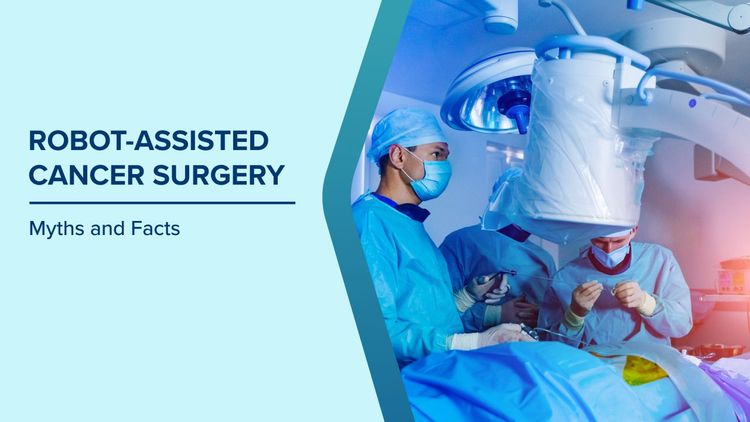
Robot Cancer Surgery Myths & Facts: Benefits & Risks
Robotic surgery is becoming more common in cancer treatment, but there’s a lot of confusion about what it actually is and what it can do. Many people wonder whether a robot will perform their surgery alone or whether it really works better than traditional surgery. The truth is that robotic surgery is simply a tool that helps surgeons do their job better. A skilled surgeon controls the robot’s arms from a console, the robot doesn’t make decisions on its own. This advanced technology offers real benefits, such as smaller incisions, less pain, and faster recovery for many cancer patients. However, it’s not right for every type of cancer or every patient. Understanding the facts helps make informed decisions about cancer treatment with the surgical team.
Dr. Abhinav Deshpande In Surgical Oncology Cancer Care / Oncology Robotic Surgery
Mar 18 , 2026
By Specialities
- Aesthetic And Reconstructive Surgery
- Allergy
- Anaesthesia
- Arthroscopic Surgery
- Arthroscopy & Sports Injury
- Audiology
- Ayurveda Medicine
- Bariatric Surgery / Metabolic
- Bone Marrow Transplant
- Breast Cancer
- Cancer Care / Oncology
- Cardiac Anesthesia
- Cardiac Electrophysiology-Pacemaker
- Cardiac Sciences
- Cardiac Surgery
- Cardiac Surgery (CTVS)
- Cardiology
- Child Development Clinic
- Clinical Psychology
- Critical Care
- Dental Care
- Department of General Surgery and Robotics
- Dermatology
- Diabesity Clinic
- Diabetes Educator
- Dietetics
- Emergency & Trauma
- Emergency Medicine
- Endocrinology & Diabetes
- Endodontist & Cosmetic Dentist
- ENT
- ENT(Ear Nose Throat)
- Eye Care / Ophthalmology
- Foetal Medicine
- Gastro Intestinal & Hepatopancreatobiliary Surgical Oncology
- Gastroenterology, Hepatology & Endoscopy
- Gastrointestinal & Hepatobiliary Oncology
- Gastrointestinal Surgery
- General Surgery
- Gynaecologic Laparoscopy
- Gynecologic Oncology
- Haematology
- Hair Transplant
- Hand & Limb Reconstruction
- Head & Neck Oncology
- Health And Wellness
- Hematology
- Hematology Oncology
- Infertility & IVF
- Institute of Laparoscopic, Endoscopic & Bariatric Surgery
- Internal Medicine
- Interventional Cardiology
- Interventional Neurology
- Interventional Radiology
- Kidney Transplant
- Laboratory Medicine / Pathology
- Laparoscopic / Minimal Access Surgery
- Liver Transplant and Biliary Sciences
- Lung Transplant
- Maternity
- Maxillofacial Surgery and Implantology
- Medical & Surgical Gastroenterology
- Medical Oncology
- Mental Health And Behavioural Sciences
- Metabolic And Bariatric Surgery
- Molecular Oncology & Cancer Genetics
- Musculoskeletal Oncology
- Musculoskeletal Surgical Oncology
- Neonatology
- Nephrology
- Neuro Oncology
- Neurology
- Neurosciences
- Neurosurgery
- Nuclear Medicine
- Nutrition And Dietetics
- Obstetrics And Gynaecology
- Oncology Reconstructive Surgery
- Ophthalmology
- Orthopaedics & Joint Replacement
- Paediatric (Ped) Cardiac Surgery
- Paediatric (Ped) Cardiology
- Paediatric (Ped) Endocrinology
- Paediatric (Ped) Gastroenterology
- Paediatric (Ped) Hematology
- Paediatric (Ped) Intensive Care
- Paediatric (Ped) Nephrology
- Paediatric (Ped) Neurology
- Paediatric (Ped) Neurosurgery
- Paediatric (Ped) Oncology
- Paediatric (Ped) Pulmonology
- Paediatric (Ped)/Medical Oncology
- Paediatric Haematology
- Paediatrics (Ped)
- Pain Management
- Palliative Care
- Periodontology
- Physiotherapy & Rehabilitation Medicine
- Psychiatry
- Pulmonology
- Radiation Oncology
- Radiology
- Rheumatology
- Robotic Joint Replacement
- Robotic Surgery
- Spine Surgery
- Surgical Oncology
- Thoracic Oncology
- Thoracic Oncology Surgery
- Thoracic Surgery
- Transfusion Medicine
- Uro-Oncology
- Urology
- Vascular Surgery