 WhatsApp Us (24/7)
 +91 926 888 0303 (24/7)


To Book an Appointment
Call us+91 926 888 0303To Book an Appointment
Call us+91 926 888 0303Recent Articles

Feeling the Need to Urinate Often? Here are the Possible Causes and Treatment Options
Most adults urinate somewhere between six and eight times a day, though this varies from person to person depending on fluid intake, age, and other factors. Sometimes, however, the need to urinate can increase well beyond this range, to the point where it starts affecting sleep or daily functioning. It can result from a wide range of causes, from benign lifestyle factors to conditions requiring prompt treatment. This blog explores the common reasons behind increased urination, the tests commonly used to find the cause, and finally treatment options available that can help you find relief. Let’s dive in.
Dr. Ravi Kumar Singh In Nephrology
Mar 24 , 2026

How High Salt Diet Effects Kidneys: Warning Signs & Prevention
Most people think of salt as a simple seasoning. It makes food taste better and enhances flavour in almost every cuisine. However, the amount of salt in modern diets has quietly increased over the years. From packaged snacks to restaurant meals, sodium is everywhere. While taste buds may enjoy it, the kidneys often pay the price.
Dr Blessy Sehgal In Nephrology
Mar 23 , 2026
What is Salt Sensitivity: Causes, Effects & Kidney Health
Salt is a regular part of everyday meals. It enhances flavour and helps maintain the balance of certain minerals in the body. However, not everyone’s body responds to salt in the same way. Some individuals are more sensitive to sodium, meaning their bodies react more strongly to higher salt intake.
Mar 23 , 2026
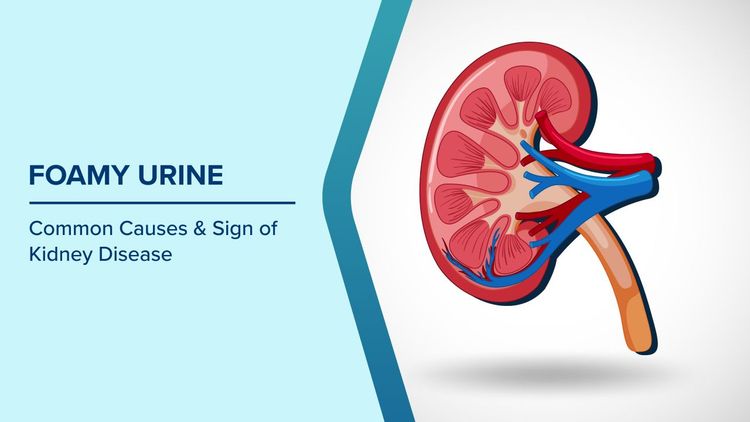
Foamy Urine: Common Causes & Sign of Kidney Disease
Many people notice changes in their urine from time to time. One such change that often raises concern is foamy urine. Seeing bubbles or foam in the toilet can be worrying, especially when people associate it with kidney problems. In some cases, foamy urine may simply be the result of harmless factors such as a strong urine stream or mild dehydration. In other situations, however, it may indicate an underlying health issue that needs attention.
Dr. Vijay Kumar Sinha In Nephrology
Mar 16 , 2026
Most read blogs

Loose motions or Diarrhea is one of the most common ailments across every age group – from infants and mothers to the elderly. Diarrhea is the frequent passage of watery or loose stools across irregular intervals. There are many possible causes of Diarrhea. These include allergies, food poisoning, infections, and stress. As such, Diarrhea is merely a symptom of one of many possible causes. Most of the time, loose motions is not a serious problem and can be treated at home. Below, we've outlined 3 simple h
Max Team In Internal Medicine
Feb 22 , 2018

To make sure that what you eat helps your body and also helps you stay interested, spread out your food through the day by following different food ideas. You can mix and match the following depending on how much you can eat and whether you are vegetarian or non vegetarian.
Max Team In Obstetrics And Gynaecology Nutrition And Dietetics
Nov 07 , 2020
When you have loose motions, the most effective way to return to full health is by changing your diet. There are many foods which can help you to soothe your stomach, but there are some foods that can irritate your stomach. We'll proceed by listing out some of the things that you should and shouldn't do when you have loose motions.
Max Team In Internal Medicine
Mar 21 , 2018

Many people think that squint is a permanent condition and cannot be corrected. But the truth is that eyes can be straightened at any age. Commonly known as “Strabismus”, where the eyes are not aligned in the same direction, this can be present only part of the time, in one or alternating between two eyes. The squinting may turn in (converge), turn out (diverge) or sometimes turn up or down.
Max Team In Ophthalmology Eye Care / Ophthalmology
Nov 13 , 2020
Kidney Disease in Children: Early Signs, Causes and Treatment
Kidneys play a crucial role in keeping the body healthy. They remove waste, balance fluids, and support many essential body functions. When kidney problems develop in children, they can affect growth, energy levels, and overall well-being. Unlike adults, children are still developing physically and emotionally, which makes early recognition and proper care especially important.
Dr. Anil Prasad Bhatt In Nephrology Kidney Transplant
Mar 12 , 2026

World Kidney Day 2026: Understanding the Importance of Kidney Health Testing
Kidney disease often develops unnoticed, with 8% to 10% of adults affected by some form of kidney damage. Many remain unaware until serious complications arise, and each year, millions die prematurely from conditions linked to kidney disease. Early detection can make a significant difference, as simple blood and urine tests help identify problems before they become severe.
Mar 12 , 2026 | 7 min read
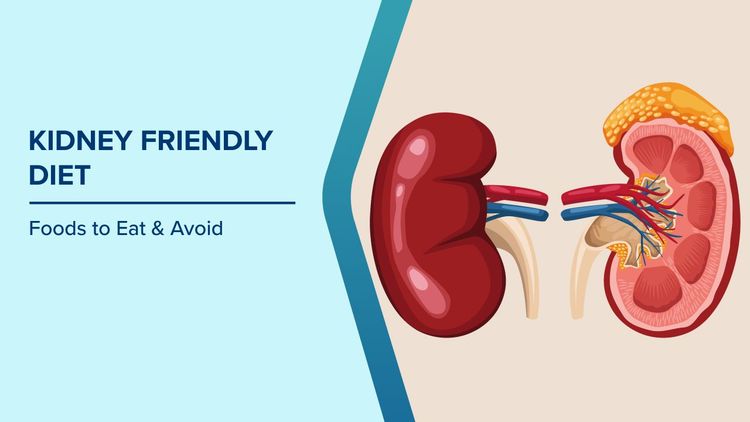
Kidney Friendly Diet: Foods to Eat & Avoid
When kidneys are healthy, they quietly filter waste, balance fluids, and maintain essential minerals in the body. When kidney function weakens, even slightly, diet plays a much bigger role than most people realise. What you eat can either support your kidneys or put extra strain on them over time.
Dr. Ashish Nandwani In Nephrology Kidney Transplant
Mar 10 , 2026
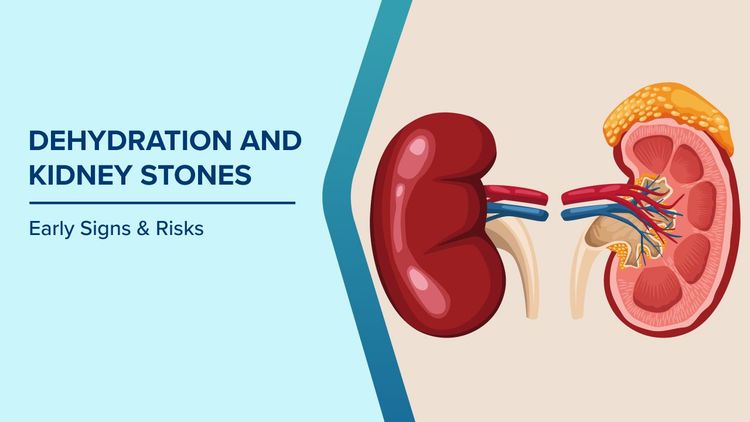
How Dehydration Leads to Kidney Stones: Early Signs & Risks
Kidney stones and dehydration are closely linked. When you do not drink enough water, urine becomes concentrated. This means minerals like calcium, oxalate, and uric acid are present in higher amounts in a smaller volume of fluid. Over time, these minerals can stick together and form crystals. Crystal formation is the first step in kidney stone formation.
Dr. Puneet Arora In Nephrology Kidney Transplant
Mar 10 , 2026
By Specialities
- Aesthetic And Reconstructive Surgery
- Allergy
- Anaesthesia
- Arthroscopic Surgery
- Arthroscopy & Sports Injury
- Audiology
- Ayurveda Medicine
- Bariatric Surgery / Metabolic
- Bone Marrow Transplant
- Breast Cancer
- Cancer Care / Oncology
- Cardiac Anesthesia
- Cardiac Electrophysiology-Pacemaker
- Cardiac Sciences
- Cardiac Surgery
- Cardiac Surgery (CTVS)
- Cardiology
- Child Development Clinic
- Clinical Psychology
- Critical Care
- Dental Care
- Department of General Surgery and Robotics
- Dermatology
- Diabesity Clinic
- Diabetes Educator
- Dietetics
- Emergency & Trauma
- Emergency Medicine
- Endocrinology & Diabetes
- Endodontist & Cosmetic Dentist
- ENT
- ENT(Ear Nose Throat)
- Eye Care / Ophthalmology
- Foetal Medicine
- Gastro Intestinal & Hepatopancreatobiliary Surgical Oncology
- Gastroenterology, Hepatology & Endoscopy
- Gastrointestinal & Hepatobiliary Oncology
- Gastrointestinal Surgery
- General Surgery
- Gynaecologic Laparoscopy
- Gynecologic Oncology
- Haematology
- Hair Transplant
- Hand & Limb Reconstruction
- Head & Neck Oncology
- Health And Wellness
- Hematology
- Hematology Oncology
- Infertility & IVF
- Institute of Laparoscopic, Endoscopic & Bariatric Surgery
- Internal Medicine
- Interventional Cardiology
- Interventional Neurology
- Interventional Radiology
- Kidney Transplant
- Laboratory Medicine / Pathology
- Laparoscopic / Minimal Access Surgery
- Liver Transplant and Biliary Sciences
- Lung Transplant
- Maternity
- Maxillofacial Surgery and Implantology
- Medical & Surgical Gastroenterology
- Medical Oncology
- Mental Health And Behavioural Sciences
- Metabolic And Bariatric Surgery
- Molecular Oncology & Cancer Genetics
- Musculoskeletal Oncology
- Musculoskeletal Surgical Oncology
- Neonatology
- Nephrology
- Neuro Oncology
- Neurology
- Neurosciences
- Neurosurgery
- Nuclear Medicine
- Nutrition And Dietetics
- Obstetrics And Gynaecology
- Oncology Reconstructive Surgery
- Ophthalmology
- Orthopaedics & Joint Replacement
- Paediatric (Ped) Cardiac Surgery
- Paediatric (Ped) Cardiology
- Paediatric (Ped) Endocrinology
- Paediatric (Ped) Gastroenterology
- Paediatric (Ped) Hematology
- Paediatric (Ped) Intensive Care
- Paediatric (Ped) Nephrology
- Paediatric (Ped) Neurology
- Paediatric (Ped) Neurosurgery
- Paediatric (Ped) Oncology
- Paediatric (Ped) Pulmonology
- Paediatric (Ped)/Medical Oncology
- Paediatric Haematology
- Paediatrics (Ped)
- Pain Management
- Palliative Care
- Periodontology
- Physiotherapy & Rehabilitation Medicine
- Psychiatry
- Pulmonology
- Radiation Oncology
- Radiology
- Rheumatology
- Robotic Joint Replacement
- Robotic Surgery
- Spine Surgery
- Surgical Oncology
- Thoracic Oncology
- Thoracic Oncology Surgery
- Thoracic Surgery
- Transfusion Medicine
- Uro-Oncology
- Urology
- Vascular Surgery