 WhatsApp Us (24/7)
 +91 926 888 0303 (24/7)


To Book an Appointment
Call us+91 926 888 0303To Book an Appointment
Call us+91 926 888 0303Recent Articles

Dengue Fever: Symptoms, Diagnosis, Treatment and Prevention
Dengue fever, a viral disease transmitted by infected Aedes mosquitoes (Ae. aegypti or Ae. albopictus), poses a significant public health challenge worldwide.
Dr. Rajiv Dang In Internal Medicine
Dec 20 , 2025 | 5 min read
Vitamin D Deficiency in Winter: Immunity, Signs & Health Risks
Winter often brings a quiet change in the body that many people overlook. Temperatures fall, daylight hours shrink, and routines become more indoor-centred. Without realising it, many people experience a seasonal dip in Vitamin D levels during this period.
Dr. Shailesh Sahay In Internal Medicine
Dec 18 , 2025 | 7 min read
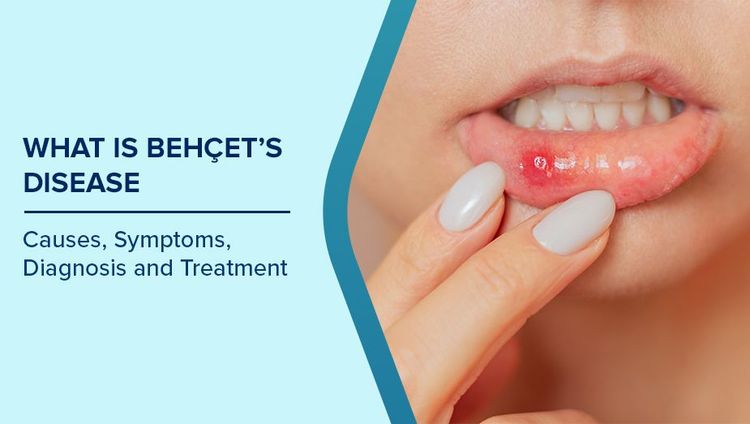
What is Behçet’s Disease: Causes, Symptoms, Diagnosis and Treatment
Behçet’s disease is a rare chronic condition where the body’s immune system causes inflammation in blood vessels throughout the body. This inflammation can lead to various symptoms that may come and go in cycles called flare-ups. Because these flare-ups can affect different areas at different times, recognising the signs early and knowing when to seek medical help becomes essential. This blog will cover the key symptoms, possible causes, diagnosis, and treatment options for Behçet’s disease to help you stay informed and prepared. Let’s start with the basics.
Dr. Namrita Singh In Internal Medicine
Dec 17 , 2025 | 11 min read
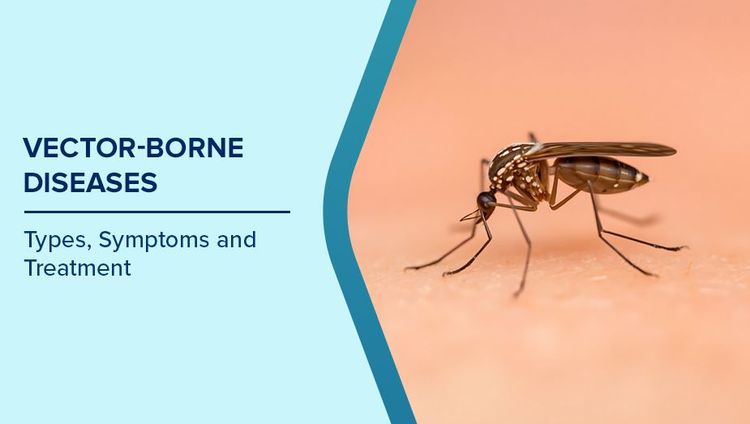
Vector-borne Diseases: Types, Symptoms and Treatment
Vector-borne diseases are illnesses spread by insects, and a major public health concern around the world, including India. Their spread is largely attributable to environmental conditions, with stagnant water and humid weather creating favourable breeding grounds for these vectors. Consequently, there's often an increase in cases during the monsoon and post-monsoon months. Given this increase, it is crucial to know the symptoms, get prompt treatment, and learn about effective prevention. This blog explores different types of vector-borne diseases, common symptoms, treatment approaches, and preventive steps that can help reduce the risk of infection. But first, let’s start by understanding vector-borne diseases.
Dr. Monica Mahajan In Internal Medicine
Dec 11 , 2025 | 11 min read
Most read blogs

Loose motions or Diarrhea is one of the most common ailments across every age group – from infants and mothers to the elderly. Diarrhea is the frequent passage of watery or loose stools across irregular intervals. There are many possible causes of Diarrhea. These include allergies, food poisoning, infections, and stress. As such, Diarrhea is merely a symptom of one of many possible causes. Most of the time, loose motions is not a serious problem and can be treated at home. Below, we've outlined 3 simple h
Max Team In Internal Medicine
Feb 22 , 2018 | 11 min read

To make sure that what you eat helps your body and also helps you stay interested, spread out your food through the day by following different food ideas. You can mix and match the following depending on how much you can eat and whether you are vegetarian or non vegetarian.
Max Team In Obstetrics And Gynaecology Nutrition And Dietetics
Nov 07 , 2020 | 11 min read
When you have loose motions, the most effective way to return to full health is by changing your diet. There are many foods which can help you to soothe your stomach, but there are some foods that can irritate your stomach. We'll proceed by listing out some of the things that you should and shouldn't do when you have loose motions.
Max Team In Internal Medicine
Mar 21 , 2018 | 11 min read

Many people think that squint is a permanent condition and cannot be corrected. But the truth is that eyes can be straightened at any age. Commonly known as “Strabismus”, where the eyes are not aligned in the same direction, this can be present only part of the time, in one or alternating between two eyes. The squinting may turn in (converge), turn out (diverge) or sometimes turn up or down.
Max Team In Ophthalmology Eye Care / Ophthalmology
Nov 13 , 2020 | 11 min read
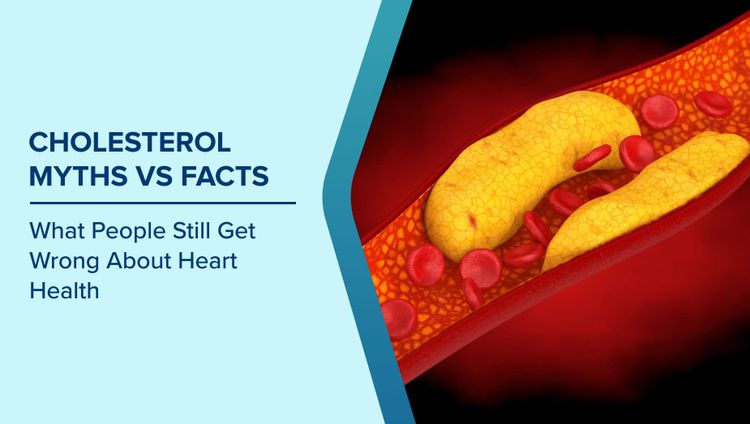
Cholesterol Myths vs Facts: What People Still Get Wrong About Heart Health
Cholesterol has been at the centre of health conversations for decades. Yet even today, with all the information available, many people still feel confused about what cholesterol actually does, how it affects the heart, and what truly matters when it comes to managing it. Some believe that all cholesterol is harmful. Others assume only older adults need to be concerned. Many think diet alone controls cholesterol levels, while some completely underestimate the role of genetics.
Dr. Sehba Asim Nehal In Internal Medicine
Dec 10 , 2025 | 5 min read
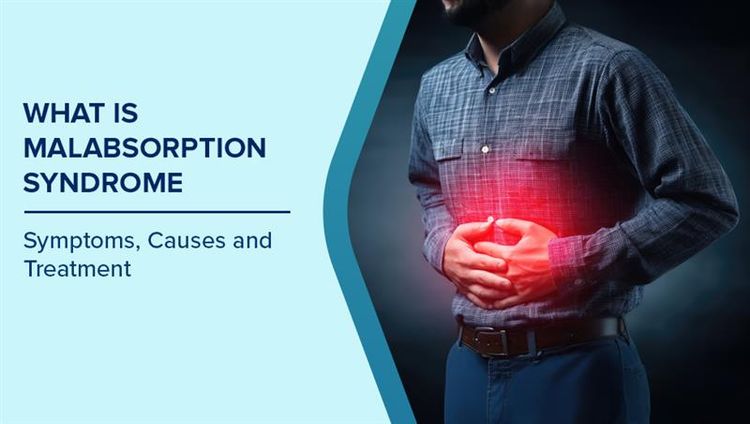
What is Malabsorption Syndrome: Symptoms, Causes and Treatment
Malabsorption syndrome is a condition in which the body is unable to absorb nutrients properly from the food consumed. This means that essential vitamins, minerals, fats, proteins, and carbohydrates do not enter the bloodstream in sufficient amounts, even if the diet is healthy. Over time, this can lead to issues such as unintended weight loss, fatigue, weakness, and several nutrient deficiencies that affect overall health. Because of its wide-ranging effects, it is important to recognise the signs early and get yourself checked promptly. To help you understand more about this condition, this blog explains its symptoms, causes, diagnosis, and available treatment options. Let’s dive in.
Dr. Supriya Bali In Internal Medicine
Dec 08 , 2025 | 12 min read
Improving Your Health Span: How to Focus on More Than Just Prolonging Life
Most people dream of living longer, but the real question is whether those added years are lived in good health. Advances in medicine have helped us extend life expectancy, yet many spend the later years struggling with chronic illness, reduced mobility, or dependency on others. This is where the idea of health span becomes essential.
Dr. Namrita Singh In Internal Medicine
Dec 05 , 2025 | 4 min read
Drinking Alcohol and Winter Warmth: Myths, Facts, and Health Risks Explained
Drinking alcohol in winter may make you feel warm, but it doesn’t actually increase your body temperature. When you drink, alcohol causes blood vessels to dilate, sending more warm blood to the skin’s surface and creating a temporary feeling of warmth. However, this effect lowers your core body temperature, increasing the risk of hypothermia in cold weather. So while a sip of whiskey might feel comforting on a frosty night, the warmth is only an illusion.
Dr. Prem Narayan Vaish In Internal Medicine
Nov 27 , 2025 | 5 min read
By Specialities
- Aesthetic And Reconstructive Surgery
- Allergy
- Anaesthesia
- Arthroscopic Surgery
- Arthroscopy & Sports Injury
- Audiology
- Ayurveda Medicine
- Bariatric Surgery / Metabolic
- Bone Marrow Transplant
- Breast Cancer
- Cancer Care / Oncology
- Cardiac Anesthesia
- Cardiac Electrophysiology-Pacemaker
- Cardiac Sciences
- Cardiac Surgery
- Cardiac Surgery (CTVS)
- Cardiology
- Child Development Clinic
- Clinical Psychology
- Critical Care
- Dental Care
- Department of General Surgery and Robotics
- Dermatology
- Diabesity Clinic
- Diabetes Educator
- Dietetics
- Emergency & Trauma
- Emergency Medicine
- Endocrinology & Diabetes
- Endodontist & Cosmetic Dentist
- ENT
- ENT(Ear Nose Throat)
- Eye Care / Ophthalmology
- Foetal Medicine
- Gastro Intestinal & Hepatopancreatobiliary Surgical Oncology
- Gastroenterology, Hepatology & Endoscopy
- Gastrointestinal & Hepatobiliary Oncology
- Gastrointestinal Surgery
- General Surgery
- Gynaecologic Laparoscopy
- Gynecologic Oncology
- Haematology
- Hair Transplant
- Hand & Limb Reconstruction
- Head & Neck Oncology
- Health And Wellness
- Hematology
- Hematology Oncology
- Infertility & IVF
- Institute of Laparoscopic, Endoscopic & Bariatric Surgery
- Internal Medicine
- Interventional Cardiology
- Interventional Neurology
- Interventional Radiology
- Kidney Transplant
- Laboratory Medicine / Pathology
- Laparoscopic / Minimal Access Surgery
- Liver Transplant and Biliary Sciences
- Lung Transplant
- Maternity
- Maxillofacial Surgery and Implantology
- Medical & Surgical Gastroenterology
- Medical Oncology
- Mental Health And Behavioural Sciences
- Metabolic And Bariatric Surgery
- Molecular Oncology & Cancer Genetics
- Musculoskeletal Oncology
- Musculoskeletal Surgical Oncology
- Neonatology
- Nephrology
- Neuro Oncology
- Neurology
- Neurosciences
- Neurosurgery
- Nuclear Medicine
- Nutrition And Dietetics
- Obstetrics And Gynaecology
- Oncology Reconstructive Surgery
- Ophthalmology
- Orthopaedics & Joint Replacement
- Paediatric (Ped) Cardiac Surgery
- Paediatric (Ped) Cardiology
- Paediatric (Ped) Endocrinology
- Paediatric (Ped) Gastroenterology
- Paediatric (Ped) Hematology
- Paediatric (Ped) Intensive Care
- Paediatric (Ped) Nephrology
- Paediatric (Ped) Neurology
- Paediatric (Ped) Neurosurgery
- Paediatric (Ped) Oncology
- Paediatric (Ped) Pulmonology
- Paediatric (Ped)/Medical Oncology
- Paediatric Haematology
- Paediatrics (Ped)
- Pain Management
- Palliative Care
- Periodontology
- Physiotherapy & Rehabilitation Medicine
- Psychiatry
- Pulmonology
- Radiation Oncology
- Radiology
- Rheumatology
- Robotic Joint Replacement
- Robotic Surgery
- Spine Surgery
- Surgical Oncology
- Thoracic Oncology
- Thoracic Oncology Surgery
- Thoracic Surgery
- Transfusion Medicine
- Uro-Oncology
- Urology
- Vascular Surgery