 WhatsApp Us (24/7)
 +91 926 888 0303 (24/7)


To Book an Appointment
Call Us+91 926 888 0303Vector-borne Diseases: Types, Symptoms and Treatment
By Dr. Monica Mahajan in Internal Medicine
Dec 11 , 2025 | 11 min read
7

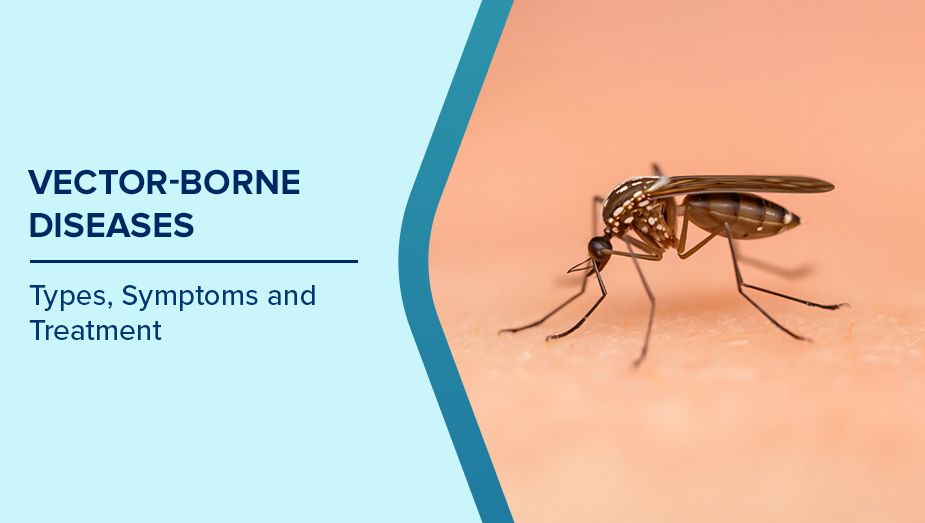
Vector-borne diseases are illnesses spread by insects, and a major public health concern around the world, including India. Their spread is largely attributable to environmental conditions, with stagnant water and humid weather creating favourable breeding grounds for these vectors. Consequently, there's often an increase in cases during the monsoon and post-monsoon months. Given this increase, it is crucial to know the symptoms, get prompt treatment, and learn about effective prevention. This blog explores different types of vector-borne diseases, common symptoms, treatment approaches, and preventive steps that can help reduce the risk of infection. But first, let’s start by understanding vector-borne diseases.
What are Vector-borne Diseases?
Vector-borne diseases are illnesses caused by viruses, bacteria, or parasites that are transmitted to humans through carriers known as vectors. These vectors are usually insects or arthropods such as mosquitoes, ticks, sandflies, and fleas, which pick up germs from an infected host and pass them on to another through their bites. Unlike infections that spread directly from person to person, vector-borne diseases rely on these carriers for transmission. Some well-known examples include malaria, dengue, chikungunya, Lyme disease, and leishmaniasis. Since vectors thrive in specific environments, factors like climate, sanitation, and population density play a significant role in how these diseases spread.
What Pathogens are Responsible for Vector-borne Diseases?
Vector-borne diseases are not caused by the vectors themselves but by the pathogens they carry and transmit. These pathogens can be parasites, viruses, or bacteria, and each group affects the body in different ways.
- Parasitic pathogens are among the most widespread. When mosquitoes or sandflies bite, they can release parasites into the bloodstream. These parasites then multiply inside the human body, often in blood cells or tissues, and may cause long-lasting illness if untreated.
- Viral pathogens are another major group. Once introduced into the body through a mosquito bite, viruses enter human cells and rapidly multiply, leading to symptoms such as fever, rashes, or in severe cases, organ damage. Viruses tend to spread quickly in communities, especially during outbreaks.
- Bacterial pathogens are carried by vectors such as ticks, fleas, and mites. When transmitted to humans, these bacteria can cause a wide range of infections, some mild and others life-threatening. Unlike parasites or viruses, bacterial infections can sometimes persist silently and only become evident later.
Together, these pathogens are the true cause of illness, with vectors acting as the vehicles that deliver them from one host to another.
|
Vector |
Pathogen Type |
Example Pathogens |
Diseases Caused |
|
Mosquito |
Parasite |
Plasmodium spp. |
Malaria |
|
Virus |
Dengue virus, Zika virus, Chikungunya virus, West Nile virus, Yellow fever virus |
Dengue, Zika, Chikungunya, West Nile fever, Yellow fever |
|
|
Bacteria |
Francisella tularensis (rarely by mosquitoes) |
Tularemia (rare vector role) |
|
|
Sandfly |
Parasite |
Leishmania spp. |
Leishmaniasis |
|
Virus |
Sandfly fever virus |
Sandfly fever |
|
|
Tick |
Bacteria |
Borrelia burgdorferi, Rickettsia spp., Anaplasma spp., Francisella tularensis |
Lyme disease, Tick-typhus, Anaplasmosis, Tularemia |
|
Virus |
Tick-borne encephalitis virus, Crimean-Congo hemorrhagic fever virus |
TBE, CCHF |
|
|
Parasite |
Babesia spp. |
Babesiosis |
|
|
Tsetse Fly |
Parasite |
Trypanosoma brucei |
African sleeping sickness |
|
Flea |
Bacteria |
Yersinia pestis, Rickettsia typhi |
Plague, Murine typhus |
|
Triatomine Bug (Kissing bug) |
Parasite |
Trypanosoma cruzi |
Chagas disease |
|
Blackfly |
Parasite |
Onchocerca volvulus |
Onchocerciasis (River blindness) |
|
Mite |
Bacteria |
Orientia tsutsugamushi |
Scrub typhus |
|
Louse |
Bacteria |
Rickettsia prowazekii |
Epidemic typhus |
|
Rodent flea / Mites |
Virus |
Hantavirus (rodent → flea/mites indirect) |
Hantavirus infections |
Which are the Most Common Vector-borne Diseases?
Vector-borne diseases continue to be a major public health challenge in India, especially during the monsoon and post-monsoon seasons when breeding of insects increases. Some of the most common vector-borne diseases are:
- Malaria: Malaria is caused by Plasmodium parasites, mainly P. falciparum and P. vivax, and is transmitted through the bite of infected female Anopheles mosquitoes. It is widespread in rural and semi-urban regions of India, particularly in states like Odisha, Chhattisgarh, Madhya Pradesh, and Jharkhand. Typical symptoms include high fever, chills, sweating, headaches, fatigue, and body aches. In severe cases, malaria can lead to complications such as cerebral malaria, anaemia, and kidney or liver failure. Early diagnosis and treatment are critical to prevent life-threatening outcomes.
- Dengue: Dengue is a viral disease caused by the dengue virus (DENV-1 to DENV-4) and transmitted primarily by Aedes aegypti mosquitoes. It is common in urban and semi-urban areas across India. Symptoms include sudden high fever, severe headache, pain behind the eyes, joint and muscle pain, rashes, and nausea. Severe forms, such as dengue haemorrhagic fever and dengue shock syndrome, can cause internal bleeding, organ impairment, and require immediate medical attention. Dengue outbreaks typically peak during and after the monsoon season.
- Chikungunya: Chikungunya is caused by the chikungunya virus, also transmitted by Aedes mosquitoes. It is marked by sudden onset of fever, severe joint pain, headache, rashes, and muscle pain. The joint pain can be persistent, lasting weeks or even months, making daily activities difficult. Chikungunya often occurs in regions experiencing dengue outbreaks, as both are spread by the same mosquito species. Though rarely fatal, the disease can have a significant impact on quality of life due to prolonged discomfort.
- Japanese Encephalitis: Japanese Encephalitis (JE) is caused by a flavivirus and is transmitted by Culex mosquitoes, particularly in rural and agricultural areas with paddy fields and pig farming. JE is most prevalent in states such as Uttar Pradesh, Bihar, Assam, and West Bengal. Symptoms range from mild fever, headache, and vomiting to severe neurological complications, including seizures, paralysis, and long-term cognitive impairment. Children are especially vulnerable. Vaccination is available in endemic regions to prevent severe disease.
- Kala-azar (Visceral Leishmaniasis): Kala-azar, or visceral leishmaniasis, is caused by Leishmania donovani parasites and transmitted through the bite of infected female sandflies. It is primarily found in Bihar, Jharkhand, Uttar Pradesh, and West Bengal. The disease presents with prolonged fever, significant weight loss, fatigue, enlargement of the spleen and liver, and anaemia. If left untreated, kala-azar can be fatal. Early diagnosis and treatment are essential, and public health measures focus on controlling sandfly populations and reducing human exposure.
- Zika Virus Infection: Zika virus is transmitted by Aedes mosquitoes and has been reported in limited outbreaks in India in recent years. Most infections are mild, with symptoms including low-grade fever, rash, conjunctivitis, and joint pain. The main concern with Zika is infection during pregnancy, which can result in birth defects such as microcephaly and other neurological disorders in newborns. Preventive measures focus on mosquito control and protecting vulnerable populations, especially pregnant women, from mosquito bites.
What are the Symptoms of Vector-borne Diseases?
Vector-borne diseases can present with a wide range of symptoms, depending on the pathogen, the vector, and the severity of the infection. Here is a list of common vector borne infections along with their symptoms:
Malaria
- High fever with cyclical patterns
- Chills and sweating
- Headache and fatigue
- Muscle and joint aches
- Nausea and vomiting
- Severe cases: anaemia, confusion, seizures, kidney or liver failure
Dengue
- Sudden high fever
- Severe headache and pain behind the eyes
- Intense muscle and joint pain
- Rash on the body
- Nausea and vomiting
- Severe cases: bleeding from gums or nose, low platelet count, internal organ involvement
Chikungunya
- Sudden high fever
- Severe joint pain (may persist for weeks or months)
- Headache and fatigue
- Muscle pai
- Rash on the body
Japanese Encephalitis
- Fever and headache
- Vomiting and fatigue
- Neurological symptoms in severe cases: seizures, confusion, paralysis, impaired coordination
Kala-azar (Visceral Leishmaniasis)
- Prolonged fever
- Weight loss and extreme fatigue
- Enlargement of spleen and live
- Anaemia
- Swollen lymph nodes
- Severe cases: organ failure if untreated
Zika Virus Infection
- Low-grade fever
- Rash on the body
- Red eyes (conjunctivitis)
- Joint pain
- Headache
- Birth defects such as microcephaly in babies if infection occurs during pregnancy.
How are Vector-borne Diseases Treated?
Treatment for vector-borne diseases depends on the pathogen involved, severity of symptoms, and overall patient health. Approaches can be grouped into medications, supportive care, and hospital-based interventions.
Medications
- For parasitic infections: Used in diseases like malaria and kala-azar to target and eliminate the parasites, reducing disease severity and preventing complications. Early treatment is critical.
- For viral infections: Diseases such as dengue, chikungunya, Zika, and Japanese Encephalitis do not have specific antiviral treatments. Medications focus on relieving symptoms such as fever, pain, and inflammation, while avoiding drugs that may worsen certain conditions.
- For bacterial infections: Some vector-borne bacterial infections require medication to eliminate the bacteria, guided by medical supervision.
Supportive Care
- Hydration and Nutrition: Maintaining adequate fluid intake and balanced nutrition supports recovery and prevents complications, especially in viral infections like dengue and chikungunya.
- Monitoring and Rest: Tracking symptoms, body temperature, and fatigue levels is essential. Rest allows the body to fight infection and reduces stress on organs.
- Pain and Fever Management: Managing discomfort through safe medications improves quality of life during recovery.
Hospital-based Interventions
- Intravenous Therapy: Severe malaria, dengue haemorrhagic fever, or kala-azar cases may require IV fluids and medications to stabilise the patient.
- Organ Support: Complications such as neurological issues in Japanese Encephalitis or organ dysfunction in severe malaria may require intensive care.
- Blood or Platelet Transfusions: Administered in severe dengue cases with internal bleeding or very low platelet counts.
How Can Vector-borne Diseases Be Prevented?
Preventing vector-borne diseases focuses on reducing exposure to vectors, controlling their populations, and strengthening community awareness. Effective prevention can significantly reduce the risk of infection.
Personal Protection
- Use of protective clothing: Wear full-sleeve shirts and long trousers, especially during early morning and evening when mosquitoes are most active.
- Mosquito nets and screens: Sleeping under nets treated with safe repellents or using window and door screens prevents mosquito bites.
- Repellents: Apply safe mosquito or insect repellents on exposed skin when outdoors, particularly in areas with high vector activity.
Environmental Measures
- Eliminate stagnant water: Mosquitoes breed in standing water, so remove or regularly clean containers, flower pots, puddles, and water storage tanks.
- Proper waste management: Avoid garbage accumulation that can provide breeding grounds for flies and other vectors.
- Vegetation control: Keep grasses, shrubs, and other vegetation trimmed to reduce habitats for ticks and sandflies.
Community and Public Health Measures
- Vector control programs: Participate in local mosquito control initiatives, such as fogging or spraying in high-risk areas.
- Vaccination: Where available, vaccination can prevent severe forms of diseases like Japanese Encephalitis.
- Public awareness: Educating communities about early symptom recognition, prompt medical care, and safe practices reduces the spread of vector-borne diseases.
Special Considerations
- Pregnant women: Take extra precautions to avoid mosquito bites due to the risk of birth defects from infections such as Zika.
- Children and elderly: These groups are more vulnerable to severe outcomes and should be protected with additional measures, such as bed nets and indoor repellents.
- Travel precautions: When visiting endemic areas, follow preventive measures such as protective clothing, repellents, and avoiding outdoor exposure during peak vector activity.
When Should You Consult a Doctor?
Early medical attention is crucial for vector-borne diseases to prevent complications and ensure timely treatment. Consult a doctor immediately if you notice any of the following symptoms:
- Persistent or high fever: Fever lasting more than a couple of days, or recurring in cycles, may indicate malaria or other serious infections. Sudden high fever with severe headache, body pain, or fatigue can signal dengue, chikungunya, or Zika.
- Severe or unusual symptoms: Intense joint pain, persistent vomiting, or widespread rashes that worsen over time. Neurological signs such as confusion, seizures, or difficulty speaking may indicate Japanese Encephalitis. Swelling of the spleen or liver, extreme fatigue, and unexplained weight loss may suggest kala-azar.
- Bleeding or low platelet concerns: Bleeding from gums, nose, or skin, or easy bruising, which is often associated with severe dengue.
- Lack of improvement: Symptoms that persist or worsen despite basic home care need professional evaluation for proper diagnosis and treatment.
Consult Today
Vector-borne diseases can range from mild to life-threatening, and early detection is key to effective treatment and recovery. If you notice persistent fever, severe joint or body pain, rashes, or anything unusual, talking to a specialist in infectious diseases or internal medicine at Max Hospital can help you get the right care quickly. Getting checked not only helps you feel better sooner but also keeps you and your loved ones safer from complications.
Frequently Asked Questions
1. Can vector-borne diseases occur more than once?
Yes, some of these diseases, like malaria and dengue, can affect a person multiple times. This happens because there are different strains of the virus or parasite, and immunity from a previous infection may not protect against future ones. It’s important to continue preventive measures even after recovery.
2. How long does it take to recover from these diseases?
Recovery time varies depending on the disease and severity of infection. Mild cases of dengue, chikungunya, or Zika may resolve within one to two weeks, while malaria or kala-azar may require longer treatment and careful monitoring. Severe infections, especially Japanese Encephalitis, may need hospital care and take several weeks for full recovery.
3. Are children more at risk than adults?
Children’s immune systems are still developing, making them more susceptible to severe symptoms. For example, Japanese Encephalitis and dengue can affect children more seriously, sometimes requiring hospitalization. Extra care, including vaccination where available and protective measures, is recommended for young children.
4. Can these diseases be detected with a routine blood test?
Many vector-borne diseases can be diagnosed through specific blood tests that detect the pathogen or antibodies. Early testing helps doctors confirm the infection and start treatment promptly, which is crucial for preventing complications and faster recovery.
5. Do seasonal changes affect the risk of infection?
Yes, the risk of vector-borne diseases increases during the monsoon and post-monsoon seasons when mosquitoes and other vectors breed rapidly. High humidity and stagnant water in homes or public areas create ideal conditions for vectors, making it essential to remain vigilant during these months.
6. Is it possible to have a mild infection and not realise it?
Some infections, like Zika or mild dengue, can show very subtle or even no symptoms. People may not seek treatment immediately, which can still pose a risk, especially for vulnerable groups such as pregnant women or children. Monitoring for even minor signs like fatigue, low-grade fever, or rash is important.
7. Can vector-borne diseases cause long-term complications?
Certain diseases can have lingering effects. For instance, chikungunya may cause prolonged joint pain, while Japanese Encephalitis can result in neurological issues. Early diagnosis and proper care reduce the likelihood of lasting complications, highlighting the importance of timely medical attention.
8. Are there lifestyle changes that can help reduce the risk?
Simple lifestyle practices make a significant difference. Keeping your home and surroundings clean, eliminating stagnant water, using mosquito repellents, and wearing protective clothing can lower the risk. Awareness and consistent habits are key to preventing infections, especially during high-risk seasons.
Written and Verified by:

Related Blogs


Dr. Vandana Boobna In Internal Medicine
Nov 08 , 2020 | 2 min read
Blogs by Doctor


What is Zika Virus: Causes, Signs, Symptoms, Cure and Preventions
Dr. Monica Mahajan In Internal Medicine
Jun 27 , 2024 | 4 min read
Most read Blogs


Related Blogs
Dr. Vandana Boobna In Internal Medicine
Nov 08 , 2020 | 2 min read
Blogs by Doctor
What is Zika Virus: Causes, Signs, Symptoms, Cure and Preventions
Dr. Monica Mahajan In Internal Medicine
Jun 27 , 2024 | 4 min read
Most read Blogs