 WhatsApp Us (24/7)
 +91 926 888 0303 (24/7)


To Book an Appointment
Call Us+91 926 888 0303Ebola Virus Disease (EVD): Symptoms, Causes & Transmission
By Dr. Meenakshi Jain in Internal Medicine
May 22 , 2026 | 2 min read
17

The Ebola virus is one of the world’s most serious infectious diseases, known for causing severe illness and outbreaks with high mortality rates. While Ebola cases are largely concentrated in parts of Africa, global travel and international health monitoring make awareness important worldwide.
Understanding Ebola virus symptoms, transmission, prevention, and treatment can help individuals stay informed and recognise why rapid detection and public health preparedness matter.
What is the Ebola Virus?
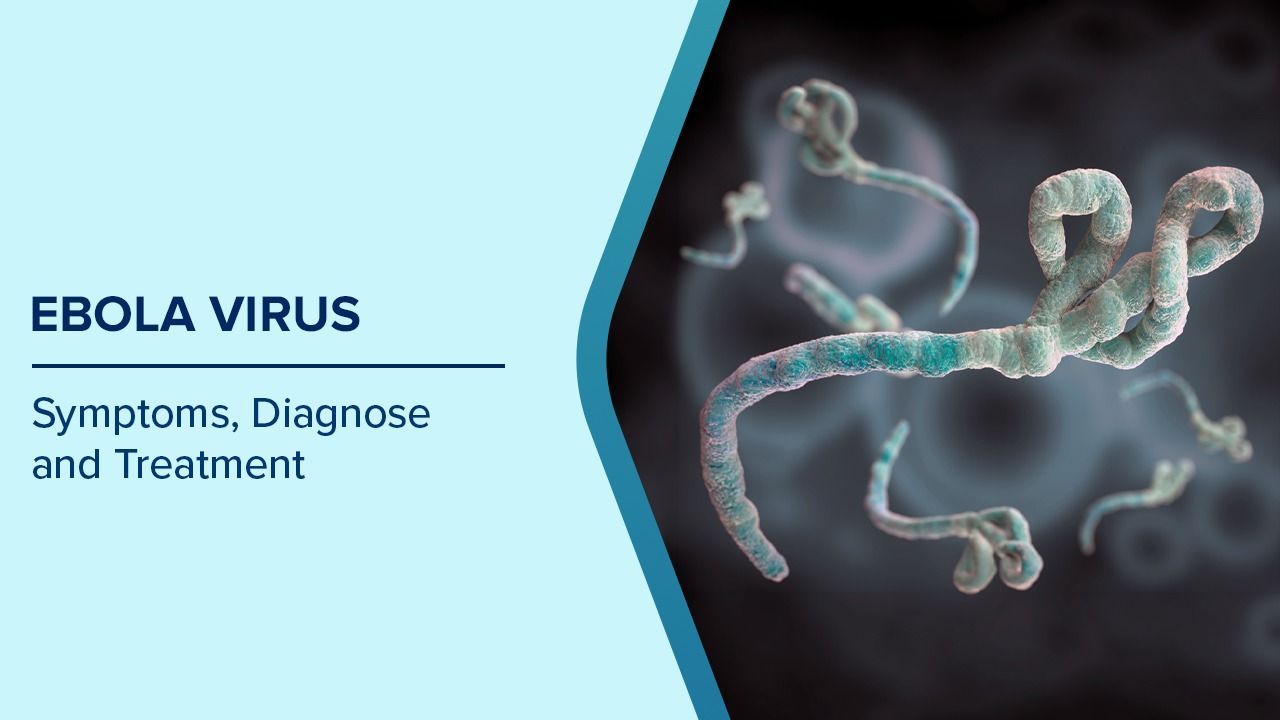
Ebola virus disease (EVD) is a rare but severe illness caused by viruses belonging to the Orthoebolavirus family. It is a form of viral hemorrhagic fever that can affect humans and some animals. The disease was first identified in 1976 near the Ebola River in Central Africa.
Ebola can progress rapidly and requires urgent medical care. However, early diagnosis, supportive treatment, and strict infection control measures can improve outcomes.
What Causes Ebola Virus Disease?
Ebola is caused by infection from an Ebola virus strain. Scientists believe certain fruit bats act as natural hosts of the virus. The infection can spread from animals to humans and then from person to person. People may become infected through:
- Contact with infected animals
- Exposure to blood or body fluids of an infected person
- Touching contaminated objects, clothing, bedding, or medical equipment
- Unsafe caregiving or burial practices involving infected individuals
Ebola Virus Symptoms: Early Signs You Should Know
One of the challenges with Ebola is that its early symptoms may resemble common infections.
Early Ebola Symptoms
Common Ebola virus symptoms include:
- Sudden high fever
- Severe weakness and fatigue
- Muscle pain
- Headache
- Sore throat
- Chills
As the disease progresses, symptoms may become more severe.
Advanced Ebola Symptoms
Later stages can involve:
- Vomiting
- Diarrhea
- Abdominal pain
- Skin rash
- Liver and kidney dysfunction
- Internal or external bleeding in some cases
- Seizures
- ARDS
- Multi-organ failure leading to death
Symptoms usually appear within 2 to 21 days after exposure. Importantly, a person generally does not spread Ebola before symptoms begin.
How Does Ebola Spread?
A common question people ask is: “Is Ebola airborne?”
The answer is no. Ebola does not typically spread through the air like the common cold or flu.
The virus spreads through direct contact with:
- Blood
- Vomit
- Saliva
- Urine
- Sweat
- Semen
- Other infected body fluids (eg. Breast Milk)
- Mother to fetus transmission
Transmission can also occur through contaminated surfaces and medical instruments. Healthcare workers are at higher risk without proper protective equipment and infection control practices.
How is Ebola Diagnosed?
Because Ebola symptoms can resemble illnesses such as malaria, typhoid, or meningitis, laboratory testing is essential for confirmation. Doctors may use:
- Blood tests (CBC, KFT, LFT, coagulation profile)
- Molecular diagnostic testing
- Specialised viral detection methods (PCR based)
Early testing helps isolate cases, begin treatment sooner, and reduce further spread.
Ebola Treatment: Can Ebola Be Cured?
There is no single universal cure for all Ebola strains, but timely medical intervention significantly improves survival chances. Treatment mainly focuses on supportive care, including:
- IV fluids and hydration
- Electrolyte management
- Oxygen support
- Blood pressure stabilisation
- Treatment of associated symptoms and complications
Some approved therapies and vaccines (like Ansuvimab) exist for certain Ebola virus strains, while research continues for others.
Ebola Prevention: How to Reduce the Risk
Preventing Ebola requires both individual precautions and strong public health systems.
Key Ebola Prevention Measures
- Avoid contact with infected individuals and bodily fluids
- Follow hand hygiene and infection control practices
- Use personal protective equipment in healthcare settings
- Practice safe handling of wildlife and animal products
- Follow public health advisories during outbreaks
- Support early reporting, screening, and contact tracing
Vaccination may be used in outbreak settings for certain Ebola virus types.
Why Global Awareness About Ebola Still Matters
Although Ebola outbreaks are often geographically limited, infectious diseases do not recognise borders. Increased global connectivity means disease surveillance, airport screening protocols, and international preparedness continue to play an important role in protecting public health.
Awareness is not about panic; it is about understanding symptoms, transmission risks, and the importance of early action.
Conclusion
The Ebola virus remains a serious infectious disease that demands awareness, scientific vigilance, and strong healthcare preparedness. Knowing the symptoms of Ebola, how it spreads, available treatments, and prevention strategies can help people stay informed in an increasingly connected world.
Reliable information and timely healthcare response remain the strongest tools against emerging infectious diseases.
Frequently Asked Questions
Can a person survive Ebola virus disease?
Yes, survival is possible, especially when patients receive early diagnosis, prompt medical care, hydration support, and symptom management. Recovery depends on factors such as the patient’s comorbidities, timing of treatment, and the virus strain involved.
Who is most at risk of getting Ebola?
People at higher risk include healthcare workers, caregivers, laboratory staff, close family contacts of infected patients, and individuals travelling to or living in outbreak-affected regions.
Can Ebola affect people after recovery?
Some survivors may experience post-Ebola health issues, including joint pain, fatigue, vision problems, sleep disturbances, or mental health challenges. Follow-up medical care can be important after recovery.
Are there vaccines available for the Ebola virus?
Yes, vaccines have been developed for certain Ebola virus species and may be used during outbreaks to help control transmission and protect high-risk populations.
Why is Ebola considered a global health concern?
Although outbreaks are often localised, international travel, cross-border movement, and interconnected healthcare systems make rapid disease detection and preparedness important worldwide.
Can pets or animals get Ebola virus?
Some animals, including nonhuman primates and certain mammals, can be infected. Scientists believe fruit bats may play a role in the virus’s natural ecology, which is why monitoring animal-to-human transmission remains important.
Written and Verified by:

Related Blogs


Dr. Vandana Boobna In Internal Medicine
Nov 08 , 2020 | 2 min read
Blogs by Doctor

Care Plan for Malaria: Effective Self-Care Tips and Recovery
Dr. Meenakshi Jain In Internal Medicine
Jun 05 , 2024 | 2 min read

Commit to Your Health: Take the Pledge for Better Health This Father’s Day
Dr. Meenakshi Jain In Internal Medicine
Jul 01 , 2024 | 2 min read
Most read Blogs


Related Blogs
Dr. Vandana Boobna In Internal Medicine
Nov 08 , 2020 | 2 min read
Blogs by Doctor
Care Plan for Malaria: Effective Self-Care Tips and Recovery
Dr. Meenakshi Jain In Internal Medicine
Jun 05 , 2024 | 2 min read
Commit to Your Health: Take the Pledge for Better Health This Father’s Day
Dr. Meenakshi Jain In Internal Medicine
Jul 01 , 2024 | 2 min read
Most read Blogs