WhatsApp Us (24/7)
 +91 926 888 0303 (24/7)


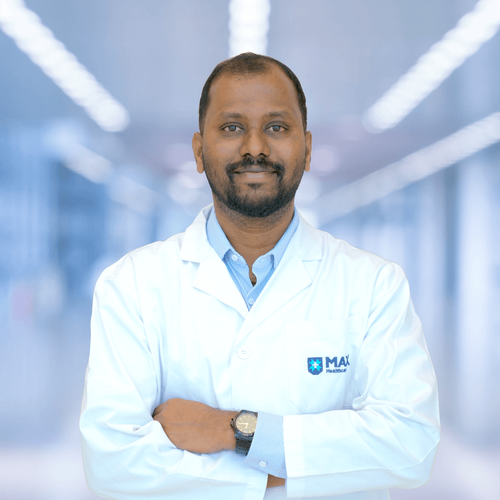
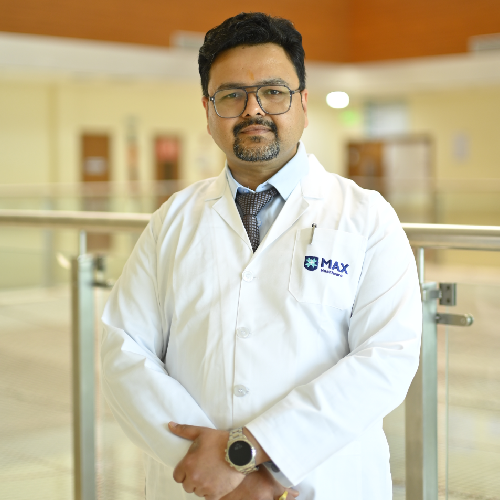
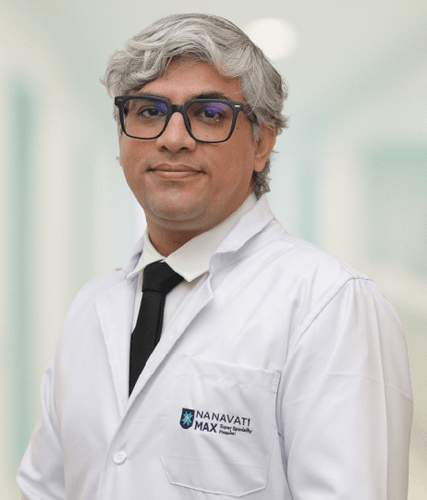
Our Medical Experts
Max Healthcare is home to eminent doctors in the world, most of whom are pioneers in their respective fields. Additionally, they are renowned for developing innovative and revolutionary clinical procedures.
Find a DoctorDelhi/NCR:
MOHALI:
Dehradun:
BATHINDA:
Mumbai:
NAGPUR:
LUCKNOW:
BHUBANESWAR:

To Book an Appointment
Call us+91 926 888 0303Cardiothoracic and Vascular Surgery (CTVS) is used to address complex conditions affecting the heart, lungs, chest, and vascular system. From life-saving interventions to enhancing quality of life, CTVS plays an indispensable role in managing a wide range of cardiovascular and thoracic disorders.
At MAX Hospital, we understand the critical importance of CTVS in improving patient outcomes and restoring health. With a team of highly skilled and experienced cardiothoracic and vascular surgeons, we are committed to providing personalised care tailored to each patient's unique needs. Our surgeons bring a wealth of expertise to the operating table, backed by years of specialised training and a passion for excellence.
In addition to our exceptional medical team, MAX Hospital is equipped with state-of-the-art technologies and facilities that enable us to perform intricate CTVS procedures with precision and safety. From advanced imaging modalities to cutting-edge surgical techniques, we leverage the latest innovations to achieve optimal results for our patients. If you or your loved one is considering Cardiothoracic and Vascular Surgery, rest assured that MAX Hospital is dedicated to standing by you through every step of your healthcare journey, ensuring your comfort and well-being are our top priorities.
CTVS stands for Cardiothoracic and Vascular Surgery. It's a surgical specialty that deals with the surgical treatment of diseases affecting the heart, lungs, oesophagus, and major blood vessels within the chest. This field encompasses a wide range of procedures, including coronary artery bypass grafting, heart valve repair or replacement, thoracic aortic aneurysm repair, lung resections, and surgeries to treat vascular conditions like aortic dissections or peripheral artery disease (PAD).
Cardiothoracic and Vascular Surgery (CTVS) is performed to treat a wide range of conditions affecting the heart, lungs, and major blood vessels. These surgeries are done for several reasons, including:
Overall, Cardiothoracic and Vascular Surgery is done with the primary goals of improving quality of life, relieving symptoms, preventing complications, and extending survival for patients with a variety of cardiovascular and thoracic conditions.
Here are the types of surgeries commonly performed within the Cardiothoracic and Vascular Surgery (CTVS) specialty:
Coronary Artery Bypass Grafting (CABG): Surgery to bypass blocked or narrowed coronary arteries, restoring blood flow to the heart muscle.
Heart Valve Repair or Replacement: Surgical repair or replacement of damaged or diseased heart valves, such as the mitral valve or aortic valve.
Congenital Heart Defect Repair: Surgery to correct structural abnormalities present at birth, such as atrial septal defects or ventricular septal defects.
Cardiac Tumour Removal: Surgical removal of tumours or masses within the heart.
Lung Resections: Surgical removal of part or all of a lung, commonly performed to treat lung cancer or benign lung tumours.
Lobectomy: Removal of one of the lobes of the lung.
Pneumonectomy: Removal of an entire lung.
Thoracic Aortic Surgery: Surgical repair of aneurysms or dissections affecting the thoracic aorta.
Thoracoscopic Surgery: Minimally invasive procedures performed through small incisions in the chest wall, including thoracoscopic lung biopsy or thoracoscopy for pleural diseases.
Endovascular Procedures: Minimally invasive procedures performed within blood vessels, such as angioplasty and stenting for peripheral artery disease (PAD) or carotid artery stenosis.
Aortic Aneurysm Repair: Surgical repair of aneurysms affecting the aorta, including open repair or endovascular aneurysm repair (EVAR).
Peripheral Vascular Bypass Surgery: Surgical creation of a bypass around blocked arteries in the legs or arms to restore blood flow.
Carotid Endarterectomy: Surgical removal of plaque buildup from the carotid arteries to reduce the risk of stroke.
Venous Procedures: Surgical treatment of venous diseases, including varicose vein surgery or deep vein thrombosis (DVT) treatment.
Heart Transplant: Surgical transplantation of a healthy heart from a donor to replace a diseased or failing heart.
Lung Transplant: Surgical transplantation of one or both lungs from a donor to replace diseased or damaged lungs.
Combined Heart-Lung Transplant: Simultaneous transplantation of both heart and lungs for patients with severe heart and lung diseases.
Cardiothoracic and Vascular Surgery (CTVS) utilises various approaches and techniques tailored to the specific needs of each patient and the nature of their condition. Some of the commonly used approaches include:
It's important for patients to discuss the benefits and risks of cardiothoracic and vascular surgery with their doctor to make an informed decision.
Recovery time can vary depending on the specific procedure performed, overall health of the patient, and any complications that may arise. In general, it may take several weeks to a few months to fully recover from CTVS surgery.
Yes, most patients will need to stay in the hospital for a period of time after CTVS surgery for monitoring and postoperative care. The length of hospital stay can vary depending on the type of surgery and individual patient factors.
During a consultation, the surgeon will review your medical history, perform a physical examination, discuss your symptoms and treatment options, explain the proposed surgery, and address any questions or concerns you may have.
Pain management after CTVS surgery typically involves a combination of medications such as opioids, nonsteroidal anti-inflammatory drugs (NSAIDs), and local anaesthetics. The goal is to control pain while minimising side effects and promoting healing.
The limitations after CTVS surgery can vary depending on the specific procedure performed and individual patient factors. Generally, patients may experience restrictions on physical activity, lifting heavy objects, driving, and returning to work for a certain period of time during the recovery process.
The success rate of CTVS surgeries can vary depending on the type of procedure and individual patient factors. Overall, many CTVS surgeries have high success rates in improving heart and vascular function, relieving symptoms, and extending lifespan.
Long-term implications can include improved heart function, extended lifespan, relief from symptoms, and reduced risk of complications associated with cardiovascular conditions. However, ongoing monitoring and lifestyle modifications may be necessary to maintain optimal heart health.
In some cases, alternative treatments such as medication, lifestyle modifications, minimally invasive procedures, or catheter-based interventions may be considered as alternatives to surgery. The choice of treatment depends on the specific condition and individual patient factors.
Preparation for CTVS surgery may involve undergoing preoperative testing, following any preoperative instructions provided by your healthcare team, arranging for postoperative care and support, and making necessary lifestyle modifications.
Common procedures include coronary artery bypass grafting (CABG), heart valve repair or replacement, thoracic aortic aneurysm repair, heart transplant, and procedures to treat peripheral artery disease (PAD) or venous disorders.
After Cardiothoracic and Vascular Surgery (CTVS), patients typically spend a few days in the ICU, followed by a week or two in a regular hospital room. They receive pain management, physical therapy, and post-operative care instructions. Once discharged, recovery continues at home with medication management, dietary adjustments, gradually increasing activity, and follow-up appointments. Overall, recovery can take several weeks to months.
Reviewed By Dr. Dinesh Chandra, Associate Director - Cardiac Surgery (CTVS), Cardiac Sciences on 27 Aug 2024.
Max Healthcare is home to eminent doctors in the world, most of whom are pioneers in their respective fields. Additionally, they are renowned for developing innovative and revolutionary clinical procedures.
Max Healthcare is home to eminent doctors in the world, most of whom are pioneers in their respective fields. Additionally, they are renowned for developing innovative and revolutionary clinical procedures.
Find a DoctorJourney From Robotic Heart Bypass Surgery
Treated by Dr. Aditya Kumar Singh, Max Smart Super Speciality Hospital, Saket
Successful Embolectomy and Vascular Surgery
Treated by Dr. Vijayant Devenraj, Max Super Speciality Hospital, Lucknow
Robotic Arterial Bypass Surgery For Blockage
Treated by Dr. Aditya Kumar Singh, Max Smart Super Speciality Hospital, Saket
Minimally Invasive Valve Replacement Surgery for Severe Heart Valve Disease
Treated by Dr. Aditya Kumar Singh, Max Smart Super Speciality Hospital, Saket
Country : Nepal
Successful LVAD Surgery for Heart Failure
Treated by Dr. Rajneesh Malhotra, Max Super Speciality Hospital, Saket
Country : Turkmenistan
Recovered from Minimally Invasive Heart Surgery
Treated by Dr. Vaibhav Mishra, Max Super Speciality Hospital, Patparganj
Country : India
Mrs. Yoko Merrion’s Remarkable Heart Recovery
Treated by Dr. Aditya Kumar Singh, Max Super Speciality Hospital, Saket
Country : Liberia
Fiji's Patient Recovers from Arterial Blockages
Treated by Dr. Aditya Kumar Singh, Max Smart Super Speciality Hospital, Saket
Country : India
Heart Bypass Surgery for Coronary Artery Disease
Treated by Dr. Dinesh Chandra, Max Super Speciality Hospital, Shalimar Bagh
Journey From Robotic Heart Bypass Surgery
Treated by Dr. Aditya Kumar Singh , Max Smart Super Speciality Hospital, Saket