 WhatsApp Us (24/7)
 +91 926 888 0303 (24/7)


To Book an Appointment
Call Us+91 926 888 0303Life After Valve Replacement: Recovery, Challenges & Progress
By Dr. Vishal Srivastava in Cardiac Surgery (CTVS)
Sep 17 , 2025 | 6 min read

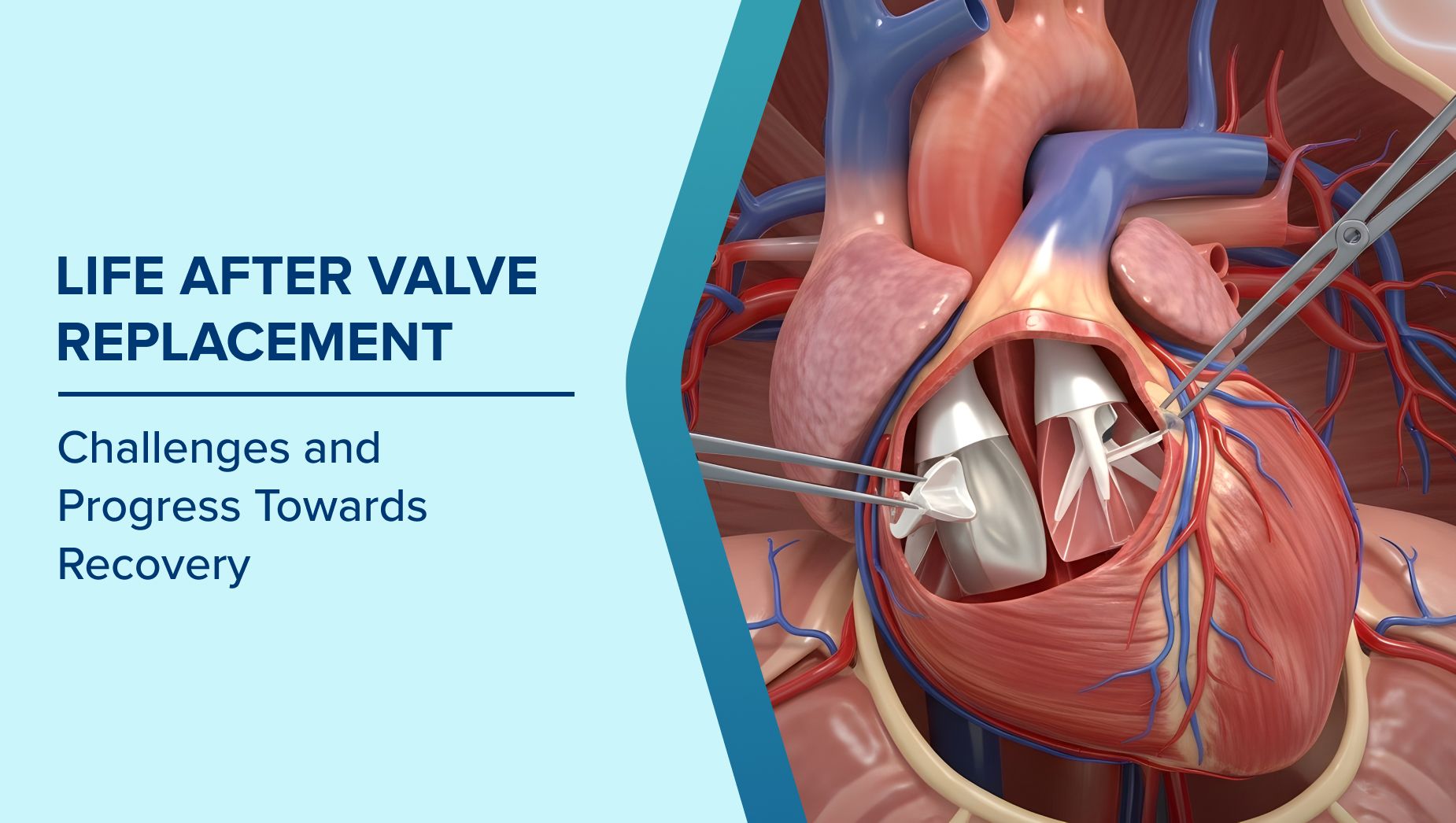
Heart valve replacement surgery is one of the most significant advancements in modern cardiology. For decades, people living with damaged or diseased valves faced progressive heart failure, severe breathlessness, and reduced life expectancy. With the rise of advanced surgical techniques and cutting-edge medical technology, patients now have far greater chances of survival and a much better quality of life.
However, recovery after valve replacement does not end when the operation is over. It is the beginning of a new phase that combines physical healing, emotional adjustment, lifestyle changes, and long-term monitoring.
Understanding Valve Replacement Surgery
Valve replacement is performed when the heart’s natural valves cannot open or close properly, disrupting the smooth flow of blood. The two most common problems are:
- Stenosis: A valve becomes stiff or narrowed, forcing the heart to pump harder.
- Regurgitation: A valve does not close tightly, allowing blood to leak backwards.
When medication and repair techniques are insufficient, replacement becomes necessary.
Types of Valves
- Mechanical valves: These are made of durable materials such as carbon or titanium. They can last for decades, often a lifetime, but require lifelong anticoagulant therapy to reduce the risk of clots.
- Biological valves: Made from animal or donated human tissue, these function more naturally and usually do not require permanent anticoagulation. However, they typically last 10 to 20 years before another replacement may be needed.
The choice of valve depends on age, lifestyle, health condition, and personal preference. For example, younger patients often receive mechanical valves for durability, while older patients may opt for biological valves to avoid anticoagulation risks.
Immediate Recovery Phase
The first few weeks after surgery form a crucial stage. Patients usually stay in hospital for one to two weeks, depending on the type of surgery and overall health.
Key components of early recovery include:
- Intensive monitoring: In the intensive care unit, vital signs such as heart rhythm, blood pressure, and oxygen levels are checked continuously.
- Pain management: Effective pain relief is provided so patients can begin breathing exercises and light mobility.
- Wound care: Proper cleaning and monitoring prevent infection of the chest incision.
- Gradual mobility: Physiotherapists encourage sitting, standing, and short walks to lower the risk of clots and improve lung function.
- Emotional reassurance: Hospital staff and families play an important role in helping patients adjust to the shock of major surgery.
Although the first days can feel overwhelming, each milestone, like sitting up, walking a few steps, or eating independently, represents real progress.
Physical Challenges After Valve Replacement
Pain and Healing
Chest discomfort is common, particularly around the sternum where the incision is made. Some patients also report shoulder or back pain caused by lying in one position during surgery. Pain usually decreases within weeks but may linger for months as bones and muscles heal.
Fatigue and Energy Levels
The body diverts energy to healing, so tiredness is expected. Even simple tasks may initially feel draining. Structured rest, combined with light exercise, helps rebuild stamina gradually. Patients are advised to listen to their bodies rather than push themselves too hard.
Physical Limitations in Early Stages
Lifting heavy objects, driving, or strenuous household chores are usually restricted for at least six weeks. These precautions prevent strain on the healing chest and reduce the risk of complications. Over time, most people regain independence in daily activities.
Emotional and Psychological Impact
Anxiety About Health
It is natural to feel anxious about how well the new valve is working. Some patients worry about every heartbeat or small symptom, fearing complications.
Fear of Complications
The thought of infection, clotting, or valve failure can create ongoing stress. Patients on anticoagulants may feel nervous about bleeding risks, while those with biological valves may worry about durability.
Adjusting to Lifestyle Changes
Switching to a structured routine of medication, dietary changes, and regular check-ups requires mental adjustment. The sense of vulnerability can sometimes lead to mood swings or frustration.
Recognising these emotional hurdles is important because mental well-being directly influences physical recovery. Counselling, mindfulness practices, and open conversations with family can help reduce stress.
Lifestyle Adjustments for Long-term Health
Diet and Nutrition
After surgery, a heart-friendly diet becomes central. Patients are encouraged to:
- Reduce salt intake to manage blood pressure.
- Limit saturated and trans fats to prevent further cardiovascular disease.
- Increase fibre, fruits, vegetables, and lean protein.
- Stay hydrated, but monitor fluid intake if advised by doctors.
For those on anticoagulants, vitamin K intake must remain consistent, as sudden changes can interfere with medication.
Exercise and Cardiac Rehabilitation
Exercise plays a vital role in recovery. Cardiac rehabilitation programmes guide patients through safe workouts, gradually improving stamina, circulation, and confidence. Walking, light cycling, and swimming are often introduced under supervision. Regular exercise also reduces the risk of secondary heart disease.
Sleep and Stress Management
Good sleep supports healing, yet many patients struggle with insomnia due to discomfort or anxiety. Establishing a bedtime routine, avoiding caffeine in the evening, and practising relaxation techniques can help. Stress management through meditation, yoga, or gentle breathing reduces both psychological strain and cardiac risk.
Medical Progress and Innovations in Valve Replacement
Minimally Invasive Techniques
Traditional open-heart surgery involves large chest incisions, but newer approaches allow surgeons to replace valves through smaller cuts or even catheter-based methods. Minimally invasive techniques shorten recovery times, reduce pain, and lower infection risk.
Advancements in Prosthetic Valves
Modern valves are designed with improved durability and biocompatibility. Some tissue valves are now treated to resist calcification, extending their lifespan. Mechanical valves are engineered to reduce clotting risk and noise.
Better Long-term Outcomes
With these advances, long-term survival rates have improved significantly. Many patients now live decades after valve replacement with a quality of life comparable to those without valve disease.
Coping Mechanisms and Support Systems
Role of Family and Caregivers
Family members provide essential support by assisting with daily tasks, offering emotional reassurance, and encouraging adherence to medication and exercise. Their involvement helps patients feel less isolated and more motivated.
Patient Support Groups
Connecting with others who have undergone valve replacement creates a sense of belonging. Sharing experiences about recovery, medication, or lifestyle adjustments provides practical guidance and reduces anxiety.
Professional Counselling and Therapy
For patients experiencing depression or overwhelming anxiety, professional counselling can be invaluable. Cognitive behavioural therapy, stress management coaching, and mindfulness-based therapy have all shown benefits.
Long-term Outlook: Living with a Replaced Valve
Life Expectancy and Quality of Life
Valve replacement significantly improves survival rates and enables patients to live active, fulfilling lives. Studies show that many return to work, engage in hobbies, and enjoy family life as much as they did before illness.
Regular Medical Follow-ups
Ongoing monitoring is essential. Echocardiograms, blood tests, and consultations ensure the valve is functioning properly. For patients on anticoagulants, regular blood monitoring is mandatory to maintain safe levels.
Returning to Work, Travel, and Normal Routines
Most patients resume work within three to six months, depending on the type of job. Travel, including air journeys, is usually safe after clearance. Leisure activities such as gardening, walking, or even gentle sports can be resumed under medical guidance.
Conclusion
Life after valve replacement is not a simple path. It involves physical healing, emotional resilience, and long-term lifestyle changes. Yet, the medical progress and robust support systems, recovery after valve replacement offers far greater hope today than ever before. By embracing healthy habits, seeking emotional support, and staying committed to follow-up care, patients can look forward to not only surviving but thriving. The challenges after heart valve surgery are real, but the progress in valve replacement continues to pave the way for brighter, healthier futures.
FAQs
Can dental procedures affect people with replaced valves?
Yes, dental work can allow bacteria into the bloodstream, which may infect the valve. Antibiotics are sometimes prescribed before invasive dental procedures to reduce this risk.
How does altitude or air travel affect someone with a valve replacement?
Most people can travel safely once cleared by their doctor. During long flights, walking regularly and staying hydrated helps reduce the risk of clots, especially for those on anticoagulants.
Do weather changes impact recovery or valve function?
Extreme cold can raise blood pressure, while very hot weather can cause dehydration. Patients are advised to dress appropriately, stay hydrated, and avoid sudden exposure to temperature extremes.
Is pregnancy safe after valve replacement?
Pregnancy can be possible, but it carries specific risks. The type of valve and medication regimen play important roles. Women considering pregnancy should consult both a cardiologist and an obstetrician early.
How do sports or heavy physical activities affect long-term outcomes?
Low to moderate physical activity is encouraged, but high-impact sports or heavy lifting may not be advisable. Individual exercise plans tailored by cardiac rehabilitation teams ensure safe participation in physical activity.
Written and Verified by:

Related Blogs

Dr. Ganesh Kumar Mani In Cardiac Sciences , Cardiac Surgery (CTVS)
Apr 25 , 2016 | 3 min read

Dr. Kewal Krishan In Cardiac Sciences , Cardiac Surgery (CTVS)
May 02 , 2016 | 4 min read
Blogs by Doctor
Minimally Invasive Heart Surgery: Types and Recovery Tips
Dr. Vishal Srivastava In Cardiac Surgery (CTVS)
Jan 05 , 2026 | 4 min read
Most read Blogs


Related Blogs
Dr. Ganesh Kumar Mani In Cardiac Sciences , Cardiac Surgery (CTVS)
Apr 25 , 2016 | 3 min read
Dr. Kewal Krishan In Cardiac Sciences , Cardiac Surgery (CTVS)
May 02 , 2016 | 4 min read
Blogs by Doctor
Minimally Invasive Heart Surgery: Types and Recovery Tips
Dr. Vishal Srivastava In Cardiac Surgery (CTVS)
Jan 05 , 2026 | 4 min read
Most read Blogs