 WhatsApp Us (24/7)
 +91 926 888 0303 (24/7)



To Book an Appointment
Call Us+91 926 888 0303Early Signs You May Need Cardiothoracic & Vascular Surgery
By Dr. Vishal Srivastava in Cardiac Surgery (CTVS)
May 07 , 2026
1

Most people associate heart and chest conditions with sudden emergencies. However, many serious conditions develop gradually, often showing subtle signs long before they become critical. Recognising these early signals can make a significant difference in treatment outcomes.
CTVS (Cardiothoracic and Vascular Surgery) focuses on treating diseases of the heart, lungs, chest, and blood vessels. While not every condition requires surgery, there are situations where timely surgical intervention becomes necessary to prevent complications and improve quality of life.
What Is CTVS, and What Does It Involve?
Cardiothoracic and vascular surgery is a specialised field that deals with conditions affecting:
- The heart (such as coronary artery disease or valve disorders)
- The lungs and chest cavity
- Major blood vessels, including arteries and veins
CTVS procedures may be recommended when medications or less invasive treatments are no longer sufficient. These surgeries are performed with the goal of restoring function, improving blood flow, or correcting structural problems.
Why Early Recognition Matters
Many patients delay medical consultation because symptoms appear mild or inconsistent at first. However, heart and vascular conditions often progress silently.
Early detection can:
- Prevent disease progression
- Reduce the need for emergency interventions
- Improve long-term outcomes
- Allow for more treatment options
Ignoring early signs may lead to complications that are more difficult to manage later.
Early Signs You Should Not Ignore
Not all symptoms are dramatic. Some are easy to overlook but may indicate an underlying issue that requires evaluation.
Persistent Chest Discomfort
Chest discomfort does not always present as severe pain. It may feel like:
- Tightness or pressure
- Burning sensation
- Heaviness during activity
If this discomfort occurs repeatedly, especially with exertion, it may be linked to reduced blood flow to the heart.
Shortness of Breath
Breathlessness during routine activities such as walking, climbing stairs, or even at rest should not be ignored.
It may indicate:
- Heart valve problems
- Reduced heart function
- Lung-related conditions
A gradual increase in breathlessness is often an early warning sign.
Unexplained Fatigue
Feeling unusually tired despite adequate rest can be a subtle but important symptom.
When the heart is not functioning efficiently, the body receives less oxygen-rich blood, leading to persistent fatigue, reduced stamina, and difficulty performing daily tasks.
Swelling in Legs or Feet
Swelling in the lower limbs may indicate fluid retention, often linked to heart function.
Common signs include:
- Puffy ankles or feet
- Tightness in shoes
- Visible swelling by the end of the day
This can be associated with conditions such as heart failure or vascular problems.
Irregular Heartbeat or Palpitations
Occasional palpitations can be harmless, but frequent or persistent irregular heartbeats may require evaluation.
You may notice:
- Rapid or fluttering heartbeat
- Skipped beats
- Associated dizziness or discomfort
These symptoms can be linked to rhythm disorders that sometimes need surgical or procedural management.
Pain Radiating to Arm, Neck, or Jaw
Pain that spreads beyond the chest, especially to the left arm, neck, or jaw, can indicate a cardiac issue.
Even if the pain is mild or intermittent, it should not be ignored, particularly if it occurs during physical activity or stress.
Non-Healing Wounds or Poor Circulation
In vascular conditions, reduced blood flow can affect healing.
Signs include:
- Slow-healing wounds, especially on the legs or feet
- Cold or numb extremities
- Colour changes in the skin
These may indicate peripheral vascular disease requiring specialised care.
When Does a Condition Require CTVS?
Not every symptom leads directly to surgery. However, CTVS may be recommended when:
- Medications no longer control symptoms effectively
- Structural issues (such as valve defects) need correction
- Blood flow is significantly reduced
- There is a risk of serious complications like a heart attack or stroke
- Previous treatments have not provided adequate results
The decision is always based on a thorough evaluation and individual patient needs.
Conditions Commonly Managed by CTVS Specialists
Some of the conditions that may require cardiothoracic and vascular surgical evaluation include:
- Coronary artery disease
- Heart valve disorders
- Congenital heart defects
- Aortic aneurysms
- Peripheral vascular disease
- Lung-related surgical conditions
Each condition varies in severity and may require different treatment approaches.
How Doctors Decide If Surgery Is Needed
The decision for surgery is never made based on symptoms alone. It involves a detailed assessment that may include:
- Clinical evaluation and medical history
- Imaging tests such as echocardiography or CT scans
- Blood investigations
- Functional assessments of heart and lung performance
Doctors carefully weigh:
- Severity of the condition
- Risk of progression
- Patient’s overall health
- Expected benefits of surgery
In many cases, surgery is planned electively rather than as an emergency when detected early.
Can Surgery Be Avoided?
In the early stages, some conditions can be managed with:
- Medications
- Lifestyle modifications
- Regular monitoring
However, delaying surgery when it is clearly indicated can lead to worsening symptoms and increased risk.
The goal is not to avoid surgery at all costs, but to choose the right treatment at the right time.
The Importance of Timely Consultation
One of the most common reasons for delayed treatment is ignoring early symptoms or attributing them to fatigue, ageing, or lifestyle.
Consult a doctor if you experience:
- Recurrent chest discomfort
- Increasing breathlessness
- Persistent fatigue without a clear cause
- Swelling in lower limbs
- Irregular heartbeat
Early consultation allows for better planning, safer treatment, and improved outcomes.
Conclusion
CTVS (Cardiothoracic and Vascular Surgery) plays a vital role in managing complex conditions affecting the heart, lungs, and blood vessels. While surgery is not always the first line of treatment, recognising when it may be needed is essential.
Early signs are often subtle, but they provide valuable clues. Paying attention to these symptoms and seeking timely medical advice can prevent complications and improve overall health outcomes.
If something feels unusual or persistent, it’s worth getting it evaluated. Taking action early is one of the most effective ways to protect your heart and overall well-being.
Frequently Asked Questions
1. Does every heart condition require CTVS?
No, many conditions can be managed with medication and monitoring. Surgery is recommended only when necessary.
2. Are CTVS procedures always major surgeries?
Not always. The approach depends on the condition, and some procedures may be less invasive.
3. How do I know if my symptoms are serious?
Persistent, recurring, or worsening symptoms should always be evaluated by a doctor.
4. Can lifestyle changes reduce the need for surgery?
Healthy habits can slow disease progression, but they may not replace surgery if structural issues are present.
5. Is early detection really that important?
Yes, early detection allows for better treatment planning and reduces the risk of complications.
Written and Verified by:

Related Blogs

Dr. Ganesh Kumar Mani In Cardiac Sciences , Cardiac Surgery (CTVS)
Apr 25 , 2016 | 3 min read

Dr. Kewal Krishan In Cardiac Sciences , Cardiac Surgery (CTVS)
May 02 , 2016 | 4 min read
Blogs by Doctor
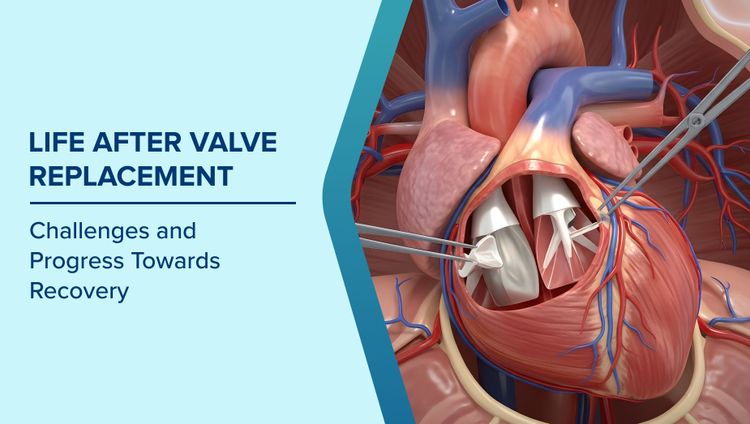
Life After Valve Replacement: Recovery, Challenges & Progress
Dr. Vishal Srivastava In Cardiac Surgery (CTVS)
Sep 17 , 2025 | 6 min read
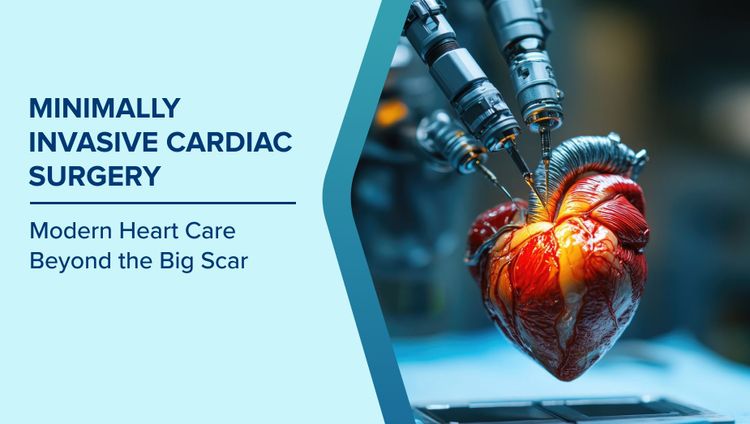
Minimally Invasive Heart Surgery: Types and Recovery Tips
Dr. Vishal Srivastava In Cardiac Surgery (CTVS)
Jan 05 , 2026 | 4 min read
Most read Blogs


Related Blogs
Dr. Ganesh Kumar Mani In Cardiac Sciences , Cardiac Surgery (CTVS)
Apr 25 , 2016 | 3 min read
Dr. Kewal Krishan In Cardiac Sciences , Cardiac Surgery (CTVS)
May 02 , 2016 | 4 min read
Blogs by Doctor
Life After Valve Replacement: Recovery, Challenges & Progress
Dr. Vishal Srivastava In Cardiac Surgery (CTVS)
Sep 17 , 2025 | 6 min read
Minimally Invasive Heart Surgery: Types and Recovery Tips
Dr. Vishal Srivastava In Cardiac Surgery (CTVS)
Jan 05 , 2026 | 4 min read
Most read Blogs