 WhatsApp Us (24/7)
 +91 926 888 0303 (24/7)


To Book an Appointment
Call Us+91 926 888 0303Minimally Invasive Heart Surgery: Types and Recovery Tips
By Dr. Vishal Srivastava in Cardiac Surgery (CTVS)
May 29 , 2026 | 4 min read
1

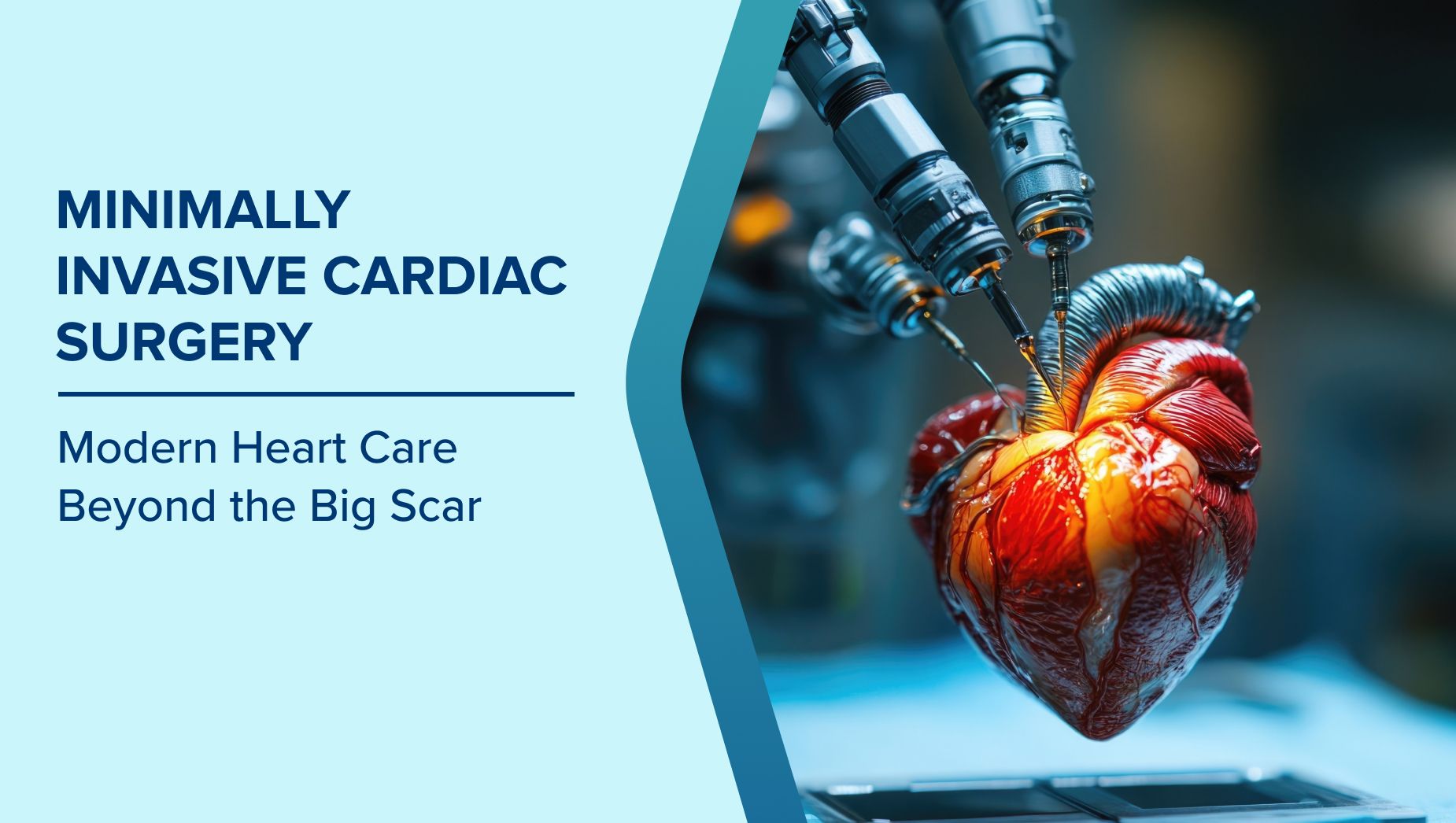
Minimally invasive heart surgery is an advanced surgical approach that uses smaller incisions instead of the large chest opening required in traditional open-heart surgery. These modern techniques help reduce pain, shorten hospital stays, and support faster recovery after heart surgery. Many patients are able to return to daily activities sooner with less discomfort and fewer complications. Due to these advantages, minimally invasive cardiac surgery has become an increasingly preferred option for treating several heart conditions, improving overall recovery and quality of life.
What Is Minimally Invasive Heart Surgery?
Minimally invasive heart surgery is a modern surgical technique used to treat heart conditions through small incisions in the chest rather than opening the breastbone completely.
Traditional open-heart surgery usually involves a long incision through the centre of the chest. In contrast, minimally invasive procedures use specialised instruments, cameras, and advanced surgical technology to access the heart through smaller openings.
Common Types of Minimally Invasive Cardiac Surgery
- Minimally invasive valve surgery
- Minimally invasive bypass surgery
- Robotic-assisted heart surgery
- Procedures for irregular heart rhythms
These techniques aim to provide effective treatment while reducing trauma to the body.
Conditions That Can Be Treated with Minimally Invasive Heart Surgery
Several heart conditions may be treated using minimally invasive approaches.
Commonly Treated Conditions
- Heart valve disease
- Coronary artery disease
- Certain congenital heart defects
- Atrial fibrillation and rhythm disorders
The suitability of surgery depends on the patient’s condition, overall health, and cardiac evaluation.
Why Recovery Is Faster with Minimally Invasive Heart Surgery
One of the biggest advantages of minimally invasive cardiac procedures is improved recovery.
Smaller Incisions
Smaller incisions mean less damage to muscles, bones, and surrounding tissues. This helps:
- Reduce surgical trauma
- Improve mobility after surgery
- Support quicker healing
Patients often experience less physical stress compared to traditional open-heart surgery.
Reduced Pain After Surgery
Because the chest bone may not need to be fully opened, patients usually experience less pain after surgery. Benefits include:
- Reduced discomfort during recovery
- Lower dependence on strong pain medications
- Easier breathing and movement after surgery
This makes recovery more comfortable for many patients.
Shorter Hospital Stay
Many patients recover faster and may leave the hospital earlier compared to traditional surgery. Potential advantages are:
- Faster stabilisation after surgery
- Reduced risk of prolonged hospitalisation
- Earlier return to home recovery
A shorter stay can also improve emotional well-being and reduce healthcare costs.
Lower Risk of Infection
Smaller incisions lower the exposure of internal tissues during surgery. This may reduce:
- Surgical wound infections
- Complications related to prolonged healing
- Recovery delays due to infection
Proper wound care still remains essential after surgery.
Less Blood Loss and Scarring
Minimally invasive procedures often involve less bleeding than traditional surgery. Additional benefits are:
- Reduced need for blood transfusions
- Smaller scars
- Better cosmetic outcomes
For many patients, smaller scars also improve confidence during recovery.
Faster Return to Daily Activities
A major benefit of minimally invasive heart surgery is the ability to resume normal life sooner. Patients may return earlier to:
- Walking and light exercise
- Daily household activities
- Work and social routines
Recovery timelines vary, but many individuals regain independence faster than with traditional surgery.
Minimally Invasive Heart Surgery vs Traditional Open-Heart Surgery
Key Differences
Minimally Invasive Heart Surgery
- Uses small chest incisions
- Causes less tissue damage
- Usually associated with less pain
- Often allows shorter hospital stays
- Smaller visible scars
- Faster healing after heart surgery
Traditional Open-Heart Surgery
- Requires a larger chest incision
- Often involves opening the breastbone
- Longer recovery period
- Greater discomfort after surgery
- Increased healing time for the chest bone
Both approaches can be effective, but minimally invasive surgery may offer significant recovery benefits for eligible patients.
What to Expect During Recovery
Recovery after minimally invasive heart surgery typically occurs in stages.
Immediate Recovery Phase
Patients are monitored closely in the hospital after surgery. Breathing, heart function, and pain levels are carefully assessed.
Activity Restrictions
During early recovery:
- Heavy lifting is avoided
- Gradual walking is encouraged
- Physical activity increases slowly over time
Following medical instructions is essential for proper healing.
Cardiac Rehabilitation
Many patients benefit from structured cardiac rehabilitation programs. These programs help:
- Improve heart strength
- Increase physical stamina
- Support safe return to normal activities
Follow-Up Care
Regular follow-up appointments allow doctors to monitor healing and recovery progress.
Who Is a Good Candidate for Minimally Invasive Heart Surgery?
Not every patient is suitable for minimally invasive procedures.
Factors Doctors Consider
- Type and severity of heart condition
- Overall physical health
- Previous surgeries
- Age and medical history
A cardiac surgeon evaluates whether this approach is safe and beneficial for each individual patient.
Potential Risks and Limitations
Although minimally invasive procedures offer many benefits, they still involve risks.
Possible Complications
- Bleeding
- Infection
- Irregular heartbeat
- Reactions to anesthesia
In some cases, traditional open-heart surgery may still be the safer or more effective option. This is why specialist evaluation is important before deciding on treatment.
Tips for Smooth Recovery After Heart Surgery
Following recovery recommendations can improve healing and reduce complications.
Recovery Tips
- Take medications exactly as prescribed
- Attend all follow-up appointments
- Follow a heart-healthy diet
- Stay physically active within advised limits
- Participate in cardiac rehabilitation if recommended
- Avoid smoking and alcohol
Healthy habits support long-term heart health and recovery.
When to Call Your Doctor After Surgery
Certain symptoms after surgery require immediate medical attention.
Warning Signs
- Fever or chills
- Chest pain that worsens
- Difficulty breathing
- Swelling or redness around the incision
- Unusual drainage from the wound
- Persistent dizziness or fainting
Prompt medical care can help prevent serious complications.
Conclusion
Minimally invasive heart surgery has transformed cardiac care by helping patients recover faster with less pain, smaller scars, and shorter hospital stays. Compared with traditional open-heart surgery, these advanced techniques often allow individuals to return to normal activities sooner, reduce complications, and improve comfort during recovery. However, not every patient is a suitable candidate, making expert evaluation essential. With proper treatment, rehabilitation, and follow-up care, minimally invasive cardiac surgery can significantly improve recovery outcomes, quality of life, and long-term heart health.
Frequently Asked Questions
How long does recovery from minimally invasive heart surgery take?
Recovery varies by procedure and overall health, but many patients resume normal activities within a few weeks, rather than several months, after traditional surgery.
Is minimally invasive heart surgery safer than open-heart surgery?
For suitable candidates, minimally invasive procedures may reduce certain risks such as infection and blood loss. However, safety depends on the patient’s condition and the surgeon's expertise.
Can elderly patients undergo minimally invasive heart surgery?
Yes, many older adults may benefit from smaller incisions and faster recovery, though eligibility depends on overall health and heart function.
Will there be visible scars after minimally invasive heart surgery?
Yes, but the scars are usually much smaller than those from traditional open-heart surgery and may fade over time.
How soon can patients walk after surgery?
Many patients begin walking with assistance within a day or two after surgery as part of the recovery process.
Is robotic heart surgery the same as minimally invasive surgery?
Robotic-assisted surgery is one form of minimally invasive surgery that uses robotic technology to improve precision during procedures.
Written and Verified by:

Related Blogs

Dr. Ganesh Kumar Mani In Cardiac Sciences , Cardiac Surgery (CTVS)
Apr 25 , 2016 | 3 min read

Dr. Kewal Krishan In Cardiac Sciences , Cardiac Surgery (CTVS)
May 02 , 2016 | 4 min read
Blogs by Doctor
Life After Valve Replacement: Recovery, Challenges & Progress
Dr. Vishal Srivastava In Cardiac Surgery (CTVS)
Sep 17 , 2025 | 6 min read

Most read Blogs


Related Blogs
Dr. Ganesh Kumar Mani In Cardiac Sciences , Cardiac Surgery (CTVS)
Apr 25 , 2016 | 3 min read
Dr. Kewal Krishan In Cardiac Sciences , Cardiac Surgery (CTVS)
May 02 , 2016 | 4 min read
Blogs by Doctor
Life After Valve Replacement: Recovery, Challenges & Progress
Dr. Vishal Srivastava In Cardiac Surgery (CTVS)
Sep 17 , 2025 | 6 min read
Most read Blogs