 WhatsApp Us (24/7)
 +91 926 888 0303 (24/7)


To Book an Appointment
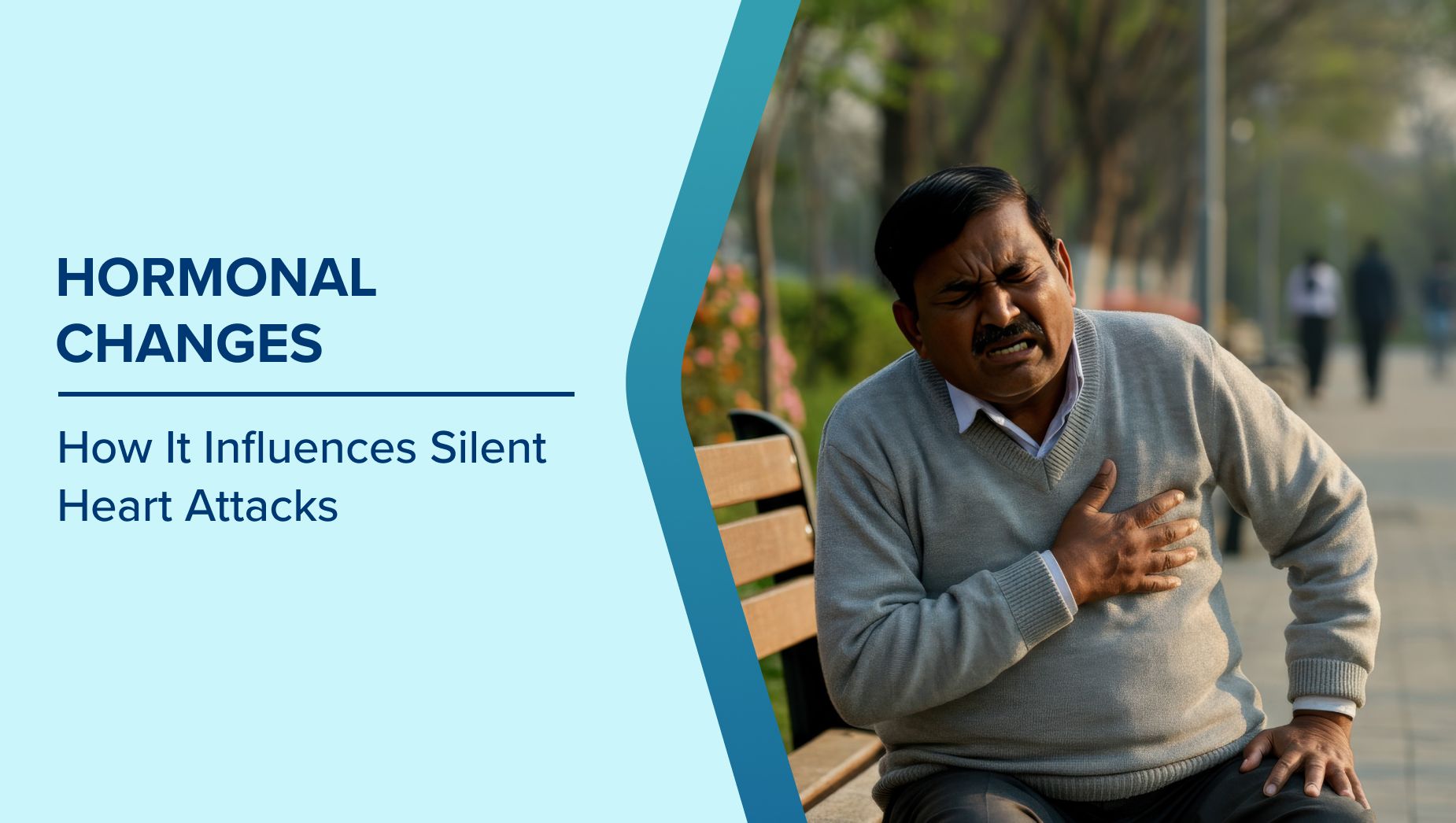
Call Us+91 926 888 0303Hormonal Changes: How It Influences Silent Heart Attacks
By Dr. Vaibhav Mishra in Cardiac Sciences , Cardiac Surgery (CTVS)
Sep 16 , 2025 | 4 min read

Silent heart attacks, also known as silent myocardial infarctions, often occur without obvious symptoms, leaving individuals unaware of the damage to their heart. While lifestyle factors and age play significant roles, hormonal changes are an often-overlooked contributor to hidden cardiac events.
Hormones regulate various bodily functions, including blood pressure, heart rate, cholesterol levels, and vascular health. Shifts in hormonal balance, whether due to ageing, stress, or endocrine disorders, can subtly affect the heart, sometimes leading to silent heart attacks.
Understanding the link between hormones and cardiovascular health is essential for proactive prevention and long-term heart protection.
Understanding Hormones and the Heart
Hormones are chemical messengers that influence many physiological processes, including heart function. Several hormones are particularly relevant to cardiovascular health:
- Oestrogen: Plays a protective role by maintaining flexible blood vessels and regulating cholesterol.
- Testosterone: Influences heart muscle strength, red blood cell production, and vascular tone.
- Thyroid hormones (T3 and T4): Regulate heart rate, cardiac output, and metabolism.
- Cortisol: The stress hormone, which affects blood pressure, inflammation, and glucose levels.
- Insulin: Influences blood sugar levels and can indirectly impact vascular health.
When the balance of these hormones is disrupted, the heart may become more susceptible to damage, even without the classic symptoms of a heart attack.
Hormonal Changes Across Life Stages
Menopause and Oestrogen Decline
For women, menopause marks a significant reduction in oestrogen levels. Oestrogen supports vascular flexibility, reduces inflammation, and helps maintain healthy cholesterol levels. As levels drop, arterial stiffness increases, LDL (“bad”) cholesterol rises, and blood pressure may elevate. These changes subtly raise the risk of silent heart attacks, often without noticeable warning signs.
Andropause and Testosterone Reduction
In men, testosterone levels slowly decline with age, a process sometimes called andropause. Lower testosterone can lead to reduced cardiac muscle strength, altered fat distribution, and increased arterial stiffness. These changes may contribute to silent myocardial damage, particularly in men with coexisting conditions such as obesity or diabetes.
Thyroid Dysfunction
Both hyperthyroidism and hypothyroidism can affect heart health. Overactive thyroid increases heart rate and oxygen demand, while an underactive thyroid may slow heart function and increase cholesterol levels. In either case, unnoticed cardiac strain may predispose individuals to silent heart attacks.
Stress Hormones and Chronic Strain
Cortisol, released in response to stress, can influence blood pressure, glucose levels, and inflammation. Chronic stress keeps cortisol levels elevated, which over time can damage blood vessels, increase plaque formation, and quietly raise the risk of a heart attack.
Detecting Hidden Heart Damage in Hormone-Related Cases
Early detection is key, especially when hormonal changes are involved. Even if no symptoms are present, several diagnostic tools can identify silent heart attacks:
- Advanced cardiac imaging: MRI or CT angiography can reveal areas of heart muscle damage.
- Electrocardiogram (ECG): Detects subtle electrical changes indicative of past infarcts.
- Echocardiography: Evaluates heart function and structural changes.
- Routine check-ups: Regular blood pressure monitoring, cholesterol checks, and endocrine assessments can help identify risk early.
Patients experiencing significant hormonal changes, such as post-menopausal women or men with low testosterone, should discuss regular heart monitoring with their healthcare provider.
Managing Hormonal Imbalances to Protect Heart Health
Lifestyle Strategies
- Exercise: Aerobic activity and strength training improve vascular flexibility, boost heart function, and help regulate hormones.
- Nutrition: Diets rich in fruits, vegetables, whole grains, lean proteins, and omega-3 fatty acids support both hormonal balance and cardiac health.
- Stress management: Mindfulness, meditation, and adequate sleep reduce cortisol levels and cardiovascular strain.
Medical Interventions
- Hormone replacement therapy (HRT): For select post-menopausal women, HRT can restore some oestrogen benefits, though it must be monitored carefully due to potential risks.
- Thyroid management: Correcting hypo- or hyperthyroidism helps normalise heart rate and metabolism.
- Testosterone therapy: In men with clinically low testosterone, replacement therapy may support cardiac function under medical supervision.
Preventive Care
Routine screenings and collaboration between cardiologists and endocrinologists ensure that hormonal changes are addressed in the context of heart health.
Special Considerations for Women and Men
- Women: Post-menopausal oestrogen loss significantly increases silent heart attack risk. Tailored monitoring, a healthy lifestyle, and careful HRT evaluation are crucial.
- Men: Testosterone decline and age-related metabolic changes warrant regular cardiac assessment, especially in the presence of obesity, diabetes, or high blood pressure.
Understanding these gender-specific factors allows for personalised preventive strategies that reduce the likelihood of undetected heart events.
Long-Term Outlook and Quality of Life
By recognising the interplay between hormones and heart health, individuals can take proactive measures:
- Maintaining hormonal balance through medical care and lifestyle adjustments.
- Following a structured exercise and nutrition plan to support vascular health.
- Regular cardiovascular monitoring to detect early signs of silent heart attacks.
- Addressing stress and mental health to mitigate cortisol-related cardiac strain.
Such measures not only reduce the risk of silent heart attacks but also enhance overall well-being and longevity.
Conclusion
Hormonal changes, whether due to ageing, stress, or endocrine disorders, can quietly affect heart health, sometimes resulting in silent heart attacks. Recognising this link empowers individuals to take proactive steps, through lifestyle modification, medical management, and regular monitoring, to protect their hearts. Silent heart attacks may go unnoticed, but their consequences are serious; understanding and addressing hormonal influences is a vital step toward maintaining long-term cardiac health.
FAQs
Can hormonal fluctuations affect recovery after a silent heart attack?
Yes, hormonal imbalances, such as low thyroid function or elevated cortisol levels, can slow tissue repair, affect heart muscle recovery, and influence energy levels, making structured rehabilitation even more important.
Are there specific biomarkers that indicate hormonal impact on heart health?
Certain blood markers, including high-sensitivity C-reactive protein (hs-CRP), natriuretic peptides, and lipid profile changes influenced by hormones, can reveal early cardiovascular stress and silent damage.
How do hormonal contraceptives impact the risk of silent heart attacks in women?
Some combined oral contraceptives may slightly increase blood clotting and vascular strain, particularly in women with other risk factors such as obesity or smoking, potentially contributing to silent cardiac events.
How do hormonal therapies for cancer or chronic illness affect silent heart attack risk?
Treatments such as chemotherapy, steroid therapy, or hormone-blocking medications can indirectly affect cardiac function, blood pressure, and vascular health, increasing the likelihood of silent myocardial events.
Do hormonal fluctuations affect post-heart attack exercise tolerance?
Yes, hormonal imbalances can impact muscle strength, fatigue levels, and endurance, which may require customised cardiac rehabilitation plans to safely rebuild cardiovascular fitness.
Written and Verified by:

Related Blogs

Dr. Ritwick Raj Bhuyan In Cardiac Sciences , Cardiac Surgery (CTVS)
Nov 08 , 2020 | 2 min read

Dr. Gaurav Minocha In Cardiac Sciences
Nov 08 , 2020 | 4 min read
Blogs by Doctor

Tachycardia: Causes, Symptoms and Treatment
Dr. Vaibhav Mishra In Cardiac Surgery (CTVS)
May 16 , 2024 | 11 min read

Stress and Hypertension: How Stress Leads to High Blood Pressure
Dr. Vaibhav Mishra In Cardiac Sciences , Cardiac Surgery (CTVS)
Jun 17 , 2024 | 2 min read
Most read Blogs


Related Blogs
Dr. Ritwick Raj Bhuyan In Cardiac Sciences , Cardiac Surgery (CTVS)
Nov 08 , 2020 | 2 min read
Dr. Gaurav Minocha In Cardiac Sciences
Nov 08 , 2020 | 4 min read
Blogs by Doctor
Tachycardia: Causes, Symptoms and Treatment
Dr. Vaibhav Mishra In Cardiac Surgery (CTVS)
May 16 , 2024 | 11 min read
Stress and Hypertension: How Stress Leads to High Blood Pressure
Dr. Vaibhav Mishra In Cardiac Sciences , Cardiac Surgery (CTVS)
Jun 17 , 2024 | 2 min read
Most read Blogs