 WhatsApp Us (24/7)
 +91 926 888 0303 (24/7)


Best Cardiologists in Mohali
To Book an Appointment
Call us+91 92688 80303To Book an Appointment
Call us+91 92688 80303Filters
Doctors Available

Dr. Sudheer Saxena
Senior Director & Head of Department Cardiology
Cardiac Sciences, Cardiology, Cardiac Electrophysiology-Pacemaker
Gender: Male
{"FirstAvailable":"2026-06-30 11:00 PM","FirstInHospital":"2026-06-30 11:00 PM","FirstVC":"","Hospital":{"max-super-speciality-hospital-mohali":{"FirstAvailable":"2026-06-30 11:00 PM","FirstInHospital":"2026-06-30 11:00 PM","FirstVC":""}}}

Dr. Kapil K Chattree
Director - Cardiac Sciences - Cardiology
Cardiac Sciences, Cardiology, Cardiac Electrophysiology-Pacemaker
Experience: 22+ Years
Gender: Male
{"FirstAvailable":"2026-06-30 10:00 AM","FirstInHospital":"2026-06-30 10:00 AM","FirstVC":"","Hospital":{"max-super-speciality-hospital-mohali":{"FirstAvailable":"2026-06-30 10:00 AM","FirstInHospital":"2026-06-30 10:00 AM","FirstVC":""}}}

Dr. Gagandip Singh
Associate Director - Cardiac Sciences - Cardiology
Cardiac Sciences, Cardiology, Cardiac Electrophysiology-Pacemaker
Experience: 22+ Years
Gender: Male
{"FirstAvailable":"2026-06-30 10:00 AM","FirstInHospital":"2026-06-30 10:00 AM","FirstVC":"","Hospital":{"max-super-speciality-hospital-mohali":{"FirstAvailable":"2026-06-30 10:00 AM","FirstInHospital":"2026-06-30 10:00 AM","FirstVC":""}}}
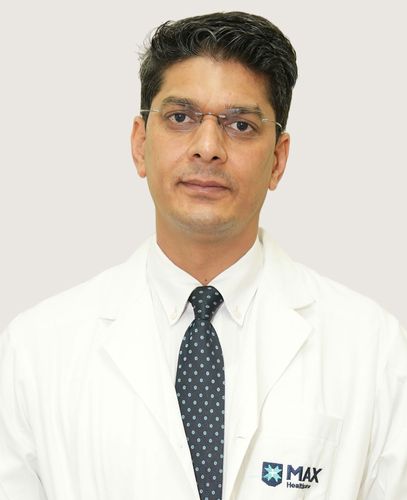
{"FirstAvailable":"2026-06-30 10:15 AM","FirstInHospital":"2026-06-30 10:15 AM","FirstVC":"","Hospital":{"max-super-speciality-hospital-mohali":{"FirstAvailable":"2026-06-30 10:15 AM","FirstInHospital":"2026-06-30 10:15 AM","FirstVC":""}}}
Can't find what you are looking for?
At Max Hospital, Mohali, we understand how important it is to receive high-quality care for heart conditions. Our team of cardiologists is among the best in the region, recognised for their expertise and experience in treating a variety of heart conditions. With highly-experienced specialists and intensively trained nursing staff, we offer a wide range of services, covering all your heart health needs, starting from diagnosis to advanced treatments and ongoing care. If you require exceptional heart care, our team of cardiologists has got you covered.
Conditions Treated by Cardiologists at Max Hospital, Mohali
Our experienced cardiologists in Mohali treat a variety of heart-related conditions. Some of the conditions we treat include:
- Angina (chest pain)
- Atherosclerosis
- High cholesterol
- Heart failure
- Sudden cardiac arrest
- Blood clots
- Heart attack
- Cardiogenic shock
- Endocarditis
- Cardiomyopathy
- Heart abnormalities
- Myocarditis
- Heart valve issues
- Aneurysm
- Stenosis
- Pericarditis
- Arrhythmias
- Congestive heart disease
- Coronary heart disease
Why Choose Max Hospital, Mohali, for Cardiovascular Treatment
Here are some reasons why Max Hospital in Mohali is a great choice for heart treatment:
- Top Cardiologists: We have some of the most skilled cardiologists, known for their experience in treating various heart conditions.
- Advanced Technology: We use the latest technology to diagnose and treat heart problems, ensuring the best possible outcomes.
- Comprehensive Services: We offer everything from preventive care to advanced treatments, making sure all aspects of your heart health are covered.
- Team Approach: Our cardiologists work closely with other specialists to provide you with the best possible care.
- Personalized Care: We understand that each person’s heart health is different. Our team works with you to create a care plan that’s right for you, with the support you need along the way.
Frequently Asked Questions
You should see a cardiologist if you have symptoms like chest pain, shortness of breath, heart palpitations, dizziness, or swelling in your legs. Also, if you have a family history of heart disease, high blood pressure, high cholesterol, diabetes, or if you smoke, it’s a good idea to consult a cardiologist. Regular check-ups are especially important if you've already been diagnosed with any heart condition.
During your first visit, the cardiologist will ask about your medical history and symptoms, and will do a physical exam. Tests like ECG or blood tests may also be performed to better understand your heart health.
Cardiologists use a variety of tests to check the heart, such as:
- Electrocardiogram (ECG)
- Echocardiogram (ultrasound of the heart)
- Stress Test
- Holter Monitor (a portable ECG)
- Blood Tests
These tests help diagnose issues such as heart disease or arrhythmias.
Before your appointment, bring a list of any medications you’re taking and any past test results. It’s also helpful to note down any symptoms you’ve had, including when they occur or if they’re triggered by certain activities. If you have a family history of heart disease, gather as much information as possible about your relatives' conditions. Apart from that, it is always best to arrive a little early, so you have ample time to do any necessary paperwork.
Most cardiologists do not perform surgeries, but certain cardiologists (interventional cardiologists) may do procedures like angioplasty or stent placement. For more complex surgeries, like heart bypass or valve replacement, you’ll be referred to a cardiac surgeon.
A cardiologist diagnoses and treats heart conditions through lifestyle changes, medications and non-invasive procedures. They manage a wide range of heart diseases, including hypertension, high cholesterol, heart failure, and arrhythmias. An interventional cardiologist, on the other hand, specializes in minimally invasive procedures using catheters to treat heart conditions such as CAD, heart valve problems, congenital defects, peripheral artery disease, and certain arrhythmias.
The frequency of visits depends on your health. If you have a heart condition, follow-up visits are important, usually once or twice a year. If you’re seeing the cardiologist for preventive care, an annual check-up may be recommended.
If you have chest pain, it’s important to seek medical attention right away. Call emergency services or go to the nearest hospital, especially if the pain lasts more than a few minutes or is accompanied by symptoms like shortness of breath, nausea, or sweating.
Some common risk factors for heart disease include:
- High blood pressure
- High cholesterol
- Diabetes
- Smoking
- Obesity
- Lack of exercise
- Poor diet
- Family history of heart disease
By managing these risks through lifestyle changes and medical care, you can lower your chances of developing heart disease.
To reduce the risk of heart disease, focus on maintaining a healthy lifestyle. This includes eating a heart-healthy diet, staying physically active, keeping a healthy weight, avoiding smoking, and limiting alcohol consumption. Regular health check-ups can help track and manage any risk factors, such as high blood pressure or cholesterol.
Yes, if you’ve already been diagnosed and are seeking another opinion, our cardiologists can review your medical records and provide their professional advice to make sure you get the best care.
At Max Hospital, patient safety is a top priority. We follow strict guidelines to prevent infections and ensure that our heart treatments and surgeries are carried out in a clean and safe environment.
After treatment, our team will provide follow-up care to monitor your heart health and address any concerns you may have. Our goal is to help you recover well and maintain a healthy heart.
Reviewed by Dr. Gagandip Singh, Associate Director - Cardiac Sciences - Cardiology, Cardiac Electrophysiology-Pacemaker, on 27 Nov 2024.