 WhatsApp Us (24/7)
 +91 926 888 0303 (24/7)


To Book an Appointment
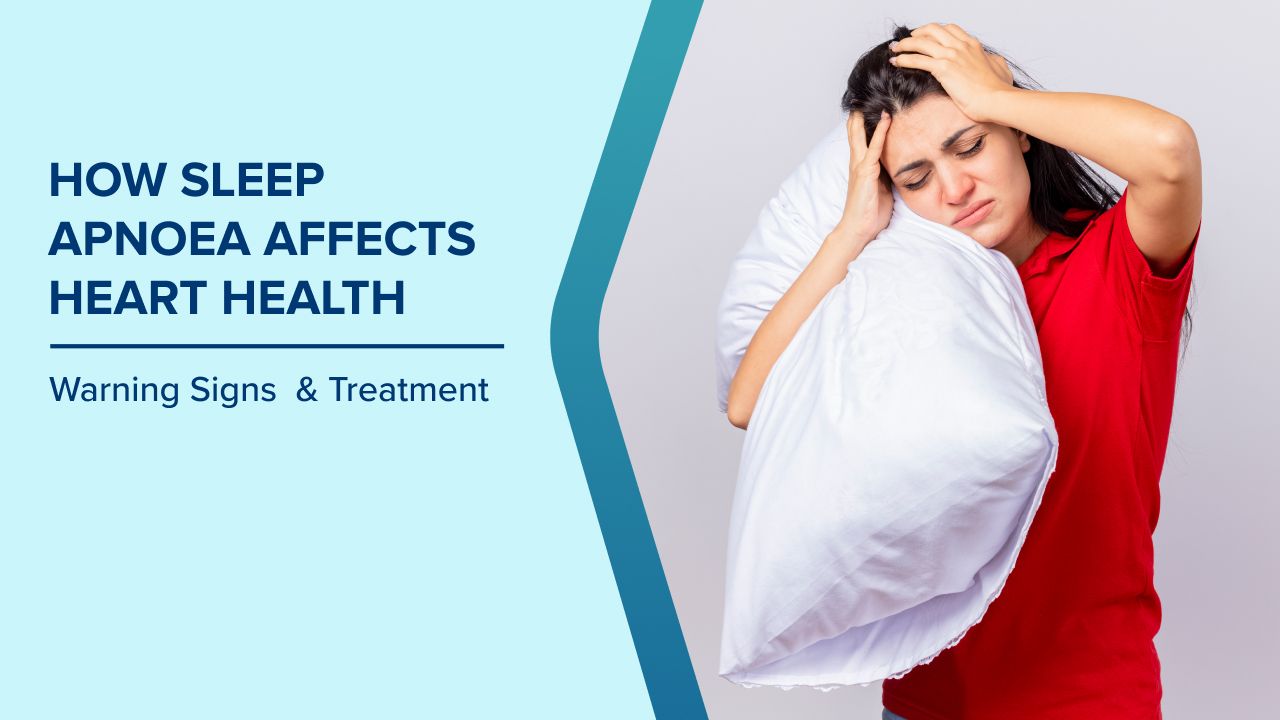
Call Us+91 926 888 0303How Sleep Apnoea Affects Heart Health: Warning Signs & Treatment
By Dr. Rohit Goel in Cardiac Sciences , Cardiology
Feb 06 , 2026

Sleep is the body’s natural repair time, but for people with sleep apnoea, those hours of rest are repeatedly disrupted. Sleep apnoea is more than just loud snoring or poor sleep quality; if left untreated, it can place serious strain on the heart and blood vessels, increasing the risk of long-term cardiovascular problems.
What Is Sleep Apnoea?
Sleep apnoea is a condition where breathing repeatedly becomes shallow or pauses during sleep. The most common form, known as obstructive sleep apnoea, happens when the muscles at the back of the throat relax and temporarily block airflow. These breathing interruptions can last from a few seconds to more than a minute and may occur many times within an hour of sleep.
These repeated interruptions reduce oxygen levels in the blood and force the body to wake up briefly to resume breathing, often without the person realising it.
The Link Between Sleep Apnoea and Heart Health
Increased Risk of High Blood Pressure
When oxygen levels drop during apnoea episodes, the body releases stress hormones. These hormones make the blood vessels tighten and force the heart to pump with more effort, resulting in consistently high blood pressure, particularly during the night. Over time, this significantly increases the risk of heart disease and stroke.
Higher Chance of Heart Attack
Sleep apnoea causes repeated stress on the heart due to oxygen deprivation and sudden spikes in blood pressure. This strain can damage blood vessels and accelerate the build-up of plaque, raising the risk of heart attacks, particularly in people with untreated moderate to severe sleep apnoea.
Irregular Heartbeats (Arrhythmias)
Low oxygen levels and disrupted sleep can interfere with the heart’s electrical system, increasing the risk of arrhythmias such as atrial fibrillation. These abnormal rhythms can lead to palpitations, dizziness, and a higher risk of stroke.
Worsening Heart Failure
In people who already have heart failure, sleep apnoea can worsen symptoms by forcing the heart to pump harder against increased pressure in the lungs. Managing sleep apnoea has been shown to improve heart function and quality of life in many heart failure patients.
Increased Risk of Stroke
The combination of high blood pressure, irregular heart rhythms, and damaged blood vessels significantly raises the risk of stroke in people with untreated sleep apnoea.
Warning Signs You Shouldn’t Ignore
Many people don’t realise they have sleep apnoea. Common symptoms include:
- Loud, chronic snoring
- Pauses in breathing during sleep (often noticed by a partner)
- Gasping or choking at night
- Excessive daytime sleepiness
- Morning headaches
- Poor concentration or irritability
If you have these symptoms, especially along with high blood pressure or heart disease, it’s important to consult a specialist at Max Hospital, Gurugram.
Can Treating Sleep Apnoea Improve Heart Health?
Yes. Early diagnosis and treatment can significantly reduce cardiovascular risks. Common treatment options available at Max Hospital, Gurugram include:
- CPAP (Continuous Positive Airway Pressure) therapy
- Oral appliances for mild cases
- Weight management and lifestyle changes
- Treating nasal or airway issues when needed
Many patients see improvements in blood pressure, heart rhythm stability, energy levels, and overall heart health after treatment.
Sleep apnoea is not just a sleep problem; it’s a serious heart health issue. Ignoring it can silently increase the risk of high blood pressure, heart attack, stroke, and heart failure. If you or a loved one snores loudly, feels excessively tired, or has heart-related conditions, a sleep evaluation could be a lifesaving step.
Written and Verified by:

Related Blogs

Dr. Ritwick Raj Bhuyan In Cardiac Sciences , Cardiac Surgery (CTVS)
Nov 08 , 2020 | 2 min read

Dr. Gaurav Minocha In Cardiac Sciences
Nov 08 , 2020 | 4 min read
Blogs by Doctor
Most read Blogs


Related Blogs
Dr. Ritwick Raj Bhuyan In Cardiac Sciences , Cardiac Surgery (CTVS)
Nov 08 , 2020 | 2 min read
Dr. Gaurav Minocha In Cardiac Sciences
Nov 08 , 2020 | 4 min read
Blogs by Doctor
Most read Blogs