 WhatsApp Us (24/7)
 +91 926 888 0303 (24/7)


To Book an Appointment
Call Us+91 926 888 0303When Chest Pain Sign a Heart Emergency: Symptoms & Prevention
By Dr. Rohit Goel in Cardiac Sciences , Cardiology
Feb 12 , 2026

Chest pain is one of the most alarming symptoms a person can experience. It does not always feel dramatic or severe, and many people delay medical care because they are unsure whether it is serious.
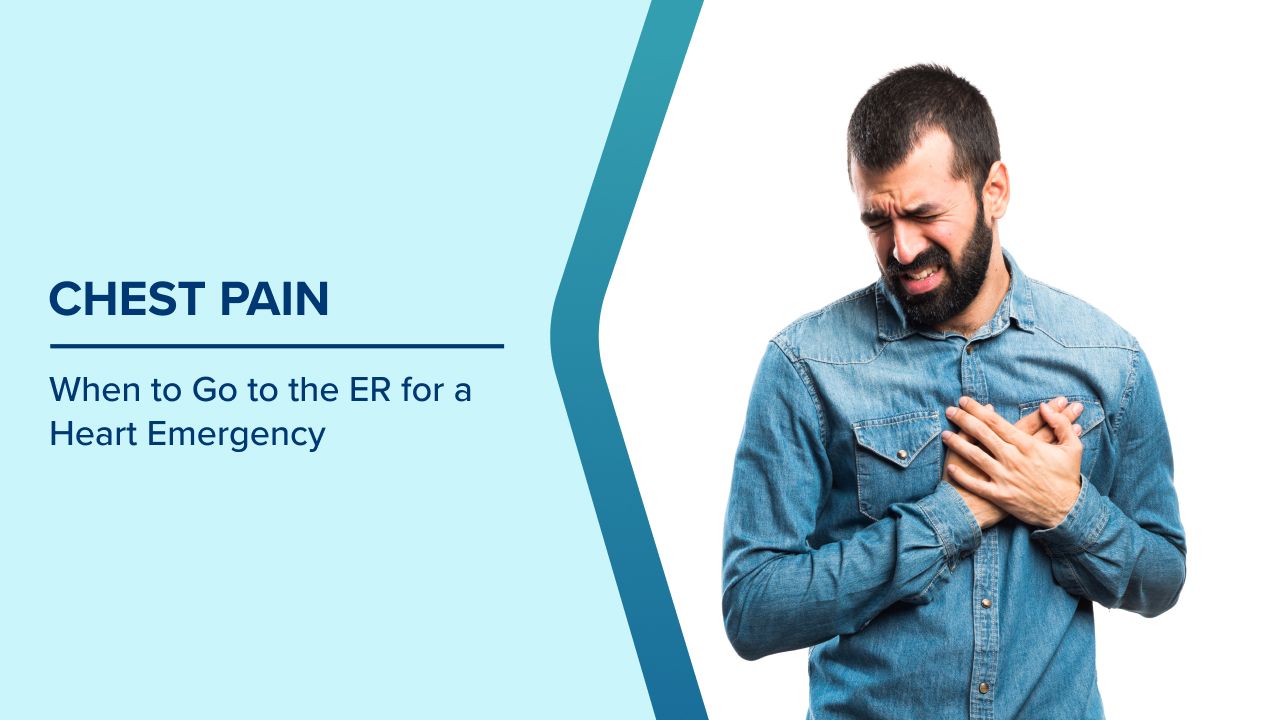
Chest pain refers to discomfort, pressure, tightness, heaviness, or pain felt anywhere in the chest. While some causes are harmless, others can signal a heart emergency that needs immediate treatment. Heart-related chest pain occurs when the heart muscle does not receive enough oxygen-rich blood, which can lead to permanent damage or even death if ignored. Understanding how to recognise dangerous chest pain, how it differs from non-cardiac pain, and when to seek urgent care can save lives.
Why Chest Pain Should Never Be Ignored
Chest pain is dangerous because the heart has a very limited tolerance for oxygen deprivation. When blood flow to the heart is reduced, heart cells begin to suffer damage within minutes. Many people assume a heart emergency always causes severe pain, but this is not true. Important reasons chest pain is often ignored include:
- Symptoms can be mild or vague: Pressure, tightness, or burning may feel like indigestion or muscle strain.
- Pain may come and go: Intermittent chest pain can falsely reassure people that it is not serious.
- Associated symptoms may seem unrelated: Breathlessness, nausea, jaw pain, or fatigue are often overlooked.
- Younger or healthy-looking people feel low risk: Heart emergencies can occur even without known heart disease.
Delaying care during a heart emergency increases the risk of heart failure, abnormal heart rhythm, stroke, or sudden cardiac arrest.
What Heart-Related Chest Pain Really Feels Like
Heart-related chest pain does not always feel like sharp pain. Many patients describe it differently.
Common Descriptions of Cardiac Chest Pain
- Pressure or heaviness in the centre or left side of the chest
- Tightness that feels like a weight sitting on the chest
- Burning or squeezing sensation
- Pain spreading to the left arm, shoulder, jaw, neck, or back
- Discomfort that worsens with exertion and improves with rest
Symptoms That Often Accompany Heart Pain
- Shortness of breath
- Cold sweating
- Nausea or vomiting
- Lightheadedness or dizziness
- Sudden fatigue or weakness
If chest pain is associated with these symptoms, it should always be treated as a medical emergency until proven otherwise.
Chest Pain That Signals a Heart Emergency
Certain chest pain patterns are particularly dangerous and require immediate emergency care.
- Chest Pain During a Heart Attack: Heart attack chest pain often lasts longer than a few minutes and does not fully go away with rest. It may gradually increase in intensity and be accompanied by breathlessness or sweating.
- Chest Pain With Sudden Shortness of Breath: This may indicate a heart rhythm disorder, heart failure, or a life-threatening blood clot in the lungs.
- Chest Pain With Dizziness or Fainting: This can signal dangerous heart rhythm problems that affect blood flow to the brain.
- Chest Pain That Occurs at Rest or During Sleep: Pain that wakes a person from sleep or occurs without physical activity is especially concerning.
Chest Pain That Is Less Likely to Be From the Heart
Not all chest pain comes from the heart, but only a doctor can determine that. Possible non-cardiac causes include:
- Acid reflux or stomach irritation
- Muscle strain or chest wall inflammation
- Anxiety or panic episodes
- Lung infections or pleurisy
However, it is important to understand that heart disease and non-cardiac conditions can exist together. Never assume chest pain is harmless without proper assessment.
Who Is at Higher Risk of a Heart Emergency
Some people are at higher risk even if they feel generally healthy. Higher-risk groups include:
- People with high blood pressure or diabetes
- Smokers or former smokers
- Individuals with high cholesterol
- People with obesity or a sedentary lifestyle
- Those with a family history of heart disease
- Women after menopause
- People with chronic stress or sleep disorders
Young adults are not immune. Heart attacks in people under forty are increasingly reported worldwide.
When to Go to the ER for Chest Pain
You should seek emergency care immediately if chest pain is associated with:
- Difficulty breathing
- Sweating or nausea
- Pain spreading to the arm, jaw, or back
- Dizziness or fainting
- Irregular or very fast heartbeat
- A feeling of impending doom
Calling emergency services is safer than driving yourself, as treatment can begin immediately. Tertiary care centres such as Max Hospital, Gurugram are equipped to rapidly assess and manage cardiac emergencies using advanced diagnostic and treatment protocols.
What Happens in the ER for Chest Pain
Many people hesitate to go to the ER because they fear embarrassment or unnecessary testing. Understanding the process helps reduce anxiety.
Initial Assessment
Doctors quickly check vital signs, oxygen levels, and heart rhythm.
Key Tests Used
- An electrocardiogram to detect heart rhythm and heart attack changes
- Blood tests to check for heart muscle injury
- Chest imaging to evaluate the lungs and heart size
These tests help quickly rule out life-threatening conditions.
Can Chest Pain Be the First Sign of a Heart Attack or Stroke
Yes, chest pain may be the first warning sign of a heart attack. In some cases, irregular heartbeat or blood clots related to heart disease can also increase stroke risk. Early diagnosis allows timely treatment that can restore blood flow and prevent permanent damage.
Prevention and Heart Health Awareness
Preventing heart emergencies starts long before symptoms appear. Heart-healthy measures include:
- Regular blood pressure and cholesterol checks
- Managing diabetes effectively
- Avoiding tobacco
- Maintaining regular physical activity
- Managing stress and sleep
Listening to your body and acting early is one of the most powerful forms of prevention.
Conclusion
Chest pain is a symptom that deserves respect and timely attention. While not every episode signals a heart emergency, the risk of missing a serious cardiac condition is far greater than the inconvenience of seeking care. Heart emergencies often present subtly, and early action can prevent irreversible damage. If chest pain feels unusual, persistent, or frightening, trust your instincts and seek medical help.
Frequently Asked Questions
Is chest pain always a heart emergency?
No, but it should always be evaluated by a doctor. Heart-related chest pain can feel mild or atypical, so medical assessment is the only safe way to rule out danger.
Can anxiety cause chest pain that feels like a heart attack?
Yes, anxiety can cause chest tightness and rapid heartbeat. However, anxiety-related chest pain should only be diagnosed after heart causes are excluded.
How do I know if chest pain is gas-related or heart-related?
Heart pain often comes with breathlessness, sweating, or radiation to the arm or jaw. Gas pain usually improves with movement or burping, but only testing can confirm the cause.
Can women have different heart attack symptoms?
Yes, women may experience nausea, fatigue, back pain, or shortness of breath instead of classic chest pain. This is why heart emergencies in women are sometimes missed.
What should I do while waiting for emergency help?
Sit or lie down, avoid exertion, loosen tight clothing, and follow emergency instructions. Do not ignore symptoms or attempt self-treatment.
Written and Verified by:

Related Blogs

Dr. Ritwick Raj Bhuyan In Cardiac Sciences , Cardiac Surgery (CTVS)
Nov 08 , 2020 | 2 min read

Dr. Gaurav Minocha In Cardiac Sciences
Nov 08 , 2020 | 4 min read
Blogs by Doctor

Most read Blogs


Related Blogs
Dr. Ritwick Raj Bhuyan In Cardiac Sciences , Cardiac Surgery (CTVS)
Nov 08 , 2020 | 2 min read
Dr. Gaurav Minocha In Cardiac Sciences
Nov 08 , 2020 | 4 min read
Blogs by Doctor
Most read Blogs