 WhatsApp Us (24/7)
 +91 926 888 0303 (24/7)


To Book an Appointment
Call Us+91 926 888 0303Why Hands Turn Blue in Winter: Causes, Warning Signs & Care
By Dr. Amit Pendharkar in Cardiac Sciences , Cardiology , Interventional Cardiology
Jan 09 , 2026
1

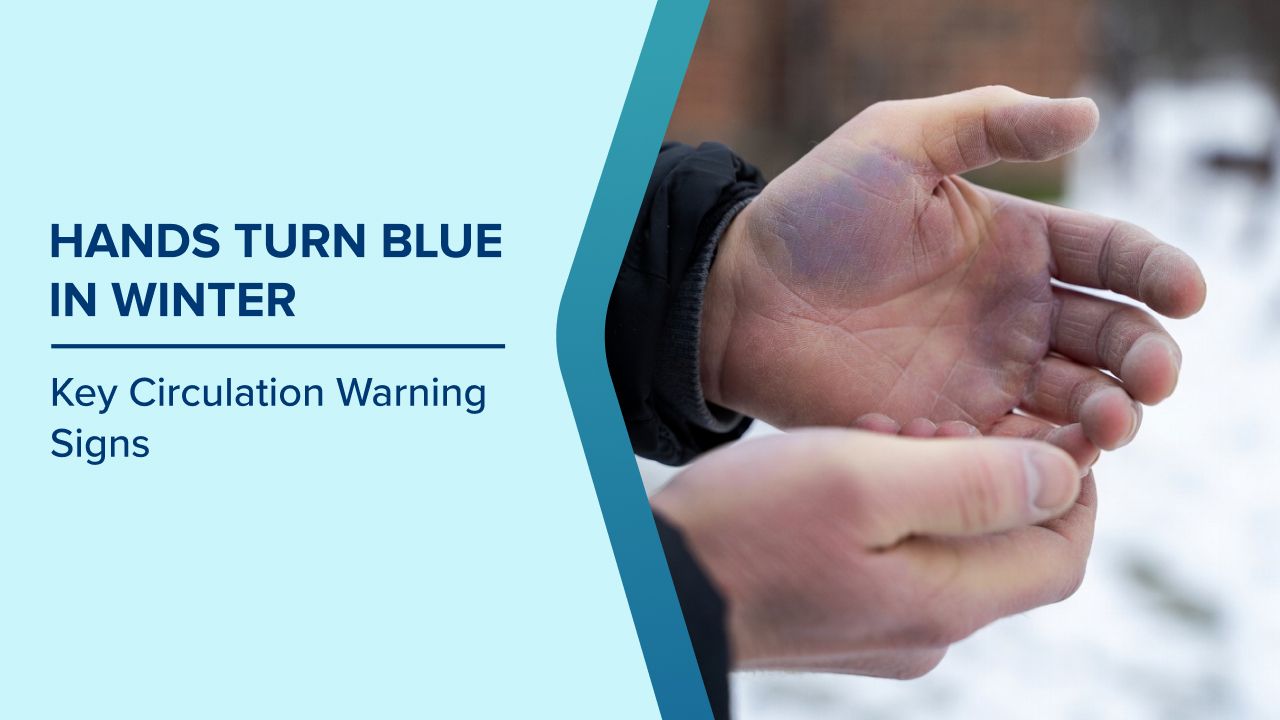
Many people notice their hands turning pale, bluish, or even purple during winter. It can happen while walking outside, holding a cold steering wheel, or sometimes even when sitting indoors in a chilly room. For many, this is simply a reaction to cold air. For others, blue hands can be a sign that the body is struggling with circulation or reacting too strongly to cold temperatures.
If you have ever looked down at your fingers on a winter morning and wondered why they changed colour, you are not alone. Search trends every winter show a spike in questions about blue hands in winter, poor circulation symptoms, Raynaud’s in winter, and the causes of cold hands. People want to know what is normal and when it is time to see a doctor.
What It Means When Hands Turn Blue in Winter
When your hands turn blue in winter, it usually means blood flow has slowed down. The body’s natural defence in cold weather is to keep heat inside the core. To do that, it temporarily reduces blood supply to the skin, fingers, and toes. With less warm blood reaching the hands, the skin may look pale, bluish, or slightly purple.
In most cases, this change is harmless and improves once you warm your hands. But sometimes it is a sign of something deeper, especially if the colour change happens often, comes with pain, or affects daily life.
Common reasons the hands look blue include:
- Reduced blood flow due to cold
- Reaction to stress
- Low oxygen reaching the tissues
- Narrowing of small blood vessels
- Underlying health conditions affecting circulation
Understanding the cause helps you know whether it is a normal winter reaction or something that needs medical attention.
How Winter Affects Blood Circulation
Cold weather has a direct impact on circulation. When temperatures drop, the body reacts in several ways:
- Blood vessels tighten: Cold air makes the tiny blood vessels in your fingers shrink. This process is called vasoconstriction.
- Blood stays near vital organs: The body pulls blood away from the skin and limbs to protect the heart, lungs, and brain.
- Movement decreases: Sitting for long hours reduces circulation in the hands and feet.
- Dry air affects the skin: Cold air absorbs moisture, making skin more sensitive to temperature changes.
These natural reactions can make the hands feel cold, numb, stiff, or discoloured.
Common Medical and Non-Medical Causes of Blue Hands
Blue hands in winter do not always mean there is a serious medical problem. Still, it is helpful to understand the different causes.
Raynaud’s Phenomenon
Raynaud’s is one of the most common reasons for blue hands in winter. The small blood vessels in the fingers become extremely sensitive to cold.
- Fingers turn white, then blue, then red
- Tingling or burning when they warm up
- Symptoms triggered by cold or stress
- Attacks lasting minutes or hours
Raynaud’s can happen on its own or as part of another health condition.
Normal Reaction to Cold
Some people naturally have colder hands because of a thinner build, low body fat, or mild circulation sensitivity.
Poor Circulation
Conditions that slow blood flow include:
- Diabetes
- High cholesterol
- Anemia
- Heart and blood vessel problems
- Low blood pressure
Tight Clothing or Jewellery
Gloves that are too tight or wrist accessories can restrict blood flow.
Smoking
Nicotine narrows blood vessels and slows circulation.
Certain Medications
Some medicines that affect blood pressure or the nervous system can trigger colour changes in cold weather.
Warning Signs That Need Medical Attention
Seek medical help if you notice:
- Persistent blue or purple hands indoors
- Severe pain or swelling
- Sores that do not heal
- Long-lasting numbness
- Colour changes without cold exposure
- Weak grip or finger stiffness
- Breathing problems with blue fingers
Simple Home Care Remedies
- Warm water soak: Relaxes blood vessels
- Layer clothing: Keep wrists warm
- Finger movement: Improves circulation
- Hand massage: Generates warmth
- Warm fluids: Raises body temperature
- Avoid sudden temperature changes
Prevention Tips for Healthy Circulation
- Stay physically active
- Wear insulated gloves
- Avoid smoking
- Keep the whole body warm
- Stay hydrated
- Eat iron- and vitamin-rich foods
- Manage stress
When to Visit a Doctor
- Frequent blue hands
- No improvement with warmth
- Recurring pain or numbness
- Suspected Raynaud’s
- Existing circulation problems
- Blue hands with chest discomfort or breathlessness
Written and Verified by:

Related Blogs

Dr. Ritwick Raj Bhuyan In Cardiac Sciences , Cardiac Surgery (CTVS)
Nov 08 , 2020 | 2 min read

Dr. Gaurav Minocha In Cardiac Sciences
Nov 08 , 2020 | 4 min read
Blogs by Doctor

What is Heart Diseases: Causes and Prevention
Dr. Amit Pendharkar In Cardiac Sciences , Cardiology , Interventional Cardiology
Oct 28 , 2024 | 3 min read

High Blood Pressure and High Cholesterol: The Silent Health Threats
Dr. Amit Pendharkar In Cardiac Sciences , Cardiology , Interventional Cardiology
Oct 07 , 2025 | 3 min read
Most read Blogs


Related Blogs
Dr. Ritwick Raj Bhuyan In Cardiac Sciences , Cardiac Surgery (CTVS)
Nov 08 , 2020 | 2 min read
Dr. Gaurav Minocha In Cardiac Sciences
Nov 08 , 2020 | 4 min read
Blogs by Doctor
What is Heart Diseases: Causes and Prevention
Dr. Amit Pendharkar In Cardiac Sciences , Cardiology , Interventional Cardiology
Oct 28 , 2024 | 3 min read
High Blood Pressure and High Cholesterol: The Silent Health Threats
Dr. Amit Pendharkar In Cardiac Sciences , Cardiology , Interventional Cardiology
Oct 07 , 2025 | 3 min read
Most read Blogs