 WhatsApp Us (24/7)
 +91 926 888 0303 (24/7)


To Book an Appointment
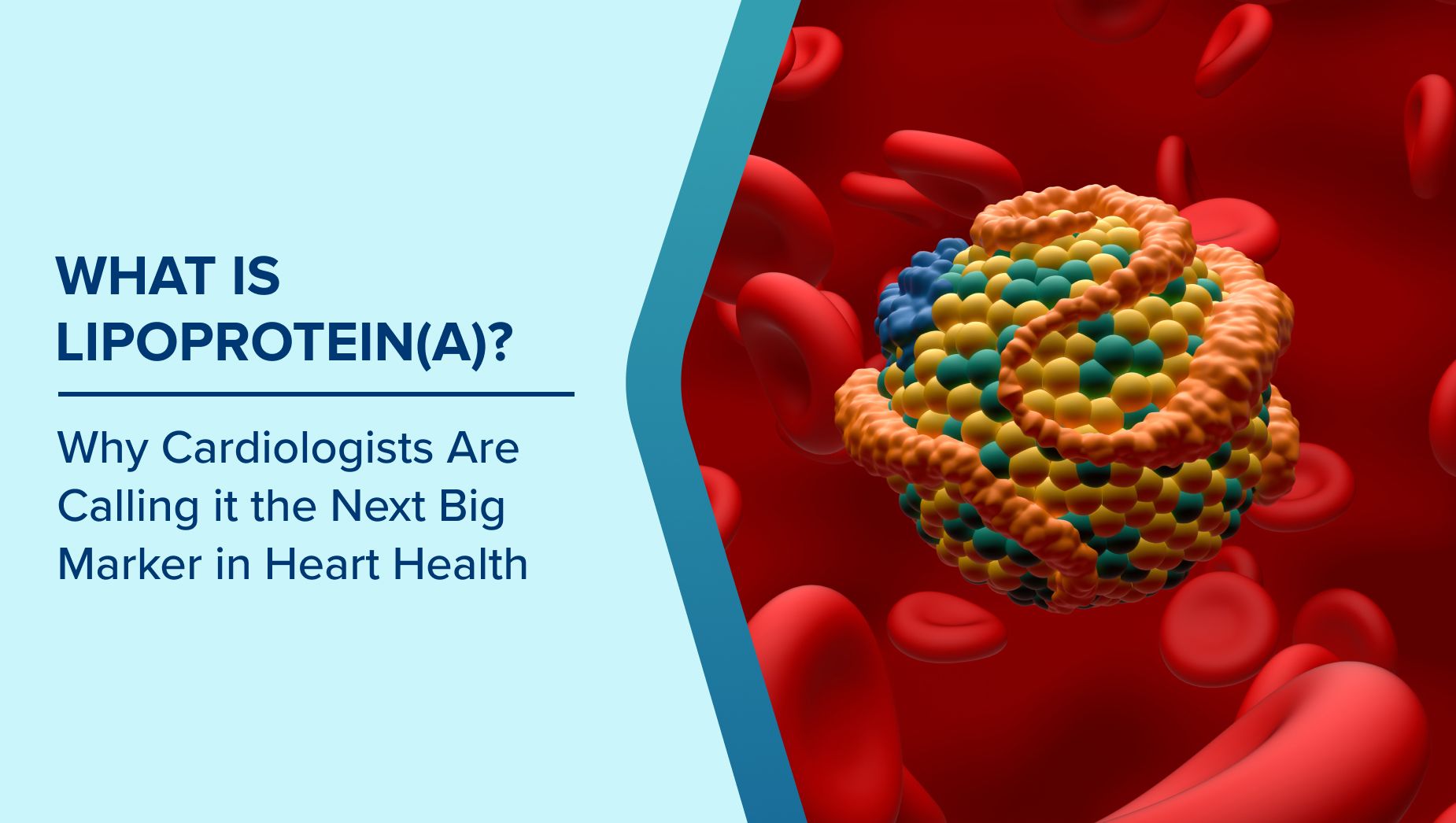
Call Us+91 926 888 0303What is Lipoprotein(a)? Why Cardiologists Are Calling it the Next Big Marker in Heart Health
By Dr. Balbir Singh in Cardiac Sciences , Cardiology , Interventional Cardiology , Cardiac Electrophysiology-Pacemaker
Oct 07 , 2025 | 1 min read

For decades, cholesterol has been the centre of most heart health conversations. We’ve all heard about LDL, the so-called “bad cholesterol,” and HDL, the “good cholesterol,” and their roles in cardiovascular risk. But now, cardiologists are sounding the alarm about another crucial factor, Lipoprotein(a), or Lp(a).
What Is Lipoprotein(a)?
Lipoprotein(a), often called “lipoprotein little a”, is a cholesterol-related particle in the blood. Unlike LDL and HDL, Lp(a) is primarily determined by genetics. That means lifestyle changes, such as diet and exercise, while essential for overall health, do not significantly lower it. If high levels of the condition run in your family, you may be at risk.
Why Is Lp(a) Important?
High levels of Lp(a) have been linked to:
- Heart disease
- Stroke
- Aggressive plaque buildup in arteries
It is considered one of the most dangerous forms of cholesterol. For years, its significance was underestimated, mainly because there were no available treatments to lower it. However, with active research now underway to develop therapies, its role in heart health has become undeniable.
How Do You Test for Lp(a)?
Testing for Lp(a) is a simple, quick, and non-fasting procedure. Doctors measure it through a blood test.
- Above 60 mg/dL: High risk
- Above 90 mg/dL: Very high risk, requiring aggressive management of all other cholesterol levels
Since Lp(a) is a genetic trait, even individuals who lead a healthy lifestyle may have elevated levels. That’s why doctors stress the importance of testing, especially for individuals with a family history of early heart disease.
Why Cardiologists Are Paying Attention
The biggest reason Lp(a) matters is family history. If elevated Lp(a) is found in one person, it often points to risk among their relatives as well. Identifying it early gives doctors the chance to:
- Protect multiple family members at once
- Prescribe the right treatments for other cholesterol types
- Closely monitor patients at high genetic risk
In short, Lp(a) provides doctors with a deeper insight into who is truly at risk, even if traditional cholesterol numbers appear normal.
Conclusion
Cardiologists are calling Lp(a) the next big heart health marker because it fills a critical gap in understanding cardiovascular risk. While lifestyle habits remain essential for overall heart health, genetics also play a significant role, and Lp(a) is a testament to that.
By detecting elevated levels early, patients and doctors can work together on prevention strategies, closer monitoring, and treatments that reduce the risk of serious events like heart attacks and strokes.
Written and Verified by:

Related Blogs

Dr. Ritwick Raj Bhuyan In Cardiac Sciences , Cardiac Surgery (CTVS)
Nov 08 , 2020 | 2 min read

Dr. Gaurav Minocha In Cardiac Sciences
Nov 08 , 2020 | 4 min read
Blogs by Doctor


Most read Blogs


Related Blogs
Dr. Ritwick Raj Bhuyan In Cardiac Sciences , Cardiac Surgery (CTVS)
Nov 08 , 2020 | 2 min read
Dr. Gaurav Minocha In Cardiac Sciences
Nov 08 , 2020 | 4 min read
Blogs by Doctor
Most read Blogs