 WhatsApp Us (24/7)
 +91 926 888 0303 (24/7)


To Book an Appointment
Call Us+91 926 888 0303Ideal Blood Pressure: What the Numbers Really Mean for Your Health
By Dr. Rajiv Agarwal in Cardiac Sciences , Cardiology , Interventional Cardiology
Oct 16 , 2025 | 4 min read

Blood pressure is often called the silent indicator of health. It quietly reflects how well your heart and blood vessels are functioning, yet many people only think about it during a routine check-up.
Knowing what your blood pressure numbers really mean can help you prevent serious conditions such as heart disease, kidney problems, or stroke. In today’s fast-paced world, understanding the difference between healthy blood pressure levels and those that signal trouble has never been more important.
What Do Blood Pressure Numbers Mean?
Blood pressure is measured using two numbers: systolic and diastolic. The systolic pressure is the top number and indicates how much force your blood exerts against the artery walls when your heart contracts. The diastolic pressure is the bottom number and shows the pressure when your heart relaxes between beats.
Both numbers provide vital information. For example, consistently high systolic readings may suggest your arteries are stiff or narrowed, while low diastolic readings might indicate that your heart is not relaxing properly. Understanding these figures provides a better picture of your overall heart health and blood pressure status.
What is Considered Ideal Blood Pressure?
An ideal blood pressure reading for most adults is around 120/80 mmHg. This is widely accepted as the benchmark of good cardiovascular health.
- Normal blood pressure range: Less than 120/80 mmHg
- Elevated: 120–129 systolic and less than 80 diastolic
- Hypertension (high blood pressure): 130/80 mmHg or higher
- Hypotension (low blood pressure): Below 90/60 mmHg
These ranges provide guidance, but ideal levels can vary slightly depending on age, underlying conditions, and overall health. For instance, older adults may naturally have slightly higher readings, while younger individuals are generally expected to maintain numbers closer to 120/80 mmHg.
Why High Blood Pressure is Dangerous
Hypertension is one of the most common health issues worldwide and is often described as a “silent killer” because it develops gradually without obvious symptoms. High blood pressure risks include:
- Greater strain on the heart and arteries, leading to heart failure
- Increased risk of stroke due to weakened or damaged blood vessels
- Potential damage to the kidneys and eyes
- Higher likelihood of developing vascular dementia
Unchecked hypertension can compromise your quality of life and reduce life expectancy, making regular blood pressure monitoring essential.
The Other Side: Low Blood Pressure Concerns
While much attention is given to hypertension, low blood pressure symptoms can also be concerning. Hypotension may cause dizziness, fainting, blurred vision, and fatigue. In extreme cases, it can reduce blood flow to vital organs, leading to shock.
Some people naturally have lower blood pressure without any health issues, but if symptoms occur regularly, medical advice should be sought. Causes can include dehydration, prolonged bed rest, certain medications, or underlying conditions like endocrine disorders.
How Lifestyle Influences Blood Pressure
Your daily habits significantly shape your blood pressure levels. Key lifestyle factors include:
- Diet: Excess salt, processed foods, and alcohol can raise blood pressure, while fruits, vegetables, whole grains, and lean proteins help maintain balance.
- Exercise: Regular activity strengthens the heart, making it more efficient at pumping blood.
- Stress: Ongoing stress may contribute to high readings. Relaxation techniques such as meditation or breathing exercises can help.
- Sleep: Poor sleep patterns or disorders like sleep apnoea can negatively affect blood pressure.
Making lifestyle changes for blood pressure is often the first line of defence before medication is considered.
When to Seek Medical Help for Blood Pressure Issues
If your readings consistently fall outside the healthy blood pressure levels, it may be time to consult a doctor. Seek medical advice if:
- Your blood pressure is regularly above 130/80 mmHg
- You experience frequent dizziness or fainting spells
- You have additional health conditions, such as diabetes or kidney disease
- There is a family history of cardiovascular disease
Early intervention can prevent complications and allow treatment through lifestyle adjustments or medication, depending on the severity.
Practical Tips for Monitoring and Managing Healthy Blood Pressure
Proactive management is key to long-term health. Practical steps include:
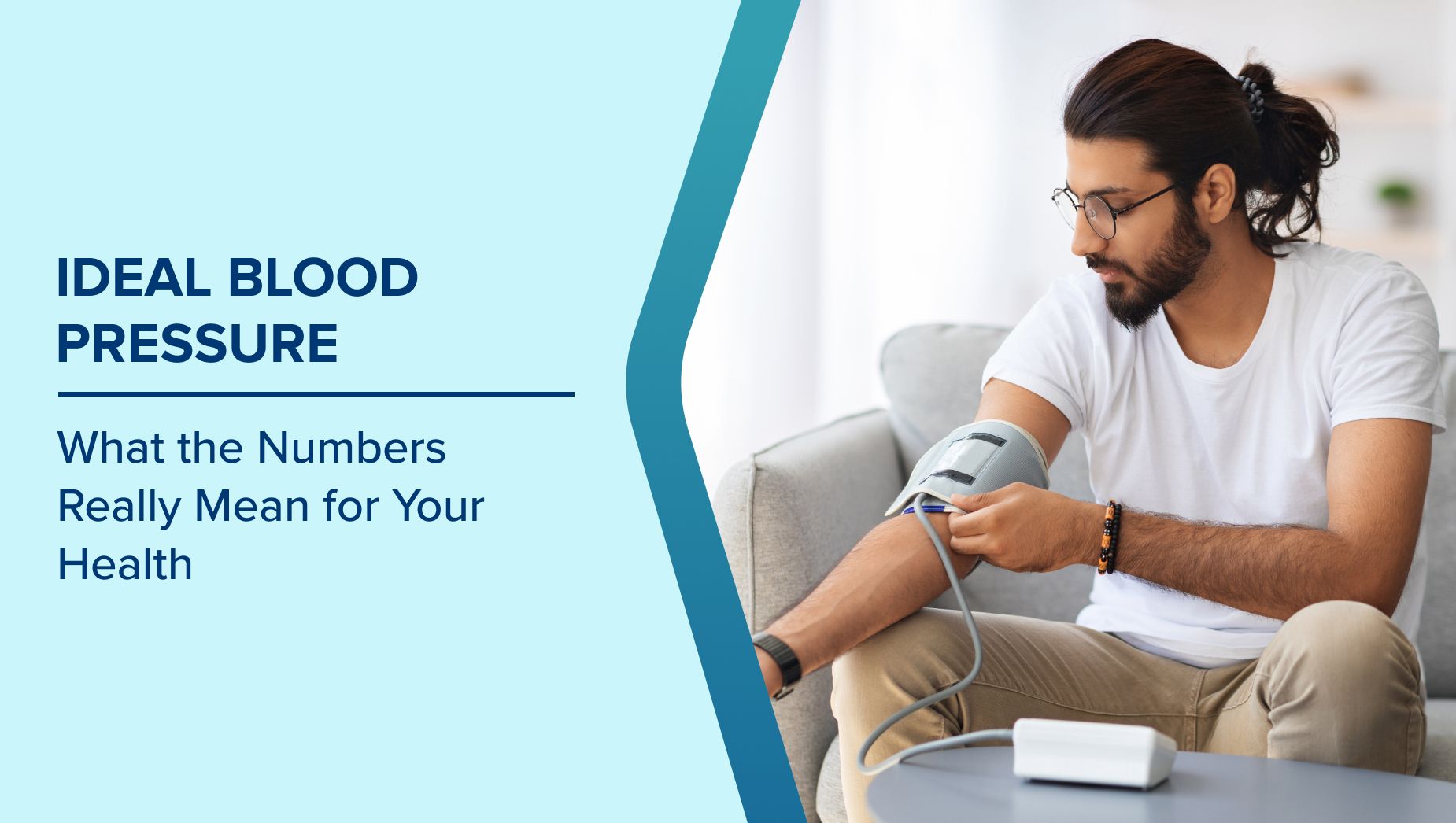
- Home blood pressure monitoring: Use a validated device and keep a record of your readings.
- Balanced nutrition: Reduce salt intake, eat more potassium-rich foods like bananas and spinach, and avoid processed snacks.
- Regular exercise: Aim for at least 30 minutes of moderate activity most days.
- Stress management: Incorporate relaxation, hobbies, or mindfulness practices into daily life.
- Routine check-ups: Timely visits to your doctor help track progress and adjust treatment if needed.
By following these steps, you can take control of your heart health and blood pressure management.
Conclusion
Blood pressure is more than just a set of numbers on a monitor. It is a reflection of your overall cardiovascular wellbeing and an early indicator of potential health problems. By learning what those numbers mean and adopting strategies to maintain healthy blood pressure levels, you can protect yourself from serious risks. Regular monitoring, lifestyle adjustments, and timely medical advice can ensure that your heart health remains strong for years to come.
Frequently Asked Questions
Can stress cause a sudden rise in blood pressure?
Yes, stress can temporarily increase blood pressure by triggering the release of stress hormones. While short spikes may not be harmful, ongoing stress can contribute to chronic hypertension if not managed properly.
How does dehydration affect blood pressure levels?
Dehydration reduces blood volume, which may cause a drop in blood pressure. In some cases, it can also lead to dizziness and fainting. Staying hydrated helps maintain stable readings.
Is home blood pressure monitoring accurate?
Home devices are reliable when used correctly. To improve accuracy, measure at the same time each day, sit quietly for a few minutes before testing, and avoid caffeine or exercise just before checking.
Can certain medications influence blood pressure readings?
Yes, drugs such as decongestants, pain relievers, or contraceptives may affect blood pressure. Always discuss with your doctor if you notice unusual changes after starting a new medication.
Does blood pressure change with age or gender?
Blood pressure can naturally rise with age due to stiffening arteries. Men may have higher readings earlier in life, but women often catch up or exceed after menopause. Regular monitoring is crucial for everyone.
Written and Verified by:

Related Blogs

Dr. Ritwick Raj Bhuyan In Cardiac Sciences , Cardiac Surgery (CTVS)
Nov 08 , 2020 | 2 min read

Dr. Gaurav Minocha In Cardiac Sciences
Nov 08 , 2020 | 4 min read
Blogs by Doctor

Life's Simple Seven Guide to the Health of Your Heart
Dr. Rajiv Agarwal In Cardiac Sciences
Mar 07 , 2018 | 4 min read

Need for Corona Vaccine in Heart Patients
Dr. Rajiv Agarwal In Cardiology
Jul 21 , 2021 | 1 min read
Most read Blogs


Related Blogs
Dr. Ritwick Raj Bhuyan In Cardiac Sciences , Cardiac Surgery (CTVS)
Nov 08 , 2020 | 2 min read
Dr. Gaurav Minocha In Cardiac Sciences
Nov 08 , 2020 | 4 min read
Blogs by Doctor
Life's Simple Seven Guide to the Health of Your Heart
Dr. Rajiv Agarwal In Cardiac Sciences
Mar 07 , 2018 | 4 min read
Need for Corona Vaccine in Heart Patients
Dr. Rajiv Agarwal In Cardiology
Jul 21 , 2021 | 1 min read
Most read Blogs