 WhatsApp Us (24/7)
 +91 926 888 0303 (24/7)


To Book an Appointment
Call Us+91 926 888 0303Understanding Heart Blockages: When is Bypass Surgery Needed?
By Medical Expert Team
Sep 25 , 2025 | 2 min read

Heart health has become a growing concern in recent years, affecting not just the elderly but also younger adults. Increasingly, people in their 30s and 40s are being diagnosed with coronary artery disease (CAD). The main causes include unhealthy lifestyle choices, including eating processed foods, leading a sedentary life, smoking, drinking alcohol, and experiencing high levels of stress.
In the early stages of CAD, medications, lifestyle modifications, and procedures such as angioplasty can often effectively manage the condition. However, there are situations where coronary artery bypass grafting (CABG), commonly known as bypass surgery, becomes essential.
What is a Heart Blockage?
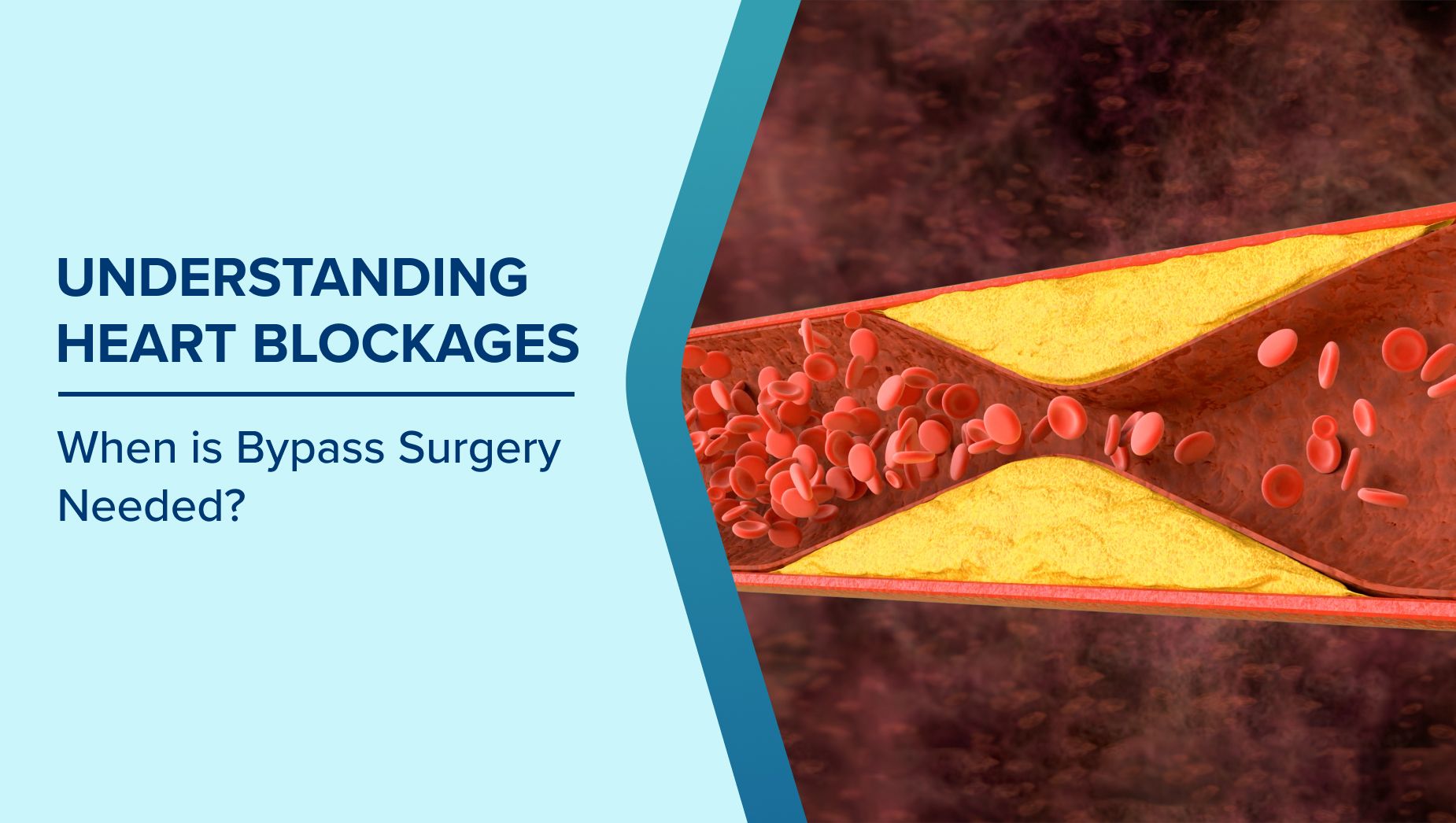
A heart blockage happens when the coronary arteries are narrowed or obstructed due to atherosclerosis, which is the accumulation of fat, cholesterol, calcium, and other substances. As a result, the heart receives less blood, which may cause chest discomfort (angina), shortness of breath, fatigue, or, in severe cases, a heart attack.
When is Bypass Surgery Necessary?
Bypass surgery is not an ideal option for every patient with coronary artery disease. It is usually recommended under specific conditions, including:
- Severe Multi-vessel Disease: When two or three coronary arteries are significantly blocked, bypass surgery often provides better outcomes.
- Left Main Coronary Artery Disease: When the left main artery, responsible for supplying a major part of the heart, is significantly blocked, bypass surgery is often regarded as the safest treatment option.
- Reoccurrence of Blockage: If a previously treated artery becomes blocked again after stenting, bypass surgery may be recommended.
- Persistent Severe Symptoms Despite Medication: Patients who continue to experience chest pain or breathlessness, or whose quality of life is significantly affected despite optimal medical therapy, may benefit from surgery.
- High Risk of Heart Attack: When plaques are unstable or the heart’s pumping function is poor (low ejection fraction), bypass surgery can reduce the risk of a future heart attack.
Why are Younger People at Risk Today?
In the past, bypass surgery was more common among older adults with decades of plaque buildup. Today, modern lifestyles have led to an earlier onset of blockages. High consumption of processed foods, sedentary habits, smoking, stress, and uncontrolled diabetes or hypertension all contribute to early coronary artery disease.
Stress hormones, including cortisol and adrenaline, can accelerate arterial damage, which is why many heart specialists now see patients in their late 20s and 30s requiring surgical intervention.
What are the Symptoms of Heart Blockage?
Heart blockage occurs when the arteries that supply blood to your heart become narrowed or blocked, reducing the flow of oxygen and nutrients. This can affect how your heart functions and may show up through several warning signs:
- Chest pain or pressure in the chest, often described as heaviness or squeezing.
- Pain radiating to the arm, shoulder, neck, jaw, or back.
- Shortness of breath during physical activity or even at rest in severe cases.
- Unusual fatigue or weakness, even with normal daily activities.
- Palpitations or irregular heartbeats that may feel like skipping or racing.
- Nausea, sweating, or dizziness, especially during episodes of chest discomfort.
- Silent heart attacks with mild or no chest pain, which are more common in women, older adults, or people with diabetes.
What are the Causes and Risk Factors of Heart Blockage?
Heart blockage develops when the arteries that supply blood to the heart become narrowed or completely blocked, reducing oxygen and nutrient flow to the heart muscle. This can lead to chest pain, shortness of breath, and in severe cases, a heart attack. Several factors contribute to the development of heart blockage:
Atherosclerosis (Plaque Buildup)
Atherosclerosis is the most common cause of heart blockage. It occurs when fat, cholesterol, and other substances accumulate on the inner walls of arteries, forming plaque. Over time, this plaque hardens and narrows the arteries, reducing blood flow to the heart. If a plaque ruptures, it can trigger the formation of a blood clot, potentially causing a sudden heart attack.
High Blood Pressure (Hypertension)
Persistent high blood pressure can damage the delicate lining of the arteries, making them more vulnerable to plaque buildup. Over time, this increases the risk of narrowing and blockage, placing extra strain on the heart as it works harder to pump blood.
High Cholesterol Levels
Excess LDL (bad) cholesterol in the blood contributes to plaque formation in the arteries. At the same time, low HDL (good) cholesterol reduces the body’s ability to remove cholesterol from the blood vessels. An imbalance between these cholesterol types accelerates artery blockage.
Diabetes
High blood sugar levels in diabetes can damage the walls of blood vessels, increasing the risk of atherosclerosis. Diabetes also affects cholesterol and fat metabolism, further contributing to plaque buildup in the coronary arteries.
Smoking
Tobacco smoke contains chemicals that damage blood vessels, reduce oxygen in the blood, and accelerate plaque formation. Smoking also increases the risk of blood clots, which can suddenly block narrowed arteries and trigger a heart attack.
Obesity and Overweight
Carrying excess weight increases the heart’s workload and is often linked with high blood pressure, diabetes, and unhealthy cholesterol levels. These factors combined raise the risk of plaque accumulation and coronary artery blockage.
Sedentary Lifestyle
Lack of physical activity contributes to obesity, high blood pressure, and poor cholesterol balance. Regular exercise helps maintain healthy blood vessels, reduces plaque formation, and improves heart efficiency.
Unhealthy Diet
Diets high in saturated fats, trans fats, refined sugars, and processed foods can accelerate plaque buildup in arteries. On the other hand, diets rich in fruits, vegetables, whole grains, and healthy fats support artery health.
Family History of Heart Disease
Genetics can play a role in heart blockage. If close family members have experienced early heart disease or heart attacks, your risk of developing arterial blockage may be higher, even if lifestyle factors are well-managed.
Age and Gender
The risk of heart blockage increases with age as arteries naturally lose elasticity and plaque accumulates over time. Men are generally at higher risk at a younger age, while women’s risk rises after menopause due to reduced protective effects of estrogen.
What are the Treatment Options for Heart Blockage?
Treatment for heart blockage focuses on restoring blood flow to the heart, relieving symptoms, and reducing the risk of complications such as heart attack. The approach depends on the severity of the blockage, symptoms present, and overall heart health.
Lifestyle Modifications
For mild or early-stage blockage, doctors often recommend lifestyle changes to slow disease progression. These include adopting a heart-friendly diet, increasing physical activity as advised, quitting smoking, managing stress, and maintaining a healthy body weight. These changes also support the effectiveness of medical treatment.
Medications
Medicines help control symptoms and prevent further blockage. Commonly prescribed drugs include blood thinners to prevent clot formation, cholesterol-lowering medicines to reduce plaque buildup, medicines to control blood pressure, and drugs that reduce the heart’s workload and relieve chest pain.
Angioplasty and Stent Placement
Angioplasty is a minimally invasive procedure used to open narrowed or blocked arteries. A small balloon is inflated at the blockage site to widen the artery, and a stent is usually placed to keep it open. This improves blood flow and helps relieve heart blockage symptoms such as chest pain and shortness of breath.
Coronary Artery Bypass Grafting (CABG)
CABG is a surgical procedure recommended for severe or multiple blockages. A healthy blood vessel from another part of the body is used to create a new pathway around the blocked artery, allowing blood to reach the heart muscle effectively.
Cardiac Rehabilitation
Cardiac rehabilitation is a structured programme that combines supervised exercise, dietary guidance, and education on heart health. It plays an important role in recovery after procedures and helps reduce the risk of future heart problems.
Regular Monitoring and Follow-Up
Ongoing follow-up with a cardiologist is essential to monitor heart health, adjust treatment plans, and detect any progression of blockage early. Regular check-ups help ensure long-term heart protection.
When Should You Consult a Doctor?
Early medical attention can help detect heart blockage before it leads to serious complications. Consulting a doctor is recommended in the following situations:
- Chest discomfort such as pressure, heaviness, or tightness that appears during exertion, stress, or after meals.
- Breathlessness that interferes with routine activities or occurs without clear physical strain.
- Pain spreading beyond the chest to the arm, neck, jaw, shoulder, or upper back.
- Persistent fatigue or reduced stamina that affects day-to-day functioning.
- Episodes of dizziness, lightheadedness, or unexplained fainting.
- Noticeable changes in heart rhythm, including irregular, slow, or unusually fast beats.
- Swelling in the legs, ankles, or feet, which may signal reduced heart efficiency.
- Presence of risk factors such as high blood pressure, diabetes, high cholesterol, smoking, or a strong family history of heart disease, even in the absence of symptoms.
Urgent medical care is essential if chest discomfort is sudden, severe, or accompanied by sweating, nausea, breathing difficulty, or loss of consciousness, as these may indicate a heart attack.
Conclusion
Bypass surgery is a major but life-saving procedure for patients with severe heart blockages. It restores blood flow, improves survival, and enhances quality of life for those at high risk. The increasing prevalence of CAD in younger adults highlights the importance of preventive measures. Maintaining a balanced diet, engaging in regular exercise, avoiding smoking, and managing stress are crucial steps for protecting heart health and reducing the need for surgical intervention.
Frequently Asked Questions
Can heart blockage be prevented?
Heart blockage cannot always be fully prevented, but the risk can be significantly reduced through healthy lifestyle habits such as balanced eating, regular physical activity, avoiding smoking, controlling blood pressure and cholesterol levels, and managing diabetes
Can heart blockage cause serious complications?
Yes, untreated blockage in the heart can reduce blood flow to the heart muscle and may lead to complications such as chest pain, heart attack, heart failure, or abnormal heart rhythms.
What steps should be taken if heart blockage is suspected?
Medical advice should be sought promptly if symptoms such as chest discomfort, breathlessness, or unexplained fatigue appear. Early evaluation helps confirm the cause and prevents progression of the condition.
Can blocked heart arteries be reversed?
Complete reversal of blockage is not usually possible, but early-stage narrowing can sometimes be slowed or partially improved with lifestyle changes and medication. Advanced blockages often require medical or surgical treatment.
Can heart blockage be detected on an ECG?
An ECG may show signs of reduced blood supply or past heart damage, but it does not directly confirm heart blockage. Additional tests are usually required for accurate diagnosis.
Is heart blockage a form of heart disease?
Yes, heart blockage is considered a type of heart disease because it affects the coronary arteries and interferes with normal blood flow to the heart.
Related Blogs

Dr. Rajiv Agarwal In Cardiology
Jul 21 , 2021 | 1 min read

Dr. Balbir Singh In Cardiac Sciences , Cardiology
Dec 30 , 2021 | 1 min read
Blogs by Doctor

The Future of Cardiology: How Technology is Revolutionising Heart Care
Medical Expert Team
Sep 23 , 2025 | 4 min read

Most read Blogs


Related Blogs
Dr. Rajiv Agarwal In Cardiology
Jul 21 , 2021 | 1 min read
Dr. Balbir Singh In Cardiac Sciences , Cardiology
Dec 30 , 2021 | 1 min read
Blogs by Doctor
The Future of Cardiology: How Technology is Revolutionising Heart Care
Medical Expert Team
Sep 23 , 2025 | 4 min read
Most read Blogs