 WhatsApp Us (24/7)
 +91 926 888 0303 (24/7)


To Book an Appointment
Call Us+91 926 888 0303The Future of Cardiology: How Technology is Revolutionising Heart Care
By Medical Expert Team
Sep 23 , 2025 | 4 min read
1

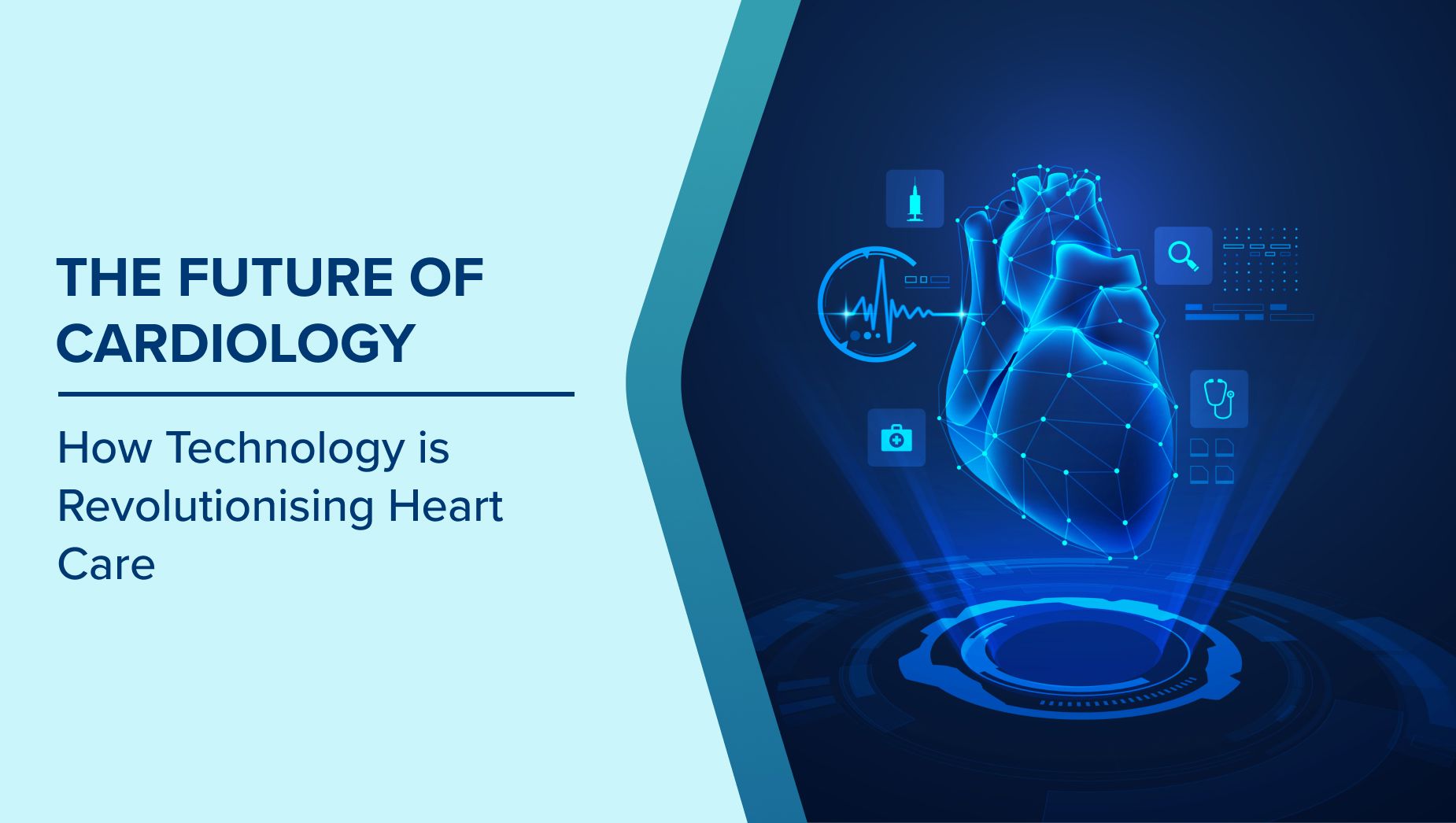
Cardiology has always been at the forefront of medical innovation, but the pace of change in recent years has been extraordinary. Advances in digital tools, imaging, artificial intelligence, robotics, and genetics are transforming the way heart conditions are diagnosed, treated, and prevented.
The future of cardiology is not only about extending life but also about enhancing its quality, with care that is more precise, personalised, and patient-centred. Let’s explore how emerging technologies are shaping heart care and what they mean for patients and healthcare professionals in the years ahead.
Digital Transformation in Cardiology
Digital technology is now an integral part of cardiology. Electronic health records, smart devices, and virtual platforms are making it easier to gather and analyse patient information in real time. Cardiologists can track heart health more accurately, identify risks earlier, and plan treatment strategies with greater precision.
For patients, digital platforms mean greater involvement in their care. Monitoring progress, receiving reminders, and understanding lifestyle impacts are all supported by technology. This interactive model encourages active participation and better long-term outcomes.
Wearable Devices and Continuous Monitoring
Wearable technology has taken heart monitoring beyond the clinic. Smartwatches, fitness trackers, and advanced medical devices can now measure heart rate, detect irregular rhythms, and monitor activity levels throughout the day. This provides a continuous flow of information that can be shared with healthcare professionals.
For individuals with chronic heart conditions, continuous monitoring adds another layer of safety. Abnormal readings can be identified promptly, allowing timely medical evaluation and treatment adjustments when necessary.
Robotics and Advanced Cardiac Procedures
Robotic technology has introduced new levels of precision to heart surgery. Robotic-assisted procedures allow surgeons to operate through very small incisions while maintaining exceptional control. This approach often results in reduced discomfort, minimal scarring, and quicker recovery.
Complex cardiac surgeries, such as valve repairs or bypass operations, are increasingly benefiting from robotic systems. For patients, this means access to advanced treatment options that combine surgical expertise with the accuracy of technology.
Telecardiology and Remote Consultations
Telemedicine has expanded rapidly in recent years, and cardiology has embraced this change. Telecardiology enables patients to consult specialists through secure digital platforms, making expert advice more widely available. For individuals in rural or underserved areas, this can be particularly valuable.
While digital consultations do not replace in-person visits when detailed assessment or procedures are required, they complement traditional care. They provide reassurance, allow timely guidance, and help patients stay engaged with their treatment plans.
Personalised Heart Care through Genomics
The role of genetics in cardiology is becoming increasingly important. Genetic testing can identify people at higher risk of certain heart conditions, such as cardiomyopathies or inherited arrhythmias. Understanding these risks allows doctors to create preventive strategies and recommend treatments that are more effective for specific genetic profiles.
Personalised heart care goes beyond treatment; it extends to lifestyle recommendations, early screening, and tailored follow-up schedules. By aligning medicine with an individual’s unique genetic makeup, the future of cardiology is moving towards truly customised care.
Virtual and Simulation-Based Cardiology
Virtual reality and simulation tools are finding a place in both medical training and patient education. For healthcare professionals, these tools provide a safe environment to practice complex cardiac procedures. For patients, virtual explanations of heart conditions and treatments make medical information more accessible and easier to understand.
This technology strengthens communication between patients and doctors, improving trust and making care decisions more collaborative.
Smart Implants and Connected Devices
The development of smart implants is another step forward in cardiac care. Pacemakers and defibrillators equipped with wireless technology can now communicate directly with healthcare providers, transmitting important data about heart rhythm and device function.
Such innovations ensure that any issues are identified promptly. In the future, implants may be designed to adjust automatically to the body’s needs or deliver medication directly, further enhancing safety and effectiveness.
Lifestyle and Technology: A Combined Approach
Technology is not just about treatment; it also plays a crucial role in prevention. Apps and connected devices support people in monitoring diet, physical activity, sleep, and stress levels. Many provide personalised recommendations, encouraging healthier habits that reduce the risk of heart disease.
When combined with medical guidance, these tools help individuals take a proactive role in their heart health, making prevention an achievable goal for many.
Conclusion
Technology is revolutionising cardiology in ways that were once unimaginable. From wearable devices and AI diagnostics to robotic-assisted surgeries and smart implants, the field is advancing rapidly. These innovations are shaping a future where prevention, personalisation, and precision are at the heart of cardiac care.
As patients and doctors embrace these changes, cardiology will continue to evolve, offering safer treatments, better outcomes, and greater confidence in managing heart health. The journey ahead is one of promise, with technology serving as a powerful partner in protecting and enhancing life.
Frequently Asked Questions
How can patients adapt to technology-driven heart care?
Patients can adapt by learning to use digital health tools, keeping track of their own readings, and staying informed about new options offered by their doctors.
How is sensitive data from cardiac devices kept secure?
Most devices use encrypted systems and strict privacy protocols. Patients should still confirm that their care team follows strong data protection practices.
Can technology also support emotional well-being in heart patients?
Yes, digital tools such as mobile apps can provide reminders, motivation, and even access to mental health resources, helping patients feel more supported.
What should patients ask their doctor before using new cardiac technology?
Patients should ask about safety, accuracy, possible side effects, and whether the device or tool is right for their specific condition.
Is there still a role for lifestyle habits alongside technology?
Absolutely. Healthy habits like exercise, a balanced diet, and stress control remain the foundation of heart health, with technology acting as added support.
Can artificial intelligence diagnose heart disease on its own?
No, AI cannot diagnose independently. It supports cardiologists by analysing data quickly and highlighting areas of concern, helping doctors make informed decisions.
Will technology replace the need for regular check-ups?
Technology enhances monitoring and prevention, but it does not replace regular check-ups. Routine visits to a cardiologist remain vital for comprehensive care.
Related Blogs

Dr. Ritwick Raj Bhuyan In Cardiac Sciences , Cardiac Surgery (CTVS)
Nov 08 , 2020 | 2 min read

Dr. Gaurav Minocha In Cardiac Sciences
Nov 08 , 2020 | 4 min read
Blogs by Doctor


Most read Blogs


Related Blogs
Dr. Ritwick Raj Bhuyan In Cardiac Sciences , Cardiac Surgery (CTVS)
Nov 08 , 2020 | 2 min read
Dr. Gaurav Minocha In Cardiac Sciences
Nov 08 , 2020 | 4 min read
Blogs by Doctor
Most read Blogs