WhatsApp Us (24/7)
 +91 926 888 0303 (24/7)


Our Medical Experts
Max Healthcare is home to eminent doctors in the world, most of whom are pioneers in their respective fields. Additionally, they are renowned for developing innovative and revolutionary clinical procedures.
Find a DoctorDelhi/NCR:
MOHALI:
Dehradun:
BATHINDA:
Mumbai:
NAGPUR:
LUCKNOW:
BHUBANESWAR:

To Book an Appointment
Call Us+91 926 888 0303Skin disorders can range from mild irritations to chronic conditions that impact daily life and self-confidence. While some skin issues are temporary and easily treatable, others, like rosacea, require specialised care to manage effectively. At Max Hospital, we understand the challenges that come with managing this chronic skin condition and are committed to providing expert care. Our team of experienced dermatologists specialises in diagnosing and treating rosacea with precision. We combine medical expertise with state-of-the-art technology to offer personalised treatments, including laser therapy, customised skincare routines, and advanced dermatological procedures. As a leading healthcare provider in India, Max Hospital ensures that every patient receives the highest standard of care for long-term skin health.
Rosacea is a chronic skin condition that affects the face, causing redness, enlarged blood vessels, and occasional pustules or swelling. In some cases, it can lead to acne-like breakouts, often causing it to be mistaken for acne or an allergic reaction. Although it is not a life-threatening dermatological disorder, it can cause significant discomfort and even negatively impact a person's self-esteem and quality of life.
Depending on symptoms, characteristics, and triggers, rosacea can be categorised into four types:
This type is characterised by frequent flushing. Some people experience a stinging or burning sensation. Common symptoms of erythematotelangiectatic rosacea include persistent facial redness, visible blood vessels (telangiectasia), and occasional swelling.
Often mistaken for acne, this form of rosacea causes tender, inflamed skin, particularly around the nose and cheeks. Some symptoms of acne rosacea are redness, swelling, and acne-like breakouts (papules and pustules). Hormonal changes, certain skincare products, hot drinks, and stress can trigger acne rosacea symptoms.
It is a type of rosacea that is more commonly seen in men. It leads to skin thickening, irregular texture, and visible pores. Though Phymatous Rosacea often affects the nose, its symptoms can also be observed on the chin, forehead, ears, and eyelids. Some symptoms of this type of rosacea include thickened, bumpy, or enlarged skin, especially on the nose (rhinophyma).
Ocular rosacea affects the eyes. If left untreated, it can lead to blurred vision, heightened sensitivity to light, and in severe cases, it can even lead to corneal damage. Common symptoms of Ocular Rosacea include red, irritated, dry, and watery eyes, along with swollen eyelids and a gritty sensation. Many people with ocular rosacea also experience symptoms of other types of rosacea.
The exact cause of rosacea is unknown, but several factors are believed to contribute to its development including:
Abnormalities affecting blood vessels can affect blood flow and vessel function in the skin, leading to persistent redness, flushing, and visible blood vessels. Usually, blood vessels constrict and dilate as needed, but vascular malformations can disrupt this process, resulting in prolonged flushing, a common symptom of rosacea.
Disorders of the immune system can contribute to rosacea by causing abnormal immune responses that lead to chronic inflammation, vascular dysfunction, and skin hypersensitivity. The disorder can also lead to increased production of cathelicidins (antimicrobial peptides), causing blood vessels to dilate, further worsening rosacea symptoms.
Rosacea is a genetic disorder that tends to run in families. Certain genetic variations may cause an overactive immune response, leading to inflammation and flare-ups. Genetic mutations related to skin barrier function can cause sensitive skin, increasing one’s risk of developing rosacea. Genetic factors can influence how blood vessels function, leading to the widening of blood vessels.
Mite infestations, particularly those caused by Demodex mites, can lead to rosacea. These mites live in hair follicles and sebaceous (oil) glands, especially around the nose, cheeks, forehead, and chin—areas commonly affected by rosacea. When the population of Demodex mites living in hair follicles of a person increases excessively, they may experience rosacea symptoms.
Bacterial infestations are a common cause of rosacea. In people already living with rosacea, bacterial infestations can trigger inflammation and lead to heightened immune system responses, exacerbating the condition. Research suggests that an increase in the population of Staphylococcus epidermidis living on the skin can lead to rosacea.
Anyone can develop rosacea. That said, there are certain risk factors that can increase a person’s chance of developing the skin condition. An in-depth understanding of these risk factors can help one take better care of their skin.
As people age, their blood vessels lose elasticity and widen. Dilated blood vessels can lead to persistent redness, a common symptom of rosacea. Collagen helps maintain skin structure. As a person ages, their body naturally produces less collagen, leading to sensitive, rosacea-prone skin. In women, menopause-related hormonal changes can cause flushing.
Often linked to poor lifestyle choices, stress, and anxiety can lead to skin flushing, worsening rosacea symptoms. A diet consisting of spicy foods, hot beverages, alcohol, and foods high in histamine can increase a person’s risk of developing rosacea.
People with severe acne may have a higher chance of developing rosacea due to several overlapping factors. Severe acne causes long-term skin inflammation, which can change the structure of blood vessels and affect the immune system. Topical steroids, isotretinoin, or excessive exfoliation can cause permanent damage to blood vessels, leading to persistent redness.
Light-skinned people often have more sensitive and reactive blood vessels. Their skin tends to flush easily, which over time can lead to persistent redness. Light skin has lower melanin levels, and is more vulnerable to UV damage. Light-skinned people often have sensitive skin. In such people, skincare products with certain ingredients, alcohol, spicy foods, and extreme temperatures can worsen rosacea symptoms.
Rosacea symptoms can vary among patients. While some people with rosacea may experience mild symptoms, others may experience symptoms that get progressively worse.
Rosacea can cause blood vessels to widen near the skin’s surface, leading to persistent redness (erythema) and flushing. In some cases, the skin barrier can weaken, making it more susceptible to irritation and environmental damage, including sensitivity to UV exposure.
The skin condition leads to prolonged inflammation, damaging blood vessels and causing them to expand and become visible. Frequent episodes of flushing can cause repeated expansion and contraction of blood vessels, leading to loss of elasticity and permanent enlargement.
The chronic inflammation associated with rosacea can cause skin sensitivity. As a result, skin burns can occur frequently. Rosacea can weaken the skin’s natural protective barrier, allowing irritants to penetrate more easily, which can lead to irritation and discomfort.
Persistent redness and swelling caused by rosacea can trigger an inflammatory response.
Inflammation leads to skin damage and causes repair cycles to occur repeatedly, eventually causing thickened skin.
Rosacea is a chronic inflammatory skin condition. Inflammatory mediators such as cathelicidins and cytokines can cause swelling and redness, leading to the formation of red, pus-filled bumps. Though rosacea isn’t caused by clogged pores, it disrupts the skin’s microbiome, leading to bacterial overgrowth.
To diagnose rosacea, dermatologists conduct clinical examinations and study their patients’ medical history. If a dermatologist suspects their patient has rosacea, they assess their symptoms, triggers, and skin appearance. In some cases, additional tests may be conducted to rule out other skin conditions such as lupus or seborrheic dermatitis.
A dermatologist examines the skin for common rosacea signs, such as redness, visible blood vessels, pustules, and thickened skin. During visual examinations, dermatologists ask their patients questions about their symptoms, triggers, family history, and any medical conditions.
In some cases, a small skin sample may be taken and analysed under a microscope to rule out conditions such as lupus, seborrheic dermatitis, or skin infections. Skin biopsy is usually used to diagnose a rare type of rosacea known as granulomatous rosacea.
Dermoscopy involves using a handheld device (dermatoscope) to examine blood vessels and assess skin features to identify the signs of rosacea. If an allergic reaction is suspected to be the cause of facial redness, patch testing may be conducted.
Tests to diagnose autoimmune disorders such as lupus or dermatomyositis may be ordered if the patient experiences symptoms similar to that of rosacea, but their dermatologist believes a different health condition is causing these problems.
While there is no permanent cure for rosacea, various treatment options can help manage symptoms effectively. Here are some rosacea treatment options.
Prescription creams and gels such as metronidazole, azelaic acid, and ivermectin can help reduce inflammation and redness caused by rosacea. Some vasoconstrictors temporarily reduce redness by narrowing blood vessels in the skin. Ceramide-based creams strengthen the skin’s protective barrier, reducing irritation and dryness.
If a patient experiences severe rosacea symptoms, their dermatologist may recommend antibiotics such as doxycycline and isotretinoin. Oral medications can help manage rosacea symptoms by targeting inflammation, controlling bacterial growth, and regulating the immune response.
Laser treatments such as intense pulsed light (IPL) and vascular lasers can help minimise redness and make blood vessels less visible by heating them, causing tiny blood vessels to collapse and disappear.
An effective skincare routine can help reduce an individual’s risk of developing rosacea. People who have sensitive skin must take steps to minimise sun exposure. They must also avoid rosacea triggers such as spicy foods and alcohol.
The sooner people with rosacea seek medical care, the better. Though not considered a life-threatening condition, the skin condition can lead to several complications over time if left untreated.
When rosacea leads to thickening of the skin on the nose, it is called rhinophyma. Chronic inflammation can cause the skin, especially on the nose (rhinophyma), to thicken and become bumpy. As the skin thickens, oil glands enlarge, making pores more prominent, leading to a rough and bumpy texture.
Rosacea can affect the eyes, leading to dryness, irritation, redness, and heightened sensitivity to light. In severe cases, rosacea can cause vision problems such as blurred vision, conjunctivitis, and blepharitis (inflammation of the eyelids).
Rosacea can weaken an individual’s skin barrier, and cause chronic inflammation or blood vessels to dilate. This increases their risk of bacterial, fungal, and ocular infections that can affect a person’s well being and quality of life.
Visible rosacea symptoms may affect a person’s appearance, and consequently their self-confidence, leading to low self-esteem. Some people with rosacea slip into depression or experience symptoms of an anxiety disorder.
In extreme cases, repeated inflammation and skin damage can cause scarring, making the condition even harder to manage. Without treatment, flare-ups may become more frequent and severe, leading to facial swelling.
While rosacea cannot be entirely prevented, an individual can reduce their risk of developing the skin condition by adopting a healthy lifestyle. People living with rosacea should adopt healthy habits to reduce the intensity and frequency of flare-ups.
People experiencing mild rosacea symptoms should maintain a rosacea diary to track flare-ups and identify their triggers. Some common rosacea triggers include spicy foods, alcohol, caffeine, and stress. A person’s rosacea diary can help their dermatologist better understand the underlying causes.
People with sensitive skin must apply a broad-spectrum sunscreen (SPF 30 or higher) before stepping out in the sun. A hat and protective clothing can also protect the skin from UV rays.
People who are at risk of developing rosacea should use mild, fragrance-free cleansers and moisturisers, while avoiding harsh exfoliants, alcohol-based toners, and strong astringents. They should wash their face with lukewarm water and pat dry with a soft towel after coming home from outside.
People who are at high risk of developing rosacea must avoid hot, spicy, and processed foods. They should add anti-inflammatory foods such as fish, nuts, and leafy greens to their diet and increase their fluid intake to stay hydrated.
People with sensitive skin should prefer green-tinted primers over harsh skincare products containing harmful chemicals. They must consider patch-testing new products before applying them to their face, ensuring that they are safe for their skin.
Rosacea is a chronic condition that tends to persist and may worsen over time without proper management. While symptoms may fluctuate, treatment is necessary to control flare-ups and minimise long-term effects.
In many cases, rosacea can worsen over time if left untreated. Flare-ups may become more frequent, and redness can become more persistent. Early and consistent management helps in controlling its progression.
Managing flare-ups involves identifying and avoiding triggers, using prescribed medications, following a gentle skincare routine, and protecting your skin from sun exposure.
While rosacea mainly affects the skin, some studies suggest a potential association with conditions like migraines, gastrointestinal disorders, and cardiovascular diseases. However, more research is needed to confirm these links.
Yes, stress is a common trigger for rosacea. Managing stress through relaxation techniques, exercise, and mindfulness may help reduce flare-ups.
Common triggers include spicy foods, hot beverages, alcohol (especially red wine), and histamine-rich foods like aged cheese. Keeping a food diary can help identify personal triggers.
Yes, alcohol—especially red wine—can dilate blood vessels and worsen rosacea symptoms. Reducing or avoiding alcohol can help minimise flare-ups.
Yes, products with alcohol, fragrances, exfoliants, or harsh chemicals can irritate the skin. Using gentle, fragrance-free, and non-comedogenic skincare products is recommended.
Sun exposure is a major trigger for rosacea. Wearing a broad-spectrum sunscreen (SPF 30 or higher), using a wide-brimmed hat, and avoiding direct sun exposure can help prevent flare-ups.
The response to treatment varies, but most patients start seeing improvements within a few weeks to months with consistent care and adherence to prescribed treatments.
There is no permanent cure for rosacea, but treatments can effectively manage and control symptoms, preventing flare-ups and reducing redness over time.
Laser treatments can significantly reduce redness and visible blood vessels, but multiple sessions may be required, and maintenance treatments may be needed over time.
While treatment can improve the appearance of the skin and reduce symptoms, rosacea is a chronic condition, and ongoing management is necessary to keep it under control.
Yes, but it is important to use gentle, non-comedogenic, and fragrance-free makeup products. Green-tinted primers can help neutralise redness.
No, rosacea is not contagious. It is a skin condition that develops due to a combination of genetic and environmental factors.
Yes, but high-intensity workouts can trigger flare-ups. Opt for low-impact exercises, stay hydrated, and cool your face with a damp cloth if needed.
Yes, some people develop ocular rosacea, which causes dry, irritated, and red eyes. If you experience eye symptoms, consult an ophthalmologist.
While rosacea is more common in adults, it can occasionally affect younger individuals. If a child develops persistent facial redness, consulting a dermatologist is recommended.
Hormonal changes during pregnancy can worsen or improve rosacea symptoms. Some medications may not be safe during pregnancy, so treatment plans should be discussed with a doctor.
Yes, rosacea is sometimes mistaken for acne, eczema, or allergic reactions. A dermatologist can accurately diagnose and recommend the best treatment.
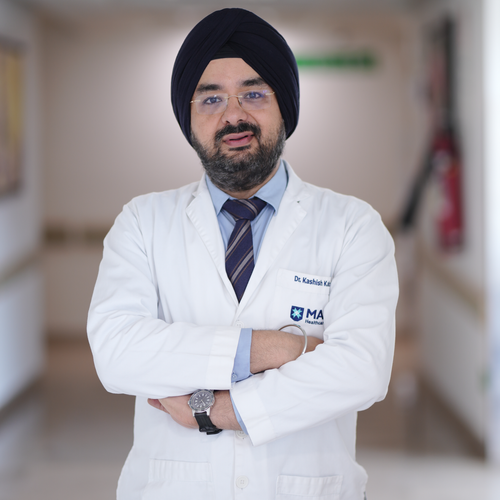
Reviewed by Dr. Kashish Kalra, Head of Dept and Consultant, Dermatology, on 24 June 2025.
Email - digitalquery@maxhealthcare.com
Max Healthcare is home to eminent doctors in the world, most of whom are pioneers in their respective fields. Additionally, they are renowned for developing innovative and revolutionary clinical procedures.
Max Healthcare is home to eminent doctors in the world, most of whom are pioneers in their respective fields. Additionally, they are renowned for developing innovative and revolutionary clinical procedures.
Find a Doctor