 WhatsApp Us (24/7)
 +91 926 888 0303 (24/7)


To Book an Appointment
Call Us+91 926 888 0303Common Skin Diseases: Types, Symptoms, Treatment, and Prevention
By Dr. Mukesh Girdhar in Dermatology
Aug 28 , 2025 | 12 min read
6

Persistent itching, redness, or unusual changes in the skin can be concerning, particularly when the cause is unclear. Such signs are usually noticed early on, but their similarity across different conditions can make it difficult to interpret them correctly. Many skin diseases share overlapping symptoms in the initial stages, which can lead to confusion and delay appropriate attention. Recognising the differences between these conditions can help in identifying when to seek medical care. This blog addresses this concern by highlighting how common skin conditions typically present and how they are treated. To begin with, here’s a look at skin diseases in detail.
What are Skin Diseases?
Skin diseases refer to a wide range of conditions that affect the skin’s structure, function, or appearance. These may involve the surface layer, deeper tissues, or related parts such as hair follicles and sweat glands. Some conditions are caused by bacteria, virus, or fungus, while others may result from allergic reactions, chronic inflammation, autoimmune responses, or inherited traits. External triggers including irritants, changes in weather, or ongoing stress can also influence how these conditions appear or worsen.
The effects may be localised or spread across larger areas, often showing up as rashes, peeling, discolouration, or thickening of the skin. Some skin diseases remain limited to the skin itself, but others may be linked to deeper health issues.
What are the Most Common Types of Skin Diseases and Their Symptoms?
Skin diseases vary widely in cause, duration, and severity. Some are infectious, others stem from immune or inflammatory responses, and a few have no clear cause. Though many conditions may begin with similar signs, their long-term course and associated symptoms often set them apart. Below are some of the most commonly seen skin diseases, along with how they tend to present.
1. Eczema (Atopic Dermatitis)
Eczema is a chronic, inflammatory skin condition that typically begins in early childhood but can develop at any age. It tends to follow a relapsing-remitting pattern, with flare-ups triggered by environmental factors, allergens, or irritants such as harsh soaps or fabrics. It is often associated with other atopic conditions like asthma and allergic rhinitis. Symptoms may include:
- Dry, scaly, or rough patches of skin
- Redness, often accompanied by swelling
- Intense itching, which may worsen at night
- Crusting or oozing in more active phases
- Lichenification (thickened skin) with long-standing scratching
2. Psoriasis
Psoriasis is a long-term condition caused by an overactive immune system, leading to rapid skin cell turnover. This results in a build-up of thick, scaly patches that can vary in size. Psoriasis may be influenced by stress, infections, skin injury, or certain medications. It can affect the joints as well, a form known as psoriatic arthritis. Symptoms may include:
- Raised, red patches covered with silvery-white scales
- Itching, burning, or soreness around affected areas
- Dry, cracked skin that may bleed
- Commonly affects the elbows, knees, scalp, and lower bac
- In some cases, discolouration or thickening of the nails
3. Fungal Infections (Tinea/Ringworm)
These infections are caused by dermatophytes, fungi that thrive in warm, moist environments. They are contagious and can spread through direct contact or shared items. Different types are named based on the area affected, such as tinea pedis (feet), tinea cruris (groin), and tinea corporis (body). Symptoms may include:
- Itchy, red, or scaly patches
- Ring-shaped rashes with a clear centre (in tinea corporis)
- Cracking or peeling between the toes (athlete’s foot)
- Discoloured, brittle nails in nail fungus
- Burning or irritation, especially in sweaty or covered areas
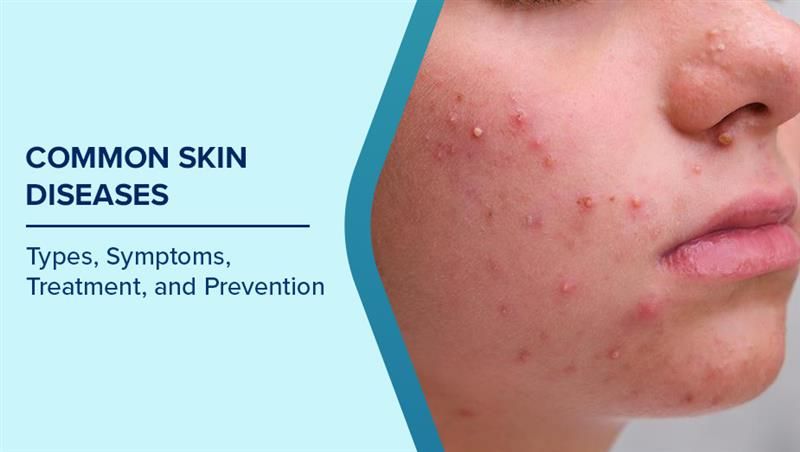
4. Acne
Acne is a very common skin condition that occurs when hair follicles become blocked with oil and dead skin cells. It is most frequent during adolescence but can persist into adulthood. Hormonal changes, stress, diet, and certain cosmetic products can worsen acne. Symptoms may include:
- Whiteheads, blackheads, and papules
- Pustules (pus-filled spots)
- Cysts or nodules in more severe cases
- Inflammation and tenderness in deeper lesions
- Commonly affects the face, shoulders, chest, and back
5. Hives (Urticaria)
Hives are raised, itchy welts on the skin, often triggered by an allergic reaction, infections, medications, or physical factors like temperature changes or pressure. They can appear and disappear quickly, sometimes within hours. Symptoms may include:
- Red or pale raised welts of varying sizes
- Severe itching
- Swelling in surrounding areas (in some cases)
- Lesions that come and go throughout the day
6. Contact Dermatitis
This condition results from direct exposure to a substance that irritates the skin or triggers an allergic response. It is usually limited to the area of contact and can develop after repeated or prolonged exposure to a trigger. Symptoms may include:
- Red, inflamed skin with itching or burning
- Localised swelling or blistering
- Dryness and cracking with ongoing exposure
7. Vitiligo
Vitiligo is a pigmentary disorder caused by the loss of melanocytes, the cells responsible for skin colour. The exact cause is not known, though autoimmune mechanisms are thought to play a role. It can develop at any age and may progress slowly over time. Symptoms may include:
- White or depigmented patches of skin
- Often begins on the face, hands, or areas around body openings
- Hair in affected areas may turn white
- Patches may remain stable or gradually spread
8. Rosacea
Rosacea is a chronic inflammatory condition that primarily affects the central part of the face. It often follows a pattern of flare-ups and remissions. Sun exposure, spicy foods, alcohol, or stress may act as triggers. Symptoms may include:
- Persistent redness on the cheeks, nose, chin, or forehead
- Small red bumps or pustules resembling acne
- Visible blood vessels (telangiectasia)
- Eye symptoms such as dryness or irritation in some cases
- Thickening of the skin, especially around the nose, in more advanced stages
What are the Reasons for Skin Diseases?
Skin diseases may develop due to a variety of reasons. In some cases, the cause is straightforward, but often, multiple triggers contribute. These include:
- Infections: Caused by bacteria, viruses, fungi, or parasites; examples include ringworm (fungal), impetigo (bacterial), and warts (viral).
- Allergic reactions: Triggered by exposure to allergens such as certain foods, medications, cosmetics, or plants, leading to symptoms like rashes, hives, or itching.
- Irritants: Result from repeated contact with substances like detergents, soaps, or chemicals, which damage the skin’s barrier and cause inflammation.
- Genetic factors: Inherited traits may increase the risk of developing certain conditions, such as eczema or psoriasis, especially if there is a family history.
- Immune system dysfunction: In some cases, the immune system attacks the body’s own skin cells, as seen in autoimmune or inflammatory conditions like vitiligo and psoriasis.
- Environmental conditions: Heat, cold, humidity, or excessive sun exposure can irritate the skin or worsen existing skin problems.
- Hormonal changes: Shifts during puberty, pregnancy, or menopause may lead to conditions such as acne or melasma due to changes in oil production or pigmentation.
- Stress and lifestyle factors: High stress levels, poor sleep, or an unbalanced diet may not directly cause skin diseases but can aggravate symptoms or interfere with recovery.
Each condition may involve one or more of these causes, and identifying these can guide treatment and help avoid future flare-ups.
How are Skin Diseases Treated?
Treatment for skin diseases is based on the type of condition, the underlying cause, and how severely it affects the skin. Some conditions clear with short-term topical therapy, while others may need long-term management with oral medicines or medical procedures. Treatment is usually chosen after a proper diagnosis, and in many cases, a combination of approaches offers the best results.
Topical Treatments
Topical therapy is commonly used for mild to moderate skin diseases, especially when the symptoms are limited to a small area.
- Corticosteroid creams or ointments: These reduce redness, swelling, and itching caused by inflammation. They are often prescribed for conditions such as eczema, psoriasis, or contact dermatitis.
- Antifungal creams: Used to treat fungal infections like athlete’s foot, ringworm, or candidiasis. These help stop the growth of fungi on the skin.
- Antibacterial creams: These are applied to treat localised bacterial infections, such as impetigo or infected wounds.
- Medicated moisturisers: Often used in chronic dry skin conditions, these help repair the skin’s barrier and reduce the chance of flare-ups. Some may contain ingredients like urea or lactic acid for better hydration.
Oral Medications
Oral medicines are usually prescribed when topical options are not effective or when the skin disease is widespread or more severe.
- Antihistamines: These help relieve itching caused by allergic reactions or chronic hives. Some may also help with sleep when itching becomes bothersome at night.
- Antibiotics: Taken when there is a bacterial infection affecting a larger area or when the infection has spread deeper into the skin.
- Antifungal tablets: Prescribed for fungal infections that involve the nails, scalp, or large skin areas where creams alone are not sufficient.
- Immunosuppressants: These are used in conditions like psoriasis or severe eczema, where the immune system plays a role in the disease. They help reduce inflammation but require regular monitoring due to potential side effects.
- Oral corticosteroids: May be prescribed for short durations in severe flare-ups of inflammatory skin conditions. Long-term use is generally avoided due to possible side effects.
Phototherapy
Phototherapy is often used when topical and oral treatments do not provide relief, particularly in chronic or stubborn conditions.
- Narrowband UVB therapy: This is the most commonly used form of phototherapy. It can slow skin cell growth and reduce inflammation in conditions like psoriasis, vitiligo, and eczema.
- PUVA (Psoralen plus UVA): Involves taking a light-sensitising medication before exposure to UVA light. It is typically reserved for more severe or treatment-resistant cases and is carried out under close medical supervision.
Procedural Treatments
In certain cases, when medical therapy is not enough or when there are physical lesions that need removal, dermatological procedures are considered.
- Cryotherapy: A quick method that involves freezing skin lesions such as warts or actinic keratosis using liquid nitrogen.
- Laser therapy: Used for conditions involving scarring, pigmentation, or blood vessels. It can also help in reducing visible symptoms of some chronic skin diseases.
- Minor surgical procedures: Simple in-clinic surgeries may be done to remove cysts, skin tags, or growths that are either symptomatic or cosmetically bothersome.
- Chemical peels: These involve the controlled application of a chemical solution to remove the outer layer of skin. They are sometimes used for acne, pigmentation disorders, or signs of skin ageing caused by chronic conditions.
How are Chronic Skin Conditions Managed?
Chronic skin conditions such as eczema, psoriasis, rosacea, and vitiligo require long-term management rather than a short course of treatment. The aim is to keep symptoms under control, reduce flare-ups, and maintain overall skin health through a mix of medical care, consistent routines, and lifestyle measures.
Consistent Skincare Routine
Daily skincare helps protect the skin and reduce the risk of flare-ups. Mild, fragrance-free cleansers prevent irritation, and regular moisturising helps maintain the skin’s barrier. Hot water, abrasive scrubbing, and perfumed products should be avoided, as they can trigger or worsen symptoms. Choosing soft clothing and using gentle laundry detergents also supports skin comfort, especially in sensitive areas.
Avoidance of Common Triggers
Triggers differ between conditions but often include sudden weather changes, allergens like dust or pollen, and exposure to irritants such as certain soaps or cleaning agents. Some individuals may also react to specific foods or fabrics. Recognising and avoiding these triggers, wherever possible, can help reduce flare-up frequency and severity.
Stress Management and Good Sleep
Stress and lack of sleep can interfere with skin healing and worsen chronic conditions. Relaxation techniques, regular routines, and setting boundaries around work or screen time may reduce stress levels. Improving sleep hygiene by sticking to a consistent bedtime and avoiding stimulants in the evening can also support skin recovery.
Regular Follow Up
Because symptoms can change over time, regular follow-up is important. Dermatologists may adjust medications, update treatment plans, or suggest new therapies if existing ones stop working or cause side effects. These check-ups are essential to ensure that care remains both effective and safe.
Consult Today
When over-the-counter products no longer help or flare-ups become more frequent, it may be time to seek medical attention. Max Hospital’s dermatologists are trained to assess these conditions carefully and recommend treatments suited to each case. For those unsure about what their skin is trying to signal, a clinical review can provide answers and a clear way forward. To discuss symptoms and explore suitable treatment options, consider scheduling a consultation with a dermatologist at Max Hospital.
Frequently Asked Questions
Are all itchy skin problems a sign of an allergy?
Itching is a common symptom across various skin conditions, but it isn’t always linked to allergies. Infections, dry skin, autoimmune issues, or even chronic conditions like psoriasis can also lead to itching. The presence of other signs like redness, scaling, or bumps can help narrow down the possible cause.
How can one tell if a skin condition needs medical attention?
Any skin problem that does not improve with basic skincare, keeps coming back, or is spreading should be reviewed by a doctor. Other warning signs include pain, oozing, fever, or changes in skin colour or texture that develop rapidly. Early evaluation can prevent complications and allow more effective treatment.
Do skincare or cosmetic products contribute to skin conditions?
Yes, some products can trigger or worsen skin problems, especially in those with sensitive skin or pre-existing conditions. Fragrances, preservatives, and alcohol-based ingredients may lead to irritation or allergic reactions. Using a patch test before trying a new product can help reduce this risk.
Can weather changes affect chronic or existing skin conditions?
Cold weather, dry air, or sudden shifts in temperature can all influence skin health. Conditions like eczema or rosacea may flare up during winter due to low humidity, while sweating in hot weather can worsen fungal infections or heat rashes. Adjusting skincare routines according to the season often helps.
Is there any link between skin diseases and other health problems?
In some cases, yes. Certain autoimmune or metabolic disorders may affect the skin, and skin symptoms can sometimes be a sign of an internal issue. For example, diabetes may make the skin more prone to infections, and thyroid problems may cause dryness or sensitivity. A thorough medical check-up may be needed when skin symptoms seem unusual or persistent.
Can frequent handwashing or sanitiser use damage the skin?
Yes, especially if done repeatedly or with products that are too harsh. Soaps and alcohol-based sanitisers can strip the skin of its natural oils, leading to dryness, cracking, or dermatitis. Moisturising after washing and using gentle products can help protect the skin barrier.
Can a skin condition go away on its own without treatment?
Some minor skin irritations caused by temporary factors like mild allergies or contact with an irritant may clear up without treatment. However, many skin conditions tend to persist or worsen over time if left unaddressed. Without proper care, symptoms such as dryness, scaling, or redness may spread or become more difficult to manage.
Do frequent flare-ups mean the treatment isn’t working?
Not necessarily. Chronic skin diseases often go through periods of improvement followed by flare-ups. This does not always indicate treatment failure. Flare-ups may be triggered by stress, seasonal changes, dietary factors, or even inconsistent use of prescribed medication. In such cases, adjusting the treatment plan or reviewing potential triggers with a dermatologist may help.
Is it safe to apply makeup over a skin condition?
In many cases, makeup can be used, but it should be chosen carefully. Non-comedogenic, fragrance-free, and hypoallergenic products are generally safer for sensitive skin. Applying makeup over open wounds, active infections, or peeling skin should be avoided, as this may slow healing or worsen symptoms.
Written and Verified by:

Related Blogs


Most read Blogs


Related Blogs
Most read Blogs