 WhatsApp Us (24/7)
 +91 926 888 0303 (24/7)


To Book an Appointment
Call Us+91 926 888 0303What is Melanin? Understanding Its Role in Skin Pigmentation
By Dr. Vikram Lahoria in Dermatology
Aug 04 , 2025 | 10 min read
2

While the tone of your skin is inherited, it can change over time due to sunlight, ageing, or even changes in health. The main pigment responsible for these changes is melanin, which is the substance that gives colour to the skin, hair, and eyes. It is produced in the deeper layers of the skin and plays a key role in how the skin appears and responds to light. For example, when the skin is exposed to sunlight, melanin production increases, causing it to darken. Even subtle differences in melanin levels can lead to visible skin changes such as uneven tone or dark patches. To explain how melanin affects skin pigmentation, this blog looks at what melanin is, how it works, and common disorders related to it. But before moving forward, here’s a closer look at melanin and why it matters.
What is Melanin and Why is it Important for Your Skin?
Melanin is the pigment responsible for the natural colour of skin, hair, and eyes. It is produced by melanocytes, which are found in the deeper layers of the skin. The amount of melanin present in the body varies from person to person and is mainly determined by genetic factors. These variations account for the wide range of skin tones seen around the world.
Melanin plays more than just a cosmetic role; it is vital for protecting the skin. When the skin is exposed to sunlight, melanin absorbs some of the harmful ultraviolet (UV) rays and helps prevent them from causing deeper damage. This is why skin often tans or darkens after being in the sun, as the body produces more melanin to shield itself. Without enough melanin, the skin becomes more prone to sunburn and damage caused by UV rays. Even small changes in melanin production can lead to visible effects such as dark patches, lighter spots, or uneven tone.
Types of Melanin
There are three main types of melanin found in the human body, each playing a different role in determining colour and how the skin, hair, and eyes look:
- Eumelanin: This is the most common type. It appears in two forms, brown and black, and is mainly responsible for dark hair, brown eyes, and darker skin tones. Eumelanin also provides better protection against the sun’s harmful rays compared to other types.
- Pheomelanin: This type gives a reddish or yellowish tint and is found in people with red or blonde hair and lighter skin. Pheomelanin does not block UV rays as effectively as eumelanin, which may increase sensitivity to sun exposure.
- Neuromelanin: Unlike the other two, neuromelanin is found in certain parts of the brain rather than the skin or hair. Its role is still being studied, but it is believed to help protect nerve cells.
Each type of melanin has a unique function and contributes to how the body looks and responds to sunlight and ageing.
Read More:- From Rashes to Boils: Common Skin Infections and Their Treatment
Disorders and Conditions Related to Melanin
Melanin imbalances can lead to various skin conditions, some of which may be visible on the surface while others can take time to develop. These imbalances can be caused by a range of factors, including genetics, sun exposure, hormonal changes, or certain medical conditions. Here are some of the most common disorders and conditions related to melanin imbalance:
1. Hyperpigmentation
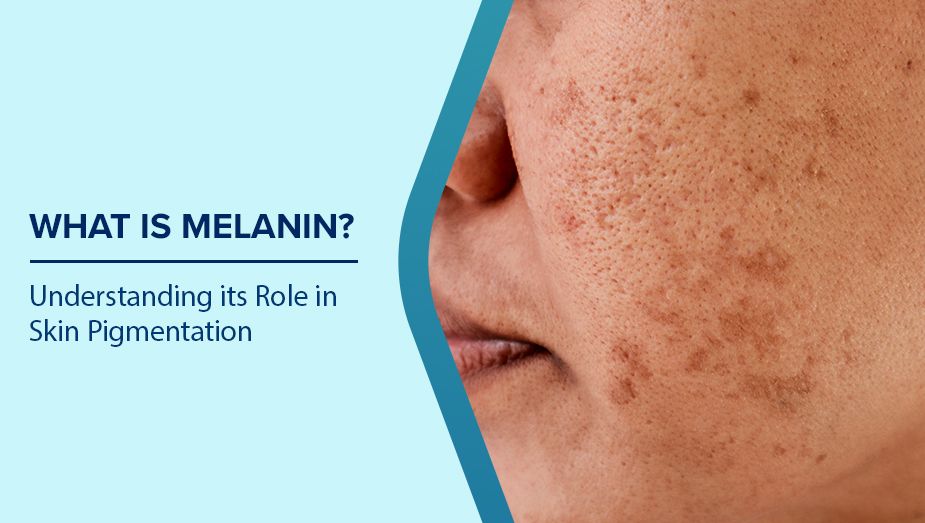
Hyperpigmentation occurs when there is an excess production of melanin, leading to dark spots or patches on the skin. Common types of hyperpigmentation include sunspots, age spots, and melasma. These spots usually appear on areas of the skin exposed to the sun and are often more common in individuals with darker skin tones.
2. Hypopigmentation
Hypopigmentation is the opposite of hyperpigmentation and occurs when there is a deficiency of melanin in certain areas of the skin. This can result in lighter patches or spots, such as in conditions like vitiligo, where the immune system attacks the melanocytes, leading to the loss of pigmentation. Albinism is another genetic condition that results in little to no melanin production, leading to very pale skin, hair, and eyes.
3. Vitiligo
Vitiligo is a condition where melanin-producing cells are destroyed, leading to distinct white patches of skin. These patches may occur anywhere on the body and can spread over time. While the exact cause is unknown, it is believed to be linked to autoimmune dysfunction, where the body attacks its own pigment-producing cells.
4. Melasma
Melasma is a common skin condition that causes brown or grey-brown patches to develop on the face, often due to hormonal changes. It is frequently seen in pregnant women (sometimes called the "mask of pregnancy") or those taking birth control. Sun exposure can make melasma worse, and it tends to occur in areas where melanin production is already increased, like the cheeks, forehead, and upper lip.
5. Albinism
Albinism is a rare genetic condition where the body cannot produce normal amounts of melanin, resulting in little or no pigment in the skin, hair, and eyes. People with albinism are often more susceptible to sunburn and skin cancer due to the lack of melanin, which offers some protection against UV radiation.
6. Post-inflammatory Hyperpigmentation (PIH)
PIH occurs after an injury to the skin, such as a cut, burn, or acne. As the skin heals, excess melanin is produced in response to the inflammation, leading to dark spots or scars. While the spots usually fade over time, they can persist if the skin experiences repeated trauma or inflammation.
How to Care for Skin with Pigmentation Issues?
Here are some tips for maintaining healthy skin while managing pigmentation issues:
- Use Sunscreen Daily: Sunscreen is crucial for all skin types, especially for those with pigmentation concerns. UV rays can worsen pigmentation, causing dark spots to become more pronounced. Choose a broad-spectrum sunscreen with an SPF of 30 or higher and apply it every morning, even on cloudy days or when indoors.
- Gentle Cleansing: Harsh cleansers can strip the skin of essential oils, making it more prone to irritation, which can exacerbate pigmentation. Opt for a gentle, hydrating cleanser that won’t disrupt the skin’s natural barrier. Avoid scrubbing or over-exfoliating the skin, as this can lead to further irritation
- Incorporate Brightening Ingredients In Your Skincare Products: Look for skincare products that contain ingredients known for brightening the skin, such as Vitamin C, niacinamide, or liquorice extract. These ingredients can help reduce the appearance of dark spots and even out skin tone over time.
- Moisturise Regularly: Keeping the skin moisturised is essential, especially if you’re using treatments that may dry out the skin. A well-hydrated skin barrier is less susceptible to pigmentation issues and irritation. Opt for moisturisers containing hyaluronic acid, glycerin, or ceramides for optimal hydration.
- Avoid Direct Sun Exposure: Even with sunscreen, limiting direct sun exposure is important, particularly during peak hours (10 AM to 4 PM). If possible, wear protective clothing or hats when outside, or seek shade to avoid further pigmentation changes.
Read More:- Understanding Skin Rash: Types, Symptoms, Causes, Treatment and Prevention Tips
Medical Treatments for Pigmentation Disorders
Treating pigmentation disorders depends on the type, cause, and severity of the condition. In many cases, medical treatment aims to even out skin tone, reduce the appearance of dark or light patches, and prevent further damage.
1. Topical creams
Prescription creams containing ingredients such as hydroquinone, corticosteroids, or retinoids are commonly used to lighten dark patches. These help slow melanin production and gradually fade the affected areas. For lighter patches, creams that promote melanin production may be recommended.
2. Chemical peels
Chemical peels use mild acids to remove the upper layer of skin. This can help reduce the appearance of dark spots, sun damage, or melasma. The strength of the peel depends on the condition being treated and the skin’s sensitivity.
3. Laser therapy
Laser treatment targets specific areas of excess pigmentation by breaking down the melanin. Different types of lasers may be used depending on the depth and cause of the pigmentation. This treatment usually requires several sessions and should only be performed by qualified professionals.
4. Microdermabrasion and dermabrasion
These are skin resurfacing procedures that remove the top layer of skin using a special device. They can help treat mild pigmentation problems, such as age spots or scars, by encouraging new, even-toned skin to grow.
5. Phototherapy
For some types of hypopigmentation, such as vitiligo, controlled light therapy using UVB light may help stimulate melanocytes and encourage pigment to return to the skin.
6. Oral medications
In certain cases, doctors may prescribe oral medicines to treat underlying causes of pigmentation, such as hormonal imbalance or autoimmune issues.
It is important to remember that treatment results can vary from person to person. A proper diagnosis and advice from a medical expert are essential before starting any treatment.
The Risks of Relying on Home Remedies for Pigmentation Issues
Many home remedies for pigmentation such as lemon juice, vinegar, turmeric, or aloe vera—are popular because they are easy to find, low-cost, and often shared through family traditions or social media. However, relying only on these methods may cause more harm than good in the long run. Some common risks include:
- Skin irritation or surface damage: Ingredients such as lemon juice or vinegar are highly acidic and can disturb the skin’s natural barrier. This may lead to burning, itching, redness, dryness, or even peeling, especially for people with sensitive skin.
- Darkening of pigmentation: Some natural products can make the skin more sensitive to sunlight. If not followed with sun protection, this can lead to further darkening of pigmented areas or the appearance of new dark spots.
- No understanding of the root cause: Pigmentation may be due to sun exposure, hormonal changes, nutrient deficiencies, or medical conditions like melasma. Home remedies only target the surface, which means the real cause often remains untreated.
- Uneven results and false expectations: Results from home remedies are not consistent. What works for one person may have no effect, or even a negative effect on someone else. This can lead to frustration, wasted time, and worsening of the condition.
- Delays in proper diagnosis and care: Relying on home treatments for too long may stop someone from seeking medical advice. In some cases, this can allow pigmentation to spread or become more stubborn, making it harder to treat in the future.
Although home remedies are popular, they are not a substitute for medical guidance, especially when the cause of pigmentation is not clear.
Read More:- Understanding skin tags: causes, removal, and prevention
Consult Today
Some patches, spots, or changes in skin tone may not need treatment, but it’s still important to know when medical attention is necessary. A consultation with a dermatologist at Max Hospital can help identify the cause, recommend tests if needed, and guide treatment. Even a brief visit can clear up confusion and help bring the focus back to what matters—feeling comfortable in one’s own skin.
Frequently Asked Questions
Can diet affect melanin production in the body?
Yes, certain nutrients such as vitamins A, C, and E, as well as minerals like copper and iron, support the body's natural melanin production. However, diet alone may not significantly alter skin tone.
Is it possible to safely increase melanin levels?
There is no proven way to safely boost melanin levels through creams or supplements. Some ingredients may claim to influence pigmentation, but results are often limited or unverified. It’s best to consult a dermatologist before trying any method
Do people with less melanin always have more skin sensitivity?
Lighter skin generally has less melanin, which can offer less natural protection from UV rays. This may increase the risk of sunburn or long-term damage, but overall skin sensitivity can also depend on other factors like genetics or underlying skin conditions.
Are skin-lightening products safe to use for uneven pigmentation?
Many over-the-counter products may contain harsh ingredients such as steroids or hydroquinone, which can harm the skin if used without medical supervision. It’s important to seek medical advice before using such treatments.
How can hyperpigmentation be treated?
Treating hyperpigmentation typically involves topical treatments like vitamin C, retinoids, and sunscreens to prevent further darkening. In some cases, dermatologists may recommend chemical peels, laser therapy, or microdermabrasion for more stubborn pigmentation. It's essential to consult a dermatologist to determine the right treatment for your skin type.
Does using sunscreen prevent pigmentation from worsening?
Yes, sunscreen is essential in preventing pigmentation from worsening, especially after sun exposure. Sun protection helps reduce further UV-induced melanin production, which can lead to dark spots and uneven skin tone. It’s recommended to use a broad-spectrum sunscreen with SPF 30 or higher.
Written and Verified by:

Related Blogs


Blogs by Doctor
Urticaria (Hives): Common Triggers, Symptoms and Treatment Options
Dr. Vikram Lahoria In Dermatology
Aug 29 , 2025 | 11 min read
Most read Blogs


Related Blogs
Blogs by Doctor
Urticaria (Hives): Common Triggers, Symptoms and Treatment Options
Dr. Vikram Lahoria In Dermatology
Aug 29 , 2025 | 11 min read
Most read Blogs