 WhatsApp Us (24/7)
 +91 926 888 0303 (24/7)


To Book an Appointment
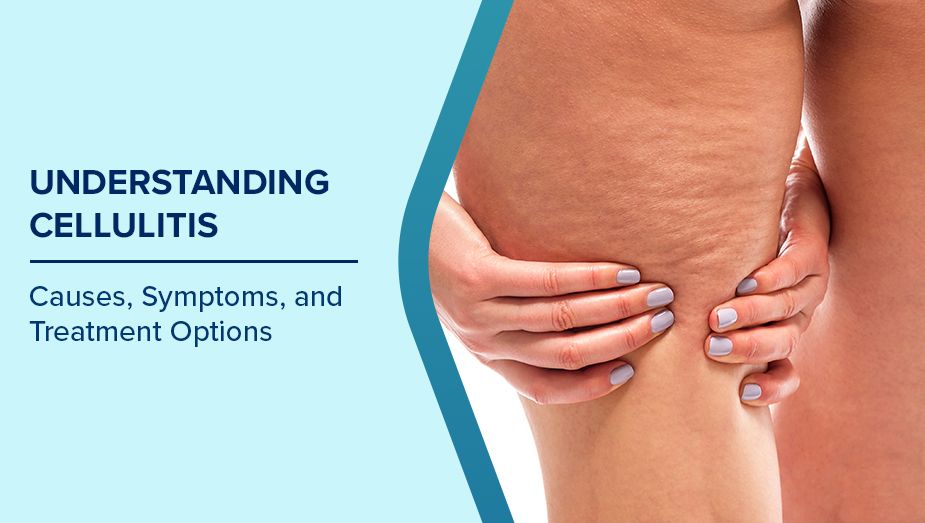
Call Us+91 926 888 0303Understanding Cellulitis: Causes, Symptoms, and Treatment Options
By Dr. Kashish Kalra in Dermatology
Jul 01 , 2025 | 11 min read
5

Redness and swelling on the skin may seem like a minor concern. In some cases, however, these early signs mark the beginning of cellulitis, a bacterial infection that develops in the deeper layers of the skin. The infection often takes hold when the skin’s natural barrier is disrupted, allowing bacteria to enter and multiply beneath the surface. As it spreads, the affected area may become increasingly painful and warm. As the infection can progress quickly, early recognition and timely treatment are essential to avoid complications. This blog explains how cellulitis starts, the symptoms that signal its presence, and the treatment options available, beginning with an overview of the condition.
What is Cellulitis?
Cellulitis is an infection that affects the deeper layers of the skin and the tissues beneath it. It occurs when bacteria multiply within these layers, triggering the body’s immune response. This leads to swelling, redness, and pain as the area becomes inflamed. The infection can cause the lymph nodes nearby to become swollen as they work to fight off the bacteria. In some cases, cellulitis may also result in blisters or skin dimpling.
It is important to understand that cellulitis is different from superficial skin conditions such as eczema or simple redness, as it involves a more serious infection requiring medical treatment.
What are the Types of Cellulitis?
Cellulitis may present differently depending on the area of the body affected or the type of bacteria involved. Recognising these variations helps in selecting the right treatment and assessing the potential risks linked to each form.
1. Limb Cellulitis
This is the most commonly seen form of cellulitis and usually affects the lower legs, although it can also involve the arms. It often begins near a break in the skin, such as a cut, ulcer, or insect bite. The skin becomes red, swollen, and tender, and in some cases, the swelling may extend over a large area. If not treated, the infection may spread into deeper tissues or the bloodstream.
2. Facial Cellulitis
Cellulitis of the face typically affects the cheeks, nose, or around the mouth. It may arise from dental infections, minor facial injuries, or skin conditions that break the surface, such as acne. Because the face has a rich network of blood vessels, infections in this area can spread more rapidly and may lead to complications if not addressed early.
3. Periorbital Cellulitis
This type involves the soft tissues around the eye, particularly the eyelids. It is more commonly seen in children and may follow a sinus infection or skin injury near the eye. Although it can cause significant swelling and discomfort, it usually does not affect the eye itself. Prompt treatment is important to prevent the infection from spreading deeper.
4. Orbital Cellulitis
Unlike periorbital cellulitis, orbital cellulitis affects the tissues within the eye socket. It is a more serious condition that can lead to vision problems, eye movement restriction, and severe pain. This form of cellulitis is considered a medical emergency and often requires hospital care and intravenous antibiotics.
5. Breast Cellulitis
This form occurs most often in people who have recently undergone breast surgery, radiation therapy, or have breast lymphoedema. The affected area may appear red, swollen, and warm, and the skin may feel tight or painful. Medical evaluation is necessary to rule out other underlying causes and begin suitable treatment.
What Causes Cellulitis?
Cellulitis develops when bacteria pass through a break in the skin and infect the tissue beneath. The most common bacteria involved are Streptococcus and Staphylococcus, which normally live harmlessly on the skin’s surface. A break in the skin gives them access to deeper layers, where they multiply and trigger inflammation.
The entry point is often minor and may include:
- Cuts, grazes, or insect bites
- Cracked skin, particularly on the feet and heels
- Surgical wounds or injection sites
- Pre-existing skin conditions, such as eczema or athlete’s foot
- Open sores, ulcers, or pressure injuries
- Animal bites or scratches
Once inside the skin, the bacteria spread locally and, in some cases, may enter the bloodstream if left untreated.
Who is at Greater Risk?
Several health conditions and lifestyle factors can increase the chance of developing cellulitis or having repeated episodes:
- Diabetes
- Poor blood circulation, especially in the legs
- A weakened immune system due to illness or medication
- Obesity
- Lymphoedema or chronic swelling of the limbs
- A history of cellulitis
- Skin that is frequently dry, cracked, or injured
Identifying and managing these risk factors can help reduce the likelihood of infection and support faster recovery if cellulitis occurs.
What are the Symptoms of Cellulitis?
Cellulitis often begins suddenly and tends to affect one side of the body. The symptoms may appear over a few hours or days and usually start near the area where the bacteria entered the skin. The signs can range from mild to more severe, depending on how far the infection has spread.
Common symptoms include:
- Redness that spreads across the skin
- Swelling in the affected area
- Warmth or heat around the site of infection
- Pain or tenderness in the area
- Skin that may appear tight, glossy, or stretched
- Formation of blisters or pus-filled spots in some cases
In more serious infections, general symptoms may also appear, such as:
- Fever or chills
- Fatigue or a general feeling of illness
- Swollen lymph nodes near the affected area
How is Cellulitis Diagnosed?
Cellulitis is mainly diagnosed through a clinical examination. A doctor closely inspects the affected area, noting features such as redness, swelling, warmth, pain, and the speed at which the symptoms have developed. The shape and borders of the redness, along with any visible skin damage or wounds nearby, can help in confirming the diagnosis. In most cases, this assessment is enough to identify cellulitis and begin treatment.
However, further tests may be advised if the infection appears more severe than usual, is not responding to antibiotics, or is suspected to have spread beyond the skin. These may include:
- Blood tests, such as a complete blood count (CBC), to check for signs of infection like an elevated white blood cell count. Markers of inflammation, such as C-reactive protein (CRP), may also be measured.
- Swabs or cultures taken from open wounds, broken skin, or blisters to help identify the type of bacteria responsible. This is especially helpful in cases where initial treatment has not been effective.
- Blood cultures, if the doctor suspects that the bacteria may have entered the bloodstream, particularly when there are signs of fever or chills.
- Imaging tests, such as an ultrasound, may be used if there is concern about an abscess forming beneath the skin. In rare cases, MRI or CT scans are needed to rule out deeper infections like osteomyelitis (infection of the bone) or necrotising fasciitis (a rapidly spreading soft tissue infection).
The doctor may also check for signs of conditions that could be mistaken for cellulitis, such as deep vein thrombosis, contact dermatitis, or insect bites. Correct diagnosis is important because other conditions may have similar symptoms but require very different treatment.
What are the Treatment Options for Cellulitis?
Managing cellulitis involves treating the infection, relieving symptoms, and reducing the risk of complications or recurrence. The approach depends on the severity of the condition and any underlying health issues.
Antibiotic Therapy
Antibiotics are the main form of treatment. For mild to moderate cellulitis, doctors usually prescribe oral antibiotics that are effective against common bacteria such as Streptococcus and Staphylococcus. The course typically lasts between 5 and 10 days. Most people begin to notice improvement within a few days, though completing the entire course is essential, even if symptoms improve early.
In more severe cases, or when oral treatment does not work, hospital admission may be needed. Intravenous antibiotics are given in such situations, particularly when there is a high fever, rapidly spreading redness, signs of bloodstream infection, or cellulitis involving the face, eyes, or genitals.
Pain and Symptom Relief
In addition to antibiotics, medicines such as paracetamol or anti-inflammatory drugs may be advised to ease pain and reduce fever. These help improve comfort and support rest during recovery.
Managing Recurrent Cellulitis
For individuals who have repeated episodes of cellulitis, further steps may be recommended. These may include treatment of underlying skin problems such as athlete’s foot, regular moisturising to prevent cracked skin, and wearing compression garments if there is chronic swelling. In select cases, long-term or preventive antibiotics may be considered to lower the risk of recurrence.
Home Remedies and Self-Care
While antibiotics remain essential, certain self-care practices can support recovery and improve comfort during treatment. These measures do not replace medical care but may help the body respond better to treatment.
- Elevation of the affected area can reduce swelling and pain, especially when the legs are involved. Keeping the limb raised above heart level whenever possible helps improve circulation and ease inflammation.
- Rest allows the body to focus on healing. Avoiding excessive movement or pressure on the affected area may prevent the infection from worsening.
- Good skin hygiene is important. The skin should be kept clean and dry, and any wounds or cracks should be washed gently and covered with sterile dressings if needed.
- Moisturising dry skin may help prevent future episodes, especially in individuals prone to skin breaks or flaking.
- Cool compresses may be used briefly to soothe discomfort, though they should not be applied for long periods or directly to broken skin
- Avoid scratching or rubbing the infected area, as this can further irritate the skin and increase the risk of complications.
These measures are supportive and should be used alongside prescribed treatment. If symptoms worsen or do not improve as expected, medical advice should be sought without delay.
What are the Complications of Untreated Cellulitis?
If cellulitis is not treated in time or does not respond to treatment, the infection can spread beyond the skin and lead to serious health issues. The bacteria may move into deeper tissues, the bloodstream, or nearby structures, increasing the risk of complications that may require urgent medical attention.
Possible complications include:
- Abscess formation: A pocket of pus may form under the skin, causing pain and swelling. This usually requires drainage by a doctor in addition to antibiotics.
- Bloodstream infection (sepsis): If the bacteria enter the bloodstream, they can cause a life-threatening response known as sepsis. Signs may include high fever, rapid heartbeat, low blood pressure, and confusion.
- Lymphangitis: The infection can spread through the lymphatic vessels, leading to red streaks under the skin and swollen lymph nodes. This may increase the risk of long-term swelling in the affected area.
- Chronic swelling or lymphoedema: Repeated episodes of cellulitis can damage the lymphatic system, causing ongoing swelling of the affected limb. This may become permanent over time.
- Tissue death (necrosis): In very severe cases, cellulitis can lead to the death of skin or deeper tissues, particularly if blood flow to the area is reduced. Surgery may be required to remove the damaged tissue.
- Bone or joint infection: If the infection spreads further, it may reach nearby bones (osteomyelitis) or joints (septic arthritis), which can lead to long-term damage and require more intensive treatment.
Consult Today
Even mild redness, warmth, or swelling on the skin can signal the start of cellulitis—an infection that may spread quickly if not addressed early. What begins as a small patch of inflammation can, in some cases, lead to deeper tissue involvement, long-term swelling, or repeated flare-ups. In such situations, early medical attention does more than ease symptoms; it helps prevent complications that are harder to manage later. At Max Hospital, specialists in internal medicine and infectious diseases assess the extent of the infection, monitor for signs of progression, and guide further care based on the person’s overall health. A timely consultation can change the course of recovery and reduce the risk of future episodes.
Frequently Asked Questions
Can cellulitis spread from person to person?
Cellulitis itself is not contagious, meaning it does not spread through direct contact like some other skin infections. However, the bacteria that cause it—such as Streptococcus or Staphylococcus—can live on the skin and surfaces. Although these bacteria can transfer between individuals, cellulitis only develops if the skin barrier is broken and the bacteria enter through a cut, crack, or wound. Good hygiene and wound care reduce this risk significantly.
How long does cellulitis take to heal completely?
Recovery depends on the severity of the infection and the person’s overall health. In uncomplicated cases, noticeable improvement often begins within two to three days of starting antibiotics. Full healing may take up to 10 to 14 days. Swelling or skin discolouration may linger a little longer, even after the infection has cleared. In more severe or recurrent cases, recovery might be slower and may require additional support such as wound care, rest, and follow-up visits.
Can cellulitis come back after successful treatment?
Yes, cellulitis can recur, particularly in people with underlying risk factors such as poor blood flow in the legs, diabetes, or skin conditions like athlete’s foot or eczema. Each repeat episode may increase the chance of long-term swelling (lymphoedema) in the area. Preventive measures, such as treating fungal infections, keeping the skin well-moisturised, and using compression garments, may help reduce the risk of recurrence. In some cases, doctors may suggest long-term antibiotics if flare-ups happen frequently.
Is it safe to move around or exercise with cellulitis in the leg?
During the initial stages of cellulitis, especially when pain and swelling are present, rest is strongly advised. Elevating the affected leg helps reduce inflammation and promotes healing. As symptoms begin to settle, light activity may be introduced gradually. Strenuous exercise or prolonged standing should be avoided until a doctor confirms it is safe to resume normal movement. Attempting to walk or exercise too soon may increase discomfort or delay recovery.
What signs suggest that cellulitis may be getting worse despite treatment?
Redness that spreads rapidly, increasing warmth or swelling, high fever, chills, or a general feeling of being unwell may indicate that the infection is not under control. Other warning signs include blisters, pus-filled areas, red streaks extending from the infected site, or swollen lymph nodes. If any of these symptoms appear or worsen during antibiotic treatment, prompt medical review is needed to adjust the care plan or consider hospital admission.
Can over-the-counter creams or ointments be used to treat cellulitis?
Topical treatments are not effective for cellulitis, as the infection lies deep within the skin and surrounding tissues. Over-the-counter creams may relieve itching or dryness, but they cannot stop the spread of bacterial infection. Oral or intravenous antibiotics prescribed by a doctor are necessary to treat the condition. Applying unapproved or home-based creams may irritate the skin further or mask important symptoms.
Written and Verified by:

Related Blogs


Blogs by Doctor


Acne: Unmasking the Causes and Effective Treatment Options
Dr. Kashish Kalra In Dermatology
Aug 17 , 2023 | 2 min read
Most read Blogs


Related Blogs
Blogs by Doctor
Acne: Unmasking the Causes and Effective Treatment Options
Dr. Kashish Kalra In Dermatology
Aug 17 , 2023 | 2 min read
Most read Blogs