 WhatsApp Us (24/7)
 +91 926 888 0303 (24/7)


Best Liver Transplant Surgeons in Dwarka
To Book an Appointment
Call us+91 92688 80303To Book an Appointment
Call us+91 92688 80303Filters
Doctors Available
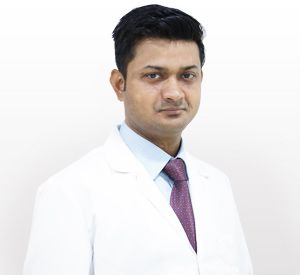
{"FirstAvailable":"2026-06-30 10:00 AM","FirstInHospital":"2026-06-30 10:00 AM","FirstVC":"","Hospital":{"blk-max-super-speciality-hospital-delhi":{"FirstAvailable":"2026-06-30 9:00 AM","FirstInHospital":"2026-06-30 9:00 AM","FirstVC":""},"max-super-speciality-hospital-dwarka":{"FirstAvailable":"2026-06-30 10:00 AM","FirstInHospital":"2026-06-30 10:00 AM","FirstVC":""}}}
Can't find what you are looking for?
Conditions That May Require Liver Transplant
Our liver transplant surgeons in Dwarka work closely with hepatologists and other specialists to manage a wide range of complex liver conditions that may require transplantation. Every patient undergoes a detailed evaluation to determine the severity of the disease, assess transplant suitability, and develop an individualised treatment plan.
Chronic Liver Disease and Cirrhosis
Chronic liver diseases are among the most common reasons for liver transplantation. Conditions such as hepatitis B, hepatitis C, alcohol-related liver disease, non-alcoholic fatty liver disease (NAFLD), and non-alcoholic steatohepatitis (NASH) can gradually cause irreversible liver damage. When cirrhosis progresses and complications become difficult to manage, liver transplantation may offer the best long-term solution.
Acute Liver Failure
Acute liver failure is a medical emergency in which liver function deteriorates rapidly over days or weeks. It may occur due to severe viral infections, medication toxicity, autoimmune disorders, or other causes. In selected cases, urgent liver transplantation is necessary to improve survival and prevent life-threatening complications.
Liver Cancer
Liver transplantation can be an effective treatment option for certain patients with hepatocellular carcinoma (HCC), particularly when the cancer is confined to the liver and meets established transplant criteria. Our surgeons carefully evaluate each case to determine whether transplantation can provide the best chance of long-term disease control.
Genetic and Metabolic Liver Disorders
Several inherited conditions can progressively damage the liver and eventually lead to liver failure. Disorders such as Wilson's disease, haemochromatosis, alpha-1 antitrypsin deficiency, and certain metabolic liver diseases may require transplantation when medical management is no longer sufficient to preserve liver function.
Autoimmune and Cholestatic Liver Diseases
Autoimmune hepatitis, primary biliary cholangitis (PBC), and primary sclerosing cholangitis (PSC) can cause ongoing inflammation and scarring of the liver. Patients with advanced disease and declining liver function may benefit from evaluation by a liver transplant surgeon to determine whether transplantation is appropriate.
Paediatric Liver Disorders
Children with conditions such as biliary atresia, metabolic liver diseases, congenital liver abnormalities, and progressive liver disorders may require specialised transplant care. Our liver transplant surgeons collaborate with paediatric specialists to ensure comprehensive evaluation and age-appropriate treatment for young patients.
Types of Liver Transplants at Max Hospitals, Dwarka
Our liver transplant surgeons in Dwarka perform a wide range of transplant procedures, selecting the most appropriate approach based on the patient’s condition, donor availability, liver anatomy, and overall treatment goals. Every procedure is carefully planned to maximise safety, optimise outcomes, and support long-term liver function.
Living Donor Liver Transplant (LDLT)
Living donor liver transplantation involves transplanting a portion of a healthy donor’s liver into the recipient. As the liver has a unique ability to regenerate, both the donor's and recipient's liver tissue gradually grows and restores normal function. This approach can reduce waiting times and enable timely treatment for patients with advanced liver disease.
Deceased Donor Liver Transplant (DDLT)
In a deceased donor liver transplant, the liver is obtained from a brain-dead donor through an organised organ allocation programme. This option is often recommended for patients who do not have a suitable living donor and remains an important pathway to transplantation.
Paediatric Liver Transplant
Children with severe liver disease often require specialised surgical techniques and dedicated perioperative care. Our liver transplant surgeons work alongside paediatric specialists to provide comprehensive treatment tailored to the unique needs of young patients.
ABO-Incompatible Liver Transplant
Advances in immunosuppressive therapies and transplant protocols have made it possible to perform liver transplants between donors and recipients with different blood groups in selected cases. This can expand donor options for patients who require urgent transplantation.
Dual Lobe Liver Transplant
In certain complex situations where a single donor graft may not provide sufficient liver volume, liver segments from two donors may be used. This highly specialised procedure requires detailed planning and significant surgical expertise.
Auxiliary Liver Transplant
An auxiliary liver transplant involves implanting a portion of a donor liver while retaining the patient's native liver. This approach may be considered in selected cases, particularly when there is a possibility that the original liver could recover some function over time.
Re-Transplantation
Although uncommon, some patients may require a second liver transplant if the initial graft fails or develops serious complications. Our surgeons conduct a thorough evaluation to determine suitability and plan the most appropriate treatment strategy.
The choice of transplant depends on multiple factors, including the underlying liver condition, disease severity, donor availability, and overall health of the patient. Our liver transplant surgeons carefully assess each case to recommend the most suitable approach.
Liver Transplant Journey at Max Hospitals, Dwarka - What to Expect
Undergoing a liver transplant is a complex process that involves careful planning, detailed evaluations, and coordinated care from multiple specialists. Our liver transplant surgeons in Dwarka guide patients and their families through every stage of the journey, ensuring they understand the treatment plan, expectations, and recovery process.
Initial Consultation and Evaluation
The journey begins with a comprehensive assessment to determine whether a liver transplant is the most appropriate treatment option. During this stage, the surgeon reviews the patient’s medical history, current liver function, diagnostic reports, and overall health to evaluate transplant suitability.
Diagnostic Testing and Transplant Assessment
A series of tests may be recommended to gain a detailed understanding of the patient's condition. These can include blood investigations, imaging studies, cardiac assessments, and other specialised evaluations that help the transplant team assess surgical readiness and identify potential risks.
Donor Evaluation
For living donor liver transplants, potential donors undergo a thorough medical and psychological assessment to ensure compatibility and safety. The evaluation focuses on factors such as liver health, blood group compatibility, anatomical suitability, and overall fitness for donation.
Pre-Transplant Preparation
Before surgery, patients may receive treatment and support aimed at improving their overall health and preparing them for the procedure. This may include nutritional guidance, medication optimisation, management of existing complications, and lifestyle recommendations.
Liver Transplant Surgery
During the procedure, the diseased liver is removed and replaced with a healthy donor liver or a portion of a donor liver, depending on the type of transplant being performed. The surgery is carried out by a specialised transplant team using carefully planned surgical techniques designed to maximise safety and long-term success.
Recovery and Hospital Stay
Following surgery, patients are closely monitored to assess liver function, manage medications, and detect any complications at an early stage. As recovery progresses, physiotherapy, nutritional support, and regular clinical evaluations help patients regain strength and mobility.
Long-Term Follow-Up Care
Recovery continues well beyond hospital discharge. Regular follow-up visits allow the transplant team to monitor liver health, adjust medications when necessary, and provide ongoing guidance on diet, activity levels, and lifestyle modifications. Consistent follow-up plays an important role in supporting long-term transplant success and overall well-being.
Meet Our Liver Transplant Specialists
At Max Super Speciality Hospital, Dwarka, our team of highly skilled liver transplant surgeons is dedicated to providing expert surgical care for patients requiring liver transplantation. Backed by extensive clinical experience and supported by a multidisciplinary transplant programme, they guide patients through every stage of the transplant journey, from evaluation and donor assessment to surgery and long-term follow-up.
Explore the specialists' profiles on this page to learn about their qualifications, clinical experience, areas of expertise, consultation schedules, and fees. We also offer video consultation options with select doctors, making expert liver transplant care accessible to patients across Delhi NCR and beyond.
Why Choose Max Hospitals for Liver Transplant
Choosing the right liver transplant surgeon is one of the most important decisions in the transplant journey. At Max Super Speciality Hospital, Dwarka, patients benefit from the expertise of experienced transplant surgeons who are supported by a comprehensive transplant programme, advanced medical infrastructure, and a multidisciplinary team dedicated to delivering personalised care.
Extensive Experience in Liver Transplant Surgery
Our liver transplant surgeons have extensive experience in performing a wide range of transplant procedures, including living donor, deceased donor, paediatric, and complex liver transplants. Their expertise enables them to manage challenging cases with precision while prioritising patient safety and long-term outcomes.
Personalised Treatment Planning
Every patient's condition, medical history, and treatment needs are unique. Our surgeons take a personalised approach to transplant care, carefully evaluating each case and developing treatment plans tailored to the individual's health status, disease severity, and recovery goals.
Multidisciplinary Collaboration
Successful liver transplantation requires the coordinated efforts of multiple specialists. Our surgeons work closely with hepatologists, anaesthetists, critical care experts, radiologists, transplant coordinators, dietitians, and rehabilitation specialists to ensure seamless care throughout the transplant journey.
Expertise in Complex and High-Risk Cases
Patients with advanced liver disease, complicated medical histories, or unique transplant requirements often require specialised surgical expertise. Our team is experienced in evaluating and managing complex transplant cases, helping patients access appropriate treatment options even in challenging circumstances.
Focus on Patient and Family Education
A liver transplant can be a life-changing procedure for both patients and their families. Our surgeons ensure that patients receive clear information about the transplant process, potential risks, expected outcomes, and long-term care requirements, helping them make informed decisions with confidence.
Comprehensive Support Beyond Surgery
Our commitment to patient care extends beyond the operating room. From pre-transplant counselling and donor evaluation to post-transplant monitoring and long-term follow-up, patients receive continuous guidance and support at every stage of treatment and recovery.
Accessible Care for Patients from Dwarka and Beyond
Conveniently located in Dwarka, our transplant programme is accessible to patients from Delhi, NCR, and neighbouring regions. This allows patients and their families to benefit from specialised transplant expertise while maintaining continuity of care through consultations, treatment, and follow-up visits.
Frequently Asked Questions
How do I choose the right liver transplant surgeon near me in Dwarka?
When choosing a liver transplant surgeon near you, consider factors such as experience in performing liver transplants, expertise in managing complex cases, access to a multidisciplinary transplant team, and the availability of comprehensive pre- and post-transplant care. It is also important to feel comfortable discussing your concerns and treatment options with the surgeon.
Can I get a second opinion before proceeding with a liver transplant?
Yes. Seeking a second opinion can help you better understand your diagnosis, treatment options, and transplant eligibility. Many patients choose to consult a liver transplant specialist for additional guidance before making important treatment decisions.
What questions should I ask during my first consultation with a liver transplant surgeon?
You may wish to discuss your diagnosis, whether a transplant is necessary, the available transplant options, potential risks and benefits, expected outcomes, recovery timelines, and any lifestyle changes that may be required after transplantation.
Can family members be evaluated as potential liver donors?
Yes. In living donor liver transplantation, eligible family members and, in some cases, other compatible individuals may be evaluated as potential donors. A detailed medical and psychological assessment is conducted to ensure donor safety and suitability.
How long does the liver transplant evaluation process take?
The evaluation process varies from patient to patient and depends on the complexity of the condition and the tests required. Some assessments can be completed within a few days, while others may require additional investigations and specialist consultations.
How often will I need follow-up visits after a liver transplant?
Follow-up visits are more frequent during the first few months after transplantation and gradually become less frequent as recovery progresses. Regular monitoring remains important to assess liver function and overall health.
Can patients from outside Delhi consult a liver transplant surgeon in Dwarka?
Yes. Patients from across India and abroad can consult liver transplant specialists in Dwarka. Many centres also offer video consultations for initial discussions, report reviews, and treatment planning.
Will I be able to return to work after a liver transplant?
Many patients can return to work and resume their normal daily activities after recovery. The timeline varies depending on the individual's overall health, the nature of their work, and their progress following transplantation.
What lifestyle changes are recommended after a liver transplant?
Patients are generally advised to maintain a healthy diet, take medications as prescribed, attend regular follow-up appointments, avoid smoking and excessive alcohol consumption, and adopt healthy lifestyle habits to support long-term liver health.
When can I travel after a liver transplant?
Many patients can travel once they have recovered adequately and their medical condition is stable. However, travel plans should always be discussed with the transplant team, particularly during the early recovery period.
Review
Reviewed by Dr. Niteen Kumar, Associate Director, Liver Transplant and Biliary Sciences, on 18 June 2026.