 WhatsApp Us (24/7)
 +91 926 888 0303 (24/7)


To Book an Appointment
Call Us+91 926 888 0303Living Donor Liver Transplant: Eligibility, Donor Safety & Recovery
By Dr. Ajitabh Srivastava in Liver Transplant and Biliary Sciences
Feb 06 , 2026

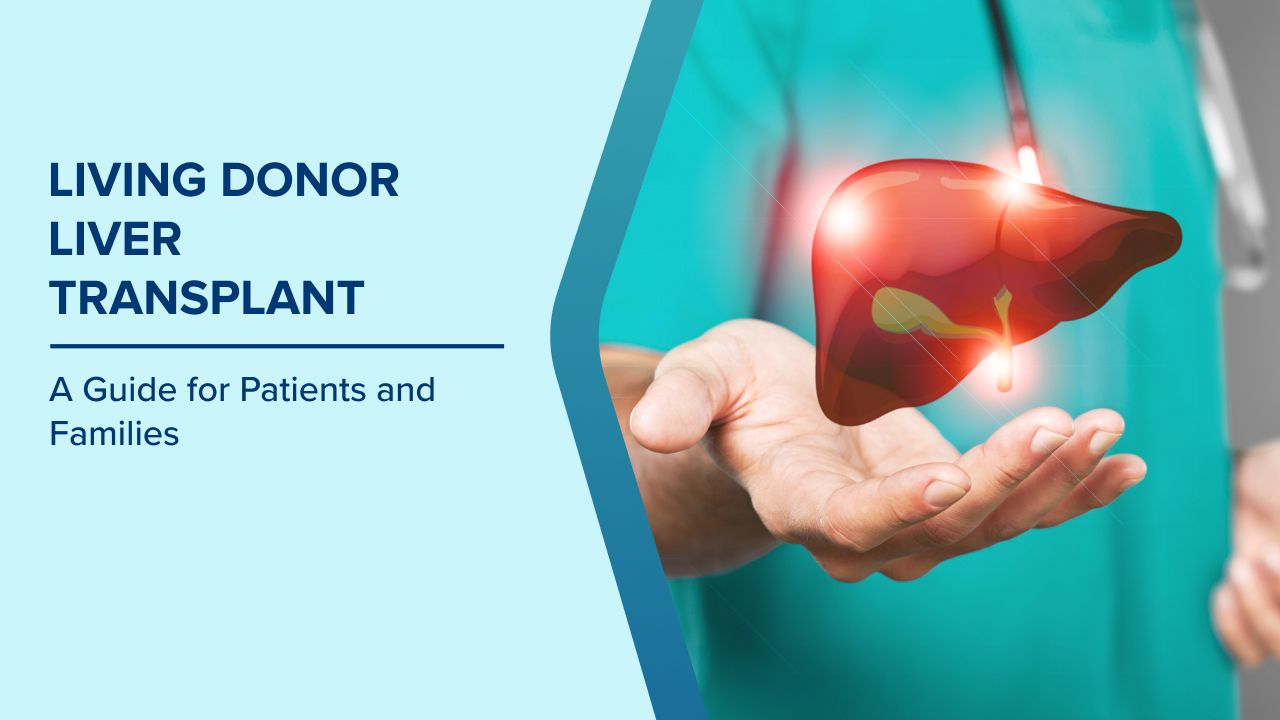
A diagnosis of advanced liver disease often brings uncertainty, long waiting periods, and difficult decisions. For many patients, a living donor liver transplant offers a timely and effective treatment option that can restore health and improve quality of life. Unlike waiting for a deceased donor organ, this approach allows planned surgery, greater control, and often better outcomes when done at the right time.
Understanding the Role of a Living Donor
In a living donor liver transplant, a healthy person donates a portion of their liver to someone with liver failure. The liver is unique because it can regenerate. Both the donated portion and the remaining liver grow back to near normal size within weeks.
The donor is often a close family member or relative, but in some cases, an unrelated person may also be considered if medically and legally suitable. The process prioritises donor safety while ensuring the recipient receives a functioning liver segment.
Who May Need a Living Donor Liver Transplant
This transplant option is usually considered for patients with severe liver disease where medication and other treatments are no longer effective. Common situations include:
- Progressive liver failure affecting daily life
- Complications such as fluid accumulation, confusion, or repeated infections
- Liver conditions where timing is critical and waiting may worsen outcomes
- Children with inherited or metabolic liver disorders
Doctors evaluate the patient’s overall health, heart and lung function, nutritional status, and ability to recover before recommending transplantation.
How Donor Selection Is Done Safely
Donor selection is a detailed and cautious process. The primary goal is to ensure the donor remains healthy in the long term. Evaluation includes:
- Blood group compatibility
- Detailed imaging of liver anatomy
- Assessment of liver size to match recipient needs
- Overall physical and mental health checks
- Psychological counselling to confirm voluntary consent
Donors are not approved unless all safety parameters are met. If risks are considered too high, the donation does not proceed.
Preparing for the Transplant Surgery
Once both donor and recipient are approved, preparation begins well in advance. This phase includes:
- Nutritional optimisation for the recipient
- Managing infections or complications before surgery
- Preoperative counselling for both parties
- Planning recovery time, work leave, and home support
This preparation phase helps reduce complications and improve recovery outcomes for both donor and recipient.
What Happens During the Surgery
The transplant involves two parallel surgeries performed by specialised surgical teams.
For the donor, a portion of the liver is carefully removed while preserving normal liver function. For the recipient, the diseased liver is replaced with the donated segment.
The surgery may take several hours. Intensive monitoring follows immediately after surgery to ensure stable liver function, blood flow, and healing.
Recovery Journey for the Recipient
Recovery after a living donor liver transplant is gradual and structured. In the early phase, patients are closely monitored for liver function, infection, and healing.
Key aspects of recovery include:
- Gradual return to oral nutrition
- Medications to prevent organ rejection
- Regular blood tests and imaging
- Physiotherapy to regain strength
Over time, most recipients experience improved energy, better digestion, and a return to normal daily activities under medical guidance.
Recovery Experience for the Donor
Donor recovery is equally important and carefully supported. Most donors remain in the hospital for a short period and gradually resume normal activities over weeks.
Common aspects of donor recovery include:
- Temporary fatigue or discomfort
- Gradual return to work depending on job nature
- Follow-up visits to monitor liver regeneration
- Emotional reassurance and counselling if needed
Long-term studies show donors can lead healthy, normal lives after recovery when properly selected.
Emotional and Psychological Considerations
A living donor liver transplant is not just a medical process. It carries emotional weight for both donor and recipient.
Recipients may feel relief mixed with guilt, while donors may experience anxiety before surgery. Open communication, counselling, and family support play a vital role.
Acknowledging these feelings helps both individuals heal physically and mentally.
Life After a Living Donor Liver Transplant
Post-transplant life involves adjustments as well as new possibilities. Patients often experience significant improvement in quality of life.
Long-term care focuses on:
- Adhering to prescribed medications
- Maintaining a balanced diet
- Avoiding infections through preventive care
- Regular follow-up with the transplant team
With proper care, many recipients return to work, travel, and family life with renewed independence.
Common Misconceptions About Living Donor Liver Transplant
Some believe donation permanently weakens the donor or that recovery is extremely prolonged. In reality, donor safety protocols are strict, and recovery is usually smooth.
Another misconception is that age alone determines eligibility. Overall health matters far more than age.
Why Timing Matters in Living Donor Transplant
One of the biggest advantages is timing. Surgery can be planned before the patient becomes critically ill, leading to fewer complications.
Waiting until disease worsens can reduce transplant success. Early evaluation opens more options.
Conclusion
A living donor liver transplant represents hope, planning, and partnership between medical teams, patients, and donors.
With the right guidance and support, this procedure can restore health while safeguarding both donor and recipient.
Frequently Asked Questions
Can a person donate part of their liver more than once?
No, donation is allowed only once to prioritise donor safety.
Does donation affect future pregnancies?
Most donors can safely plan pregnancies after full recovery with medical advice.
How long does liver regeneration take?
The liver regenerates within weeks and reaches near-normal size in a few months.
Are lifestyle restrictions permanent?
Most restrictions are temporary. Long-term focus is on balanced living.
Can lifestyle diseases affect success?
Conditions like diabetes or high blood pressure need control but do not limit success when managed properly.
Written and Verified by:

Related Blogs

Prof (Dr.) Subhash Gupta In Liver Transplant and Biliary Sciences
Nov 07 , 2020 | 2 min read

Dr. Nivedita Pandey In Gastroenterology, Hepatology & Endoscopy , Liver Transplant and Biliary Sciences
Nov 07 , 2020 | 2 min read
Blogs by Doctor


Liver Health: Simple Habits to Avoid Toxins Daily
Dr. Ajitabh Srivastava In Liver Transplant and Biliary Sciences
Nov 20 , 2024 | 6 min read
Most read Blogs


Related Blogs
Prof (Dr.) Subhash Gupta In Liver Transplant and Biliary Sciences
Nov 07 , 2020 | 2 min read
Dr. Nivedita Pandey In Gastroenterology, Hepatology & Endoscopy , Liver Transplant and Biliary Sciences
Nov 07 , 2020 | 2 min read
Blogs by Doctor
Liver Health: Simple Habits to Avoid Toxins Daily
Dr. Ajitabh Srivastava In Liver Transplant and Biliary Sciences
Nov 20 , 2024 | 6 min read
Most read Blogs