 WhatsApp Us (24/7)
 +91 926 888 0303 (24/7)


To Book an Appointment
Call Us+91 926 888 0303Understanding the Types of Hernia: How They Affect the Body
By Dr. Ajitabh Srivastava in Liver Transplant and Biliary Sciences
Dec 15 , 2025 | 7 min read

Hernias are far more common than most people realise, yet many people only associate them with a bulge in the abdomen. They can develop in several areas of the body, appear gradually or suddenly, and affect people of different age groups for different reasons. What makes hernias more complicated is that each type behaves differently. Some remain stable for years, while others become painful very quickly. Knowing these differences helps people recognise symptoms early and seek timely care.
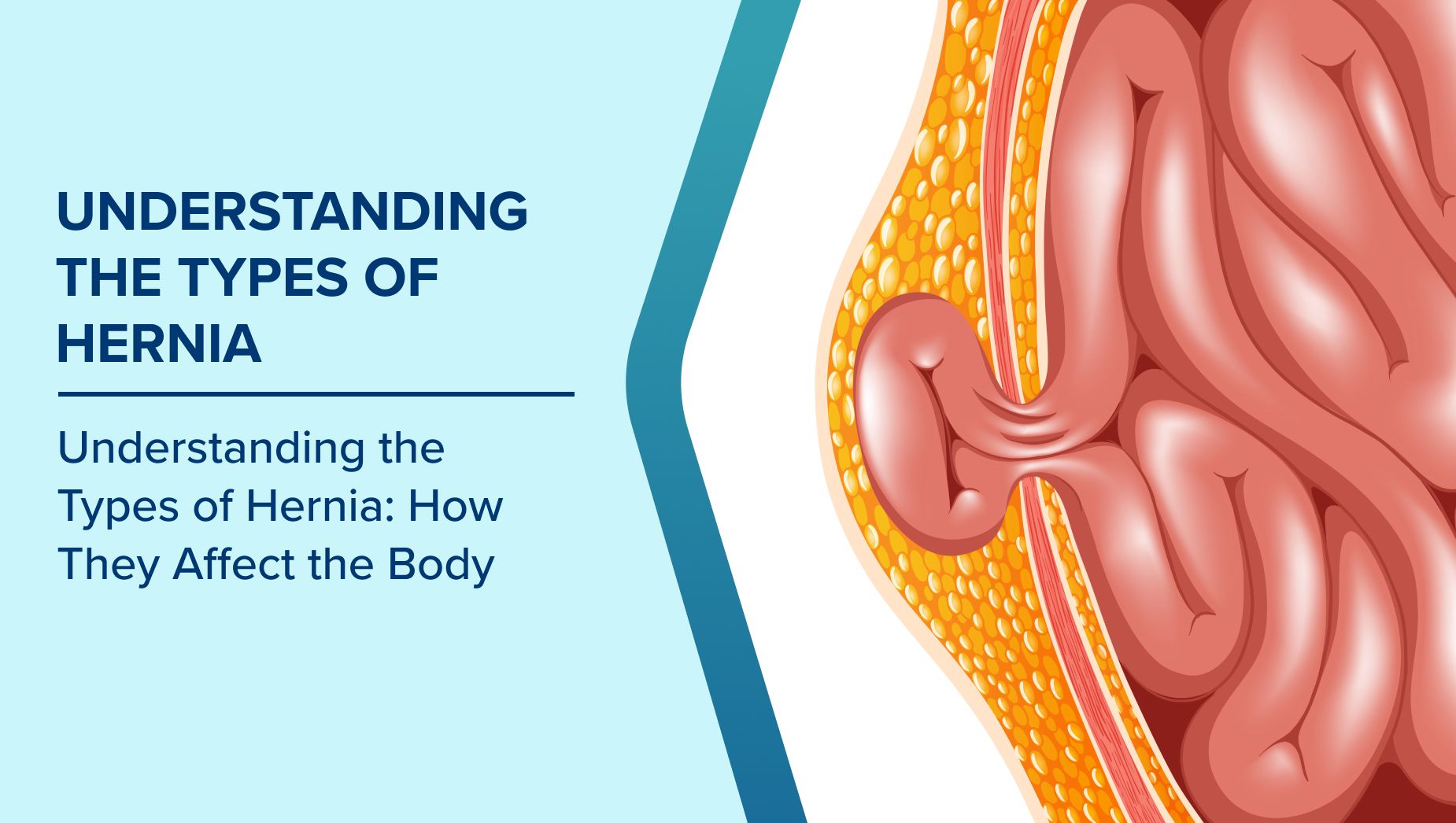
A hernia occurs when a part of an organ or tissue pushes through a weak section of muscle. This weakness may be present from birth or develop over time due to repeated pressure on the abdomen. While many hernias appear on the surface, some grow deeper and remain hidden until they cause discomfort. The progression depends on the location, the cause and how much strain the area experiences daily.
Inguinal Hernia
Inguinal hernias are the most widely known type. They form in the lower part of the abdomen near the groin. This area carries the weight of everyday movements like lifting, bending and twisting, which makes it more prone to muscle weakening.
An inguinal hernia appears when part of the intestine or abdominal fat slips through a weak portion of the inguinal canal. This canal is naturally narrow, so any protrusion creates a visible or noticeable bulge that may increase when standing, coughing or lifting.
People often describe a dragging sensation or mild heaviness in the groin before a visible lump appears. Some notice discomfort only at the end of the day when the area has been under pressure for hours. If the bulge becomes painful or firm, the tissue inside may be trapped. This requires quick medical attention, as delayed action can reduce blood flow to the trapped intestine.
Femoral Hernia
Femoral hernias are less common but more likely to cause complications if not addressed early. They develop in the upper thigh, just below the groin, when tissue pushes through the femoral canal. This canal carries major blood vessels, which explains why even a small hernia in this region can become serious.
Unlike inguinal hernias, femoral hernias often remain unnoticed until they start causing discomfort. Some people feel a sharp ache while climbing stairs or walking briskly because the thigh muscles press against the weak area. Women experience this type more often due to natural differences in pelvic anatomy.
One concern with femoral hernias is their tendency to become trapped quickly. A firm or tender lump in the upper thigh, especially one that appears suddenly, should be evaluated without delay to prevent further damage.
Umbilical Hernia
Umbilical hernias form near the belly button when tissue pushes through a weak spot in the abdominal wall. In infants, this type often appears due to incomplete closure of the umbilical opening, but in adults, it usually develops from increased abdominal pressure.
People may first notice a round, soft swelling around the navel that becomes more obvious when straining or standing. The area may feel sensitive when touched or when tightening the core muscles. While many umbilical hernias remain stable, larger ones can become uncomfortable, especially during exercise, pregnancy or heavy lifting.
If the swelling becomes firm or difficult to push back, it may indicate that tissue inside is no longer moving freely. Early evaluation helps prevent future problems.
Incisional Hernia
An incisional hernia forms at the site of a previous surgical scar. When an incision heals, the tissue regains strength gradually. In some people, the abdominal wall does not regain full support in that area. This leaves a weaker spot where tissue may protrude.
This type does not appear suddenly. It often grows slowly and may go unnoticed until activities like coughing, bending or carrying weight cause the scar area to bulge outward. Some people describe it as a stretching sensation over the old scar.
Large incisional hernias can affect day-to-day comfort. They may widen over time due to repeated strain, which makes early assessment important. Repair methods differ based on size and location, so identifying them early helps preserve abdominal strength.
Hiatal Hernia
A hiatal hernia develops inside the chest, not on the surface of the abdomen. It occurs when part of the stomach moves upward through the opening in the diaphragm. This opening allows the food pipe to pass from the chest into the abdomen.
Unlike external hernias, hiatal hernias cannot be seen from the outside. Instead, they cause internal symptoms such as heartburn, difficulty swallowing or a feeling of fullness after small meals. These symptoms happen because the stomach is not sitting in its usual position.
People often notice discomfort after lying down or bending forward. As the hernia increases in size, the symptoms may become more frequent. While many cases remain manageable with lifestyle adjustments, severe cases can interfere with eating patterns and require medical evaluation.
Epigastric Hernia
Epigastric hernias appear in the upper abdomen between the breastbone and the belly button. They develop when small portions of fat push through gaps in the connective tissue.
Unlike other types, epigastric hernias may appear as small lumps that come and go. They might not cause continuous discomfort, but activities that tighten the upper abdominal muscles can make the swelling more visible.
Some people discover this type accidentally while stretching or exercising. Although small, these hernias can cause irritation or local tenderness. Larger ones can widen over time, particularly in people who frequently strain their upper abdominal muscles.
Diaphragmatic Hernia
A diaphragmatic hernia occurs when organs from the abdomen move upward into the chest through an opening in the diaphragm. Some people are born with this condition, while others develop it later in life due to injury.
Symptoms depend on how much of the organ moves upward. Some people experience breathing discomfort because the lung on that side cannot fully expand. Others feel chest or abdominal discomfort during meals.
Since the diaphragm plays a major role in breathing, any weakness in this region can affect overall comfort and performance during daily activities.
Why Hernias Progress Over Time
Although each type of hernia has unique characteristics, they all share one behaviour. Once a hernia forms, it tends to progress. The weakness in the muscle does not correct itself naturally. Daily activities that increase abdominal pressure, even mildly, push more tissue through the opening.
Progression does not always mean pain. Many hernias grow silently. Some remain painless until they become large. Others become uncomfortable early, even if they are small. Factors like physical activity, chronic coughing, weight gain and constipation can speed up progression.
Ignoring a hernia for too long may lead to tissue trapping. When the tissue becomes stuck, the blood supply may be reduced. This is a medical emergency and requires quick intervention.
When to Seek Medical Attention
People often delay addressing hernias because the symptoms start mildly. However, certain signs suggest that the hernia is changing or becoming risky.
You should seek evaluation if you notice:
- A bulge that becomes firm or painful
- A swelling that grows larger over time
- Discomfort while lifting or bending
- Persistent groin or abdominal pain
- Digestive discomfort linked to internal hernias
- Sudden change in the shape or size of a known hernia
Treatment Approach for Different Hernias
Treatment depends on the type, size and symptoms. Some hernias require monitoring, while others benefit from early repair. External hernias may be repaired with minimally invasive techniques, which help restore the strength of the abdominal wall. For internal hernias like hiatal or diaphragmatic types, treatment may involve repositioning of organs and tightening of the affected opening.
The aim of treatment is not only to correct the hernia but also to prevent recurrence and restore comfort during daily activities. Many people recover well and return to regular routines with proper guidance.
Conclusion
Hernias can develop in many forms, and each behaves differently based on its location and underlying cause. Understanding these types helps people recognise early signs and seek timely attention before complications arise. While not all hernias become urgent, none should be ignored. Early evaluation ensures comfort, safety and access to the most suitable treatment. If something feels unusual in the abdomen, groin or chest, it is always better to get it checked rather than wait for symptoms to worsen.
FAQs
Can a hernia change size during the day?
Yes, many hernias appear larger when standing or after long periods of movement and smaller when lying down because pressure on the area reduces.
Do hernias always require surgery?
Not always. Some very small hernias remain stable for years. A doctor will decide based on symptoms and the risk of complications.
Can certain sleeping positions worsen hernia discomfort?
Some people feel more comfortable sleeping on their side with a pillow supporting the abdomen. This reduces strain during the night.
Is it possible to have more than one type of hernia at the same time?
Yes, some people develop different types in different locations, especially if there is generalised weakness in the abdominal wall.
Can physical therapy help with hernia symptoms?
Physical therapy may help strengthen surrounding muscles and improve posture. It does not repair the hernia but may reduce discomfort in selected cases.
Written and Verified by:

Related Blogs

Prof (Dr.) Subhash Gupta In Liver Transplant and Biliary Sciences
Nov 07 , 2020 | 2 min read

Dr. Nivedita Pandey In Gastroenterology, Hepatology & Endoscopy , Liver Transplant and Biliary Sciences
Nov 07 , 2020 | 2 min read
Blogs by Doctor


Liver Health: Simple Habits to Avoid Toxins Daily
Dr. Ajitabh Srivastava In Liver Transplant and Biliary Sciences
Nov 20 , 2024 | 6 min read
Most read Blogs


Related Blogs
Prof (Dr.) Subhash Gupta In Liver Transplant and Biliary Sciences
Nov 07 , 2020 | 2 min read
Dr. Nivedita Pandey In Gastroenterology, Hepatology & Endoscopy , Liver Transplant and Biliary Sciences
Nov 07 , 2020 | 2 min read
Blogs by Doctor
Liver Health: Simple Habits to Avoid Toxins Daily
Dr. Ajitabh Srivastava In Liver Transplant and Biliary Sciences
Nov 20 , 2024 | 6 min read
Most read Blogs