 WhatsApp Us (24/7)
 +91 926 888 0303 (24/7)


To Book an Appointment
Call Us+91 926 888 0303World Mental Health Day 2025: Mental Health in Catastrophes and Emergencies
By Dr. Sameer Malhotra in Mental Health And Behavioural Sciences
Jan 05 , 2026 | 12 min read

Mental health is a vital part of our overall health, playing a key role in how we think, feel, and handle daily life. Unfortunately, it can be affected by everyday challenges arising from work, relationships, or lifestyle changes, as well as by sudden crises or disasters. During emergencies, mental well-being becomes even more crucial because stress, fear, and uncertainty can overwhelm coping abilities, making it harder to make decisions, care for oneself, or support others. Given the widespread lack of awareness and the stigma surrounding mental health, World Mental Health Day was established to raise awareness about mental health, reduce stigma, and remind everyone that caring for the mind is as important as caring for the body.
In this article, we’ll cover the factors that may affect mental well-being, the impact of emergencies, and practical ways to strengthen resilience and access help when it is needed most. But first, let us understand the significance of world mental health day.
History and Significance of World Mental Health Day
World Mental Health Day was established in 1992 by the World Federation for Mental Health (WFMH), a global mental health organisation with members in over 150 countries. It was initiated by then Deputy Secretary General Richard Hunter. The day was originally observed without a specific theme, aiming broadly to promote mental health advocacy and educate the public. In 1994, however, at the suggestion of then Secretary General Eugene Brody, the tradition of celebrating the day with an annual theme began, with the first theme focusing on "Improving the Quality of Mental Health Services throughout the World.
The significance of this day lies in its role as a reminder that mental health is an essential part of overall well-being. It encourages individuals, families, communities, and organisations to acknowledge mental health struggles without stigma and to work together in creating supportive environments. By doing so, World Mental Health Day helps bring visibility to an area of health that often goes unnoticed, urging collective responsibility in fostering resilience and care.
Theme for World Mental Health Day 2025
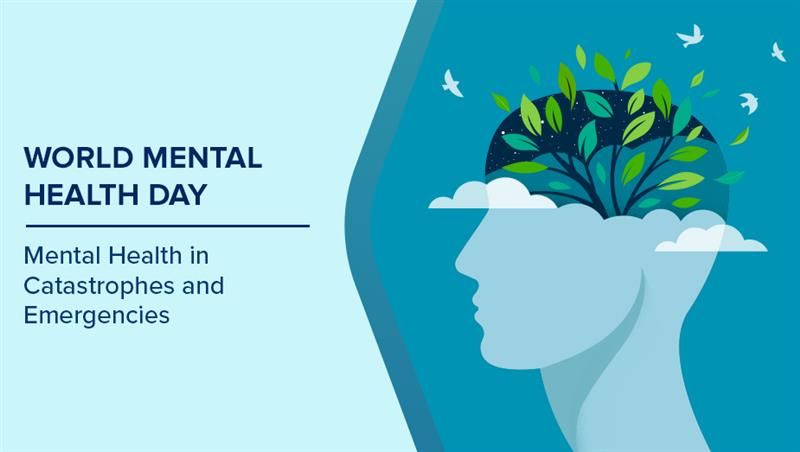
The theme for World Mental Health Day 2025, announced by the World Federation for Mental Health, is “Access to Services: Mental Health in Catastrophes and Emergencies.” It focuses on the urgent need to make mental health support available during times of crisis, including natural disasters, conflicts, and other emergencies. The theme underlines that mental health care should not be overlooked in difficult situations but seen as a vital part of overall recovery and resilience.
What Factors Affect Mental Health in Daily Life?
The state of a person’s mental health is closely linked to the experiences and challenges of daily living. Several factors can influence mental health in positive or negative ways that includes:
Work and Professional Demands
Work and professional responsibilities often take up a large part of daily life, and the pressures they bring can affect mental well-being. Long working hours, unrealistic targets, lack of recognition, or job insecurity can create persistent stress. Over time, this stress may lead to burnout, anxiety, or difficulty concentrating.
Relationships and Social Connections
Human connections act as a source of emotional support, but strained relationships can have the opposite effect. Conflicts within families, difficulties in friendships, or breakdowns in partnerships may lead to feelings of loneliness or rejection. On the other hand, supportive social bonds can protect against stress and foster resilience.
Lifestyle Habits
Daily choices in diet, exercise, and sleep directly affect both physical and mental health. Poor sleep patterns, limited physical activity, and unhealthy eating can lower energy levels and mood, making it harder to cope with stress. Balanced routines, however, can improve focus and emotional stability.
Financial Pressures
Concerns about money can weigh heavily on the mind. Struggling to manage debts, secure housing, or provide for a family often leads to ongoing worry and stress. Such pressures may not always be visible but can significantly affect emotional well-being.
Environment and Surroundings
Living conditions also play a role in mental health. Unsafe neighbourhoods, exposure to violence, or environments that lack community support can heighten feelings of fear or insecurity. Even the digital environment has an effect, as constant exposure to social media may lead to comparison, self-doubt, or isolation.
How Do Emergencies and Catastrophes Affect Mental Health?
Emergencies and catastrophes deeply affect the human mind. Experiencing sudden loss, danger, or displacement can leave people feeling shaken and vulnerable. In these moments, mental health struggles are natural and very real, and they may continue long after the immediate crisis has passed. Some of the common mental struggles include:
Shock and Fear
The sudden nature of disasters often leaves people in a state of disbelief. Feelings of fear may be so intense that individuals struggle to think clearly or make decisions. Even after the event, many continue to feel unsafe, constantly alert to potential danger, which can be exhausting.
Anxiety and Constant Worry
Survival concerns and uncertainty about the future can give rise to persistent anxiety. People may worry about securing food, shelter, or medical care, while also carrying the fear of another disaster striking. This ongoing state of tension can interfere with rest, focus, and emotional balance.
Grief and Loss
Losing loved ones, homes, or livelihoods can create a deep sense of grief. People may feel sadness, despair, or even survivor’s guilt, questioning why they lived when others did not. Grief in such situations often goes beyond mourning; it can reshape a person’s identity and sense of belonging.
Sleep and Concentration Problems
Sleep disturbances are very common after trauma. Nightmares, flashbacks, and intrusive memories can prevent restful sleep, leading to fatigue during the day. Combined with difficulty concentrating, these struggles affect school, work, and the ability to manage daily responsibilities.
Post-Traumatic Stress
For some, the distress does not gradually lessen but becomes more severe. Flashbacks, avoidance of reminders, irritability, and panic attacks may indicate post-traumatic stress disorder (PTSD). Without support, PTSD can affect relationships, work, and overall quality of life.
Impact on Vulnerable Groups
Children may struggle to understand what has happened, often showing distress through changes in behaviour, clinginess, or regression in development. Elderly may find it harder to adapt or access support, especially if mobility is limited. People with pre-existing physical or mental health conditions may also be at greater risk of long-term effects if their care is disrupted.
What Symptoms Indicate Mental Health Struggles?
Mental health struggles can appear in many forms, and they are not always easy to recognise. Unlike physical illness, where symptoms are often more visible, mental distress can remain hidden until it begins to interfere with daily life. The following is a list of symptoms and signs that suggest someone is struggling with their mental health:
Emotional Symptoms
- Persistent sadness or emptiness: A lingering low mood that does not improve with time or positive experiences.
- Excessive fear, worry, or anxiety: Constantly feeling on edge, nervous, or anticipating the worst.
- Mood swings or irritability: Sudden changes in mood or frequent feelings of frustration.
- Loss of interest or pleasure: No longer enjoying hobbies, activities, or social interactions that once felt fulfilling.
Cognitive Symptoms
- Poor concentration: Difficulty focusing on tasks at work, in school, or even during conversations.
- Memory problems: Forgetfulness, frequently misplacing items, or struggling to recall details.
- Indecisiveness: Finding it hard to make decisions, even about simple matters.
- Negative thought patterns: Repeated feelings of guilt, worthlessness, or self-blame.
Physical Symptoms
- Sleep disturbances: Trouble falling asleep, frequent waking, or sleeping excessively.
- Changes in energy levels: Feeling constantly tired, drained, or restless.
- Unexplained physical discomfort: Headaches, stomach aches, or body pains without a clear medical cause.
- Appetite changes: Eating too little or too much, sometimes linked with weight fluctuations.
Behavioural Symptoms
- Social withdrawal: Avoiding gatherings, isolating from friends and family, or preferring to stay alone.
- Decline in performance: Struggling at work, in studies, or in fulfilling household responsibilities.
- Risky behaviours: Increased reliance on alcohol, smoking, or substance use as coping mechanisms.
- Neglect of personal care: Ignoring hygiene, appearance, or daily routines.
Severe Warning Signs
Some symptoms indicate that a person may need immediate support and professional help:
- Overwhelming hopelessness or despair.
- Expressions of self-harm or suicidal thoughts.
- Inability to carry out daily tasks such as eating, bathing, or leaving bed.
How Can You Take Care of Your Mental Health?
Taking care of mental health is just as important as looking after physical health. It does not always require major lifestyle changes. Small, consistent steps can make a noticeable difference in managing stress, building resilience, and maintaining balance in daily life.
1. Prioritise Rest and Recovery
Quality sleep is one of the strongest protectors of mental health. Disrupted sleep patterns can worsen anxiety, irritability, and low mood. Setting a consistent sleep routine, reducing late-night screen time, and creating a calming environment before bed can improve both rest and resilience.
2. Balance Work and Personal Life
Work pressure, long hours, and the pressure of constant availability through digital devices can strain the mind. Setting boundaries such as fixed working hours, taking regular breaks, and switching off from emails or calls after a certain time helps prevent burnout.
3. Build Supportive Relationships
Having someone to confide in reduces the burden of stress. Meaningful connections with family, friends, or even community groups act as a safety net during tough times. Sharing how you feel, instead of bottling emotions, often lightens the load and builds stronger bonds.
4. Strengthen Coping Skills
Instead of avoiding stress, it helps to develop active ways of dealing with it. Practices like mindfulness, guided breathing, or even spending a few minutes outdoors can help reset the mind. Creative outlets such as art, music, or writing also give healthy expression to emotions.
5. Watch for Negative Patterns
Habits such as skipping meals, excessive caffeine, late-night scrolling, or using alcohol to cope may provide short relief but worsen stress in the long run. Noticing and replacing these patterns with healthier alternatives ensures long-term stability.
6. Use Social Media Thoughtfully
Social media can connect, inform, and even comfort, but constant exposure can also heighten stress and comparison. Endless scrolling, especially before bed, often leads to poor sleep and increased anxiety. Being mindful of online time, curating feeds to avoid harmful or triggering content, and taking digital breaks when needed can protect mental balance. Choosing to follow supportive communities rather than stressful news cycles or comparisons makes social media a tool for well-being instead of strain.
7. Reach Out for Professional Help
Seeking help is not a sign of weakness but of strength. Counsellors, psychologists, and psychiatrists can provide the right support, whether through therapy, coping techniques, or medical guidance when necessary. Early intervention often prevents problems from becoming more severe.
How Can You Participate in World Mental Health Day?
World Mental Health Day is not only about raising awareness, but also about turning awareness into action. Participation can happen in many ways, both big and small, each contributing to reducing stigma and strengthening support for mental well-being. Here are some meaningful ways to get involved:
- Learn and share: Take time to read trusted resources, listen to talks, or attend awareness programmes. Sharing this knowledge with family, friends, or colleagues helps normalise conversations around mental health and encourages others to reflect on their well-being.
- Support someone around you: Many people struggle silently. Reaching out with a kind message, asking how someone is doing, or simply listening without judgment can provide relief and reassurance to those who feel isolated.
- Join awareness campaigns: Schools, workplaces, and community groups often organise workshops, seminars, or events on this day. Taking part in these activities not only deepens your own understanding but also shows solidarity with others who may be facing challenges.
- Promote mental health online: Social media can be a powerful space for positive influence. Share encouraging messages, helpful resources, or personal reflections that inspire openness. Being thoughtful about what you post or engage with helps build a healthier digital environment.
- Take a personal step: Participation is not just about others. It can also mean setting healthier boundaries in your daily routine, starting mindfulness or journaling practices, or reaching out to a mental health professional if you feel the need. By prioritising your own well-being, you set an example for those around you.
Final Words
Everyone experiences times when their mental well-being is not at its best. Acknowledging this and seeking support when needed is important. At Max Hospital, our psychiatrists and clinical psychologists work with you to understand your situation and help you find strategies to cope and restore a sense of normalcy. This World Mental Health Day, take a step forward toward better mental well-being.
Frequently Asked Questions
How do I know if I should speak to a mental health specialist even if I’m managing daily life?
Even when day-to-day tasks feel manageable, it can still be helpful to consult a specialist if feelings of stress, anxiety, or low mood persist over weeks or months. Signs such as trouble sleeping, difficulty concentrating, irritability, or strained relationships can indicate the need for professional guidance, even if life otherwise seems “normal.”
Can lifestyle changes alone improve mental well-being?
While maintaining regular exercise, healthy sleep, balanced nutrition, and hobbies can support mental well-being, these measures may not be sufficient for everyone. Professional therapy, counselling, or medical guidance can provide strategies to manage symptoms more effectively and prevent conditions from worsening.
Are there specific signs that children or adolescents may be struggling with mental health?
Children and teens may show mental health struggles differently than adults. Watch for sudden withdrawal from friends, mood swings, frequent irritability, unexplained physical complaints such as headaches or stomachaches, or a drop in academic performance. Early recognition and support can make a significant difference in long-term well-being.
Can mental health challenges affect physical health?
Yes. Persistent stress, anxiety, or untreated mental health conditions can manifest physically, causing fatigue, headaches, digestive issues, high blood pressure, or a weakened immune system. Maintaining mental well-being can therefore directly support overall physical health.
Are mental health struggles hereditary?
A family history can increase susceptibility to certain mental health conditions, but it is not the sole factor. Lifestyle, environment, coping strategies, and personal experiences also play a significant role in determining mental well-being.
How can I support a loved one without overstepping?
Listening without judgment, offering a safe space to talk, and encouraging them to seek professional support are key ways to help. Avoid pressuring them to share or “snap out of it,” as mental health struggles require patience and understanding.
Is it normal to feel better and worse at times during recovery from a mental health challenge?
Yes. Recovery is rarely a straight path. Fluctuations in mood, energy, and motivation are normal, and gradual improvement with the right support is the goal. Recognising these ups and downs as part of the process helps set realistic expectations.
Can online resources or apps help with mental well-being?
Some apps and online programmes offer mindfulness exercises, mood tracking, or educational content that can be useful for daily self-care. They are most effective when used alongside professional support, rather than as a substitute for therapy or medical advice.
What practical steps can I take if stress at work or home is affecting my mental health?
Setting clear boundaries, taking short breaks during the day, organising tasks into manageable steps, and communicating openly about workload or responsibilities can help reduce pressure. Simple techniques like mindful breathing or brief outdoor walks can also relieve tension.
How do I manage mental health during unexpected crises or emergencies?
In sudden or high-stress situations, it is important to acknowledge your emotions and allow yourself time to process them. Maintaining a routine where possible, staying connected with supportive people, and seeking professional help if stress becomes overwhelming can protect mental well-being during challenging times.
Written and Verified by:

Related Blogs

Dr. Prashant Gupta In Mental Health And Behavioural Sciences , Psychiatry
Nov 08 , 2020 | 5 min read

Blogs by Doctor

Live a stress-free life forever
Dr. Sameer Malhotra In Mental Health And Behavioural Sciences , Orthopaedics & Joint Replacement
Nov 08 , 2020 | 2 min read

Common Symptoms of Obsessive Compulsive Disorder
Dr. Sameer Malhotra In Mental Health And Behavioural Sciences
Nov 08 , 2020 | 2 min read
Most read Blogs


Related Blogs
Dr. Prashant Gupta In Mental Health And Behavioural Sciences , Psychiatry
Nov 08 , 2020 | 5 min read
Blogs by Doctor
Live a stress-free life forever
Dr. Sameer Malhotra In Mental Health And Behavioural Sciences , Orthopaedics & Joint Replacement
Nov 08 , 2020 | 2 min read
Common Symptoms of Obsessive Compulsive Disorder
Dr. Sameer Malhotra In Mental Health And Behavioural Sciences
Nov 08 , 2020 | 2 min read
Most read Blogs