 WhatsApp Us (24/7)
 +91 926 888 0303 (24/7)


To Book an Appointment
Call Us+91 926 888 0303Why Heart Attacks Rise During Smog Season
By Dr. Ripen Gupta in Cardiac Sciences , Cardiology , Cardiac Electrophysiology-Pacemaker
Mar 02 , 2026

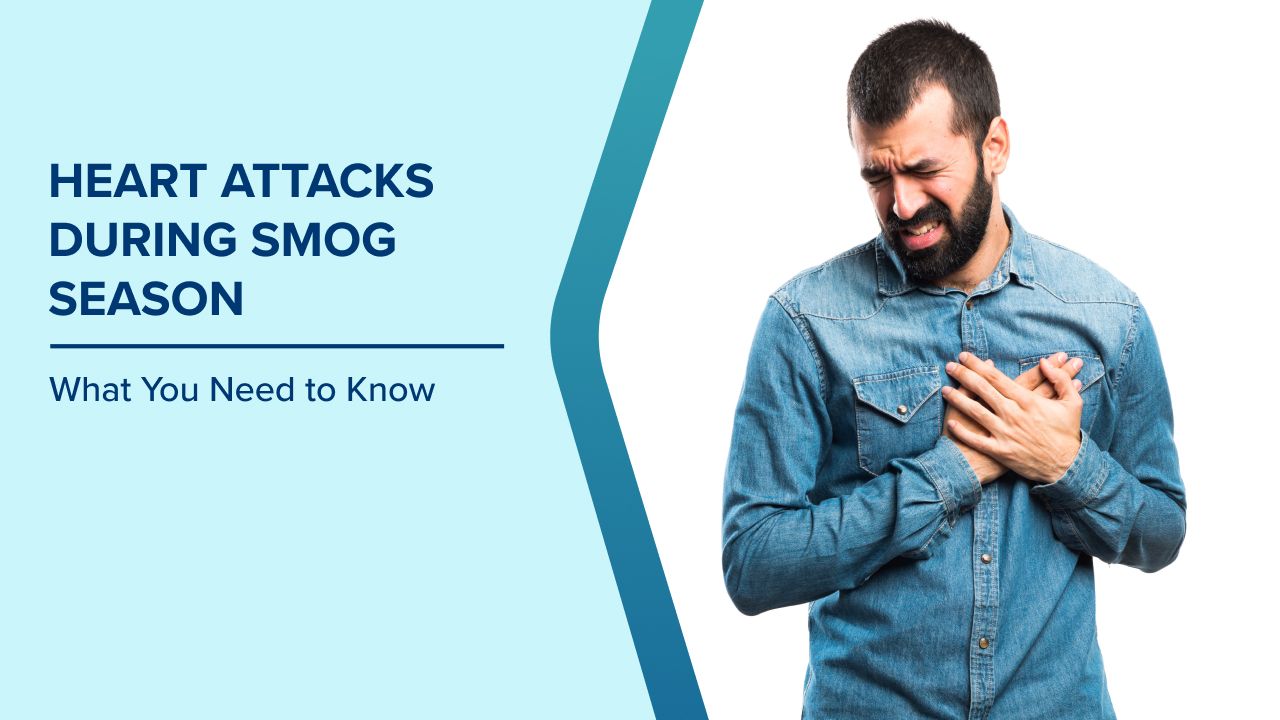
Smog season arrives with hazy skies, burning eyes and an unpleasant heaviness in the air. People often relate smog to coughing or breathing problems. However, smog affects much more than just the lungs. It places significant strain on the heart and circulation system, increasing the number of heart attacks during this time.
Smog is formed when dust, vehicle fumes, smoke, industrial emissions, and tiny particles mix with the atmosphere. These particles remain suspended in the air for long periods and are easily inhaled. When these pollutants enter the body repeatedly, the heart must work harder than usual. This added burden can trigger serious cardiac events in vulnerable people.
Understanding how smog season affects the heart helps individuals recognise warning signs early and protect themselves during periods of poor air quality.
How Smog Affects the Heart
Smog affects the heart in several interconnected ways. It does not act only through the lungs. It influences blood, blood vessels and body systems that regulate circulation.
Increased workload on the heart
When air quality is poor, the oxygen level available in each breath is lower than usual. The heart must pump more blood to deliver sufficient oxygen to the organs. This increased workload can stress the heart, especially in people with existing heart conditions.
Irritation of blood vessels
Polluted air can irritate the inner lining of blood vessels. Irritated vessels become stiffer and narrower. Narrow vessels increase resistance to blood flow, which raises blood pressure. High blood pressure is a major trigger for heart attacks during smog season.
Changes in blood consistency
Smog can make blood thicker than normal. Thick blood moves slowly through arteries and increases the tendency for clot formation. When a clot blocks the artery supplying the heart, a heart attack can occur.
Reduced oxygen supply to the heart muscle
The heart muscle requires a continuous supply of oxygen to function smoothly. Poor air quality decreases oxygen delivery. If oxygen supply suddenly drops, chest pain or a heart attack may develop.
Why Heart Attacks Increase Particularly During Smog Season
Heart attack numbers tend to rise in smog season for several reasons.
People spend more time in polluted conditions
Long hours of exposure occur during:
- Commuting in heavy traffic
- Exercising outdoors during smog periods
- Living near congested roads or industrial areas
Repeated exposure increases heart stress.
Existing heart disease is often undiagnosed
Many people live with silent heart disease without knowing it. Smog acts as a trigger that exposes these hidden problems by overburdening the heart.
Dehydration and poor lifestyle habits worsen the impact
During smog season, people may:
- Drink less water
- Exercise less
- Eat heavier food
These habits can increase the tendency for clot formation and weight gain, which further increases cardiac risk.
Who Is at a Higher Risk During Smog Season
Anyone can be affected, but some groups face greater danger.
People at increased risk include:
- Those with a previous heart attack or angioplasty
- People with high blood pressure
- People with diabetes
- Smokers
- People with high cholesterol
- Older adults
- People who are overweight
- People with a strong family history of heart disease
Warning Signs of a Possible Smog-Related Heart Attack
Ignoring symptoms can delay emergency care. The following warning signs must never be overlooked during smog season:
- Chest pain or heaviness
- Pain spreading to the arm, jaw, neck or back
- Sudden breathlessness
- Unusual sweating
- Nausea or vomiting
- Sudden extreme weakness
- Dizziness or fainting
Some people, especially diabetics and older adults, may experience silent or subtle symptoms like fatigue or indigestion-type pain. Any unusual discomfort during the smog season deserves medical attention.
Smog, Mental Stress, and the Heart
The smog season not only affects the body. The constant haze, poor visibility and health concerns also increase mental stress. Stress hormones increase heart rate and blood pressure. When combined with polluted air, this combination makes the heart more vulnerable to attack.
Simple activities such as commuting in traffic, worrying about children breathing polluted air or feeling trapped indoors can raise stress levels during smog season.
Lifestyle Habits that Increase Heart Attack Risk in Smog
Certain daily habits make the smog season even more dangerous for the heart. These include:
- Strenuous outdoor workouts in polluted air
- Smoking or passive smoke exposure
- Lack of proper sleep
- High salt and oily food intake
- Ignoring routine medication
- Sudden exertion after long inactivity
Being aware of these factors helps people modify routine choices until air quality improves.
Practical Tips to Protect Your Heart During Smog Season
Protecting the heart during the smog season is not about fear. It involves thoughtful daily habits that reduce unnecessary strain.
Limit outdoor exposure when pollution is high
- Avoid early morning and late evening outdoor activity
- Prefer indoor exercise during peak smog days
- Keep windows closed during high pollution hours
Use protective measures when going outdoors
- Cover nose and mouth with a properly fitted mask
- Avoid walking along high-traffic roads
- Reduce time spent in congested areas
Maintain heart-friendly habits
- Take prescribed medicines regularly
- Drink adequate water
- Include fruits, vegetables and whole grains in meals
- Limit smoking and alcohol use
Monitor your health closely
- Check blood pressure regularly
- Notice any unusual fatigue or breathlessness
- Do not ignore chest discomfort
Consult a cardiologist when needed
Medical advice becomes essential if:
- You already have heart disease
- You experience new symptoms during smog season
- You plan heavy exercise despite poor air quality
Early consultation prevents serious complications and reassures those at risk.
Conclusion
Smog season is not just a problem for the lungs. It places real stress on the heart and the circulatory system. Reduced oxygen, irritated blood vessels, thicker blood and increased heart workload together explain why heart attacks rise during smog periods. People with pre-existing heart disease, diabetes, high blood pressure or unhealthy habits face even greater risk.
Being alert to warning signs, reducing exposure to polluted air and following heart-friendly habits can significantly lower the chance of a heart attack during smog season. Protecting the heart is not only about medication. It is about awareness, timely action and respecting what the body is trying to signal during periods of poor air quality.
Frequently Asked Questions
Can young adults also get heart attacks during smog season?
Yes, although risk is higher in older adults, young individuals with smoking habits, obesity or family history can also be affected.
Does staying indoors completely remove heart risk during smog season?
No, indoor air may also contain pollutants. Proper ventilation and air quality management are still important.
Is chest tightness during smog always due to a heart attack?
Not always. It may be due to breathing irritation, acidity or muscle strain. However, any persistent or severe chest discomfort should be assessed by a doctor.
Can people with no heart history still suffer a heart attack in smog season?
Yes, smog can reveal previously silent heart disease or trigger sudden cardiac stress even in people with no prior diagnosis.
Should heart patients stop exercising completely during the smog season?
No, exercise is beneficial, but it should be shifted indoors, and intensity should be guided by medical advice when pollution levels are high.
Written and Verified by:

Related Blogs

Dr. Ritwick Raj Bhuyan In Cardiac Sciences , Cardiac Surgery (CTVS)
Nov 08 , 2020 | 2 min read

Dr. Gaurav Minocha In Cardiac Sciences
Nov 08 , 2020 | 4 min read
Blogs by Doctor

How to take care of your heart in COVID-19 pandemic?
Dr. Ripen Gupta In Cardiac Sciences
Jul 06 , 2020 | 2 min read

Is Heart Disease More Prevalent in Young People?
Dr. Ripen Gupta In Cardiac Sciences
May 10 , 2022 | 2 min read
Most read Blogs


Related Blogs
Dr. Ritwick Raj Bhuyan In Cardiac Sciences , Cardiac Surgery (CTVS)
Nov 08 , 2020 | 2 min read
Dr. Gaurav Minocha In Cardiac Sciences
Nov 08 , 2020 | 4 min read
Blogs by Doctor
How to take care of your heart in COVID-19 pandemic?
Dr. Ripen Gupta In Cardiac Sciences
Jul 06 , 2020 | 2 min read
Is Heart Disease More Prevalent in Young People?
Dr. Ripen Gupta In Cardiac Sciences
May 10 , 2022 | 2 min read
Most read Blogs