 WhatsApp Us (24/7)
 +91 926 888 0303 (24/7)


To Book an Appointment
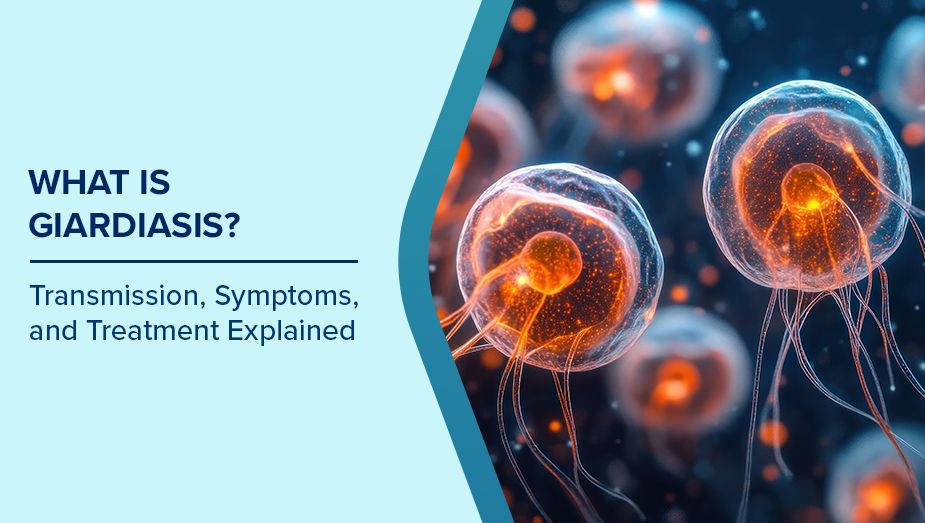
Call Us+91 926 888 0303What is Giardiasis? Transmission, Symptoms, and Treatment Explained
By Dr. Suhang Verma in Gastroenterology, Hepatology & Endoscopy
Nov 14 , 2025 | 10 min read
2

Giardiasis is an intestinal infection caused by the parasite Giardia lamblia. At first, it may appear like food poisoning or indigestion, due to common symptoms such as diarrhoea, bloating, and abdominal cramps. This overlap in symptoms is one reason why giardiasis often goes unnoticed, leading many to dismiss it as a minor digestive issue. However, if left untreated, the infection can persist for weeks disrupting daily life, and can also spread easily, particularly in close-contact settings such as households, schools, or childcare centres. Recognising giardiasis early is therefore important not only to manage discomfort but also to prevent its transmission. In this blog, we will look more closely at what giardiasis is, its causes, the signs to watch for, and the treatment options available.
What is Giardiasis?
Giardiasis is a gastrointestinal infection that occurs when the small intestine becomes colonised by the microscopic parasite Giardia lamblia. Once inside the body, the parasite attaches to the intestinal lining, interfering with normal absorption of nutrients and causing irritation of the digestive tract. This disruption leads to the diarrhoea, bloating, and cramps often linked with the illness.
It is one of the most common causes of waterborne intestinal disease worldwide, affecting both developed and developing regions. Because even a small number of parasites can trigger an infection, giardiasis is easily contracted in environments where water or food safety is compromised. In many cases, the illness resolves with proper treatment, but without timely care it can linger, leading to recurrent symptoms and nutritional deficiencies.
How Does Giardiasis Spread?
Giardiasis spreads when Giardia lamblia cysts enter the body, usually through the mouth. The parasite is highly resilient and can survive outside the human body for several weeks, making it easy to transmit in environments where hygiene or sanitation is compromised. Common ways the infection spreads include:
- Contaminated water: Drinking untreated or inadequately treated water from lakes, rivers, wells, or even tap water in areas with poor water treatment can introduce Giardia cysts into the digestive system. Swimming or recreational activities in contaminated water sources can also be a source of infection. Even a small number of cysts is sufficient to cause illness.
- Contaminated food: Food handled by an infected person or washed with unsafe water may carry the parasite. Raw fruits and vegetables, undercooked foods, or food prepared in unhygienic conditions are particularly at risk.
- Close contact with infected individuals: Direct contact with someone carrying the parasite can result in transmission. Outbreaks are more common in households, schools, or childcare centres, where one case can quickly affect multiple people.
- Poor hygiene and sanitation: Touching the mouth with unwashed hands after handling contaminated surfaces, objects, or soil can introduce the parasite into the digestive system. Inadequate handwashing and unsafe disposal of faecal matter increase the likelihood of infection.
What are the Symptoms of Giardiasis?
The symptoms of giardiasis can vary widely, with some people showing severe digestive issues while others remain almost symptom-free. Common symptoms include:
- Diarrhoea: Frequent, loose, and watery stools are the most common sign. Stools may sometimes appear greasy, pale, or have a particularly foul smell due to poor fat absorption.
- Abdominal cramps and bloating: Infection irritates the intestinal lining, often causing cramping, sharp abdominal pain, and a persistent feeling of fullness or pressure.
- Excessive gas and flatulence: Increased production of intestinal gas may lead to bloating, burping, or discomfort.
- Nausea, vomiting, and loss of appetite: Many people experience nausea or reduced appetite, which can contribute to weight loss over time.
- Fatigue and weakness: Persistent diarrhoea and nutrient loss can cause chronic tiredness, lethargy, and general weakness, affecting daily life and energy levels.
- Weight loss and nutrient deficiencies: Long-term infection may result in unintended weight loss and deficiencies in essential vitamins and minerals due to poor absorption.
- Other possible symptoms: Some individuals may experience mild fever, dehydration, or symptoms related to specific nutrient deficiencies, such as anaemia.
Symptoms usually appear one to three weeks after exposure to the parasite, but in some cases, the infection can persist for months without obvious signs.
How is Giardiasis Diagnosed?
Diagnosing giardiasis starts with a medical evaluation, including a review of symptoms and recent exposures to contaminated water, food, or infected individuals. Because the signs of giardiasis, such as diarrhoea, bloating, and abdominal cramps, can resemble other digestive disorders, specific tests are necessary to confirm the infection.
Stool Tests
Stool examination is the most common diagnostic method. A sample of the patient’s stool is analysed under a microscope to detect Giardia cysts or trophozoites. Since the parasite is not always present in every bowel movement, multiple stool samples collected over several days may be required to ensure accurate detection.
Antigen Tests
These tests detect proteins (antigens) produced by Giardia in stool samples. Antigen tests are faster and often more accurate than traditional microscopic examination, especially in cases with low parasite numbers. They are widely used for routine diagnosis and can provide results within hours.
Molecular Tests (PCR)
Polymerase chain reaction (PCR) tests identify the genetic material of the parasite. This method is highly sensitive and can detect giardiasis even when other tests fail. PCR is particularly useful in complicated cases, recurrent infections, or when the patient has been partially treated with medications.
Endoscopy and Biopsy (Rare Cases)
In uncommon situations where diagnosis remains uncertain, an endoscopy may be performed to examine the small intestine directly. A tiny tissue sample (biopsy) is collected to check for the presence of Giardia attached to the intestinal lining. This method is typically reserved for persistent or severe cases that do not respond to standard testing.
Accurate diagnosis is essential to guide appropriate treatment, prevent complications, and reduce the risk of prolonged symptoms or nutrient deficiencies caused by untreated infection.
What is the Treatment for Giardiasis?
Treating giardiasis involves a combination of medical intervention and supportive care at home. Combining both approaches ensures faster relief from discomfort and reduces the risk of persistent infection.
Prescription Medications
Doctors usually prescribe anti-parasitic drugs to treat giardiasis. The choice of medication, dosage, and duration depends on the patient’s age, overall health, and the severity of infection. These medications are highly effective, and most people see improvement within a few days to two weeks when the treatment course is followed correctly. Completing the full course is essential to ensure the parasite is fully eradicated and to prevent recurrence.
At-Home Management
Alongside medication, several supportive steps at home can help manage symptoms and aid recovery:
- Hydration: Persistent diarrhoea can lead to significant fluid and electrolyte loss. Drinking plenty of water and using oral rehydration solutions can help maintain hydration and prevent complications such as dizziness, fatigue, or dehydration-related weakness.
- Dietary adjustments: Consuming easily digestible foods, such as rice, bananas, toast, and plain yogurt, can reduce digestive discomfort. Avoiding fatty, spicy, or sugary foods helps prevent further irritation of the intestines. Small, frequent meals may be better tolerated than larger meals.
- Rest and energy conservation: Giardiasis can cause fatigue and low energy due to nutrient malabsorption. Adequate rest allows the body to recover more effectively while the medication works to eliminate the parasite.
- Monitoring symptoms: Keeping track of diarrhoea frequency, stool appearance, and other symptoms can help the doctor assess recovery. If symptoms worsen or persist beyond the expected treatment period, a follow-up consultation may be necessary.
While these at-home measures do not treat the infection directly, they support the body’s recovery, reduce discomfort, and prevent complications while the medication clears the parasite.
How Can Giardiasis be Prevented?
Preventing giardiasis focuses on reducing exposure to Giardia lamblia and practising good hygiene. Awareness of transmission routes, safe water and food habits, and proper sanitation can significantly lower the risk of infection.
- Safe Drinking Water: Always drink water from trusted sources. If the safety of water is uncertain, boil it for at least one minute or use a reliable water filter to remove parasites. Avoid swallowing water while swimming in lakes, rivers, or pools that may be contaminated.
- Proper Food Hygiene: Wash fruits and vegetables thoroughly with safe water before consumption. Avoid eating raw or undercooked foods that may carry the parasite. Always ensure that food is prepared in clean conditions, and avoid consuming items handled by someone with suspected giardiasis.
- Handwashing and Personal Hygiene: Regular handwashing with soap and water is crucial, especially after using the toilet, changing diapers, or handling soil or contaminated surfaces. Hand hygiene helps prevent person-to-person transmission and reduces the risk of reinfection.
- Safe Sanitation Practices: Proper disposal of human waste and maintaining clean toilets are essential to prevent environmental contamination. In communal settings such as schools or childcare centres, regular cleaning of surfaces and toys reduces the likelihood of parasite spread.
- Awareness in High-Risk Environments: Extra caution is needed in areas with poor sanitation or during travel to regions with unsafe water. Avoid drinking untreated water and be careful with local food and water sources to reduce the risk of exposure.
Consult Today
Dealing with persistent digestive discomfort can be stressful and draining, especially when the cause is not immediately clear. At Max Hospital, gastroenterologists are available to provide thorough evaluation and care for conditions like giardiasis. They can guide patients through the necessary diagnostic tests, recommend the right treatment, and advise on at-home measures to support recovery. If digestive issues are affecting your daily life, schedule a consultation with a gastroenterologist at Max Hospital today to start your path to relief and recovery.
Frequently Asked Questions
Can children get giardiasis more easily than adults?
Yes, children are generally more susceptible to giardiasis than adults. This is largely due to their developing immune systems, which are less efficient at fighting infections, and behavioural factors, such as frequent hand-to-mouth activity and close contact in settings like schools and daycare centres. Outbreaks often occur in childcare environments because the parasite can survive on surfaces for long periods, making transmission between children easier. Prompt attention to hygiene and early treatment is especially important in children to prevent prolonged illness and complications.
How long does it take to fully recover after treatment?
Most people start feeling better within a few days of starting prescribed anti-parasitic medication. However, complete recovery can take anywhere from one to three weeks, depending on factors such as the severity of infection, age, overall health, and adherence to the treatment regimen. Some symptoms, like fatigue or mild digestive discomfort, may linger briefly even after the parasite is cleared. Following the doctor’s guidance and supportive care at home helps speed up recovery.
Can giardiasis affect nutrient absorption in the long term?
In most cases, nutrient absorption returns to normal once the infection is treated. However, if giardiasis remains untreated for an extended period, it can lead to malabsorption of fats, vitamins, and minerals, which may cause temporary deficiencies. In rare cases of repeated or prolonged infection, long-term nutrient absorption issues could arise, particularly in children, leading to growth delays or weight loss. Timely treatment is key to preventing lasting nutritional problems.
Is it possible to get giardiasis more than once?
Yes, reinfection is possible because immunity to giardiasis is not permanent. People can become infected again if they are exposed to the parasite through contaminated water, food, or contact with an infected person. Maintaining good hygiene, safe water practices, and proper sanitation helps reduce the risk of reinfection.
Are there any long-term digestive complications from Giardiasis?
Most people fully recover without long-term digestive issues once the infection is treated. However, in rare cases, some individuals may experience lingering digestive discomfort, such as irritable bowel-like symptoms, temporary lactose intolerance, or mild malabsorption for several weeks after the infection. These complications usually improve with supportive care and proper dietary adjustments.
Can giardiasis cause lactose intolerance temporarily?
Yes, giardiasis can sometimes lead to temporary lactose intolerance. The parasite can damage the lining of the small intestine, where the enzyme lactase is produced. A reduction in lactase can make it difficult to digest lactose, the sugar found in milk and dairy products. This intolerance typically resolves once the intestine heals after treatment, though avoiding high-lactose foods temporarily can help manage symptoms.
Is giardiasis contagious even after symptoms go away?
The infection can still be contagious for a short period after symptoms subside because the parasite may remain in the intestines and continue to be shed in stool. This is why proper hand hygiene and sanitation are essential even after recovery. Doctors may recommend follow-up stool tests to ensure the parasite has been fully cleared before resuming close contact with others or preparing food for others.
Can pets or animals carry Giardia and transmit it to humans?
Some animals, including dogs and cats, can carry Giardia, but the species that infects humans is usually different from those found in most pets. Transmission from pets to humans is considered rare, though it is still advisable to practice good hygiene when handling animals, cleaning litter boxes, or coming into contact with areas where pets defecate. Washing hands thoroughly after touching pets or their waste helps minimise any risk.
Written and Verified by:

Related Blogs

Dr. Nivedita Pandey In Gastroenterology, Hepatology & Endoscopy , Liver Transplant and Biliary Sciences
Nov 07 , 2020 | 2 min read

Dr. Nivedita Pandey In Gastroenterology, Hepatology & Endoscopy , Liver Transplant and Biliary Sciences
Nov 07 , 2020 | 2 min read
Blogs by Doctor

Most read Blogs


Related Blogs
Dr. Nivedita Pandey In Gastroenterology, Hepatology & Endoscopy , Liver Transplant and Biliary Sciences
Nov 07 , 2020 | 2 min read
Dr. Nivedita Pandey In Gastroenterology, Hepatology & Endoscopy , Liver Transplant and Biliary Sciences
Nov 07 , 2020 | 2 min read
Blogs by Doctor
Most read Blogs