 WhatsApp Us (24/7)
 +91 926 888 0303 (24/7)


To Book an Appointment
Call Us+91 926 888 0303Weight Loss Drugs Effect on Heart: Risks & Safer Approaches
By Dr. Ripen Gupta in Cardiac Sciences , Cardiology , Interventional Cardiology
Sep 04 , 2025 | 3 min read

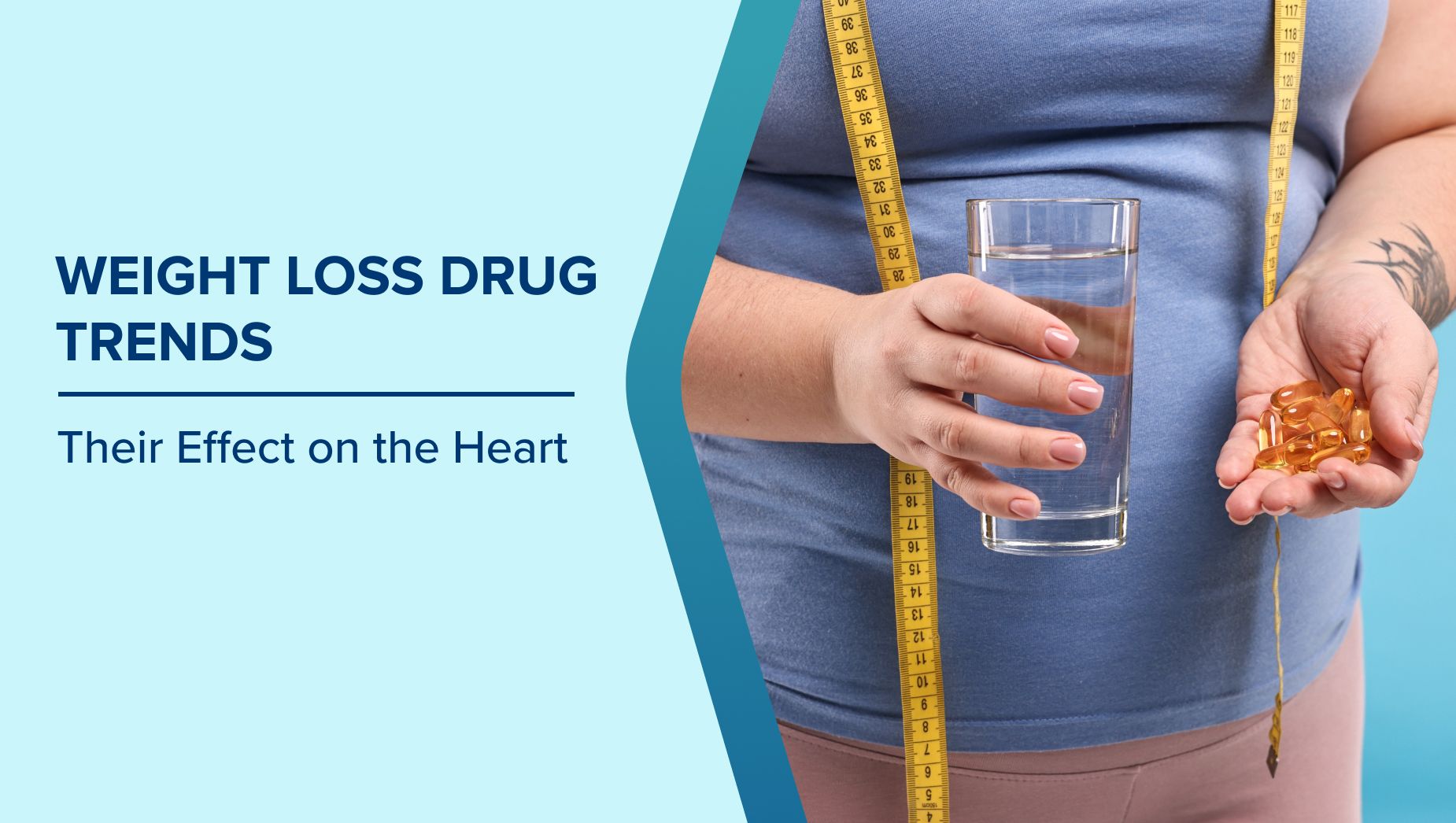
In recent years, weight loss drugs have gained significant attention worldwide. With rising rates of obesity, diabetes, and lifestyle-related conditions, many people are turning to medications as a quicker way to manage their weight. Popular names often circulate in the media, promoted by celebrities and endorsed in weight management clinics. These medications promise results, but the bigger question remains: what do they mean for your heart health?
While losing excess weight can reduce the long-term risk of heart disease, the method of weight loss matters. Some weight loss drugs may carry side effects that directly or indirectly affect the cardiovascular system. Understanding this balance is essential before starting any treatment.
Why Weight Loss Drugs Are Trending
There are several reasons why weight loss medications have become so popular:
- Rising obesity rates: With more people struggling to maintain a healthy weight, the demand for quicker solutions has grown.
- Influence of media and celebrities: Endorsements and success stories often create a perception of “magic pills.”
- Convenience: For many, lifestyle changes like diet and exercise take time and discipline, while drugs appear to offer faster results.
- Medical recommendations: In some cases, doctors prescribe these medications when weight poses serious health risks.
However, the trend has also raised concerns, particularly regarding long-term safety and its impact on organs such as the heart.
How Weight Loss Drugs Work
Weight loss drugs generally function in three main ways:
- Appetite suppression: reducing hunger and helping people eat fewer calories.
- Fat absorption blockers: limiting how much fat the body absorbs from food.
- Metabolism boosters: increasing calorie burn through changes in how the body processes food and energy.
While these mechanisms may sound beneficial, they can also interfere with blood pressure, heart rate, and circulation.
Potential Effects on the Heart
Weight loss medications do not affect everyone in the same way, but some possible impacts on the heart include:
- Increased heart rate: Certain drugs stimulate the nervous system, which can raise heart rate and, in some cases, cause palpitations.
- Higher blood pressure: Stimulant-based drugs may cause elevated blood pressure, placing additional strain on the cardiovascular system.
- Risk of arrhythmia: Some individuals may experience irregular heartbeats, particularly if they have underlying heart conditions.
- Improved heart health in some cases: On the positive side, when used responsibly and under medical guidance, weight loss drugs can help reduce obesity-related risks such as high cholesterol, diabetes, and hypertension, all of which are harmful to the heart.
Who Should Be Cautious
Weight loss drugs are not suitable for everyone. People who should be extra careful include:
- Individuals with existing heart disease or high blood pressure
- Those with a history of stroke or arrhythmia
- Patients taking multiple medications for chronic illnesses
- Older adults with reduced heart function
- Anyone self-medicating without a doctor’s supervision
For these groups, the risks may outweigh the benefits unless closely monitored by a healthcare professional.
Safer Approaches to Weight Loss
While medications can play a role in specific cases, safer long-term strategies remain the foundation of healthy weight management:
- Balanced diet rich in fruits, vegetables, whole grains, lean proteins, and healthy fats
- Regular physical activity such as walking, swimming, cycling, or yoga
- Adequate sleep, since poor sleep is linked to weight gain and heart strain
- Stress management, as high stress can increase appetite and affect heart health
- Medical check-ups to track cholesterol, blood sugar, and blood pressure regularly
Weight loss drugs, if prescribed, should always be seen as a supplement to, not a replacement for, lifestyle changes.
The Role of Medical Supervision
One of the biggest risks in the current weight loss drug trend is self-medication. Many people buy medications online or over the counter without proper advice. This can be dangerous, as dosage, duration, and drug interactions must be tailored to individual health needs.
Doctors evaluate not just weight but also heart health, metabolic conditions, and family history before prescribing any drug. Regular follow-ups ensure that side effects are monitored and managed early.
Conclusion
The trend of weight loss drugs is not slowing down, and for some people, they can provide much-needed help in managing obesity related risks. However, the heart is too important to be put at risk by unsupervised use. While these drugs may yield short-term results, their long-term safety, particularly for the cardiovascular system, should always be taken into consideration.
Written and Verified by:

Related Blogs

Dr. Ritwick Raj Bhuyan In Cardiac Sciences , Cardiac Surgery (CTVS)
Nov 08 , 2020 | 2 min read

Dr. Gaurav Minocha In Cardiac Sciences
Nov 08 , 2020 | 4 min read
Blogs by Doctor

How to take care of your heart in COVID-19 pandemic?
Dr. Ripen Gupta In Cardiac Sciences
Jul 06 , 2020 | 2 min read

Is Heart Disease More Prevalent in Young People?
Dr. Ripen Gupta In Cardiac Sciences
May 10 , 2022 | 2 min read
Most read Blogs


Related Blogs
Dr. Ritwick Raj Bhuyan In Cardiac Sciences , Cardiac Surgery (CTVS)
Nov 08 , 2020 | 2 min read
Dr. Gaurav Minocha In Cardiac Sciences
Nov 08 , 2020 | 4 min read
Blogs by Doctor
How to take care of your heart in COVID-19 pandemic?
Dr. Ripen Gupta In Cardiac Sciences
Jul 06 , 2020 | 2 min read
Is Heart Disease More Prevalent in Young People?
Dr. Ripen Gupta In Cardiac Sciences
May 10 , 2022 | 2 min read
Most read Blogs