 WhatsApp Us (24/7)
 +91 926 888 0303 (24/7)


To Book an Appointment
Call Us+91 926 888 0303Hypertension and Kidney Health: Causes, Symptoms & Prevention
By Dr. Vishal Saxena in Nephrology , Kidney Transplant
Apr 16 , 2026 | 4 min read

High blood pressure, also known as hypertension, is often called the “silent killer.” Most people associate it with heart disease or stroke, but few realise that it can also silently damage the kidneys over time. Because kidney damage progresses gradually and often without noticeable symptoms, many patients discover the problem only after a significant loss of kidney function.
At Max Hospital, Gurugram, specialists emphasise that understanding the link between high blood pressure and kidney health is essential for early prevention and treatment.
Understanding the Role of Kidneys in Your Body
Your kidneys are two bean-shaped organs that perform several vital functions:
- Filtering waste products and toxins from the blood
- Maintaining the body’s fluid balance
- Regulating electrolyte levels such as sodium and potassium
- Helping control blood pressure through hormone regulation
To perform these functions effectively, the kidneys rely on a network of tiny blood vessels and filtering units called nephrons. When these delicate structures are exposed to consistently high blood pressure, damage can begin to develop gradually.
How High Blood Pressure Damages the Kidneys
Hypertension affects the kidneys through multiple mechanisms that gradually impair their ability to function.
Damage to Blood Vessels
High blood pressure causes blood vessels to narrow, stiffen, and weaken, reducing blood flow to the kidneys. With reduced blood supply, kidney tissues receive less oxygen and nutrients, which affects their ability to filter waste effectively.
Injury to Filtering Units
The kidneys contain millions of tiny filtering structures called glomeruli. Persistent high pressure can damage these filters, allowing proteins to leak into the urine, an early sign of kidney disease.
Reduced Waste Removal
When the kidneys are damaged, they struggle to remove toxins and excess fluid from the body. This leads to fluid accumulation in the bloodstream, which can raise blood pressure further and create a dangerous cycle of worsening kidney damage.
Progression to Chronic Kidney Disease
Over time, untreated hypertension can lead to chronic kidney disease (CKD) and eventually kidney failure. Hypertension is one of the leading causes of kidney failure worldwide.
Why Does Kidney Damage Often Go Unnoticed?
One of the biggest challenges with hypertension-related kidney damage is that symptoms rarely appear in the early stages. The kidneys have a remarkable ability to compensate for declining function, meaning damage may progress silently for years. ([The Times of India][4])
When symptoms do appear, they may include:
- Swelling in the legs, ankles, or feet
- Fatigue and weakness
- Changes in urination patterns
- Loss of appetite or nausea
- Persistent high blood pressure
These signs often indicate that the disease has already advanced.
Who Is at Higher Risk?
Certain groups are more vulnerable to kidney damage from hypertension, including:
- People with long-standing high blood pressure
- Individuals with diabetes
- People with a family history of kidney disease
- Older adults
- Individuals with unhealthy lifestyle habits, such as high sodium intake and sedentary behaviour
Understanding your risk factors can help you take early preventive steps.
Protecting Your Kidneys from Hypertension
The good news is that kidney damage caused by high blood pressure can be prevented or slowed with the right measures.
- Maintain Healthy Blood Pressure: Regular monitoring and appropriate medication help keep blood pressure within recommended levels.
- Adopt a Kidney-Friendly Diet: Reducing sodium intake, eating more fruits and vegetables, and limiting processed foods can significantly support kidney health.
- Stay Physically Active: Regular exercise improves circulation and helps control blood pressure.
- Regular Health Checkups: Routine blood and urine tests can detect early signs of kidney damage before symptoms develop.
- Manage Other Health Conditions: Conditions such as diabetes or obesity can accelerate kidney damage if not properly controlled.
When to Seek Medical Advice?
If you have been diagnosed with hypertension, it is essential to undergo regular kidney function tests. Early detection allows doctors to intervene before irreversible damage occurs.
At Max Hospital, Gurugram, experienced nephrologists and cardiologists work together to provide comprehensive care for patients with hypertension, focusing on early detection, advanced diagnostics, and personalised treatment plans.
Conclusion
High blood pressure may not always cause immediate symptoms, but its long-term impact on vital organs, especially the kidneys, can be serious. Recognising the silent connection between hypertension and kidney disease is the first step toward prevention.
Through timely screening, lifestyle changes, and expert medical care, patients can protect their kidneys and maintain long-term health.
Written and Verified by:

Related Blogs

Dr. Puneet Arora In Nephrology
Nov 11 , 2020 | 2 min read

Nov 11 , 2020 | 9 min read
Blogs by Doctor
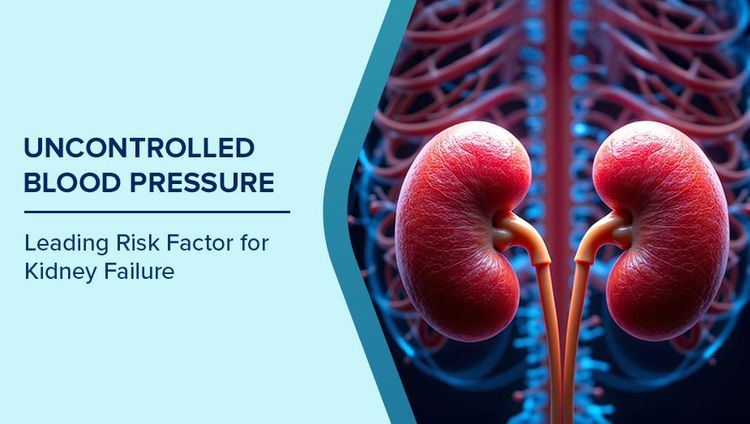
Why Uncontrolled Blood Pressure is the Leading Risk Factor for Kidney Failure
Dr. Vishal Saxena In Nephrology , Kidney Transplant
Sep 12 , 2025 | 2 min read
From Dialysis to New Life: Understanding Benefits of Kidney Transplant
Dr. Vishal Saxena In Nephrology , Kidney Transplant
Oct 27 , 2025 | 2 min read
Most read Blogs


Related Blogs
Dr. Puneet Arora In Nephrology
Nov 11 , 2020 | 2 min read
Nov 11 , 2020 | 9 min read
Blogs by Doctor
Why Uncontrolled Blood Pressure is the Leading Risk Factor for Kidney Failure
Dr. Vishal Saxena In Nephrology , Kidney Transplant
Sep 12 , 2025 | 2 min read
From Dialysis to New Life: Understanding Benefits of Kidney Transplant
Dr. Vishal Saxena In Nephrology , Kidney Transplant
Oct 27 , 2025 | 2 min read
Most read Blogs