 WhatsApp Us (24/7)
 +91 926 888 0303 (24/7)



To Book an Appointment
Call Us+91 926 888 0303From Dialysis to New Life: Understanding Benefits of Kidney Transplant
By Dr. Vishal Saxena in Nephrology , Kidney Transplant
Oct 27 , 2025 | 2 min read

For people living with end-stage kidney disease, daily life can feel like an uphill battle. Dialysis often becomes a lifeline, helping filter waste and excess fluid when the kidneys no longer function. While dialysis is effective, it can also be time-consuming and physically draining. For many, a kidney transplant offers the chance to move from survival to a renewed quality of life.
Why Dialysis Isn’t the Final Step
Dialysis, whether hemodialysis or peritoneal dialysis, can keep patients alive by doing the work of the kidneys. However, it comes with limitations:
- Requires multiple sessions per week, often lasting hours.
- Restricts diet and fluid intake.
- Can lead to fatigue, infections, or complications over time.
While some patients manage dialysis for years, it does not replace the full function of healthy kidneys. That’s where transplantation offers hope.
What is a Kidney Transplant?
A kidney transplant is a surgical procedure in which a healthy kidney from a donor is placed into the body of a patient with kidney failure. Unlike dialysis, which only partially filters the blood, a transplanted kidney takes over all kidney functions, maintaining fluid balance, filtering waste, and regulating hormones.
There are two main types of kidney donation:
- Living donor transplant: A kidney donated by a family member or friend. Humans can live with one healthy kidney, making this possible.
- Deceased donor transplant: A kidney donated by someone who has recently passed away, usually registered as an organ donor or declared brain dead in a hospital.
Benefits of Kidney Transplant
Compared to long-term dialysis, a kidney transplant offers several life-changing benefits:
- Improved quality of life and energy levels.
- Greater freedom in diet and lifestyle.
- Reduced risk of long-term complications like heart disease.
- Increased life expectancy compared to remaining on dialysis.
For many, a transplant means being able to return to work, travel, and live a more normal life.
Who Can Get a Kidney Transplant?
Not every patient with kidney failure is immediately eligible. Doctors perform thorough evaluations, including heart health, infections, and overall fitness for surgery. Patients must also commit to lifelong medications to prevent rejection of the new kidney.
Life After Transplant
The journey doesn’t end with surgery. After a successful transplant, patients need:
- Immunosuppressant medications to prevent the immune system from attacking the new kidney.
- Regular follow-ups with the transplant team to monitor kidney function and malignancies.
- Healthy lifestyle choices, including a balanced diet, exercise, and avoiding smoking or excessive alcohol.
With proper care, transplanted kidneys can last 10–20 years or more, and some patients enjoy decades of normal life.
Challenges and Considerations
The biggest challenge is the shortage of donor kidneys. Thousands of patients worldwide remain on waiting lists. Raising awareness about organ donation can help bridge this gap and give more patients a chance at life.
Conclusion
For patients living on dialysis, a kidney transplant represents much more than a medical procedure — it’s a chance at renewed health and independence. While it requires commitment and lifelong care, the rewards are profound: freedom from dialysis, restored vitality, and a new beginning. By spreading awareness about organ donation and supporting patients through their journey, we can help turn the hope of “new life” into reality for many.
Written and Verified by:

Related Blogs

Dr. Puneet Arora In Nephrology
Nov 11 , 2020 | 2 min read

Nov 11 , 2020 | 9 min read
Blogs by Doctor
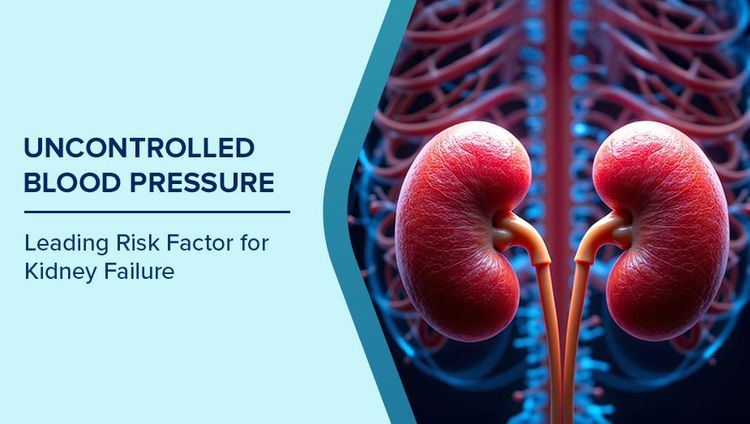
Why Uncontrolled Blood Pressure is the Leading Risk Factor for Kidney Failure
Dr. Vishal Saxena In Nephrology , Kidney Transplant
Sep 12 , 2025 | 2 min read
Most read Blogs


Related Blogs
Dr. Puneet Arora In Nephrology
Nov 11 , 2020 | 2 min read
Nov 11 , 2020 | 9 min read
Blogs by Doctor
Why Uncontrolled Blood Pressure is the Leading Risk Factor for Kidney Failure
Dr. Vishal Saxena In Nephrology , Kidney Transplant
Sep 12 , 2025 | 2 min read
Most read Blogs