 WhatsApp Us (24/7)
 +91 926 888 0303 (24/7)


To Book an Appointment
Call Us+91 926 888 0303Preparing for Dialysis: Steps, Medical Preparation, Lifestyle & Family Support
By Dr. Ashish Nandwani in Nephrology , Kidney Transplant
Sep 01 , 2025 | 5 min read

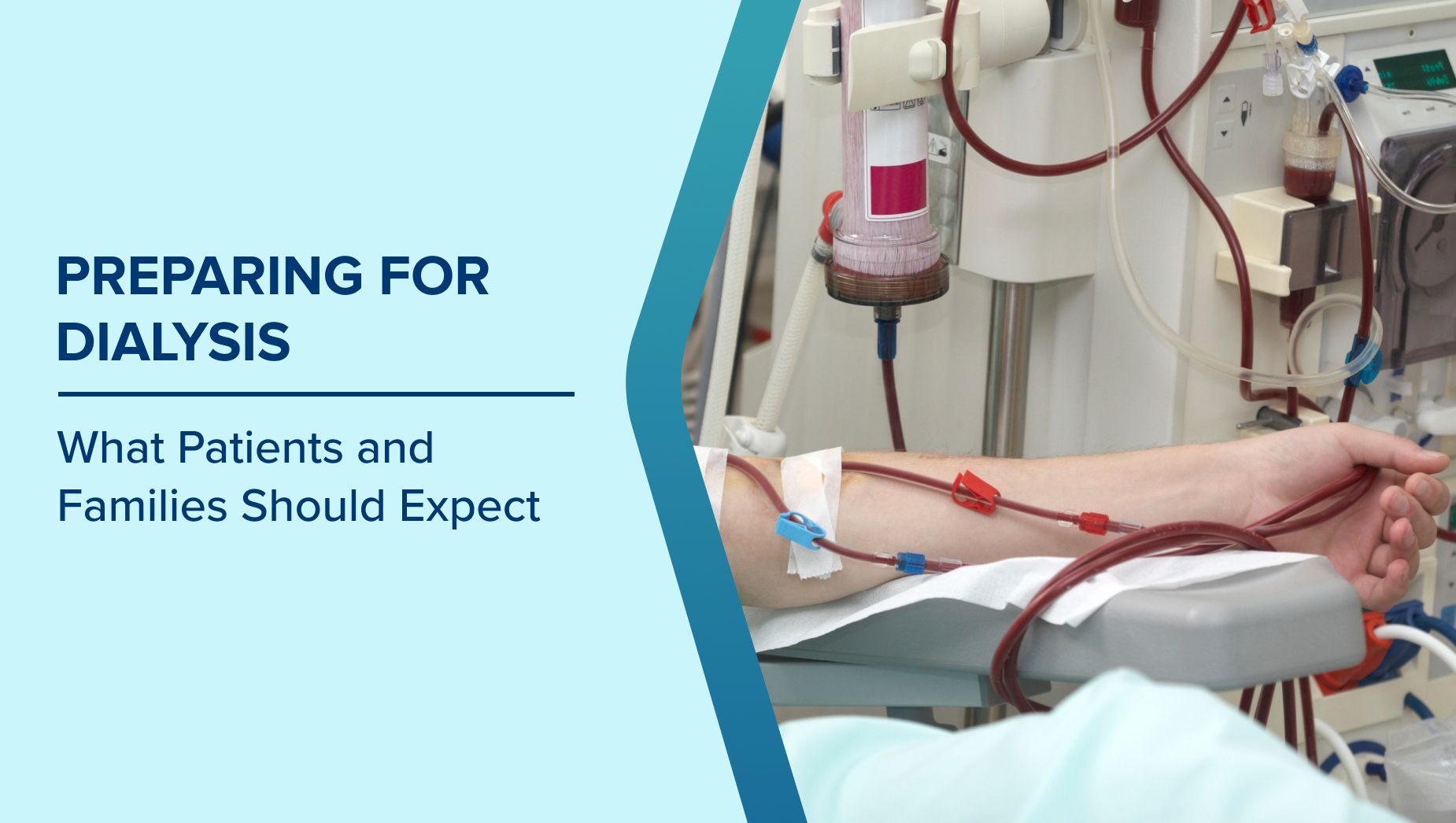
A diagnosis of kidney failure and the recommendation for dialysis can feel overwhelming. Dialysis is a life-sustaining therapy that takes over the essential function of the kidneys, filtering waste products and excess fluid from the blood.
While it may seem daunting at first, careful preparation helps patients adapt more smoothly and reassures families about what lies ahead.
Understanding the First Steps Before Dialysis
Doctors usually recommend dialysis when kidney function has declined significantly and the body can no longer maintain balance on its own. Before treatment begins, patients typically undergo blood tests, imaging, and kidney function assessments to determine the best approach.
A healthcare team, usually comprising a nephrologist, dialysis nurses, dietitians, and social workers, guides patients through this stage. Establishing open communication with this team ensures clarity about treatment choices, schedules, and long-term planning.
Medical Preparation
One of the most important aspects of dialysis preparation is vascular access. Depending on the patient’s condition, a surgeon may create:
- Arteriovenous fistula (AV fistula): A connection between an artery and a vein, considered the most durable and effective access.
- Arteriovenous graft (AV graft): A synthetic tube connecting the artery and vein, used when veins are unsuitable for a fistula.
- Central venous catheter: A temporary option placed in a large vein, often used if dialysis must start urgently.
Patients may also be advised to complete vaccinations (such as against hepatitis B) to reduce infection risks. Managing co-existing conditions like diabetes, hypertension, or cardiovascular disease is equally vital, as these can influence dialysis outcomes.
Emotional and Mental Readiness
Adjusting to the idea of long-term dialysis is not easy. Many patients experience anxiety, sadness, or fear about how life will change. Acknowledging these emotions is the first step towards coping.
Counselling sessions, peer support groups, or even informal conversations with individuals already on dialysis can provide comfort and practical insights. Families play a key role here, offering encouragement, listening without judgement, and maintaining a positive outlook that helps patients build resilience.
Family and Caregiver’s Role
Dialysis does not affect the patient alone; it influences the entire household. Families may need to reorganise schedules, accompany patients to treatment sessions, or assist with diet management. Caregivers should prepare themselves for both the physical and emotional aspects of support.
Importantly, they must also prioritise their own health and well-being to avoid burnout. Caregiver self-care, whether through short breaks, seeking help from others, or joining caregiver support networks, ensures sustainable, compassionate care for the patient.
Practical and Lifestyle Adjustments
Dialysis requires significant lifestyle adaptations. Patients often need to modify their diet, limiting foods high in potassium, phosphorus, or sodium, and carefully monitoring fluid intake to prevent overload.
Time is another major factor: dialysis sessions are usually scheduled three times per week, lasting several hours each. Families and patients may need to re-plan work, travel, and social activities to accommodate this routine. While the changes can be demanding, many individuals eventually establish a balanced rhythm that allows them to continue with daily responsibilities and hobbies.
Financial Planning for Dialysis
Dialysis is a long-term treatment, and financial preparation is crucial. Patients and families should familiarise themselves with costs, including session fees, medications, and regular investigations.
Health insurance policies often provide partial or complete coverage, but clarifying terms in advance avoids unexpected burdens. Planning ahead ensures that finances do not become an additional source of stress.
Home Dialysis vs In-Centre Dialysis: Preparation Differences
Patients may be offered a choice between hospital-based dialysis and home dialysis.
- In-centre dialysis is managed by healthcare professionals in a hospital or clinic. Preparation mainly involves regular scheduling and travel arrangements.
- Home dialysis offers flexibility but requires more extensive preparation. Patients and families must allocate a clean, safe space, receive training in operating equipment, and be prepared for emergency situations. Supplies must be stocked regularly, and caregivers often take on greater responsibility in monitoring treatment.
Choosing between the two options depends on medical advice, patient preference, and household readiness.
What to Expect in the First Few Weeks
The initial weeks on dialysis are a period of adjustment. The first session often involves a step-by-step introduction, where nurses explain the process, monitor vital signs, and guide the patient through what to expect.
Some individuals may feel tired, dizzy, or experience muscle cramps initially. These side effects usually lessen as the body adapts. Over time, patients and families learn how to prepare for sessions, from planning meals beforehand to carrying personal items like a blanket or book for comfort.
Looking Ahead: Building a Sustainable Routine
Long-term success on dialysis depends on creating a sustainable lifestyle. Regular medical follow-ups are essential for monitoring treatment effectiveness and making adjustments. Patients are encouraged to remain physically active within their limits, maintain dietary discipline, and engage socially to support emotional health.
Families can contribute by fostering an environment that balances structure with flexibility, ensuring that dialysis becomes a part of life rather than a limitation.
Conclusion
Preparing for dialysis is as much about emotional readiness and practical planning as it is about medical steps. By working closely with healthcare professionals, making thoughtful lifestyle adjustments, and ensuring strong family support, patients can approach dialysis with confidence. With preparation, the transition becomes smoother, helping both patients and families embrace treatment as a pathway to improved quality of life.
Frequently Asked Questions
How soon should I start preparing for dialysis once it’s recommended?
Preparation should begin as soon as your nephrologist confirms the need. Early preparation allows time for vascular access surgery to heal, dietary planning, and emotional adjustment, reducing last-minute stress.
What should I carry for my first dialysis session?
Carry essential items such as medical documents, a list of current medications, comfortable clothing, and personal items like headphones, a book, or a small blanket. Having a light snack beforehand may also help maintain energy.
Can I continue working while on dialysis?
Yes, many patients continue their jobs while undergoing dialysis. Flexible work arrangements or shifts may be needed, and employers are often supportive once they understand the treatment schedule. Home dialysis can also make work-life balance easier.
Is travel possible while on dialysis?
Yes, with proper planning, patients can travel. Many hospitals and dialysis centres offer “guest dialysis” for visitors. Informing your healthcare team in advance helps coordinate treatment at your destination.
Can dialysis patients exercise safely?
Yes, light to moderate exercise, such as walking, cycling, or stretching, is usually safe and beneficial for dialysis patients. It can improve energy levels, cardiovascular health, and emotional well-being. However, exercise routines should be tailored individually and discussed with the nephrologist to ensure safety.
Written and Verified by:

Related Blogs

Dr. Puneet Arora In Nephrology
Nov 11 , 2020 | 2 min read

Nov 11 , 2020 | 9 min read
Blogs by Doctor

Hypertension & Kidney Disease Diet: Best Foods & Tips
Dr. Ashish Nandwani In Nephrology , Kidney Transplant
Apr 02 , 2025 | 4 min read

Protect Your Kidneys: Tests & Tips to Prevent Kidney Disease
Dr. Ashish Nandwani In Nephrology , Kidney Transplant
Aug 04 , 2025 | 2 min read
Most read Blogs


Related Blogs
Dr. Puneet Arora In Nephrology
Nov 11 , 2020 | 2 min read
Nov 11 , 2020 | 9 min read
Blogs by Doctor
Hypertension & Kidney Disease Diet: Best Foods & Tips
Dr. Ashish Nandwani In Nephrology , Kidney Transplant
Apr 02 , 2025 | 4 min read
Protect Your Kidneys: Tests & Tips to Prevent Kidney Disease
Dr. Ashish Nandwani In Nephrology , Kidney Transplant
Aug 04 , 2025 | 2 min read
Most read Blogs