 WhatsApp Us (24/7)
 +91 926 888 0303 (24/7)


To Book an Appointment
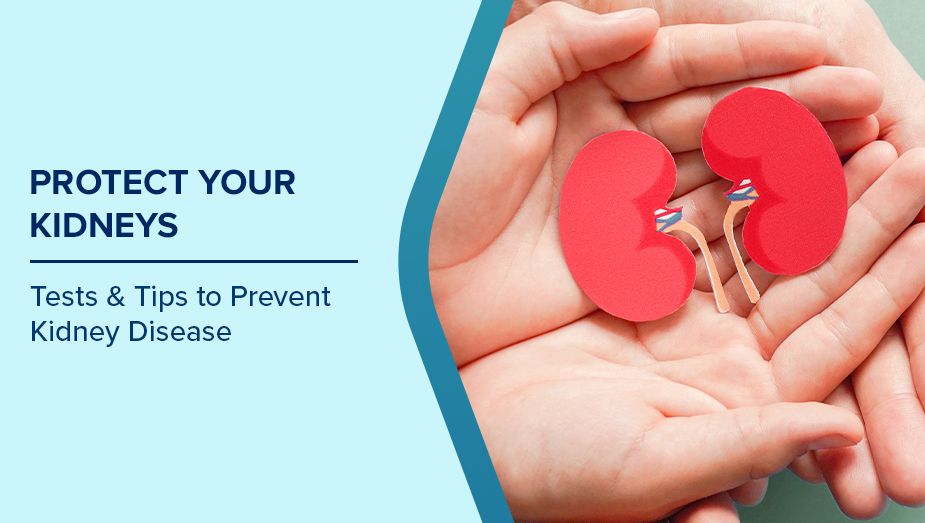
Call Us+91 926 888 0303Protect Your Kidneys: Tests & Tips to Prevent Kidney Disease
By Dr. Ashish Nandwani in Nephrology , Kidney Transplant
Jan 06 , 2026 | 2 min read

Our kidneys quietly filter toxins, regulate blood pressure, and maintain fluid balance. Often, problems develop without pain or obvious signs. A simple kidney function test each year can detect these silent issues before they escalate.
Why "Feeling Fine" Can Be Misleading
It's easy to assume everything is okay when energy levels are high and routine tests appear normal. However, kidney damage can progress slowly and often remains undetected. Factors like high blood pressure or diabetes can harm the kidneys without obvious symptoms. Regular checkups help track kidney health over time, providing doctors with clues to take early action and prevent complications.
What Happens During a Kidney Checkup?
A standard kidney evaluation is simple and fast.
- A blood test checks creatinine and eGFR to assess kidney filtering efficiency.
- Urine analysis checks for the presence of protein or blood, which can indicate damage.
- Blood pressure check reveals hypertension, a key threat to kidney function.
These routine, non-invasive tests help detect silent kidney damage and guide preventive measures long before symptoms emerge.
Preventing the Silent Progression of Kidney Disease
Early detection opens doors to effective steps, such as adjusting one's diet, improving exercise routines, or managing health conditions like diabetes. These measures can slow or even halt the progression of chronic kidney disease. Today's medicine offers successful outcomes when changes are detected early, thanks to advances in the early detection of kidney disease.
When Should You Start Regular Kidney Tests?
Individuals with healthy lifestyles and no underlying health conditions should begin annual testing in their 40s or 50s. Suppose you have diabetes, high blood pressure, a family history of kidney disease, or other chronic conditions. In that case, it's advisable to start yearly or semi-annual kidney function tests in your 30s. These regular checks help catch issues while there is still time to intervene.
How Kidney Health Affects Your Whole Body
Kidneys do more than filter waste. They support bone health by balancing minerals, influence blood pressure through hormone regulation, and help maintain red blood cell production. Poor kidney function can increase your risk of heart problems, weak bones, fatigue, and anaemia. In short, maintaining good kidney health supports your body's overall well-being.
Conclusion
Don't wait for pain or discomfort before checking your kidneys. An annual kidney function test is a small step with a big payoff. Discuss your kidney health with your doctor during your next health checkup and make it a priority, even if you feel fine.
Frequently Asked Questions
Which foods naturally support kidney health?
Whole fruits, leafy greens, berries, and lean proteins support kidney function. Also, include healthy fats like olive oil and stay hydrated with plain water.
Can overhydration harm the kidneys?
Yes, drinking too much water at once can dilute sodium and stress your kidneys. It's best to sip water consistently throughout the day instead.
Are at-home kidney test kits reliable?
Home kits can detect basic signs, such as protein or blood in urine, but aren't fully diagnostic. Always confirm results with professional blood tests.
Is frequent urination always a sign of kidney issues?
Not necessarily. It could be due to high fluid intake, caffeine consumption, or a urinary infection. However, if it persists along with other symptoms, such as swelling or fatigue, consider getting your kidneys checked.
How does a high-protein diet affect the kidneys in healthy people?
For most healthy adults, high protein intake does not harm the kidneys. However, if you already have reduced kidney function, overloading with protein may add stress and accelerate damage.
Written and Verified by:

Related Blogs

Dr. Puneet Arora In Nephrology
Nov 11 , 2020 | 2 min read

Nov 11 , 2020 | 9 min read
Blogs by Doctor

Hypertension & Kidney Disease Diet: Best Foods & Tips
Dr. Ashish Nandwani In Nephrology , Kidney Transplant
Apr 02 , 2025 | 4 min read
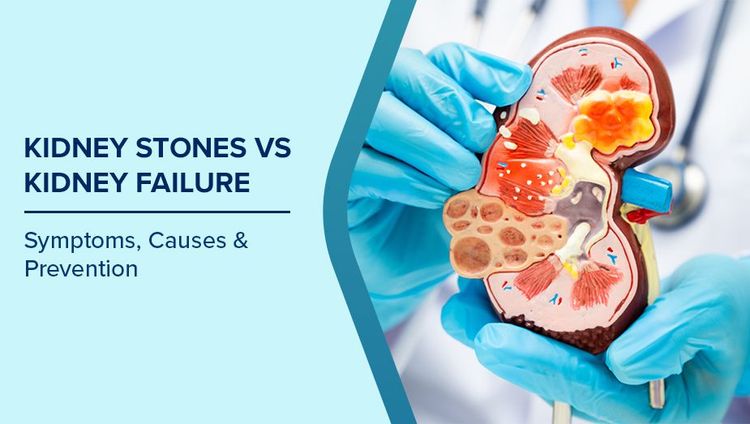
Kidney Stones vs Kidney Failure: Symptoms, Causes & Prevention
Dr. Ashish Nandwani In Nephrology , Kidney Transplant
Aug 04 , 2025 | 3 min read
Most read Blogs


Related Blogs
Dr. Puneet Arora In Nephrology
Nov 11 , 2020 | 2 min read
Nov 11 , 2020 | 9 min read
Blogs by Doctor
Hypertension & Kidney Disease Diet: Best Foods & Tips
Dr. Ashish Nandwani In Nephrology , Kidney Transplant
Apr 02 , 2025 | 4 min read
Kidney Stones vs Kidney Failure: Symptoms, Causes & Prevention
Dr. Ashish Nandwani In Nephrology , Kidney Transplant
Aug 04 , 2025 | 3 min read
Most read Blogs