 WhatsApp Us (24/7)
 +91 926 888 0303 (24/7)


To Book an Appointment
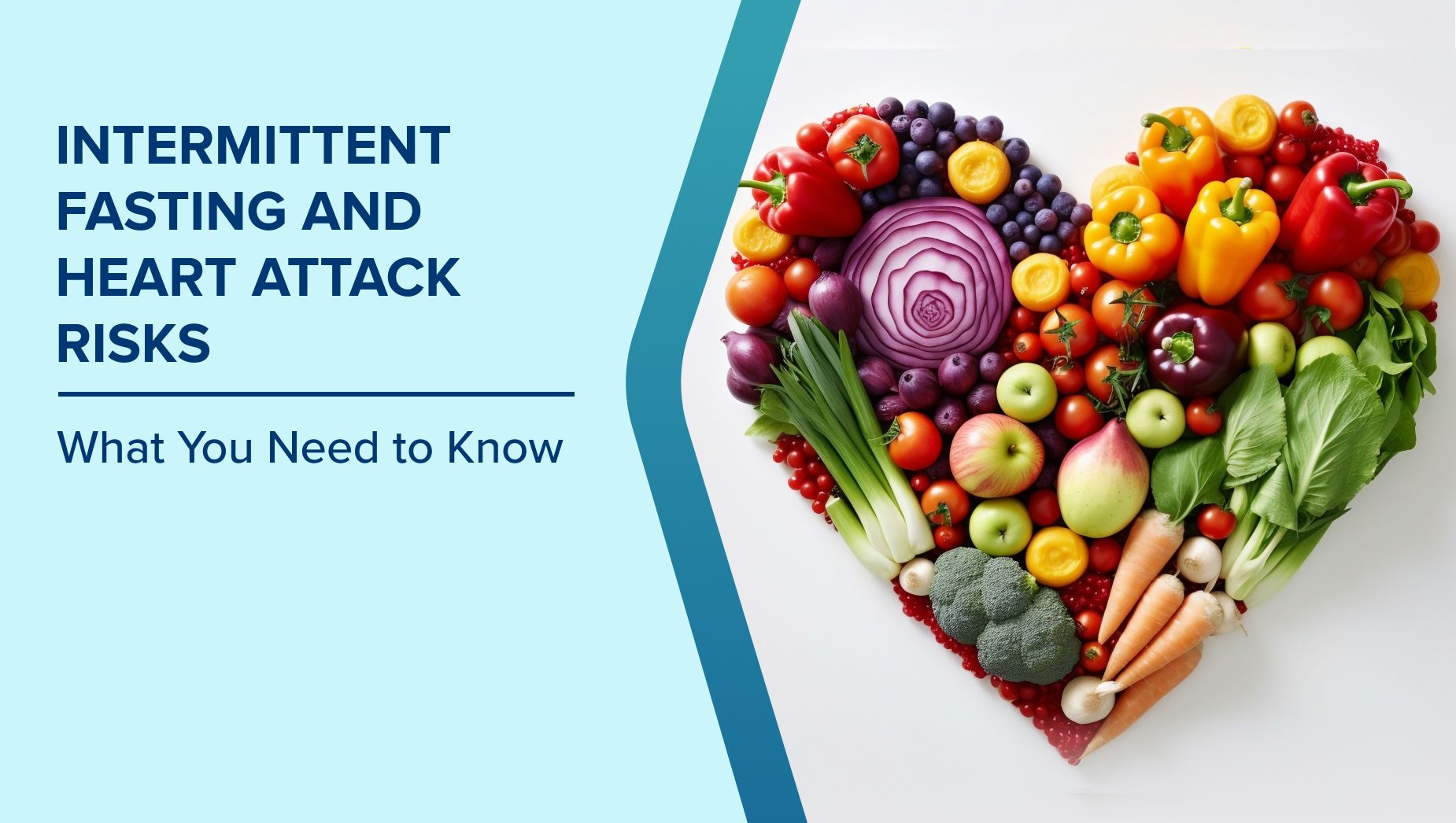
Call Us+91 926 888 0303Can Intermittent Fasting Increase the Risk of Heart Attack? What You Need to Know
By Dr. Ripen Gupta in Cardiac Sciences , Cardiology , Interventional Cardiology , Cardiac Electrophysiology-Pacemaker
Sep 04 , 2025 | 2 min read

Intermittent fasting has become one of the most popular health trends worldwide. From celebrities to fitness enthusiasts, many people have adopted it as a way to lose weight, boost energy, and improve overall health. While it is often seen as a beneficial practice, there are also concerns about whether intermittent fasting could put extra strain on the heart. This has led many to wonder: Can intermittent fasting increase the risk of a heart attack?
What is Intermittent Fasting?
Intermittent fasting (IF) is an eating pattern that focuses on when you eat rather than what you eat. The most common methods include:
- 16:8 method: Fasting for 16 hours and eating within an 8-hour window
- 5:2 method: Eating normally for five days and restricting calories for two days
- Alternate-day fasting: Fasting every other day
While many people experience weight loss and improved digestion through IF, it is not suitable for everyone.
Why the Heart is a Concern
The heart is one of the most sensitive organs in the body. Any significant lifestyle change, including changes in diet, can impact heart function, blood pressure, and cholesterol levels. The concern with intermittent fasting arises from how it impacts blood sugar levels, stress hormones, and fat metabolism.
When you fast for long hours, your body undergoes several metabolic changes:
- Blood sugar may drop suddenly, especially if you have diabetes or are on medication.
- Stress hormones, such as cortisol, may rise, which can lead to increased blood pressure.
- Irregular eating patterns may cause fluctuations in cholesterol and triglyceride levels.
These changes, if unmanaged, may contribute to cardiovascular strain and, in rare cases, trigger heart complications.
Who May Be at Risk
Intermittent fasting is not inherently dangerous, but it may not be safe for everyone. People at higher risk include:
- Those with a history of heart attack, stroke, or heart disease
- Patients with diabetes or high blood pressure
- Individuals with eating disorders or who tend to skip meals irregularly
- People over 60 with multiple health conditions
- Those on regular heart medications
For these groups, sudden long hours of fasting may trigger low blood sugar, increased heart strain, or abnormal rhythms, raising the risk of cardiac events.
Signs You Should Not Ignore
If you are practising intermittent fasting and experience any of the following symptoms, seek medical help immediately:
- Chest pain or heaviness
- Dizziness or fainting spells
- Rapid heartbeat or palpitations
- Unusual shortness of breath
- Severe fatigue that doesn’t improve with rest
These could be warning signs of heart stress and should never be ignored.
Safe Approach to Intermittent Fasting
If you are considering intermittent fasting, it is important to do it the right way:
- Consult a doctor first: Especially if you have diabetes, high cholesterol, or heart disease.
- Start slow: Avoid extreme fasting windows like 20 hours. Begin with shorter gaps such as 12:12.
- Stay hydrated: Dehydration can strain the heart and increase the risk of low blood pressure.
- Choose nutritious meals: Focus on whole grains, fruits, vegetables, lean proteins, and healthy fats instead of processed foods.
- Avoid overeating after fasting: Sudden heavy meals can spike blood pressure and cholesterol.
- Listen to your body: If fasting causes weakness, irregular heartbeat, or discomfort, stop and seek medical advice.
Conclusion
Intermittent fasting can offer health benefits for many people, but it is not a one-size-fits-all solution. While it may help with weight management and metabolism, prolonged or poorly managed fasting can put extra strain on the cardiovascular system and, in rare cases, contribute to heart complications.
Written and Verified by:

Related Blogs

Dr. Ritwick Raj Bhuyan In Cardiac Sciences , Cardiac Surgery (CTVS)
Nov 08 , 2020 | 2 min read

Dr. Gaurav Minocha In Cardiac Sciences
Nov 08 , 2020 | 4 min read
Blogs by Doctor

How to take care of your heart in COVID-19 pandemic?
Dr. Ripen Gupta In Cardiac Sciences
Jul 06 , 2020 | 2 min read

Is Heart Disease More Prevalent in Young People?
Dr. Ripen Gupta In Cardiac Sciences
May 10 , 2022 | 2 min read
Most read Blogs


Related Blogs
Dr. Ritwick Raj Bhuyan In Cardiac Sciences , Cardiac Surgery (CTVS)
Nov 08 , 2020 | 2 min read
Dr. Gaurav Minocha In Cardiac Sciences
Nov 08 , 2020 | 4 min read
Blogs by Doctor
How to take care of your heart in COVID-19 pandemic?
Dr. Ripen Gupta In Cardiac Sciences
Jul 06 , 2020 | 2 min read
Is Heart Disease More Prevalent in Young People?
Dr. Ripen Gupta In Cardiac Sciences
May 10 , 2022 | 2 min read
Most read Blogs