 WhatsApp Us (24/7)
 +91 926 888 0303 (24/7)


To Book an Appointment
Call Us+91 926 888 0303World First Aid Day 2025: Be the Difference Between Life and Death
By Dr. Monica Mahajan in Internal Medicine
Aug 22 , 2025 | 14 min read

Accidents and medical emergencies occur without a warning, and in many of such instances, first aid could be life-saving. It is the immediate medical help given to someone until professional assistance arrives. This may involve something as simple as stopping bleeding or a bit technical such as performing CPR. Prompt first aid helps prevent complications and even saves lives. World First Aid Day serves as a reminder of how important it is for more people to be equipped with these basic but vital skills. To understand its impact more clearly, this blog looks at what first aid involves, the essential skills everyone should know, and how individuals can take meaningful steps on World First Aid Day 2025. Let’s start by understanding the importance of this day.
History and Significance of World First Aid Day
World First Aid Day is observed every year on the second Saturday of September (this year on 13th September). It was first introduced in 2000 by the International Federation of Red Cross and Red Crescent Societies (IFRC) to raise awareness about the importance of first aid. Since then, countries around the world observe the day with campaigns, workshops, and community programmes aimed at promoting first aid education.
The significance of this day lies in its focus on building a more prepared and responsive society. By encouraging people to learn simple yet life-saving skills, World First Aid Day helps reduce the impact of accidents and medical emergencies. It also highlights the idea that anyone, regardless of age or background, can step in and offer meaningful help during a crisis.
What is First Aid?
First aid refers to the immediate medical assistance given to a person who is injured or experiencing a sudden medical emergency, before professional help becomes available. Its purpose is to stabilise the individual and prevent the condition from worsening until more advanced care can be provided. Depending on the situation, first aid may involve a range of actions, such as cleaning and dressing wounds, applying pressure to stop bleeding, performing CPR, or helping someone who is choking. These early steps, though often simple, can be crucial in protecting life, preventing complications, and improving outcomes in emergency situations.
What Types of Situations Typically Require First Aid?
First aid can be required in a wide range of everyday emergencies. In many cases, the right response during the first few minutes can help reduce the severity of injuries, prevent further harm, or keep someone stable until medical help arrives. Below are ten common situations where first aid is often needed, along with what the initial response may involve:
- Cuts, Wounds, and Bleeding: From small scrapes to deep lacerations, injuries involving bleeding are among the most common reasons first aid is required. Minor wounds usually only need gentle cleaning and a clean dressing. In deeper wounds or when bleeding is heavy, applying direct pressure with a clean cloth or bandage is important to help stop the flow. Elevating the injured area (if possible) can also help reduce bleeding.
- Burns and Scalds: Burns can result from contact with hot surfaces, boiling water, fire, chemicals, or even electricity. The first step in first aid is to cool the affected area under running water for at least 10 minutes to reduce skin damage. Removing jewellery or tight clothing near the area (unless stuck to the skin) is also helpful. Chemical burns should be rinsed thoroughly, and electrical burns require monitoring for internal injuries. Creams or ointments should not be applied immediately after a burn.
- Choking: Choking usually occurs when food or another object blocks the airway. If the person is unable to speak, cough, or breathe, quick action is crucial. First aid involves back blows between the shoulder blades followed by abdominal thrusts (Heimlich manoeuvre) to help dislodge the object. For infants or small children, gentler techniques are used to avoid injury.
- Breathing Difficulties or Asthma Attacks: People with asthma or allergies may experience sudden shortness of breath, wheezing, or chest tightness. First aid for difficulty in breathing involves helping the person sit upright and stay calm. If they have an inhaler or prescribed medication, they should use it immediately. In more serious cases, such as a severe allergic reaction (anaphylaxis), using an adrenaline auto-injector (if available) and calling emergency services is essential.
- Cardiac Arrest and Heart Attacks: In a cardiac arrest, the heart stops beating suddenly, and the person becomes unresponsive. First aid requires immediate CPR (chest compressions and rescue breaths). In contrast, during a heart attack, the person may be conscious but experiencing chest pain, sweating, or shortness of breath. Keeping them seated, calm, and under observation while waiting for medical help is advised.
- Fainting or Sudden Loss of Consciousness: Fainting may occur due to dehydration, low blood pressure, overheating, or emotional shock. First aid involves laying the person flat and raising their legs to improve blood flow to the brain. It’s also important to loosen tight clothing and make sure the person is breathing normally. If consciousness doesn't return quickly, or the cause is unclear, seek medical assistance.
- Head Injuries: Head injuries may range from minor bumps to more serious head trauma. Even when a person appears fine, symptoms such as dizziness, confusion, vomiting, or drowsiness may suggest a concussion or more severe injury. First aid includes keeping the person still, applying a cold compress to reduce swelling, and monitoring for any changes in behaviour or consciousness.
- Seizures and Convulsions: Seizures can be frightening to witness. During a seizure, the person may fall, shake uncontrollably, or lose awareness. First aid involves ensuring the area around them is safe, protecting their head, and timing the seizure. Do not try to restrain their movements or put anything in their mouth. Once the seizure stops, placing them in the recovery position and staying with them is important until they are fully alert or help arrives.
- Fractures, Sprains, and Dislocations: Falls, sports injuries, or accidents can lead to broken bones, sprains, or dislocated joints. If a fracture is suspected, it is best not to move the limb unnecessarily. First aid for fracture may involve immobilising the area using a splint or sling, applying ice to reduce swelling, and supporting the injured part while waiting for medical care. For sprains, the RICE method: Rest, Ice, Compression, and Elevation, is often used.
- Poisoning and Overdose: Accidental poisoning can occur through ingestion of household products, chemicals, or spoiled food. In other cases, it may involve drug overdose or exposure to harmful substances through inhalation or skin contact. First aid depends on the type of substance but typically involves keeping the person still, not inducing vomiting unless advised by a medical professional, and contacting emergency services or poison control. Try to provide details about the substance involved for faster treatment.
Which Basic First Aid Skills Should Everyone Know?
Basic first aid training is not just for medical professionals. Anyone can learn these skills and apply them in emergencies. From helping a colleague who faints at work to assisting a stranger after a road accident, knowing how to respond can make a significant difference in the outcome. Below are 10 essential first aid measures that are practical, effective, and worth learning:
- Performing CPR (Cardiopulmonary Resuscitation): CPR is used when a person’s heart stops beating or they stop breathing. It involves chest compressions, and in some cases, rescue breaths, to help maintain circulation and oxygen flow until professional help arrives. It can be life-saving during cardiac arrests, drowning, or suffocation. Automated External Defibrillators (AEDs), if available, should also be used alongside CPR.
- Controlling Bleeding: Excessive bleeding can lead to shock or even death if not managed promptly. Applying firm pressure on the wound using a clean cloth or bandage helps slow the bleeding. Elevating the injured limb above heart level, if possible, and keeping the person calm are also important steps. In some situations, using a tourniquet may be necessary, though this requires proper training.
- Treating Burns: For minor burns, hold the affected area under cool (not cold) running water for at least 10–15 minutes. Do not apply ice, toothpaste, butter, or any home remedy. For more serious burns, those that are deep, larger than the palm, or involve the face or joints, cover the area with a clean, non-stick cloth and seek medical help.
- Helping Someone Who’s Choking: When someone cannot speak, cough, or breathe properly due to choking, swift action is needed. The Heimlich manoeuvre (abdominal thrusts) can help dislodge the object. In children and infants, different techniques apply, such as back blows and chest thrusts. If the person becomes unresponsive, CPR should be started immediately.
- Managing Fractures and Sprains: Suspected broken bones or sprains should be kept still and supported using a splint or sling, without trying to realign them. Applying ice (wrapped in a cloth) can reduce swelling. Avoid putting any weight on the injury and get a medical evaluation to confirm the extent of the damage.
- Recognising and Responding to Shock: Shock occurs when the body isn't getting enough blood flow, often due to trauma, burns, allergic reactions, or severe bleeding. Signs include cold, clammy skin, a rapid pulse, dizziness, and confusion. Lay the person flat, elevate their legs slightly (unless there's an injury that prevents it), and cover them to keep warm. Do not give food or drink.
- Handling Nosebleeds: Ask the person to sit upright and lean slightly forward, not backward, to prevent blood from going down the throat. Pinch the soft part of the nose and hold for about 10–15 minutes without releasing. Avoid blowing the nose or lying down immediately after the bleeding stops.
- Cleaning and Covering Minor Cuts and Scrapes: Wash hands before touching the wound. Rinse the cut with clean water to remove dirt or debris. Apply an antiseptic if available, then cover with a sterile bandage. Change the dressing daily or if it becomes wet or dirty. This helps prevent infection and promotes healing.
- Spotting the Signs of a Stroke or Heart Attack: For a stroke, remember the FAST method - Face drooping, Arm weakness, Speech difficulty, Time to call emergency services. For a heart attack, common signs include chest pain, shortness of breath, pain spreading to the arms or jaw, nausea, and cold sweats. Keep the person calm, help them sit in a comfortable position, and call for medical help without delay.
- Assisting Someone Having a Seizure: Clear the area of any hard or sharp objects to prevent injury. Place something soft under their head and turn them onto their side once the seizure ends. Do not restrain them or put anything in their mouth. Time the seizure if possible especially if it lasts more than five minutes, or if it’s their first seizure, call for emergency medical help.
What Should a Basic First Aid Kit Contain?
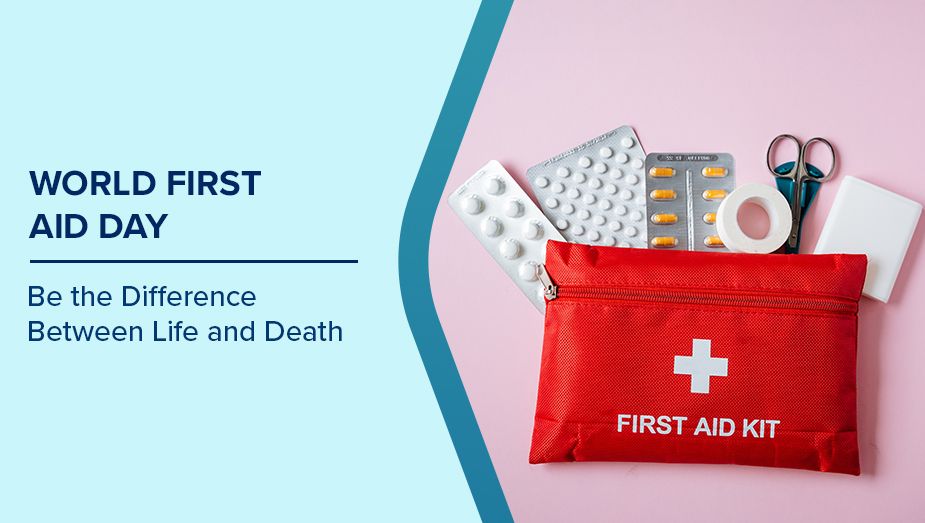
A well-stocked first aid kit helps in dealing with minor injuries and emergencies more effectively. It should include a mix of items for wound care, hygiene, and basic medical support. The contents may vary slightly depending on where the kit is kept or used, for example, at home, in a car, or outdoors, but the following items are considered essential in most cases.
Bandages and Dressings
These items are useful for protecting wounds, stopping bleeding, and preventing infection.
- Sterile gauze pads (various sizes): Used to cover cuts, burns, or abrasions. They help absorb blood or fluid and keep the area clean.
- Adhesive bandages (plasters): For minor cuts, blisters, and scrapes. Available in different shapes and sizes.
- Crepe or elastic bandages: Provide compression and support for sprains, strains, or joint injuries. Can also be used to hold ice packs in place.
- Adhesive tape: Secures dressings or bandages without slipping.
- Eye pads: Specially designed for protecting eye injuries.
Cleaning and Antiseptic Supplies
Keeping the wound area clean is the first step in preventing infection.
- Antiseptic wipes or solution: For disinfecting wounds.
- Saline solution: For rinsing eyes, cleaning wounds, or flushing debris.
- Hand sanitiser: Essential for maintaining hand hygiene before administering first aid.
- Cotton balls and swabs: Helpful for applying antiseptics or cleaning small areas.
Medicines and Ointments
Medicines in the kit should be over-the-counter and suitable for common issues.
- Paracetamol: For relieving pain, inflammation, or fever.
- Antihistamines: To manage allergic reactions, including itching, swelling, or rashes.
- Oral rehydration salts (ORS): To treat or prevent dehydration from diarrhoea or vomiting.
- Antacid tablets or syrup: For indigestion or heartburn.
- Antiseptic ointment or cream: For minor cuts, burns, or insect bites.
- Burn ointment or gel: Soothes pain and protects mild burn injuries.
Tools and Instruments
Useful for performing basic procedures and handling first aid tasks safely.
- Digital thermometer: For measuring temperature, especially in case of fever.
- Tweezers: To remove splinters, glass, or debris from a wound.
- Scissors (with blunt tip): For cutting gauze, tape, or clothing if needed.
- Safety pins: Used to fasten slings or bandages.
- Torch or small flashlight (with spare batteries): Helps in low-light conditions.
Personal Protection Items
These reduce the risk of transmitting infections between the injured person and the first aider.
- Disposable gloves (preferably nitrile or latex-free): To maintain hygiene and prevent contact with blood or body fluids.
- Face masks: Useful when attending to someone who is coughing, sneezing, or has a respiratory condition.
It is important to store the first aid kit in a clean, dry place and ensure it is easy to access in an emergency. Checking it regularly for expired medications or used items helps keep it ready for use at all times. Having this kit, along with some basic first aid knowledge, gives people the confidence to act quickly.
Where Can You Learn First Aid Properly?
Learning first aid from a reliable source ensures the techniques are correct and up to date. While some basic knowledge can be gained from online videos or written guides, proper training from recognised organisations offers hands-on practice and professional instruction.
- Certified courses: Many reputable bodies, such as the Indian Red Cross Society, St John Ambulance, and local health departments, offer certified first aid training. These courses often include CPR, wound care, fracture support, and handling unconscious individuals.
- Hospitals and medical centres: Some hospitals conduct community workshops or short-term training sessions. These may be helpful for those who want to learn basic first aid without committing to a full certification course.
- Schools and workplaces: Increasingly, educational institutions and companies are offering first aid sessions for students and staff. These programmes are designed to teach essential skills in simple ways that suit different age groups and work environments.
- Online platforms: For those who may not have access to physical classes, several organisations also offer online training with optional certification. However, it’s best to ensure these courses are backed by recognised health authorities.
Read More:- First Aid Kits For Outdoor Adventures: Safety Tips & Essentials
How Can You Make a Difference on World First Aid Day?
World First Aid Day is a chance for people to get involved in ways that promote awareness and action. Here’s how you can do your part:
- Take a certified first aid course: Join a recognised training programme to learn skills like CPR, wound care, and how to respond in emergencies.
- Encourage others to join: Motivate friends, family, and colleagues to attend training sessions and understand the importance of first aid knowledge.
- Attend or organise awareness events: Participate in local workshops or help set up activities at schools, offices, or community centres.
- Review your first aid kit: Check the contents at home, in your car, or workplace. Replace expired items and make sure all basic supplies are included.
- Raise awareness online: Share reliable information on social media. This could include tips, infographics, or videos that explain simple first aid steps.
- Volunteer with health groups: Offer your time to local organisations involved in spreading first aid awareness or hosting training drives.
- Teach children and teens basic skills: Help young people understand when and how to call for help and what to do in common emergencies.
- Distribute easy-to-read guides: Share printed leaflets or posters with step-by-step first aid instructions in your community or workplace.
- Support first aid campaigns: Donate to or promote initiatives working to expand access to training and resources.
- Refresh your knowledge regularly: Take follow-up courses every few years to stay familiar with the latest methods and recommendations.
These small efforts, when combined, help build a community that is better prepared to respond when emergencies happen.
Final Words
World First Aid Day helps us understand how essential it is to know basic first aid skills. These simple steps can offer support in critical moments and often keep a situation from becoming worse. But after giving that immediate help, it is just as important to know where to turn for proper medical attention. In case of an emergency, reach out to Max Hospital for timely and dependable care from trained medical professionals who are equipped to handle emergency cases with the care and expertise they require.
Frequently Asked Questions
What does the first aid symbol represent, and why is it important?
The first aid symbol, usually shown as a white cross on a green background, is an internationally recognised sign. It indicates the availability of first aid support or medical help. Its visibility helps people quickly locate assistance during emergencies.
What does 'ABC' stand for in first aid, and when is it used?
‘ABC’ in first aid stands for Airway, Breathing, and Circulation. These are the three vital functions that need to be assessed and supported when attending to someone who is unconscious or unresponsive. It is one of the first steps in many emergency protocols.
Can I give first aid without formal training?
Yes, basic first aid can be given without formal training in many situations. Simple actions like applying pressure to a wound, helping someone sit down, or calling for emergency help can make a difference. Still, formal training provides better understanding and confidence in handling more serious situations safely.
Are there any legal concerns when giving first aid to a stranger?
Many countries have Good Samaritan laws that protect individuals who offer help during emergencies. These laws generally cover those who act in good faith without gross negligence. However, legal protection can vary, so it's helpful to be aware of the local guidelines.
Is it safe to perform CPR during a medical emergency without special equipment?
Yes, hands-only CPR is widely recommended and can be safely performed without any special equipment. It involves chest compressions and can help maintain circulation until medical professionals arrive. Proper training is encouraged, but in an emergency, even untrained bystanders can help.
Written and Verified by:

Related Blogs


Dr. Vandana Boobna In Internal Medicine
Nov 08 , 2020 | 2 min read
Blogs by Doctor


What is Zika Virus: Causes, Signs, Symptoms, Cure and Preventions
Dr. Monica Mahajan In Internal Medicine
Jun 27 , 2024 | 4 min read
Most read Blogs


Related Blogs
Dr. Vandana Boobna In Internal Medicine
Nov 08 , 2020 | 2 min read
Blogs by Doctor
What is Zika Virus: Causes, Signs, Symptoms, Cure and Preventions
Dr. Monica Mahajan In Internal Medicine
Jun 27 , 2024 | 4 min read
Most read Blogs