 WhatsApp Us (24/7)
 +91 926 888 0303 (24/7)


To Book an Appointment
Call Us+91 926 888 0303Are You a Candidate for Heart Bypass Surgery? Key Factors Explained
By Dr. Vijay Kohli in Cardiac Surgery
Jan 05 , 2026 | 5 min read

A strong, healthy heart supports overall well-being, yet thinking about surgery can be overwhelming. Heart bypass surgery, also known as coronary artery bypass grafting (CABG), is a life-changing procedure that helps restore blood flow in severely blocked arteries.
Understanding whether you are a candidate for this surgery is essential for making informed decisions, managing expectations, and protecting your long-term cardiac health.
What Is Heart Bypass Surgery?
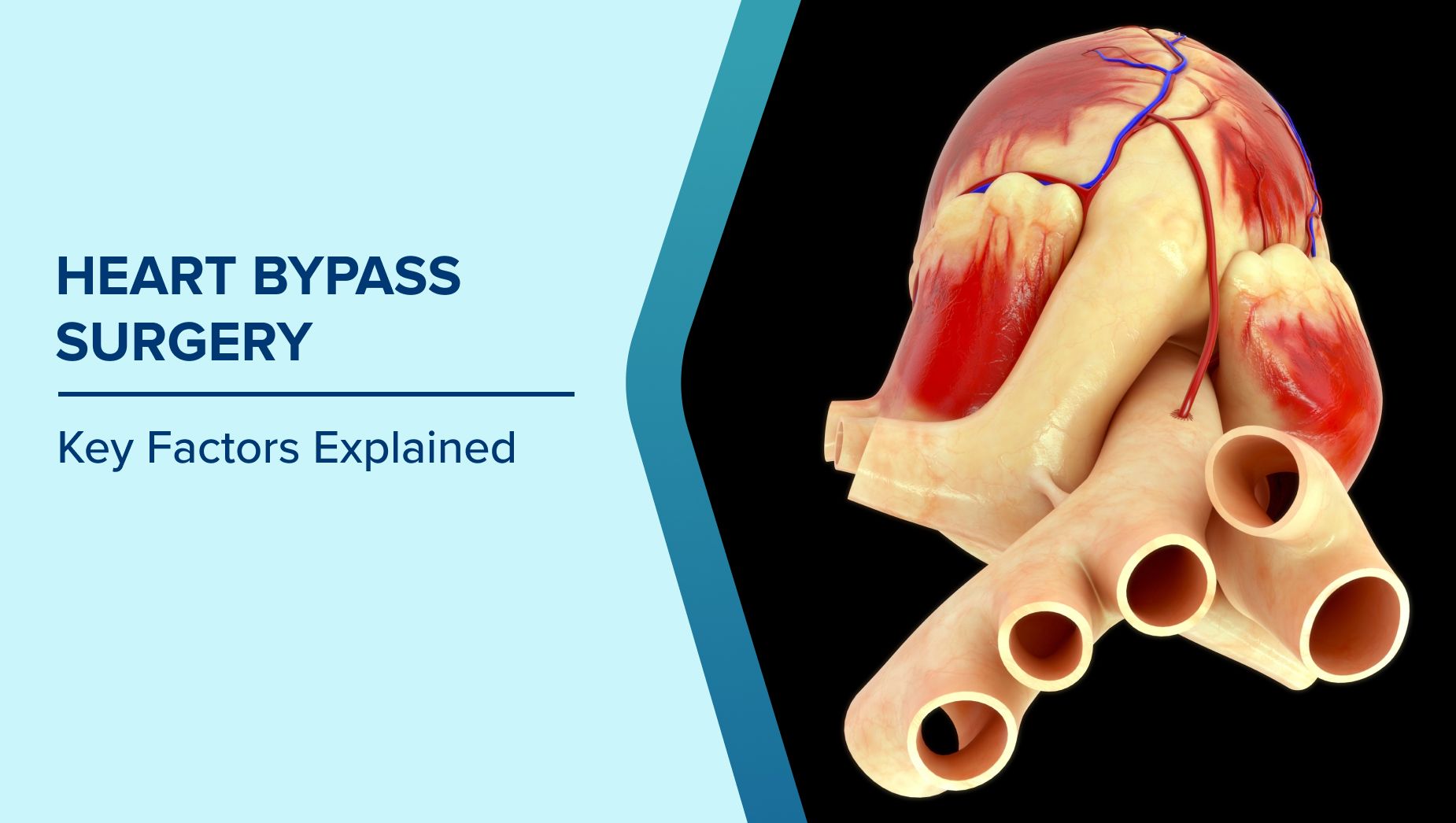
Heart bypass surgery is a medical procedure designed to improve blood circulation to the heart. It works by creating an alternative pathway for blood to flow around blocked or narrowed coronary arteries. Surgeons often use a blood vessel taken from another part of the body, such as the leg, arm, or chest, to bypass the obstruction.
The primary aim of this surgery is to ease symptoms such as chest pain and breathlessness, support better heart function, and lower the risk of heart attacks. Although it can be highly beneficial, it is not appropriate for every patient, so thorough evaluation is essential before proceeding.
Who Typically Needs Heart Bypass Surgery?
Not every heart problem requires bypass surgery. It is usually considered when:
- Severe coronary artery disease: Multiple or major blockages in the coronary arteries that cannot be treated with medication alone.
- Symptoms not controlled by medication: Persistent chest pain (angina), fatigue, or shortness of breath despite lifestyle changes and medications.
- Failed previous interventions: If angioplasty or stent placement did not improve blood flow or symptoms.
- High-risk blockages: Blockages in the left main coronary artery or multiple vessels supplying large areas of the heart.
These conditions indicate that the heart may not be receiving sufficient oxygen-rich blood, which can affect overall health and increase the risk of heart attacks.
Key Factors Considered for Eligibility
Determining candidacy for heart bypass surgery involves a thorough medical evaluation. Key factors include:
- Medical history: Past heart conditions, previous surgeries, and chronic diseases like diabetes or kidney disease.
- Age and overall health: While bypass surgery can be performed on older adults, the overall physical condition, frailty, and presence of other illnesses are assessed.
- Heart function: Ejection fraction (a measure of how well the heart pumps blood) is an important consideration.
- Severity and location of blockages: The number of blocked arteries and their position in the heart guide surgical decisions.
- Symptom severity: Persistent angina, difficulty breathing, or reduced exercise tolerance can indicate the need for surgery.
- Lifestyle factors: Smoking, obesity, and physical inactivity are considered because they can affect recovery and long-term outcomes.
Symptoms and Signs That Indicate the Need for Surgery
Recognising warning signs is vital. Common symptoms that may prompt evaluation for bypass surgery include:
- Chest pain or pressure, often triggered by activity or stress
- Shortness of breath, especially during exertion
- Fatigue or reduced ability to perform daily activities
- Irregular heartbeat or palpitations
- Dizziness or fainting in severe cases
If these symptoms persist or worsen despite medical treatment, consulting a cardiologist is essential.
Assessments and Tests Before Surgery
Before recommending bypass surgery, doctors perform several tests to understand the heart’s condition and plan the procedure:
- Electrocardiogram (ECG): Measures the heart’s electrical activity to identify irregularities.
- Echocardiogram: Uses ultrasound to assess heart function and valve performance.
- Coronary angiography: Provides a detailed view of blocked arteries using dye and X-rays.
- Stress tests: Evaluate how the heart responds to exertion and help determine blood flow limitations.
- Routine blood tests: Assess overall health, kidney function, and risk factors for surgery.
These evaluations help the medical team personalise the treatment approach and improve surgical outcomes.
Risk Factors That Influence Decision-Making
Several conditions and habits can influence whether bypass surgery is recommended:
- Diabetes or high blood sugar: Can complicate recovery and affect blood vessel health.
- High blood pressure: Puts extra strain on the heart, influencing surgical planning.
- Previous heart attacks: Can affect heart tissue and recovery potential.
- Smoking and alcohol use: Lifestyle choices are assessed for their impact on healing and long-term heart health.
- Obesity or sedentary lifestyle: May increase the risk of complications and affect recovery timelines.
Addressing these risk factors before surgery can improve outcomes and reduce complications.
Alternative Treatments and When Surgery Becomes Necessary
Heart bypass surgery is one of several options for managing coronary artery disease. Alternatives may include:
- Medication: Drugs to control cholesterol, blood pressure, or blood clotting.
- Lifestyle changes: Diet, exercise, and smoking cessation can improve symptoms.
- Angioplasty and stenting: Less invasive techniques used to widen blocked arteries and improve blood flow.
Surgery becomes necessary when these alternatives fail to control symptoms, when blockages are severe, or when there is a high risk of a heart attack without intervention.
Preparing for Heart Bypass Surgery
Preparation is essential for a successful outcome:
- Pre-surgery evaluation: Blood work, imaging, and consultations with the surgical team.
- Lifestyle adjustments: Quitting smoking, managing diabetes, and improving nutrition.
- Emotional readiness: Understanding the procedure, expected recovery, and long-term changes.
- Support system: Arranging help at home during recovery for daily activities and transportation.
Being well-prepared helps reduce stress and supports a smoother recovery.
Recovery and Long-Term Heart Health
The recovery period following bypass surgery varies for each person and depends on the complexity of the procedure. Key aspects include:
- Hospital stay: Typically 5–10 days for monitoring and initial recovery.
- Cardiac rehabilitation: Structured exercise, nutrition guidance, and lifestyle counselling to support heart health.
- Medication adherence: Drugs to prevent blood clots, control blood pressure, and support heart function.
- Lifestyle changes: Maintaining a heart-healthy diet, regular exercise, stress management, and smoking cessation.
- Regular check-ups: Continuous monitoring ensures that the heart is functioning well and complications are addressed early.
Long-term heart health depends on combining surgery with lifestyle and medical management.
Conclusion
Heart bypass surgery can significantly improve the quality of life for people with severe coronary artery disease. Determining eligibility requires careful evaluation of symptoms, heart function, medical history, and lifestyle factors. Understanding your options, recognising warning signs, and seeking timely medical advice are essential steps in protecting cardiac health.
Consult a cardiologist to assess your individual situation and explore whether bypass surgery or alternative treatments are best suited for you.
Frequently Asked Questions
How long does the assessment process take before bypass surgery?
The evaluation usually involves several tests over a few days to weeks, allowing doctors to plan the most effective treatment.
Can minimally invasive bypass surgery be an option?
Yes, for some patients, less invasive procedures are available, which may reduce recovery time and scarring.
How does family history affect bypass surgery eligibility?
A family history of heart disease can indicate a higher risk, influencing both monitoring and treatment decisions.
Can lifestyle changes delay the need for surgery?
A healthy diet, regular exercise, and managing blood pressure and cholesterol can sometimes reduce symptoms and delay the need for surgery.
What should patients discuss with their cardiologist before deciding on surgery?
Patients should discuss symptom severity, treatment options, recovery expectations, and any personal health concerns to make an informed choice.
Is bypass surgery effective for all types of coronary blockages?
Bypass surgery is most effective for multiple or severe blockages that cannot be treated with stents or medication.
Can stress or emotional health affect the timing of surgery?
Yes, high stress or unmanaged anxiety may impact recovery and is considered when planning surgery and support strategies.
Are there age limits for heart bypass surgery?
While there is no strict age limit, overall health, frailty, and presence of other conditions are considered in determining surgical suitability.
Written and Verified by:

Related Blogs

Dr. Vijay Kohli In Cardiac Surgery (CTVS) , Cardiac Surgery
Jan 13 , 2025 | 7 min read

Dr. Dinesh Chandra In Cardiac Sciences , Cardiac Surgery
Apr 24 , 2025 | 3 min read
Blogs by Doctor

SAD and Heart Health: Causes, Effects, and Management Tips
Dr. Vijay Kohli In Cardiac Surgery (CTVS)
Jan 10 , 2025 | 6 min read
Hydration & Heart Health: Importance of Hydration for Cardiovascular Health
Dr. Vijay Kohli In Cardiac Surgery (CTVS) , Cardiac Surgery
Jan 13 , 2025 | 7 min read
Most read Blogs


Related Blogs
Dr. Vijay Kohli In Cardiac Surgery (CTVS) , Cardiac Surgery
Jan 13 , 2025 | 7 min read
Dr. Dinesh Chandra In Cardiac Sciences , Cardiac Surgery
Apr 24 , 2025 | 3 min read
Blogs by Doctor
SAD and Heart Health: Causes, Effects, and Management Tips
Dr. Vijay Kohli In Cardiac Surgery (CTVS)
Jan 10 , 2025 | 6 min read
Hydration & Heart Health: Importance of Hydration for Cardiovascular Health
Dr. Vijay Kohli In Cardiac Surgery (CTVS) , Cardiac Surgery
Jan 13 , 2025 | 7 min read
Most read Blogs