 WhatsApp Us (24/7)
 +91 926 888 0303 (24/7)


To Book an Appointment
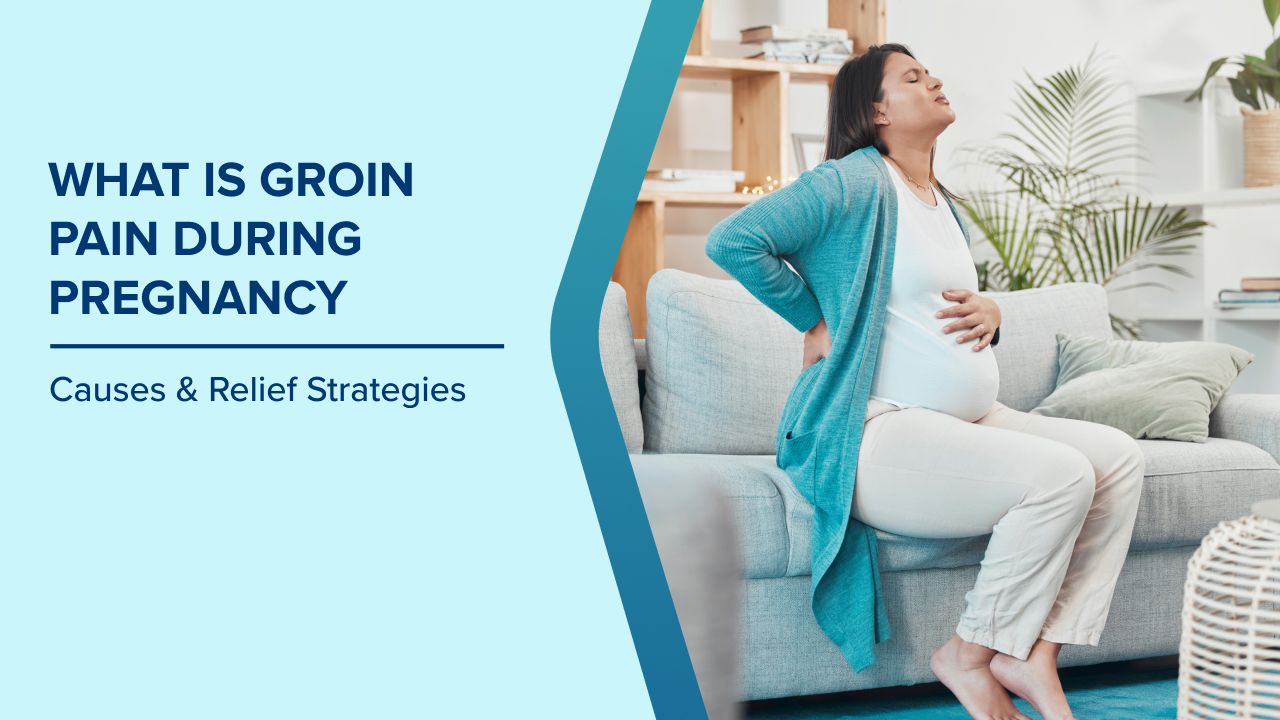
Call Us+91 926 888 0303What is Groin Pain During Pregnancy: Causes & Relief Strategies
By Dr. Mukul Bhargava in Cardiac Sciences , Cardiology
Mar 17 , 2026
2

As your pregnancy journey progresses, your body goes through a series of remarkable and sometimes uncomfortable changes. One of the more common symptoms that can arise is a persistent ache or sharp pain in your groin area. This discomfort can range from a dull ache to a sharp, stabbing pain and can leave you wondering what is going on inside your body. It's a common complaint, but it's one that can be managed with the right knowledge and pregnancy tips.
Why Am I Experiencing Groin Pain During Pregnancy?
Groin pain during pregnancy is a very common symptom, particularly in the later stages. The pain is a result of the significant physical changes your body is undergoing to make room for your growing baby.
Round Ligament Pain
Round ligament pain is the most common cause of groin pain in pregnancy. The round ligaments are two ligaments that support the uterus and connect it to the front of the groin. As your uterus grows, these ligaments stretch and thin out, which can cause a sharp, stabbing pain, especially with sudden movements like coughing, sneezing, or getting up quickly. The pain is usually short-lived and may be felt on one or both sides.
Symphysis Pubis Dysfunction (SPD)
Symphysis pubis dysfunction (SPD), also called pelvic girdle pain (PGP), is a frequent reason for groin discomfort during pregnancy. The pubic symphysis is the joint that joins the two sides of the pelvis. As pregnancy progresses, the hormone relaxin loosens the supporting ligaments, allowing this joint to move more than usual. This increased mobility can cause instability and pain in the pubic region, which may extend to the groin, inner thighs, and lower back.
The Growing Uterus and Baby
As your uterus expands and your baby grows, it puts direct pressure on the nerves and ligaments in your pelvis and groin. This can cause a dull, achy pain that is often worse at the end of the day or after physical activity. The baby's movements can also contribute to the pain, as a tiny foot or elbow can get wedged uncomfortably in the pelvis.
Read more: Three Stages of Pregnancy: A Complete Guide
Safe and Effective Relief Strategies
While you can't completely eliminate groin pain during pregnancy, you can take certain steps to manage it. These pregnancy tips are simple and can be incorporated into your daily routine.
Gentle Stretches and Exercises
- Pelvic Tilts: Gently tilting your pelvis back and forth can help to strengthen your core and relieve pressure on your ligaments.
- Prenatal Yoga: Poses like Cat-Cow and Child's Pose can help to gently stretch and release tension in your back, hips, and groin.
- Swimming: Water provides buoyancy, which can take the weight off your joints and muscles, making swimming an excellent low-impact exercise.
Wear the Right Support
- Maternity Support Belt: A properly fitted maternity support belt can help lift the weight of your uterus, reducing the pressure on your ligaments and providing support to your pelvic area.
- Supportive Shoes: Wear comfortable, supportive shoes to maintain good posture and reduce strain on your joints.
Hot and Cold Therapy
- Warm Bath or Shower: A warm bath can help relax tense muscles and soothe the pain.
- Heat Pack: A warm compress or heat pack can be applied to the painful area for short periods to soothe muscle soreness.
Read more: Early Signs of Pregnancy: 1 Week to 1 Month
Adjust Your Posture and Movement
- Avoid Sudden Movements: Get up slowly from a sitting or lying position. Avoid twisting or turning your body abruptly.
- Use a Pillow: When sleeping, place a pillow between your knees and one under your belly to help align your spine and hips. It’s commonly recommended to sleep on your left side to improve circulation.
When to Contact Your Doctor
While groin pain during pregnancy is typically harmless, in some rare cases, it can be a sign of a more serious underlying issue. It is important to know when to seek medical advice.
- Severe, Persistent Pain: If your pain is severe, constant, and does not respond to home remedies, you should contact your doctor.
- Pain with Fever, Chills, or a Burning Sensation: This could be a sign of an infection, such as a urinary tract infection (UTI), which is a common pregnancy complication.
- Signs of Labour: In the late third trimester, severe groin pain, especially if it is cyclical, could be a sign of early labour.
If your groin pain is severe and is accompanied by any of these other symptoms, you should call your doctor or seek medical care immediately.
Conclusion
Groin pain during pregnancy is a very common part of the pregnancy journey that many women experience. It is a sign that your body is stretching and making space for your growing baby. By taking proactive steps like adjusting your posture, doing gentle stretches, and ensuring you have the right support, you can effectively manage the discomfort. Remember that this is a temporary symptom and a small part of the incredible process of bringing a new life into the world. Trust your instincts and always communicate with your doctor about any new or concerning symptoms to ensure a healthy pregnancy for you and your baby.
Frequently Asked Questions
Is groin pain in pregnancy a normal symptom?
Yes, groin pain during pregnancy is a very common and normal symptom, especially in the second and third trimesters. It is caused by the physical changes your body is undergoing.
Can a support belt help with groin pain?
Yes, a maternity support belt can help alleviate pressure on your ligaments and provide support to your pelvic area, which can help with groin pain.
Is it safe to take painkillers?
You should always consult your doctor before taking any medication during pregnancy.
Can I still exercise with groin pain?
Yes, gentle exercise is safe and can even help. However, you should avoid high-impact activities or any exercise that worsens your pain. Listen to your body and modify your routine as needed.
Why is the pain worse on my right side?
The pain can be more pronounced on the right side because the growing uterus often shifts to that side.
Is it safe to get a massage?
Yes, a prenatal massage from a certified therapist can be a safe and effective way to relieve muscle tension in your hips and groin that contributes to pain.
Written and Verified by:

Related Blogs

Dr. Ritwick Raj Bhuyan In Cardiac Sciences , Cardiac Surgery (CTVS)
Nov 08 , 2020 | 2 min read

Dr. Gaurav Minocha In Cardiac Sciences
Nov 08 , 2020 | 4 min read
Blogs by Doctor
Cholesterol Levels: Safe HDL & LDL Ranges for Heart Health
Dr. Mukul Bhargava In Cardiac Sciences , Cardiology
Oct 07 , 2025 | 1 min read

Most read Blogs


Related Blogs
Dr. Ritwick Raj Bhuyan In Cardiac Sciences , Cardiac Surgery (CTVS)
Nov 08 , 2020 | 2 min read
Dr. Gaurav Minocha In Cardiac Sciences
Nov 08 , 2020 | 4 min read
Blogs by Doctor
Cholesterol Levels: Safe HDL & LDL Ranges for Heart Health
Dr. Mukul Bhargava In Cardiac Sciences , Cardiology
Oct 07 , 2025 | 1 min read
Most read Blogs