 WhatsApp Us (24/7)
 +91 926 888 0303 (24/7)


To Book an Appointment
Call Us+91 926 888 0303What is Fatty Liver Disease? Symptoms, Stages, and Treatment
By Medical Expert Team
Jan 05 , 2026 | 4 min read
4

Most people don’t think twice about their liver—until something goes wrong. But did you know that fatty liver disease is silently affecting millions around the world, often without any obvious symptoms? Whether you’re young or old, thin or overweight, this condition could be closer to home than you think.
What is Fatty Liver Disease?
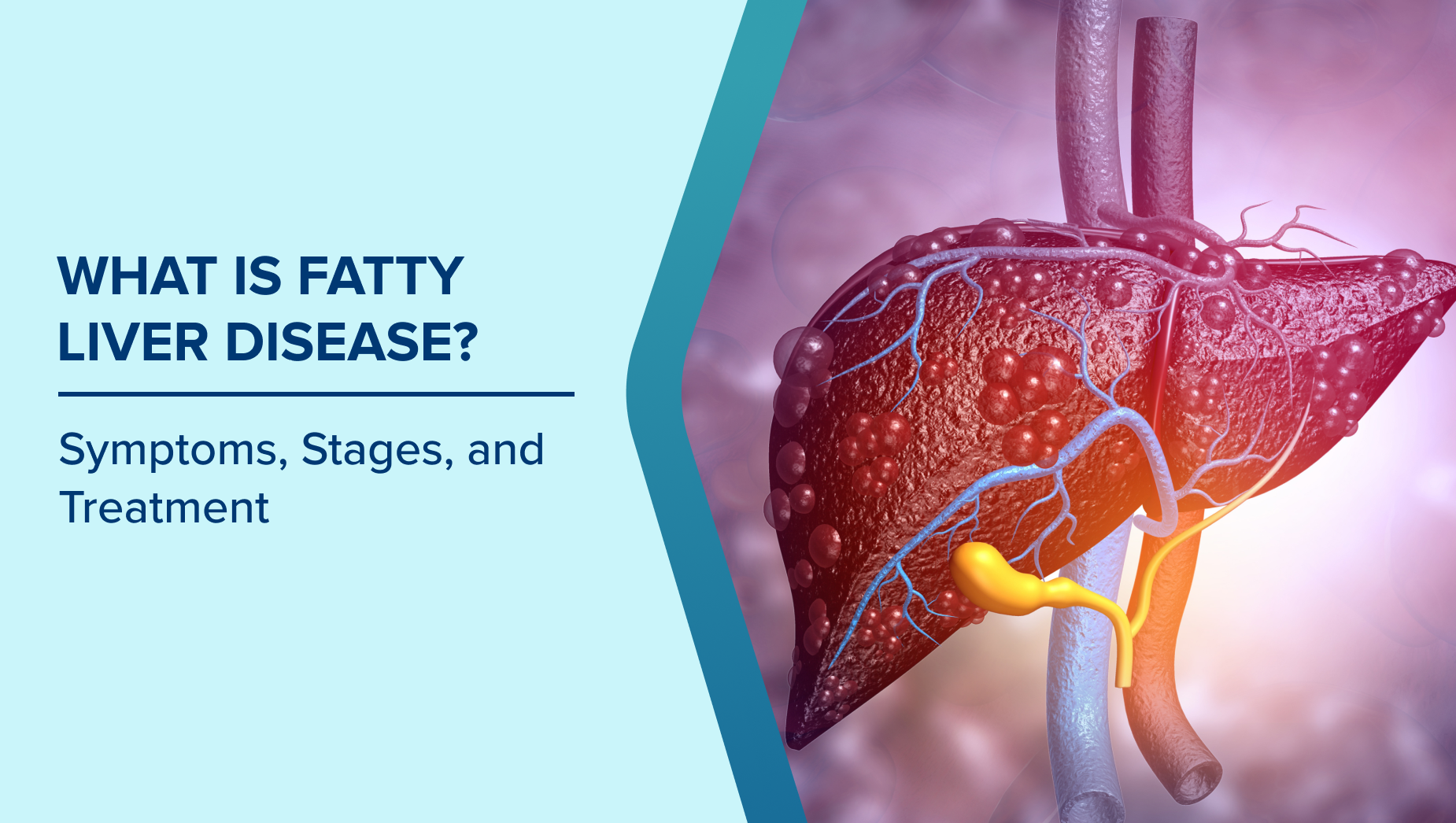
Fatty liver disease happens when excess fat builds up in the liver. While it’s normal for the liver to contain a small amount of fat, too much can lead to inflammation and even permanent liver damage.
There are two main types:
- Non-Alcoholic Fatty Liver Disease (NAFLD): The most common form, especially in people who don’t drink much alcohol. It’s often linked to obesity, diabetes, high cholesterol or sedentary lifestyle.
- Alcoholic Fatty Liver Disease: It is caused by heavy alcohol consumption, which damages liver cells over time.
Fatty Liver Causes: What Leads to It?
NAFLD doesn’t just appear out of nowhere. Several lifestyle and health factors can contribute, such as:
- Obesity or being overweight
- Poor diet (high in sugar, refined carbs, and processed foods)
- Lack of physical activity
- Type 2 diabetes or insulin resistance
- High cholesterol or triglycerides
- Rapid weight loss
- Polycystic Ovary Syndrome (PCOS)
Even people with normal body weight can develop fatty liver, especially if they have poor dietary habits or a sedentary lifestyle.
Fatty Liver Symptoms: What to Watch Out For
Here’s the tricky part—most people with fatty liver don’t feel sick at all, especially in the early stages. But as the disease progresses, some may notice:
- Feeling tired or sluggish
- Mild discomfort or pain in the upper right side of the belly
- Unexplained weight loss
- Enlarged liver (found during a routine check-up)
- Dark patches on the neck or underarms (signs of insulin resistance)
Since these symptoms are often mild or easily confused with other conditions, fatty liver frequently remains unnoticed until it progresses to a more advanced stage.
Stages of Fatty Liver Disease
Fatty liver disease usually develops slowly and may pass through several stages:
- Simple Fatty Liver (Steatosis): Fat builds up in the liver without causing inflammation.
- Non-Alcoholic Steatohepatitis (NASH): Fat causes inflammation and liver cell damage.
- Fibrosis: Scarring begins to form as the liver tries to repair itself.
- Cirrhosis: Severe scarring that may result in liver failure or increase the risk of developing liver cancer.
How Is Fatty Liver Diagnosed?
Since fatty liver often doesn’t cause noticeable symptoms, it’s usually discovered during routine tests or health checkups.
Common diagnostic tools include:
- Blood tests: To check liver enzymes.
- Ultrasound: A painless way to spot fat in the liver.
- FibroScan or MRI: Helps assess liver stiffness (scarring).
- Liver biopsy: Rare, but may be done if the diagnosis is unclear or to confirm NASH.
Treatment for Fatty Liver: Can It Be Reversed?
There’s no single “fatty liver pill,” but lifestyle changes are the most effective treatment. Here’s what doctors recommend:
Lose Weight Slowly and Safely
Losing just 5 to 10% of your body weight can greatly help lower the amount of fat in your liver and reduce inflammation.
Follow a Fatty Liver Diet
- Eat more fruits, vegetables, and whole grains
- Choose lean proteins like fish, chicken, tofu, or beans
- Cut back on sugar, fried foods, and processed snacks
- Limit red meat and refined carbs (white bread, pasta)
- Avoid sugary drinks and opt for water or herbal teas
Exercise Regularly
Try to engage in moderate physical activity, such as brisk walking, for about 30 minutes on most days of the week.
Control Underlying Conditions
Managing diabetes, cholesterol, and blood pressure is key to protecting your liver.
Avoid Alcohol
Even small amounts of alcohol can worsen liver damage, especially if you already have NAFLD.
Prevention: Simple Liver Health Tips
Even if you don’t have fatty liver today, it’s worth taking steps to prevent it. Here are some tips:
- Stick to a balanced diet that’s low in sugar and processed foods
- Be physically active—aim to sit less and move more
- Avoid crash diets or extreme fasting
- Don’t rely on supplements or detox teas that claim to “cleanse” your liver
- Stay on top of routine checkups and screenings
Conclusion
Fatty liver disease might be silent, but its impact on your health can be serious. The good news is that with early detection and simple lifestyle changes, it’s possible to reverse the damage and regain control of your liver health. Think of your liver as your body’s silent workhorse—take care of it, and it will take care of you.
Frequently Asked Questions
Can children get non-alcoholic fatty liver disease?
Yes, due to rising obesity rates and poor eating habits, NAFLD is now being diagnosed in children and teenagers, especially those who are overweight.
Does fatty liver disease cause weight gain?
While fatty liver is linked to obesity, the disease itself doesn’t directly cause weight gain. However, poor metabolic health may lead to both.
Are there any warning signs in blood tests?
Elevated liver enzymes like ALT and AST can be a sign of liver inflammation but don’t always appear in the early stages. A liver ultrasound may still be necessary.
Can fatty liver lead to other health problems?
Yes, fatty liver increases your risk for type 2 diabetes, heart disease, kidney disease, and even liver cancer if left untreated.
Is coffee good or bad for fatty liver?
Moderate coffee intake (2–3 cups a day) has been linked to lower risks of liver damage and may help protect against fatty liver progression.
Related Blogs

Dr. Nivedita Pandey In Gastroenterology, Hepatology & Endoscopy , Liver Transplant and Biliary Sciences
Nov 07 , 2020 | 2 min read
Dr. Nivedita Pandey In Gastroenterology, Hepatology & Endoscopy , Liver Transplant and Biliary Sciences
Nov 07 , 2020 | 2 min read
Blogs by Doctor

An introduction to Hepatitis: Types, Symptoms & Prevention
Dr. Rajesh Upadhyay In Gastroenterology, Hepatology & Endoscopy
Jul 28 , 2023 | 2 min read

Abdominal Pain: Types, Causes, and Warning Signs
Dr. Rajesh Upadhyay In Gastroenterology, Hepatology & Endoscopy
Dec 30 , 2024 | 4 min read
Most read Blogs


Related Blogs
Dr. Nivedita Pandey In Gastroenterology, Hepatology & Endoscopy , Liver Transplant and Biliary Sciences
Nov 07 , 2020 | 2 min read
Dr. Nivedita Pandey In Gastroenterology, Hepatology & Endoscopy , Liver Transplant and Biliary Sciences
Nov 07 , 2020 | 2 min read
Blogs by Doctor
An introduction to Hepatitis: Types, Symptoms & Prevention
Dr. Rajesh Upadhyay In Gastroenterology, Hepatology & Endoscopy
Jul 28 , 2023 | 2 min read
Abdominal Pain: Types, Causes, and Warning Signs
Dr. Rajesh Upadhyay In Gastroenterology, Hepatology & Endoscopy
Dec 30 , 2024 | 4 min read
Most read Blogs