 WhatsApp Us (24/7)
 +91 926 888 0303 (24/7)


To Book an Appointment
Call Us+91 926 888 0303What Do You Need to Know About Coronary Artery Disease (CAD)?
By Dr. Aditya Kumar Singh in Cardiac Sciences
Jan 05 , 2026 | 11 min read

Coronary Artery Disease (CAD) is a serious medical condition that affects the blood vessels responsible for supplying oxygen and nutrients to your heart. These blood vessels can become narrowed or blocked over time, often without showing any obvious signs, until a major issue like a heart attack occurs. Understanding what CAD is, what causes it, and how to spot early warning signs can make a big difference in protecting your heart. In this article, we’ll explain CAD and how to prevent or manage it effectively.
What is Coronary Artery Disease (CAD)?
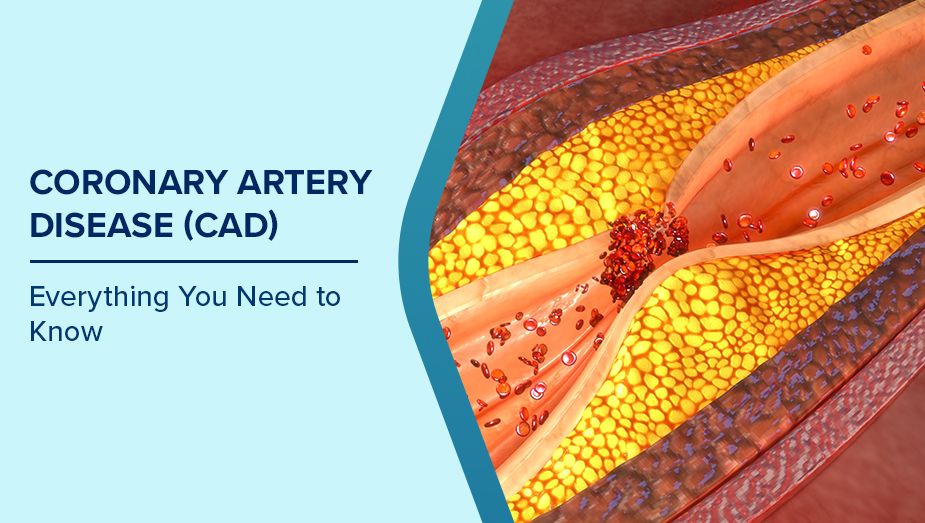
Coronary Artery Disease (CAD) is a condition where the blood vessels that carry oxygen and nutrients to your heart become narrow or blocked due to a buildup of fatty deposits (plaque). This reduces blood flow to the heart, which can lead to chest pain, shortness of breath, or serious problems such as a heart attack.
What are the Types of Coronary Artery Disease (CAD)?
Coronary Artery Disease (CAD) can be classified into two main types. Both types require medical attention and proper management to protect heart health.
- Obstructive CAD: This type occurs when the coronary arteries are significantly narrowed or completely blocked by fatty deposits (plaque). This blockage restricts blood flow to the heart, leading to symptoms like chest pain and an increased risk of heart attacks.
- Non-Obstructive CAD: In this type, there is no severe blockage in the arteries, but blood flow is still restricted due to artery spasms, inflammation, or smaller plaque buildup. It can also cause chest pain and other symptoms.
What are the Symptoms of Coronary Artery Disease?
The symptoms of Coronary Artery Disease (CAD) can vary from person to person. Some may experience clear warning signs, while others may have no symptoms until a serious issue occurs. Some of the common symptoms of CAD include:
- Chest Pain or Discomfort (Angina): A feeling of pressure, tightness, or heaviness in the chest, often triggered by physical activity or stress and relieved by rest.
- Shortness of Breath: Difficulty breathing, especially during physical activity, as the heart struggles to pump enough blood.
- Fatigue: Feeling unusually tired, even with minimal activity.
- Pain in Other Areas: Discomfort may spread to the arms, neck, jaw, back, or stomach.
- Heart Palpitations: A sensation of irregular or fast heartbeat.
- Silent Symptoms: Some individuals may have no noticeable symptoms until a heart attack or other serious complications occur.
What Are the Causes and Risk Factors of Coronary Artery Disease?
Coronary Artery Disease (CAD) happens when the blood vessels that supply oxygen and nutrients to the heart become narrowed or blocked. Let’s look at what causes this and the factors that increase your chances of developing it.
Most Common Causes of CAD
- Plaque Buildup (Atherosclerosis): The main cause of CAD is the buildup of fatty deposits, cholesterol, and other substances (plaque) on the walls of the coronary arteries. This makes it harder for blood to flow to the heart.
- Inflammation: Long-term inflammation can damage the arteries, making it easier for plaque to form and build up.
- High Blood Pressure and Blood Sugar: Uncontrolled high blood pressure and diabetes can damage the artery walls, speeding up plaque buildup.
- Smoking: Smoking weakens and damages the artery walls, reducing their ability to carry blood effectively.
Risk Factors of CAD
These are traits or habits that make you more likely to develop CAD:
- Unhealthy Lifestyle: Poor diet, lack of exercise, and stress can lead to conditions like obesity and high cholesterol, which increase the risk.
- Family History: If heart disease runs in your family, you may have a higher chance of developing CAD.
- Age and Gender: The risk of CAD increases with age, and men are generally at higher risk at a younger age, though the risk for women rises after menopause.
- Smoking: In addition to being a cause, smoking is a major risk factor that greatly increases the likelihood of CAD.
- Other Health Conditions: Conditions like high cholesterol, high blood pressure, and diabetes are major risk factors because they directly contribute to artery damage.
Understanding both the causes and risk factors can help you make lifestyle changes and seek medical advice early to reduce your risk of CAD.
How is Coronary Artery Disease (CAD) Diagnosed?
Diagnosing Coronary Artery Disease (CAD) involves a combination of understanding your symptoms, evaluating your medical history, and performing specific tests to check your heart and blood vessels. Here are the steps involved:
- Medical History and Physical Examination: Medical history and physical examination are the first steps in diagnosing Coronary Artery Disease (CAD). The doctor will begin by discussing your symptoms, lifestyle habits, and any family history of heart disease. They will also assess risk factors such as smoking, high blood pressure, or diabetes. During the physical exam, the doctor will check for signs of heart problems, including irregular heartbeats or unusual sounds in the chest, which may indicate underlying issues.
- Blood Tests: The doctor may also prescribe the blood tests to check for specific markers that can indicate a risk of CAD. These tests measure cholesterol levels, blood sugar, and signs of inflammation in your body. Elevated levels of these markers can suggest that your arteries are at risk of narrowing or blockage.
- Electrocardiogram (ECG or EKG): To evaluate your heart's electrical activity, the doctor might recommend an electrocardiogram. This test can detect irregular heart rhythms, signs of past heart attacks, or reduced blood flow to the heart. It’s a quick and painless procedure often performed in the doctor’s office.
- Stress Test: If your symptoms occur during physical activity, the doctor may suggest a stress test. You’ll either exercise on a treadmill or stationary bike while your heart’s activity is monitored. If you’re unable to exercise, the doctor can use medication to mimic the effects of physical exertion on your heart.
- Echocardiogram: To get a closer look at your heart’s structure and function, the doctor might use an echocardiogram. This ultrasound test creates images of your heart, helping the doctor check for issues like weakened heart muscle or improper blood flow.
- Coronary Angiography: If the doctor suspects severe blockages in your coronary arteries, they may recommend coronary angiography. In this test, a special dye is injected into your arteries, and X-rays are taken to identify areas of narrowing or blockage.
- CT Coronary Angiogram (CTA): For a non-invasive option, the doctor might order a CT coronary angiogram. This test uses a CT scanner to produce detailed images of your coronary arteries, helping to identify blockages or other abnormalities without requiring an invasive procedure.
- Cardiac MRI: To get a comprehensive view of your heart and blood vessels, the doctor might suggest a cardiac MRI. This imaging test provides detailed visuals, allowing the doctor to assess blockages, damage, or other heart issues with high accuracy.
These tests help doctors confirm the presence of CAD, determine its severity, and decide on the best course of treatment. Early diagnosis is essential to prevent complications like heart attacks.
What are the Complications of Coronary Artery Disease (CAD)?
If left untreated, CAD can lead to serious health problems, including:
- Heart Attack: Blocked blood flow to the heart can cause a heart attack, which may damage the heart muscle permanently.
- Heart Failure: Reduced blood flow weakens the heart, making it unable to pump blood effectively.
- Arrhythmias: CAD can cause irregular heartbeats, which may be life-threatening in severe cases.
- Angina: Ongoing chest pain or discomfort due to reduced blood flow to the heart.
- Sudden Cardiac Arrest: Severe complications like a heart attack or arrhythmia can lead to sudden loss of heart function.
How is Coronary Artery Disease Treated?
The treatment of Coronary Artery Disease (CAD) focuses on improving blood flow to the heart, relieving symptoms, and preventing complications. It typically involves a combination of lifestyle changes, medications, and medical procedures. Here’s an overview:
1. Lifestyle Changes
Making healthier choices can slow down the progression of CAD and improve heart health:
- Heart-Healthy Diet: Include fruits, vegetables, whole grains, and lean proteins while reducing saturated fats, salt, and sugar.
- Regular Exercise: Engage in moderate physical activity, such as walking or cycling, for at least 30 minutes most days of the week.
- Quit Smoking: Stop smoking to improve blood vessel health and reduce CAD risk.
- Stress Management: Practice stress-reducing techniques like yoga, meditation, or deep breathing exercises.
2. Medications
Doctors may prescribe medications to manage CAD and its risk factors:
- Cholesterol-Lowering Drugs: To reduce plaque buildup in arteries.
- Blood Pressure Medications: To control high blood pressure and reduce strain on the heart.
- Blood Thinners: To prevent blood clots that can block narrowed arteries.
- Nitroglycerin: To relieve chest pain (angina).
- Beta-Blockers or Calcium Channel Blockers: To improve blood flow and reduce heart strain.
3. Medical Procedures
In severe cases, procedures or surgeries may be needed:
- Angioplasty and Stent Placement: A minimally invasive procedure where a small balloon is used to open blocked arteries, and a stent is placed to keep them open.
- Coronary Artery Bypass Grafting (CABG): A surgical procedure that uses blood vessels from other parts of the body to bypass blocked arteries. The procedure can also be performed using minimally invasive techniques and is called minimally invasive CABG.
- Enhanced External Counterpulsation (EECP): A non-invasive treatment to improve blood flow to the heart in certain patients.
4. Cardiac Rehabilitation
A supervised program that includes exercise, education, and counselling to improve heart health and prevent further complications.
How Can Coronary Artery Disease (CAD) Be Prevented?
Preventing CAD involves adopting a heart-healthy lifestyle and managing risk factors effectively. Here’s how:
- Eat a Healthy Diet: Focus on fruits, vegetables, whole grains, lean proteins, and avoid processed foods, saturated fats, and excess sugar.
- Exercise Regularly: Engage in at least 30 minutes of moderate physical activity most days of the week.
- Maintain a Healthy Weight: Aim for a healthy body weight to reduce strain on your heart.
- Quit Smoking: Avoid tobacco use to protect your arteries and improve heart health.
- Control Blood Pressure and Cholesterol: Regularly monitor and manage these levels through diet, exercise, or medications if needed.
- Manage Diabetes: Keep blood sugar levels under control if you have diabetes.
- Reduce Stress: Practice relaxation techniques like meditation, yoga, or deep breathing to lower stress.
- Limit Alcohol: Drink in moderation, if at all, to reduce heart disease risk.
- Get Regular Check-Ups: Regular health screenings can detect risk factors early, allowing for timely management.
When Should You See a Doctor for Coronary Artery Disease (CAD)?
It’s important to see a doctor if you notice symptoms that may indicate Coronary Artery Disease, especially if they occur during physical activity or are persistent. Watch out for the following signs:
- Difficulty Breathing: Struggling to catch your breath, especially while walking fast or climbing stairs.
- Unusual Fatigue or Weakness: Feeling excessively tired or sluggish without any clear reason.
- Burning Sensation in the Chest: A gastritis-like feeling or discomfort in the chest.
- Pain in the Abdomen, Shoulders, Back, Arms, or Hands: Unexplained pain in these areas, which may be linked to reduced blood flow to the heart.
- Palpitations: Feeling like your heart is racing or skipping beats.
- Nausea, Vomiting, or Indigestion: Stomach discomfort that doesn’t improve or feels unusual.
- Excessive Sweating: Sudden or excessive sweating without physical exertion.
- Lightheadedness or Dizziness: Feeling faint or unsteady on your feet.
Note: These symptoms may indicate reduced blood flow to the heart, and early medical attention can prevent complications like a heart attack. If you experience severe chest pain, shortness of breath, or symptoms that worsen, seek emergency medical care immediately.
Take the First Step Towards a Healthier Heart
If you or a loved one are experiencing any symptoms of CAD, don’t wait—reach out to experts who can help. At Max Hospitals, our cardiology specialists are dedicated to providing comprehensive heart care, from early diagnosis to advanced treatment options. Book an appointment today to schedule a consultation with our experienced cardiology team and take the first step towards a healthier heart.
Frequently Asked Questions
Are coronary artery disease and atherosclerosis the same thing?
No, they are not the same. Atherosclerosis is a condition where plaque builds up in the arteries and can occur in any part of the body. Coronary artery disease (CAD), on the other hand, refers to the narrowing or blockage of coronary arteries (heart’s blood vessels), caused by atherosclerosis.
What are the 4 stages of coronary artery disease?
The four stages of CAD disorder are plaque formation, restricted blood flow (ischemia), coronary artery disease symptoms like angina, and complications such as heart attacks.
What foods are good for coronary artery disease?
Foods such as fruits and vegetables, whole grains, lean proteins, nuts, and fish are rich in omega-3 and excellent for managing coronary artery disease and reducing its symptoms. Avoid processed and high-fat foods.
Can coronary artery disease be cured?
Coronary artery disease cannot be completely cured, but its progression can be managed through lifestyle changes, medications, and treatments that address the causes of coronary artery disease.
Can coronary artery disease cause hypertension?
Yes, CAD can contribute to hypertension by forcing the heart to work harder to pump blood through narrowed arteries.
Can coronary artery disease cause sleep apnea?
While CAD doesn’t directly cause sleep apnea, the two conditions often coexist. Sleep apnea can worsen ischemic coronary artery disease by reducing oxygen supply during sleep.
Can coronary artery disease cause a stroke?
Yes, CAD can increase the risk of stroke by promoting the formation of blood clots, which can block arteries in the brain.
When was coronary artery disease discovered?
The connection between blocked coronary arteries and heart disease was first identified in the early 20th century, with significant advances in understanding CAD disorder occurring in the 1930s and 1940s.
Does coronary artery disease go away?
No, CAD does not go away, but its symptoms and progression can be controlled with proper treatment and lifestyle changes.
How do doctors check for coronary artery disease?
Doctors diagnose CAD through medical history, physical exams, and tests like blood work, ECG, stress tests, coronary angiography, echocardiograms, and CT scans to detect ischemic coronary artery disease and its severity.
Written and Verified by:

Related Blogs

Dr. Ritwick Raj Bhuyan In Cardiac Sciences , Cardiac Surgery (CTVS)
Nov 08 , 2020 | 2 min read

Dr. Gaurav Minocha In Cardiac Sciences
Nov 08 , 2020 | 4 min read
Blogs by Doctor


Coronary Artery Bypass Grafting (CABG): Myths and Facts
Dr. Aditya Kumar Singh In Cardiac Sciences , Cardiac Surgery (CTVS)
Nov 29 , 2023 | 3 min read
Most read Blogs


Related Blogs
Dr. Ritwick Raj Bhuyan In Cardiac Sciences , Cardiac Surgery (CTVS)
Nov 08 , 2020 | 2 min read
Dr. Gaurav Minocha In Cardiac Sciences
Nov 08 , 2020 | 4 min read
Blogs by Doctor
Coronary Artery Bypass Grafting (CABG): Myths and Facts
Dr. Aditya Kumar Singh In Cardiac Sciences , Cardiac Surgery (CTVS)
Nov 29 , 2023 | 3 min read
Most read Blogs