 WhatsApp Us (24/7)
 +91 926 888 0303 (24/7)


To Book an Appointment
Call Us+91 926 888 0303How to Avoid Stress in the Workplace: Real Tips to Stay Calm and Focused
By Dr A. Zeenat Ahmed in Internal Medicine
Jun 25 , 2025 | 4 min read

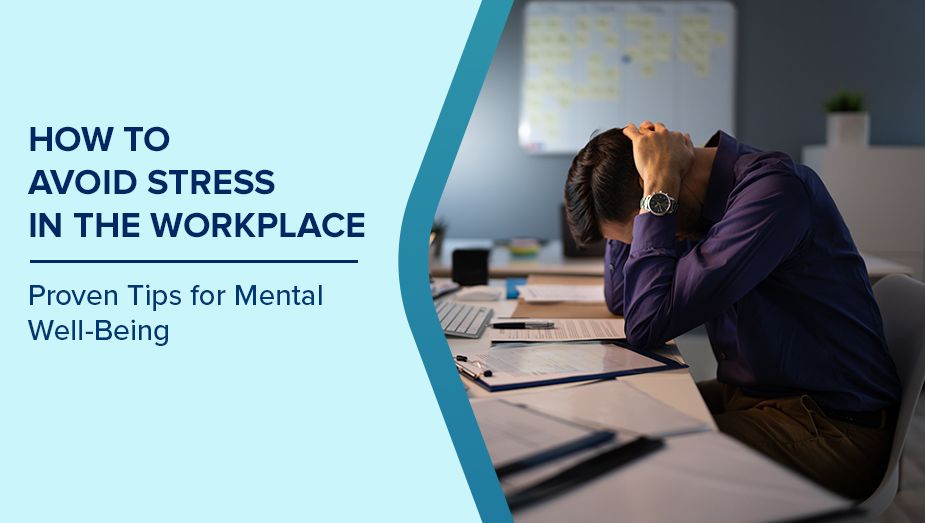
Work can be challenging. Whether you're rushing to meet a deadline, managing a difficult coworker, or dealing with back-to-back meetings, stress tends to sneak in. While a little pressure is normal, constant stress can take a toll on your mental health and affect your performance. That's why learning how to avoid stress in the workplace is so important, for your peace of mind and long-term well-being.
What Causes Stress at Work?
Stress at work can come from many places. Here are some common triggers:
- Heavy workload or unrealistic deadlines
- Lack of control over tasks
- Poor communication or unclear expectations
- Job insecurity or fear of failure
- Conflicts with coworkers or managers
- Long hours without enough breaks
Recognising the source of stress is the first step toward managing it.
Why Workplace Stress Management Matters
When you're constantly stressed, it doesn't just affect your mood. It can mess with your sleep, lower your energy, weaken your immune system, and even lead to anxiety or depression. Long-term stress can also make it harder to focus, make decisions, or work productively.
That's why workplace stress management is essential, not just to stay productive but to stay healthy and feel good about what you do.
Read more- Impact of Corporate Stress on Heart Health: Risks & Prevention Tips
How to Reduce Stress at Work: Tips That Help
Start with a Simple To-Do List
Keeping a list of your daily tasks can help you feel more in control. Break bigger tasks into smaller steps and prioritise what needs to be done first. Checking things off can feel rewarding and help alleviate stress.
Take Short, Regular Breaks
Working for long stretches without breaks can lead to burnout. Try stepping away for 5–10 minutes every hour. Grab a coffee, take a walk or stretch. Your brain needs time to reset.
Speak Up When You're Overwhelmed
It's okay to ask for help. If you're feeling overloaded, talk to your manager. Let them know what's going on and suggest ways to handle the situation, such as shifting deadlines or seeking support from a teammate.
Create Boundaries Between Work and Personal Time
One way to protect your mental health at work is to separate it from your home life. Set a clear time to log off and avoid checking work messages after hours unless it's urgent. This helps your brain recharge and prevents burnout.
Develop Some Hobby
Pursue your personal interests like reading, painting, gardening, etc and avoid or reduce screen time.
Keep Your Workspace Tidy
Clutter can increase anxiety. Try to keep your desk or work area clean and organised. Even five minutes of tidying can create a calmer environment.
Move Your Body
Physical activity is one of the best ways to reduce stress. Even a short walk during lunch or stretching between meetings can help. Exercise releases endorphins, which naturally boost your mood.
Use Deep Breathing to Stay Calm
When you feel your stress levels rising, take a few deep breaths. Inhale slowly, hold for a few seconds and exhale. Repeat three to five times. This simple technique can lower your heart rate and calm your mind.
Stay Connected
Social support matters. Talk to a coworker, grab lunch with a friend, or call a loved one during your break. Having someone to share your feelings with can make tough days feel a little lighter.
Get Enough Sleep
Lack of sleep can make workplace stress worse. Aim for 7–8 hours of quality sleep each night. Try to wind down before bed by putting away screens, lowering the lights, and engaging in a relaxing activity, such as reading or listening to music.
Practice Gratitude
It might sound simple, but writing down three things you're grateful for at the end of the day can shift your mindset. It helps train your brain to focus on the positive, even when the day is stressful.
Read more- Stress Can Cause Serious Disorders in Working Women!
Supporting Employee Well-Being at the Workplace
Employers and managers also play a big role in reducing stress at work. Here are a few ways companies can support employee well-being:
- Encourage breaks and vacation time
- Promote open communication and feedback
- Provide mental health resources
- Recognise and appreciate employees' efforts
- Offer flexible work options where possible
When employees feel supported, they're more motivated, engaged, and emotionally balanced.
Conclusion
Stress might be part of the job sometimes, but it shouldn't take over your life. Managing your mental health at work doesn't mean doing less, it means doing what you need to stay well so you can keep doing your best.
You're allowed to rest. You're allowed to ask for help. And most importantly, you're allowed to take care of yourself. So take a deep breath. Make a small change today. Your well-being matters.
Frequently Asked Questions
How does chronic workplace stress affect long-term productivity?
Chronic stress can impair concentration, increase errors, and contribute to burnout. Over time, it may cause employees to disengage or take frequent sick leave, lowering overall productivity.
Can employees legally address stress-related concerns at work?
Yes, employees have the right to a safe and healthy workplace. If stress is caused by unsafe workloads, harassment, or lack of breaks, it's appropriate to raise the issue with HR or a manager.
What role can managers play in supporting stressed employees?
Managers can help by offering flexible deadlines, listening actively, providing constructive feedback, and ensuring that workloads are evenly distributed. Even small gestures, such as recognition or a check-in, can make a big difference.
How can companies build a culture that supports mental health at work?
Companies can train managers in mental health awareness, set up employee assistance programs, encourage open conversations, and normalise taking mental health days just like sick days.
Written and Verified by:

Related Blogs


Dr. Vandana Boobna In Internal Medicine
Nov 08 , 2020 | 2 min read
Blogs by Doctor

Healthy Sleep Habits for Men Above 40: Your Guide to Restful Nights
Dr A. Zeenat Ahmed In Internal Medicine
Jun 25 , 2025 | 4 min read

Hidden Dangers of Excess Weight: How It Quietly Affects Your Health
Dr A. Zeenat Ahmed In Internal Medicine
Nov 10 , 2025 | 5 min read
Most read Blogs


Related Blogs
Dr. Vandana Boobna In Internal Medicine
Nov 08 , 2020 | 2 min read
Blogs by Doctor
Healthy Sleep Habits for Men Above 40: Your Guide to Restful Nights
Dr A. Zeenat Ahmed In Internal Medicine
Jun 25 , 2025 | 4 min read
Hidden Dangers of Excess Weight: How It Quietly Affects Your Health
Dr A. Zeenat Ahmed In Internal Medicine
Nov 10 , 2025 | 5 min read
Most read Blogs